What Disqualifies a Boxer at a Show
Stepping into the show ring with your magnificent Boxer is a moment filled with pride and anticipation, but the rules can be incredibly precise, and it's devastating to realize your beloved dog might be disqualified for something you weren't even aware of. Many new Boxer owners, and even some seasoned ones, feel a knot in their stomach wondering if their dog truly meets every tiny detail of the breed standard. This guide aims to clear up the confusion by walking you through the common — and sometimes surprising — reasons a Boxer might be disqualified at a dog show, helping you understand the nuances judges are looking for.
Understanding the Boxer Standard: Your Rulebook
When you decide to enter the world of dog shows, whether it's for conformation or performance, the breed standard is your absolute north star. It's not just a guideline; it's the definitive description of the ideal Boxer, detailing everything from nose to tail, temperament to gait. Every judge uses this document to evaluate how closely each dog matches this ideal. Deviations, especially significant ones, can lead to your Boxer being placed lower or, in some cases, outright disqualified.
The Importance of the Breed Standard
The breed standard isn't just arbitrary rules dreamt up by a committee. It's a carefully crafted document that outlines the physical characteristics, temperament, and movement that define the Boxer breed. These traits were developed over generations to ensure the Boxer could perform its original duties as a working dog and to maintain its unique identity. For instance, the Boxer's powerful jaw and square muzzle are crucial not just for looks, but for the historical function of gripping game. When a dog deviates too far from this standard, it's considered to be losing its "breed type."
Judges at conformation shows are essentially tasked with identifying the dogs that best embody this breed type. They aren't looking for the "prettiest" dog in a subjective sense, but rather the dog that most perfectly aligns with the written standard. This involves a thorough examination, from the top of the head to the tip of the tail, assessing everything from bite to muscle tone. If a dog possesses a characteristic explicitly stated as a disqualification in the standard, there's no room for interpretation – that dog cannot win points or titles. It's a black-and-white rule that protects the integrity of the breed.
Where to Find the Official Standard
For anyone serious about showing their Boxer, or even just understanding the breed better, the official breed standard is an indispensable resource. In the United States, the American Kennel Club (AKC) sets the standard for the Boxer, which is championed by the American Boxer Club. Other kennel clubs around the world, like the Kennel Club in the UK or the FCI (Fédération Cynologique Internationale) which oversees many European standards, will have their own versions, though they often share many core principles. It's absolutely crucial to consult the specific standard relevant to the country and organization where you plan to show your dog, as there can be subtle differences.
You can usually find the most up-to-date official standard directly on the website of the relevant kennel club or the national Boxer breed club. For instance, the AKC website has a comprehensive list of all breed standards, including the Boxer's. Reading it might feel a bit like reading a legal document at first, with all its precise terminology, but it’s worth poring over every word. It will describe the ideal proportions, acceptable colors, dental structure, and even the nuances of temperament and movement. Familiarizing yourself with these details is the first step in understanding what the judge sees, and more importantly, what could lead to a disqualification.
Physical Disqualifications: Beyond the Ideal Look
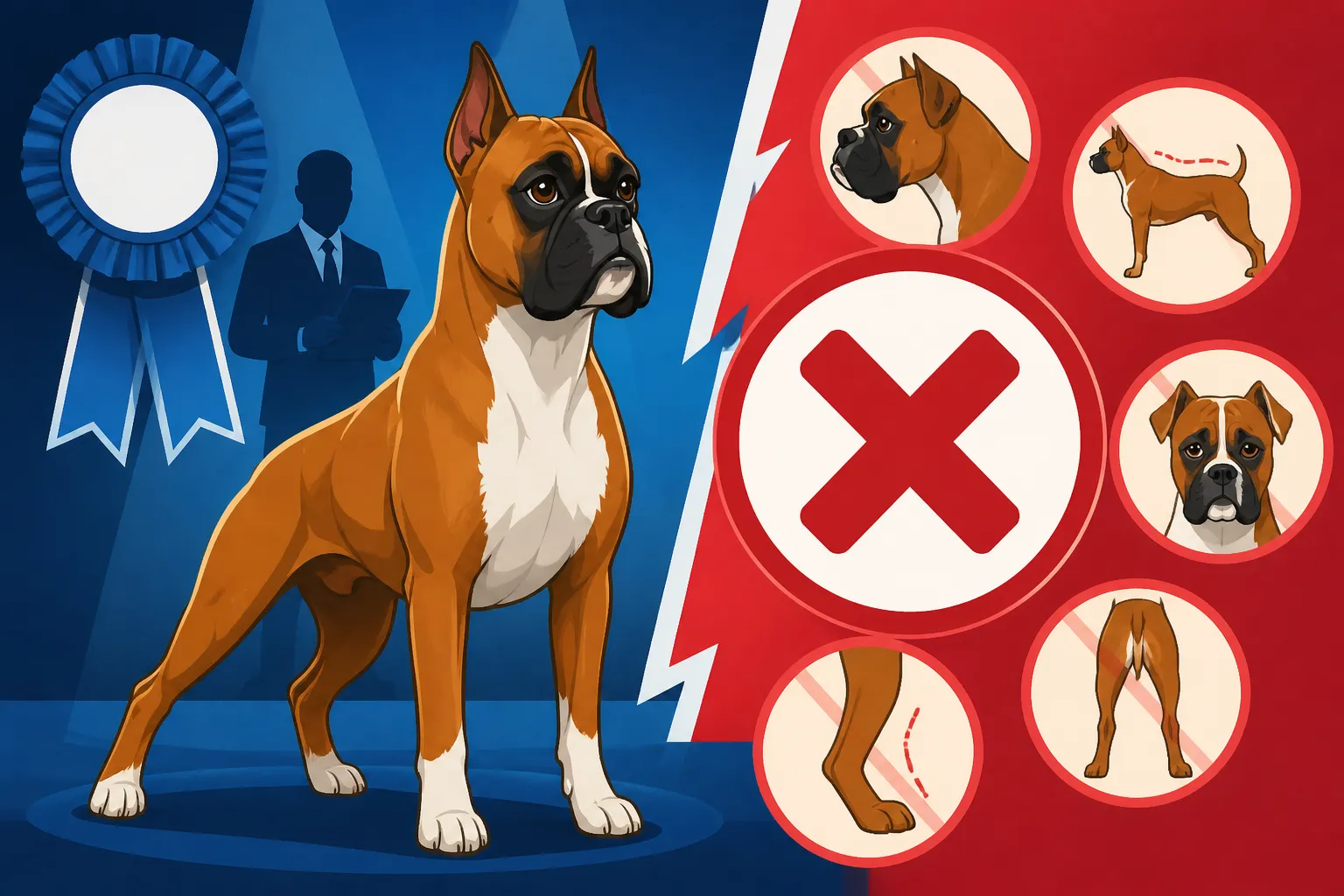
Many of the most immediate and impactful disqualifications revolve around a Boxer's physical appearance. These are the traits that are easily observable and, if they fall outside the strict parameters of the standard, can lead to an instant dismissal from the ring. These aren't minor faults; they are fundamental deviations from what defines a Boxer.
Weight and Size Deviations
The Boxer standard is quite specific about size, defining both height and weight ranges for mature males and females. These aren't just suggestions; they are part of the breed's functional design. A Boxer that is significantly oversized or undersized compared to the standard is considered to have lost crucial breed type. For example, an adult male Boxer typically stands around 22.5 to 25 inches at the withers, and a female slightly smaller. Correspondingly, there are weight expectations too, typically in the range of 65-80 pounds for males and 50-65 pounds for females, though the standard often prioritizes height with corresponding substance.
Imagine you've poured countless hours into training your Boxer for the show ring, only for a judge to measure him and find he's an inch too tall or two inches too short. It's a heartbreaking scenario, but it happens. These measurements are taken precisely, and if your dog falls outside the specified window, it's a disqualification. This isn't about being slightly too slender or a little beefier; it's about actual skeletal size. The reasoning is that these size deviations can impact the dog's movement, athleticism, and overall conformation, moving it away from the balanced, medium-sized working dog the Boxer is meant to be. Breeders aim for this specific size range to maintain the breed's historical function and health, ensuring proportionality and proper movement.
Unacceptable Coat Colors and Markings
One of the most widely known and often misunderstood disqualifications pertains to a Boxer's coat color. The AKC standard explicitly states that the only acceptable colors are fawn and brindle. Any other color, or an excessive amount of white markings, will lead to a disqualification. This means a solid white Boxer, or a black Boxer (which isn't genetically possible in purebred Boxers, but sometimes appears due to reverse brindle markings), cannot compete in conformation. Similarly, markings described as "parti-color" or "piebald" – essentially large, irregular patches of color and white – are also a disqualification.
The "white question" is particularly poignant for Boxer enthusiasts. While Why a White Boxer Cannot Be Shown is a common disqualification, it's important to remember that white Boxers are still purebred Boxers with all the wonderful qualities of the breed. They just don't fit the cosmetic standard for the show ring. The standard allows for white markings, often referred to as "flashy," on the face, chest, throat, and feet, but these must not exceed one-third of the entire coat. If a Boxer has white extending up their legs, onto their back, or excessive white on their neck or head, they will be disqualified. This is purely a matter of aesthetics as dictated by the standard, not an indicator of health or temperament. What Makes a Boxer Brindle or Reverse Brindle is equally specific, ensuring only true fawn and brindle patterns are recognized.
Dental and Jaw Structure Faults
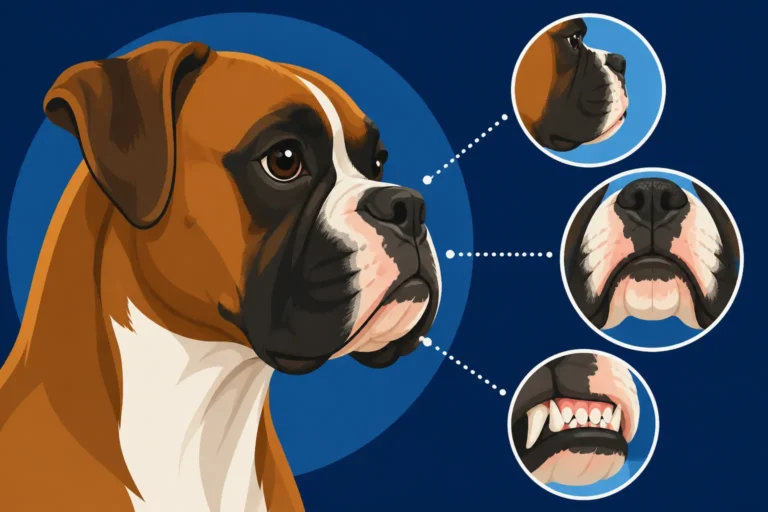
A Boxer's head and jaw structure are among its most distinctive features, and the breed standard provides very precise descriptions of the ideal bite and jaw configuration. Boxers are a brachycephalic breed, meaning they have a relatively short, broad skull, and they are characterized by an undershot jaw where the lower jaw protrudes beyond the upper jaw, and the lower incisors sit in front of the upper incisors. This is a normal and expected trait for the breed, but there are limits to how much. A reverse scissor bite (where the upper incisors meet the lower or extend beyond) or a perfectly level bite would be incorrect for a Boxer and would constitute a serious fault, often leading to disqualification. The Boxer Chin, Muzzle and Bite is a critical area for judges.
Beyond the bite itself, the alignment and presence of teeth are also judged. Missing teeth, especially incisors or canines, can be a disqualifying factor, as can severely crooked or misaligned teeth that interfere with proper function or aesthetics. The ideal Boxer mouth should be wide and square, with the teeth fitting together in that distinctive undershot manner. Judges will physically examine the dog's mouth, checking for these details. They’re looking for a strong, healthy mouth that aligns with the breed's history as a gripping dog. Any significant deviation, such as a severely wry jaw or an overly exaggerated undershot bite that impacts the dog's ability to eat or breathe normally, could be problematic.
Structural and Movement Disqualifications
A Boxer isn't just a static picture; it's a dynamic animal designed for power and agility. Therefore, how a Boxer moves and carries itself is just as crucial as its static appearance. Flaws in structure that impede movement or deviate from the breed's characteristic gait are taken very seriously in the show ring.
Gait and Temperament Issues
The Boxer's gait is described as free, firm, and elastic, covering the ground with powerful, long strides. They should move with a certain springiness, exhibiting both strength and grace. A judge will watch the Boxer move from all angles: coming towards them, going away, and from the side, to assess its reach and drive, balance, and overall coordination. Any evidence of lameness, an awkward or crab-like gait (where the dog moves sideways), or a restricted stride can be a disqualifying factor. These issues often stem from structural imperfections, like poor angulation in the shoulders or hips, or an incorrect topline. Boxer Gait and Movement in the Ring highlights the fluid, athletic movement essential to the breed.
Beyond physical movement, a Boxer's temperament during movement is also observed. The dog should be alert, confident, and willing to work with its handler. A Boxer that is overly shy, fearful, or aggressive while moving will not only present poorly but can also be disqualified. While judges understand that dogs can have off days, a fundamental issue with temperament that prevents a proper evaluation or poses a safety risk is unacceptable. The Boxer is known for its joyful, confident, and courageous nature, and this should be evident in its bearing and movement.
Ear and Tail Presentation
For decades, Boxers in many parts of the world had their ears cropped and tails docked. This was a traditional practice, once believed to enhance their appearance and prevent injury during work. The breed standard, for some kennel clubs like the AKC, still describes the ideal cropped ear and docked tail. However, attitudes and regulations have shifted dramatically. In many countries, ear cropping and tail docking are now illegal or highly restricted. This presents a unique challenge for exhibitors. Boxer Ear Cropping and Tail Docking discusses the history and implications.
In jurisdictions where cropping and docking are prohibited, Boxers are shown with their natural ears and tails. The AKC standard, while describing the cropped look, states that "an undocked tail and uncropped ears are not to be penalized." This means a Boxer with natural ears and tail should be judged on its overall conformation and qualities, not disadvantaged for not having cosmetic alterations. However, if a Boxer has poorly cropped ears that are uneven or fall incorrectly, or if the tail is docked to an incorrect length, these could still be considered faults. A judge will look for a neat, well-balanced appearance, whether natural or altered according to acceptable practices. How a Judge Treats an Undocked Boxer Tail explores this further.
Temperament and Behavioral Disqualifications
While much of the show ring focuses on a Boxer's physical attributes, temperament is equally, if not more, important. The Boxer's jovial, confident, and steady nature is a hallmark of the breed, and any significant deviation from this can lead to disqualification. A dog show is a public event, and dogs must be safe and manageable.
Aggression or Shyness in the Ring
The Boxer breed standard explicitly calls for a temperament that is "fearless, self-assured, calm and confident." This means a Boxer should be approachable, willing to be examined by the judge, and tolerant of the bustling environment of a dog show. A Boxer exhibiting aggression towards the judge, handler, or other dogs – snarling, biting, or lunging – will be immediately disqualified. This is non-negotiable, as safety is paramount in the show ring. Such behavior indicates a fundamental flaw in temperament that is contrary to the breed's nature. What the Standard Says About Boxer Character emphasizes their stable and confident disposition.
On the flip side, excessive shyness or fearfulness can also lead to disqualification. A Boxer that is so timid it cannot be properly examined by the judge, or that attempts to flee or cower, cannot be evaluated fairly. While a little nervousness might be understood, a severe lack of confidence indicates a temperament issue. Judges need to be able to touch the dog, examine its teeth, feel its structure, and observe its movement. A Boxer that refuses to cooperate due to fear is simply not fit for the show ring, regardless of its physical beauty. A Nervous Boxer That Backs Away can highlight the challenges this presents.
Lack of Control or Unruly Behavior
A well-trained Boxer is a joy to behold in the ring. They should move gracefully, stand politely for examination, and respond promptly to their handler's cues. A lack of control or unruly behavior, while not always an automatic disqualification, can certainly prevent a Boxer from being properly judged and ultimately lead to its dismissal. This could manifest as excessive pulling on the leash, constant jumping on the handler, refusal to stand still, or being generally disruptive in the ring. While Boxers are known for their playful "puppyhood that lasts three years," in the ring, composure is key.
A judge needs to see the dog's true structure and movement without interference from a struggling or misbehaving animal. If a Boxer is constantly fighting its lead, refusing to stack, or pulling its handler off balance, the judge cannot get an accurate assessment. Imagine a dog that won't let the judge get a good feel of its ribs or examine its bite because it's wiggling too much or trying to play. This makes the judge's job impossible. While minor antics might be forgiven, persistent lack of control speaks to inadequate training and a temperament that isn't suited to the demands of the show ring, making it a very strong reason for a judge to pass over a dog.
General Health and Condition Concerns
Beyond specific breed traits, a Boxer entered in a dog show must be in excellent general health and condition. The show ring is a place to celebrate peak examples of the breed, and that includes physical well-being. Any sign of illness, injury, or unethical alteration will not only reflect poorly on the dog and handler but can also result in disqualification.
Evidence of Lameness or Illness
A Boxer must be sound and healthy to compete. This means no visible signs of lameness, limping, or any other physical impairment that would hinder its ability to move freely and without pain. Judges are trained to spot even subtle signs of lameness, as it indicates a structural problem, injury, or underlying health issue. A dog that is limping, even slightly, cannot be properly evaluated for its gait and overall soundness, which is a key component of the breed standard. Similarly, any dog showing signs of contagious illness – sneezing, coughing, discharge from eyes or nose, or skin infections – would not only be disqualified but should also be removed from the show grounds immediately to protect other dogs.
Furthermore, a Boxer's general condition speaks volumes. It should be clean, well-groomed, and at an appropriate weight. A dog that is clearly emaciated or obese, poorly kept, or showing signs of neglect would raise serious concerns and could be disqualified. The goal is to present a healthy, vibrant specimen of the breed. This attention to general health and condition reflects responsible ownership and ensures that only dogs in their prime are considered for championship titles.
Unacceptable Alterations or Surgeries
The integrity of the breed standard also extends to ensuring that a Boxer's appearance has not been artificially enhanced or altered to mask a fault. While spaying or neutering is a common and responsible practice for pet Boxers, it is a disqualification for conformation shows, as these shows are designed to evaluate breeding stock. A dog entered in a conformation show must be intact. There are exceptions for certain conditions, but generally, altered dogs are not eligible.
Beyond spay/neuter status, any surgical alteration that changes the natural conformation or texture of a Boxer is also typically a disqualification. This could include procedures like tattooing over an undesirable skin patch, using permanent dyes on the coat, or any surgery performed purely for cosmetic reasons to hide a fault that would otherwise be penalized. The intent of showing is to present the dog as it naturally is, within the bounds of traditional and permitted grooming (like trimming whiskers or keeping nails short). The judge must be confident that what they are seeing is the dog's true genetic makeup and structure, not something manipulated.
The Implications of a Disqualification
Hearing the words "your dog is disqualified" can be a heavy blow, especially after all the effort and emotional investment that goes into preparing a Boxer for the show ring. However, understanding what happens next, and how to learn from the experience, can turn a disappointment into a valuable lesson.
What Happens After a DQ
When a judge disqualifies a Boxer, it means that dog cannot compete further in that specific class or show. The dog will not receive any ribbons, points, or placements, and its name will not appear in the official results. The judge will typically inform the handler of the reason for the disqualification, although sometimes it might be a subtle nod or a quiet word rather than a public announcement. It's important to accept the judge's decision gracefully, even if you disagree or are upset. Arguing in the ring is never productive and can reflect poorly on sportsmanship.
After a disqualification, it's crucial to understand the reason. Was it a height measurement? A bite issue? A temperament concern? This information is vital for future decisions. If the disqualification is due to a fixed physical trait, like an incorrect bite or excessive white markings, that Boxer will likely never be able to succeed in conformation shows under that particular standard. If it was a behavioral issue like shyness or unruliness, there might be hope with intensive training and socialization. Sometimes, disqualifications are due to handler error, such as presenting the dog incorrectly or missing a command, which can also be addressed.
Learning from the Experience
A disqualification, while tough, doesn't have to be the end of your Boxer's journey or your involvement in the sport. It's an opportunity for serious reflection and learning. First, re-read The Boxer the Breed Standard Describes with fresh eyes, specifically focusing on the area of your dog's disqualification. Compare your dog to the exact wording of the standard. Sometimes, we become "kennel blind" to our own dogs' faults, but a judge's objective eye can reveal them. Talk to experienced Boxer breeders or handlers you trust; they can offer invaluable insights. Ask them to evaluate your dog honestly against the standard.
Consider other avenues if conformation isn't a fit. Your Boxer could excel in performance events like obedience, rally, agility, or even therapy work, where temperament and working ability are paramount. Boxers are highly intelligent and athletic, making them fantastic candidates for many dog sports. Dog Sports That Suit a Boxer provides great ideas. A disqualification from conformation simply means that specific dog doesn't meet that specific standard for breeding stock evaluation. It doesn't mean your Boxer isn't a wonderful, capable, and loving companion. It's about finding the right outlet where both you and your Boxer can thrive and have fun together.
| Disqualification Category | Common Reasons for Disqualification | Impact on Show Career |
|---|---|---|
| Size & Weight | Significantly over or under standard height/weight | Permanent bar from conformation |
| Coat & Markings | Any color other than fawn or brindle; excessive white (>1/3 of coat) | Permanent bar from conformation |
| Head & Bite | Incorrect jaw structure (e.g., scissor bite, too extreme undershot); missing teeth | Permanent bar from conformation |
| Structure & Movement | Lameness; severe structural faults impeding proper gait | Permanent bar if structural, treatable if injury |
| Temperament | Aggression, extreme shyness, unmanageable behavior | Permanent if inherent, treatable with training |
| Health & Alterations | Illness, poor condition, spayed/neutered status, cosmetic surgery | Can be addressed/treated for health, permanent for alterations |
Disclaimer
This article is for general informational purposes only and does not constitute professional advice. Laws, prices and regulations vary by location and change over time. Consult a qualified professional for guidance on your specific situation.