Boxer Ear Cropping and Tail Docking
For many Boxer owners, the decision surrounding ear cropping and tail docking is fraught with conflicting emotions, tradition, and evolving views on animal welfare. It's not just about aesthetics; it's about understanding a deep-rooted part of the breed's history and grappling with the modern-day implications. This guide aims to thoroughly explore every facet of these practices, offering you a realistic, empathetic look at what's involved, why it's done, and what it means for your beloved Boxer.
The Historical Roots of Ear Cropping and Tail Docking in Boxers
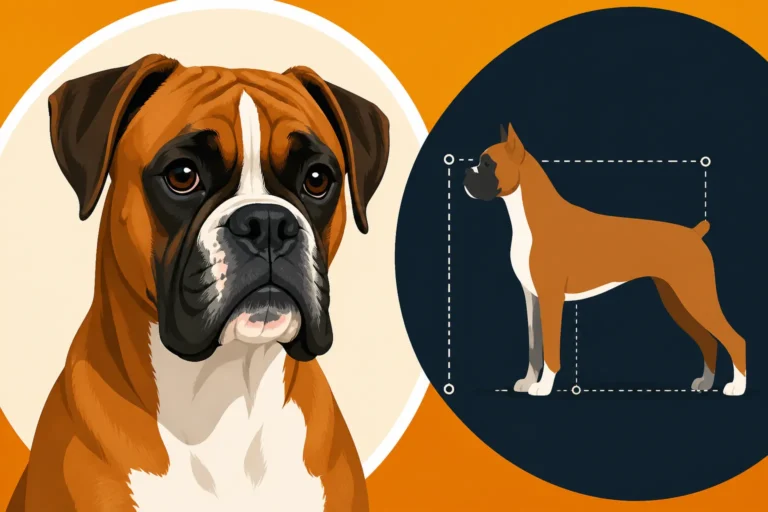
When you look at a classic image of a Boxer, chances are you're seeing a dog with upright, pointed ears and a short, stubby tail. This image is so ingrained in our minds that it's easy to assume this is how Boxers are naturally born. However, these distinctive features are the result of practices that stretch back centuries, rooted in the breed's original purpose and the shifting demands of human preference. Understanding this history is crucial to grasping why these procedures became, and for some, remain, such a significant part of the Boxer identity.
From Working Dog to Show Ring Aesthetics
Originally, the Boxer's ancestors, the Bullenbeissers, were formidable dogs used for hunting large game like wild boar and bear. Imagine a dog needing to hold onto a powerful animal; long, floppy ears and a lengthy tail would be severe liabilities in such situations. Ears could be torn, tails could be broken, leading to injury, infection, and potential loss of the dog. Therefore, cropping the ears and docking the tail were practical measures to protect these working animals from injury. It was about functionality and survival in a very demanding role. As the Boxer breed began to solidify and move from primarily working roles to more companion and show roles in the late 19th and early 20th centuries, these practices continued. They weren't just about protection anymore; they became part of the breed's distinctive look, codified in breed standards and celebrated in the show ring. The upright ears and short tail contributed to the "noble" and "alert" appearance that fanciers prized. Without them, some argued, the Boxer lost its characteristic expression and powerful silhouette.
Understanding the Boxer's Ancestors and Early Practices
The Boxer emerged from Germany in the late 1800s, a descendant of the German Bullenbeisser, a dog well-suited for its original purpose: bull-baiting and hunting. These ancestors were known for their strong jaws and tenacious grip, and a key part of their effectiveness in these dangerous tasks was their ability to avoid injury. A long, flagging tail could easily be caught or stepped on, causing pain and distracting the dog from its job. Similarly, ears, especially large, pendulous ones, were vulnerable targets in a fight with a wild animal or during confrontation with a bull. The early breeders, focused on developing a powerful and resilient working dog, adopted these practices as standard. They weren't just cosmetic choices; they were seen as essential modifications for the dog's safety and effectiveness in its role.
It's important to remember that veterinary medicine at the time was rudimentary compared to today. Procedures were often performed by owners or local "dog doctors" without anesthesia or sterile conditions we now take for granted. The rationale was simple: prevent debilitating injuries in the field. As the breed evolved and its working functions lessened, the visual markers established by these early working practices were retained and incorporated into the breed's aesthetic standard. The clean lines and alert expression of a cropped Boxer became synonymous with the breed itself. You can learn more about the breed's development in The German Origins of the Boxer and how its physical characteristics were defined in The Boxer the Breed Standard Describes.
What Exactly is Boxer Ear Cropping?
Ear cropping is a surgical procedure where a portion of the dog's external ear flap (pinna) is removed, and the remaining ear is then taped or "posted" to stand upright. It's a practice that evokes strong opinions, primarily because it's an elective surgery done solely for cosmetic reasons in most modern contexts. As an owner, understanding the procedure, the intense aftercare, and the different styles is crucial before even considering it. It's far more involved than simply getting a haircut; it's a commitment that lasts for months.
The Surgical Procedure Itself
The ear cropping surgery is typically performed on Boxer puppies when they are between 8 and 16 weeks old, though some veterinarians prefer an even younger age, around 7-12 weeks, as the cartilage is softer and easier to shape. It's a significant undertaking that requires general anesthesia, careful surgical technique, and a skilled veterinarian who has experience specifically with Boxer crops. During the procedure, the vet will meticulously measure and cut the ear leather according to the desired style, striving for symmetry and a natural-looking curve. The edges of the remaining ear are then sutured, and the puppy will usually wake up with a bandage on its head to protect the fresh wounds.
The surgery itself is only the first step. The pain management post-surgery is paramount. Your vet will prescribe pain medication to keep your puppy comfortable during the initial healing phase. It's critical to follow these instructions to the letter to ensure your puppy's recovery is as smooth and pain-free as possible. Any signs of excessive swelling, redness, discharge, or foul odor from the incision sites should be reported to your veterinarian immediately, as these could indicate infection. The puppy's activity will need to be limited, and they should be kept away from other dogs or anything that might disrupt the healing ears. This initial period is vital for proper healing before the real work of posting begins.
The Post-Operative Care and Taping Process
Once the surgical incisions have healed, usually within 10-14 days, the crucial phase of "posting" or "taping" begins. This is where the Boxer's ears are meticulously set in an upright position using tape, posts (often made of foam or light plastic), and sometimes glue. The goal is to encourage the ear cartilage to stand erect permanently. This process is not a one-time event; it's a commitment that can last anywhere from several weeks to many months, sometimes even over a year, depending on the individual puppy's ears, the quality of the crop, and the owner's diligence. Think of it like braces for ears, constantly working to reshape the cartilage.
The ears must be cleaned and re-taped frequently, usually every 5-7 days, or sooner if the tape gets wet, dirty, or falls off. This involves carefully removing the old tape, gently cleaning the ears (checking for any irritation, sores, or infections), allowing them to air out for a short period, and then re-taping them securely in the correct position. This can be a tedious and sometimes frustrating process, especially with a wiggly Boxer puppy! Many owners find themselves visiting their vet or an experienced breeder for assistance with posting, at least initially, to ensure it's done correctly. If the ears are not taped consistently or correctly, they may "break" and fall, requiring more extensive or longer taping periods. This stage truly tests an owner's patience and dedication, but it's essential for achieving the desired upright ear set. You can find essential supplies for this, from medical tape to gentle cleansers, at pet supply retailers like Chewy, making sure you have everything on hand for regular maintenance.
Different Styles of Boxer Ear Crops
While the ultimate goal is to achieve upright ears, there isn't just one "Boxer crop." Over time, different styles have evolved, each with slightly different aesthetics and requiring varying lengths of ear removal. The choice of style often comes down to personal preference, the local breed standard (if the dog is intended for show), and the veterinarian's skill and experience.
Here are a few common styles:
- Short Crop (Pet Crop): This is the shortest style, removing a significant portion of the ear. It results in a very alert, almost triangular ear. It's often chosen for pet Boxers where a dramatic, easy-to-stand look is desired. The shorter length generally means less posting time.
- Medium Crop: A slightly longer and more elegant crop than the short crop, it aims for a balance between length and the ability to stand readily. This is a very popular choice, striking a good middle ground.
- Long Crop (Show Crop): This is the most challenging crop to achieve and typically requires the longest and most consistent posting period. The aim is for a very long, graceful ear that complements the Boxer's head, often seen in show ring Boxers. The challenge lies in getting these longer ears to stand firmly without bending or drooping.
It's vital to discuss these options with your chosen veterinarian. They can guide you on what might suit your Boxer's head shape and what they are most skilled in performing. A poorly executed crop can lead to lifelong aesthetic issues and potential health problems if not healed correctly. This choice impacts the dog's appearance for its entire life, so making an informed decision is paramount.
The Practice of Boxer Tail Docking Explained
Just like ear cropping, tail docking in Boxers is a practice steeped in tradition, though it's typically performed much earlier in a puppy's life. Many people don't even realize that a Boxer's short tail is not natural, as it's so universally accepted in the breed's iconic look. However, understanding the procedure, its historical justifications, and what a natural Boxer tail actually looks like is crucial for any current or prospective Boxer owner.
The Tail Docking Procedure
Tail docking involves the removal of a portion of the puppy's tail. For Boxers, this is typically done when puppies are very young, usually between 2 to 5 days old. At this tender age, the procedure is often performed without general anesthesia by the breeder or a veterinarian. The rationale for doing it so early is that the nervous system is not fully developed, and the bones and cartilage are still very soft, making the procedure quicker and, theoretically, less painful than if performed on an older puppy or adult dog.
The procedure itself involves using surgical scissors or a scalpel to remove the tail at a specific vertebra. The skin is then often sutured or glued to close the wound. While quick, it is still a surgical procedure, and puppies will experience some discomfort. They are typically returned to their mother immediately after to nurse, as maternal comfort is believed to help with recovery. Post-procedure care involves monitoring the site for infection, swelling, or excessive bleeding. Responsible breeders ensure hygiene and observe the puppies closely for any adverse reactions. The goal is a short, sturdy tail that follows the line of the back.
Why Boxers Had Their Tails Docked
The historical reasons for docking a Boxer's tail mirror those for ear cropping: practicality and injury prevention in a working dog. Boxers and their ancestors were engaged in physically demanding tasks. A long, active tail could easily be:
- Injured during work: A tail could be bitten, crushed, or broken while hunting, bull-baiting, or even working alongside livestock. Such injuries are incredibly painful, difficult to heal, and prone to infection.
- Damaged in close quarters: In tightly packed kennels or during transport, tails could get caught in gates or doors.
- Prone to "happy tail" syndrome: While perhaps not a primary reason historically, Boxers are known for their enthusiastic tail wags. A long, powerful tail can easily hit hard surfaces, leading to recurrent injury and bleeding (known as "happy tail"), which is notoriously difficult to heal.
As the Boxer transitioned into a companion and show dog, the docked tail became an expected part of its appearance, much like cropped ears. The Boxer's Working History sheds more light on the roles that shaped these early practices. The short tail contributed to the breed's athletic, compact silhouette described in The Boxer the Breed Standard Describes. It projected an image of strength and readiness, rather than a flagging, vulnerable appendage.
The Natural Boxer Tail
Despite the prevalence of docked tails, Boxers are born with long, natural tails, just like most other dog breeds. These tails are typically strong, carried fairly high, and have a good amount of feathering, sometimes with a slight curve. When left intact, a Boxer's natural tail is a magnificent extension of its spine, used for balance, communication, and expressing a full range of emotions. Imagine the expressive wag of a full tail, conveying joy, excitement, or even nervousness with clear signals to other dogs and humans.
The appearance of a natural Boxer tail can vary, just as their fawn and brindle coats have variations. Some are straighter, some have a more pronounced curve, and the thickness can differ. They are usually well-furred and proportional to the dog's body. An undocked Boxer moves with a different balance and grace, using its tail as a counterbalance during agile movements and bursts of speed. For owners who choose to keep their Boxer's tail natural, they often find it adds a charming and unique element to their dog's personality and appearance, a conversation starter in many cases. You can explore How a Natural Boxer Tail Looks to get a better visual understanding.
The Evolving Debate: Ethics, Welfare, and Breed Standards
The topic of ear cropping and tail docking is one of the most contentious issues in the purebred dog world. What was once considered standard practice, even necessary, is now viewed through a much more critical lens, leading to passionate debates among breeders, veterinarians, animal welfare advocates, and the general public. It's a complex discussion that pits tradition and aesthetic against modern ethical considerations and scientific understanding of animal welfare.
Animal Welfare Concerns and Veterinary Stances
From an animal welfare perspective, the primary concern with both ear cropping and tail docking is that they are elective surgical procedures performed on otherwise healthy animals solely for cosmetic purposes. Critics argue that these procedures inflict pain and discomfort, carry inherent surgical risks (infection, anesthetic complications), and remove body parts that serve natural functions for the dog. The tail, for instance, is crucial for balance, agility, and particularly for canine communication. A dog uses its tail to signal mood, intent, and social status, and an undocked Boxer has a rich vocabulary of tail movements that a docked Boxer simply cannot express.
Many veterinary organizations worldwide have adopted official positions against elective cropping and docking. The American Veterinary Medical Association (AVMA), for example, opposes these procedures when done for cosmetic reasons, citing ethical concerns about animal pain and the lack of medical benefit. They advocate for natural ears and tails, preferring to preserve the natural anatomy and function of the dog. Similarly, veterinary bodies in Europe, Australia, and many other parts of the world have campaigned for and successfully achieved bans on these practices. The argument is that while these traditions might be old, our understanding of animal sentience and welfare has advanced, and practices that cause pain without therapeutic benefit should be discontinued. These stances reflect a growing societal awareness and concern for animal well-being. What the AVMA Says About Cropping a Boxer details their position further.
The Role of Breed Standards in Maintaining the Practice
Despite the growing opposition, ear cropping and tail docking persist, largely due to their deep integration into the breed standards of organizations like the American Kennel Club (AKC). For many years, the Boxer breed standard specifically described a dog with cropped ears and a docked tail, implicitly making these features desirable, if not mandatory, for competitive showing. Breeders who aim to produce dogs that excel in the conformation ring often feel compelled to continue these practices to meet the "ideal" described in the standard. The fear is that a natural-eared or natural-tailed Boxer might be penalized by judges, even if the standard technically allows for them without penalty.
This creates a significant dilemma for breeders. On one hand, they want to preserve the traditional Boxer look and maintain competitiveness in the show ring. On the other, they face increasing scrutiny and ethical questions. While some breed clubs have made changes to their standards to acknowledge natural ears and tails as acceptable, the aesthetic preference for cropped and docked Boxers often remains strong within the show community. This cultural inertia means that even without strict rules, the perceived necessity for these alterations continues. Whether a Boxer Must Be Cropped to Show is a common question among prospective owners entering the world of Boxers.
Changing Public Opinion and Global Regulations
Public opinion on ear cropping and tail docking has shifted dramatically over the past few decades, particularly in regions with strong animal welfare movements. What was once simply accepted is now often seen as cruel or unnecessary. Social media and greater awareness campaigns have played a significant role in this change, showcasing the natural beauty and expressiveness of undocked and uncropped dogs. Many pet owners now actively seek out Boxers with natural ears and tails, a clear indication that preferences are changing outside the show ring.
This shift in public sentiment has translated into legislative action in many countries. As we'll discuss in the next section, a growing number of nations have banned these cosmetic surgeries, making them illegal. This means that breeders and owners in those regions must comply with the law, leading to an increase in natural-eared and tailed Boxers. Even in countries where it's still legal, finding veterinarians willing to perform these procedures is becoming more challenging, as many vets opt out for ethical reasons. This global movement towards natural Boxers is gradually reshaping the breed's appearance and how it's perceived by the wider world.
Regulations and Legality Around the World
Navigating the legality of ear cropping and tail docking can feel like a minefield, as regulations vary wildly from country to country, and even within different regions of the same country. What's perfectly acceptable in one place might be a criminal offense in another. This patchwork of laws reflects the global divergence in ethical views on animal welfare and makes it crucial for Boxer owners and breeders to be fully informed about the specific rules that apply to them.
Countries Where Cropping and Docking Are Banned
Many countries, particularly in Europe, Australia, and New Zealand, have implemented strict bans on ear cropping and tail docking for non-medical reasons. These bans are often rooted in animal welfare legislation that deems such procedures as unnecessary mutilation. For example:
- Europe: Most European Union member states have banned both ear cropping and tail docking. Countries like the United Kingdom, Germany (the Boxer's country of origin!), France, Spain, and many others prohibit these practices. In some cases, dogs with cropped ears or docked tails imported from countries where it is legal may face restrictions on public display or participation in dog shows.
- Australia and New Zealand: Both countries have long-standing bans on cosmetic docking and cropping, viewing them as outdated practices.
- Other Regions: Several other nations in various parts of the world have followed suit, reflecting a global trend towards protecting animal integrity.
These bans mean that Boxers born in these countries will naturally have full ears and tails. Breeders operating in these regions have fully embraced the natural Boxer, often highlighting the breed's expressiveness and elegance with its natural appendages. It also means that if you were to move a Boxer from a country where these procedures are legal to one where they are banned, you might face specific regulations regarding import or public exhibition. Where Boxer Ear Cropping Is Restricted provides more details on this global landscape.
Current Status in the United States and Canada
The situation in North America is far less uniform and considerably more complex.
- United States: Ear cropping and tail docking are currently legal in most states in the U.S. There is no federal ban, and most state laws do not prohibit these practices. However, this doesn't mean there's universal acceptance. Some state veterinary medical associations have adopted positions against cosmetic cropping, and individual veterinarians may refuse to perform the procedures for ethical reasons. While it's largely legal, the decision rests with individual owners and the availability of willing veterinarians. The American Kennel Club (AKC) continues to allow cropped and docked Boxers to compete, and their breed standard still describes this appearance.
- Canada: In Canada, the legality is determined at the provincial level, and the trend has been towards bans. Several provinces, including Prince Edward Island, Nova Scotia, New Brunswick, Quebec, Manitoba, Saskatchewan, Alberta, and British Columbia, have banned both ear cropping and tail docking for cosmetic purposes. Ontario, the most populous province, also has a ban in place. This means that a significant portion of Canadian Boxers are now seen with natural ears and tails. Similar to Europe, showing a cropped or docked Boxer in a province where it's banned may come with restrictions.
The varied legal landscape means that prospective Boxer owners must research the specific laws and professional guidelines in their particular area before making any decisions about these procedures. This regional disparity can be confusing, but it's essential to comply with local regulations.
Finding a Veterinarian Willing to Perform the Procedures
Even where ear cropping and tail docking remain legal, finding a veterinarian willing and skilled to perform them is becoming increasingly difficult. Many vets, guided by modern ethical considerations and the stances of their professional associations, choose not to offer these services. They often feel that performing elective cosmetic surgery on a healthy animal is contrary to their oath to prevent suffering.
If you are set on having your Boxer's ears cropped, you will likely need to seek out a veterinarian who specializes in cosmetic surgery for show breeds or one who has a long-standing history of performing these procedures and is comfortable with the practice. These veterinarians often have a significant waiting list due to their specialized skills and the declining number of practitioners. It's crucial to choose a vet with extensive experience specifically with Boxer crops to ensure the best possible aesthetic outcome and to minimize risks to your puppy. Asking for references, seeing examples of their work, and having a thorough consultation about pain management and aftercare are all vital steps. Similarly, if you're seeking a breeder who docks tails, ensure they work with a vet or are highly experienced in the procedure themselves, prioritizing the puppy's health and comfort. Whether a Vet Will Refuse to Crop a Boxer highlights the moral quandary many veterinarians face.
Making an Informed Decision for Your Boxer
Deciding whether to crop your Boxer's ears or dock its tail is a deeply personal choice, often influenced by tradition, aesthetic preferences, and evolving ethical considerations. There's no single "right" answer, and what works for one family or dog might not be suitable for another. The most important thing is to make an informed decision, weighing all the factors involved, understanding the commitment, and prioritizing your dog's welfare.
Pros and Cons of Cropping and Docking for Pet Owners
Let's break down the perceived benefits and drawbacks from a pet owner's perspective.
Ear Cropping:
| Aspect | Pros | Cons |
|---|---|---|
| Appearance | Achieves the traditional, alert Boxer look; preferred by some for breed purity. | Can be perceived as unnatural or cruel by others; dog's expression might be altered, losing the soft look of natural ears. |
| Health | Some argue it reduces ear infections (less moisture/airflow) but evidence is largely anecdotal. | Involves surgery with anesthesia risks, pain, and potential for infection. The lengthy posting process can cause discomfort, skin irritation, or psychological stress for the puppy. |
| Practicality | Ears are less likely to get caught or injured (e.g., in brush, during rough play). | Requires significant time commitment for months of posting and aftercare. Incorrect posting can lead to permanent damage or ears that don't stand correctly. |
| Social | May be seen as desirable in some show circuits and by traditionalists. | Can lead to negative judgment or assumptions from the public who view it as cruel. May make the dog appear more intimidating. |
Tail Docking:
| Aspect | Pros | Cons |
|---|---|---|
| Appearance | Achieves the traditional, compact Boxer silhouette; preferred by some for breed purity. | Can be perceived as unnatural or cruel by others. |
| Health | Historically prevented injury in working dogs; reduces risk of "happy tail" syndrome in enthusiastically wagging Boxers. | Performed without general anesthesia at a very young age, causing pain. Removes an important appendage for balance and communication. Risks of infection at the dock site. |
| Practicality | A short tail is less likely to knock items over or get caught/injured in household settings or brush. | Removes a key tool for canine communication, potentially leading to misinterpretations by other dogs or people. |
| Social | Traditional and accepted in some circles. | Can be seen as cruel, especially in regions where it's banned. |
This table helps illustrate the complexities. While a cropped and docked Boxer is the image many hold, living with a natural-eared, natural-tailed Boxer is also a beautiful experience.
The Costs and Commitment Involved
It’s crucial not to underestimate the financial and time commitment involved in ear cropping and its aftercare.
- Cost of Surgery: The surgical procedure for ear cropping can vary widely depending on your location, the veterinarian's experience, and the desired crop style. It’s important to remember that this is a specialized surgery, and you should expect it to be a significant expense. This cost typically covers the surgery itself, anesthesia, pain medication, and initial bandaging.
- Aftercare Costs: Beyond the initial surgery, you'll incur costs for supplies needed for taping and posting the ears over many months. This includes medical tape, adhesive removers, cotton balls, antiseptic wipes, and potentially ear-setting posts. You may also pay for professional ear posting sessions with your vet or a knowledgeable breeder, which can add up. These aftercare costs are a substantial part of Aftercare Costs for a Cropped Boxer. For instance, regularly stocking up on hypoallergenic tape and cleaning solutions from retailers like Chewy will become a routine expense.
- Time Commitment: This is arguably the biggest commitment. Ear posting isn't a one-and-done deal. It requires diligent, consistent, and correct application of tapes and posts for weeks to months, often longer than you might initially anticipate. You'll need to learn the technique, dedicate time to changing the wraps, and monitor the ears closely for any signs of irritation or infection. For busy families, this can be a real strain on resources and patience.
Tail docking, on the other hand, is usually performed by the breeder when the puppies are just a few days old, and its cost is typically factored into the overall price of the puppy. The aftercare for tail docking is minimal compared to ear cropping, usually just requiring monitoring for infection.
Living with a Boxer with Natural Ears and Tail
Choosing to keep your Boxer's ears and tail natural is an increasingly popular and completely valid decision. Embracing the natural look means you avoid the surgery, the pain, the risks, and the lengthy aftercare associated with cropping and docking. Your Boxer will have long, soft ears that frame their expressive face beautifully and a full, powerful tail that wags with joyful abandon.
Many owners find that natural ears and tails add to the Boxer's charm and expressiveness. A Boxer's natural ears are soft and floppy, adding to their famously clownish and endearing demeanor. A full tail allows for a much broader range of communication with other dogs and people, enhancing their social interactions. While some might argue that natural ears are more prone to ear infections, proper hygiene and regular cleaning can mitigate this risk, just as with any floppy-eared breed. Similarly, while a powerful, undocked Boxer tail can certainly clear a coffee table with enthusiasm (a common Boxer trait!), learning to manage that "happy tail" with training and awareness is part of having any large, energetic dog. Boxers with natural ears and tails are just as much Boxers in spirit and personality—loyal, playful, and affectionate companions.
Practical Considerations for Owners of Cropped and Docked Boxers
Whether you've chosen to crop and dock your Boxer, or you've adopted one that already had these procedures, understanding the practical aspects of living with them is essential. While these practices aim to prevent certain types of injuries or create a particular aesthetic, they also come with their own set of care requirements and potential considerations that every owner should be aware of.
Ongoing Ear Care for Cropped Ears
Even after your Boxer's cropped ears stand perfectly, they still require ongoing care. Because the ear canal is more exposed compared to a natural, floppy ear, dirt, debris, and even moisture can more easily enter. This isn't to say cropped ears are necessarily more prone to infection, but they do demand attention.
- Regular Cleaning: You'll want to regularly check inside your Boxer's ears for any buildup of wax or dirt. Use a vet-approved ear cleaning solution and cotton balls or soft wipes. Never use cotton swabs deep inside the ear canal, as this can push debris further in or damage delicate structures. Just gently wipe the visible folds and outer canal.
- Moisture Management: If your Boxer loves to swim or gets wet during baths, it's particularly important to thoroughly dry the inside of their ears afterwards. Residual moisture can create a breeding ground for bacteria or yeast.
- Injury Prevention: While cropping aims to prevent injury, cropped ears, especially long show crops, can still be vulnerable. A sudden bump or rough play can cause trauma to the ear tips. Always be mindful during playdates or busy environments.
- Monitoring for Issues: Watch for any signs of redness, swelling, discharge, odor, or if your Boxer is scratching their ears excessively or shaking their head. These could all indicate an infection or other issue that requires veterinary attention.
Caring for cropped ears becomes second nature over time, much like any other routine grooming task for your Boxer. Consistent, gentle care will help keep them healthy and looking their best.
Potential Issues with Natural Tails
While a natural Boxer tail is a beautiful thing, it does come with its own unique set of considerations, largely due to the Boxer's enthusiastic personality and powerful physique.
- "Happy Tail" Syndrome: This is probably the most common concern for owners of undocked Boxers. A Boxer's wag is legendary for its power and speed. When that powerful tail repeatedly strikes hard surfaces (walls, furniture, kennel bars), it can lead to repeated trauma to the tip of the tail. This can result in open wounds that are difficult to heal, prone to re-injury, and sometimes require extensive bandaging or even partial amputation in severe, non-healing cases. Managing "happy tail" often involves padded wraps, protective cones, or simply being more mindful of the dog's surroundings, especially in confined spaces.
- Communication Misinterpretations: While a natural tail provides a full spectrum of communication, in some dog-dog interactions, a very high-set or constantly wagging tail might be misinterpreted by other breeds, especially if they are used to the subtle cues of other dogs. However, this is rarely a significant problem, and most dogs adapt just fine.
- Grooming: A natural Boxer tail requires no special grooming beyond regular brushing to keep the fur healthy and free of tangles. It's generally a low-maintenance appendage.
- Injury in the Wild: While less relevant for most modern pet Boxers, historically, long tails were more susceptible to injuries in rough terrain or during hunting activities. For a dog that spends a lot of time in dense brush, it's a factor to consider.
Despite these potential considerations, many Boxer owners find the benefits of a natural tail – its expressiveness, beauty, and role in balance – far outweigh these challenges. It truly makes them unique in a breed where docking is still widely prevalent. How a Judge Treats an Undocked Boxer Tail might be of interest if you are considering showing your natural-tailed Boxer.
Finding Supplies for Aftercare
If you do proceed with ear cropping, the aftercare supplies are crucial, and having them on hand will make the process much smoother. You'll need a steady supply of various items for the weeks or months of posting.
- Medical Tape: This is your primary tool. Look for hypoallergenic, breathable medical tape. The width can vary; many use a combination of wider tapes for stability and narrower ones for intricate shaping. Brands like Zonas, Leukoplast, or even general medical tape from a drugstore can work, but specialized tapes designed for posting are often recommended.
- Ear Posts: These provide the internal structure for the ear to stand around. Common materials include foam backer rod (available at hardware stores), pipe insulation, or even cut-up pieces of lightweight plastic. Some vets or breeders have pre-made posts.
- Adhesive Remover: Absolutely essential! This helps gently dissolve the adhesive on the tape, making removal less painful and preventing skin irritation. Never just rip the tape off your puppy’s delicate ears.
- Antiseptic Wipes/Solutions: To clean the ears thoroughly between tapings and monitor for any irritation or minor infections. Diluted chlorhexidine solution is often recommended by vets.
- Cotton Balls/Pads: For applying cleaners and drying the ears.
- Scissors: Small, blunt-tipped scissors are helpful for carefully cutting tape and removing old wraps without risking injury to the ear.
- Elizabethan Collar (E-collar): Your vet may recommend one for the initial healing period to prevent your puppy from scratching or damaging the surgical sites.
You can often find many of these items at large pet supply retailers like Chewy, which carries a range of health and grooming products. It's wise to buy in bulk once you know what works best for your Boxer, as you'll be going through a lot of it. Keeping a "cropping kit" organized and easily accessible will reduce stress during those frequent re-taping sessions. Remember, consistency and cleanliness are key to successful ear posting.
Disclaimer
This article is for general informational purposes only and does not constitute professional advice. Laws, prices and regulations vary by location and change over time. Consult a qualified professional for guidance on your specific situation.