Why Boxer Ancestors Needed a Wide Grip
When you look at a Boxer today, with their expressive faces, wiggly bodies, and gentle, often goofy demeanor, it can be hard to imagine them as fearsome hunters. Yet, every physical trait, from their short muzzle to their distinctive undershot jaw, tells a story of a robust past where their ancestors needed a very specific tool: a wide, unwavering grip. This guide will take a deep dive into the fascinating history and physical adaptations that made this powerful grip essential for the Boxer's forebears.
The Powerful History Behind the Boxer's Jaw
To truly understand why the Boxer's ancestors needed such a formidable grip, we have to travel back in time to their roots as working dogs in Germany. These weren't just farm dogs or guardians; they were specialized hunters, tasked with a dangerous and critical role.
Tracing Back to the Bullenbeisser
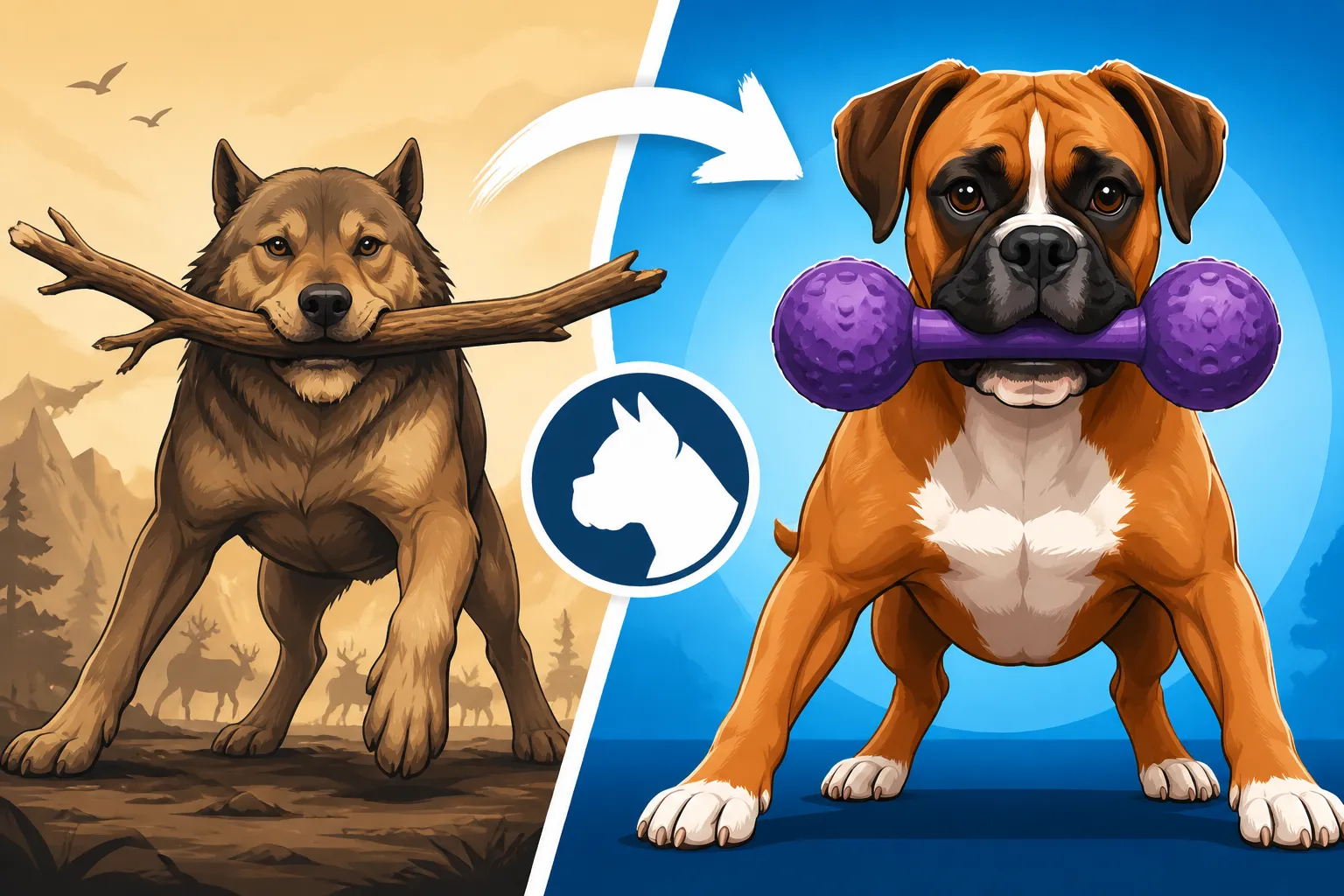
The Boxer's lineage is directly tied to a now-extinct European breed known as the Bullenbeisser, which literally translates to "bull biter." These dogs were formidable creatures, bred specifically to hunt large, powerful, and often dangerous game like wild boar, deer, and even bear. Imagine the dense forests and rugged terrain where these hunts took place, and the sheer strength and ferocity of the animals they pursued.
The Bullenbeisser's job wasn't to kill the animal outright. Instead, they were essential in tracking down the prey and, crucially, holding it in place until the hunter could arrive to deliver the killing blow. This required immense courage, unwavering focus, and a physical build capable of withstanding the struggles of a powerful, thrashing animal. A weak grip, or one that tired easily, would not only mean the escape of the prey but also potentially serious injury or death for the dog. Understanding What the Boxer's Bullenbeisser Ancestor Hunted gives a clearer picture of the demands placed on these dogs.
The Function of a Wide, Strong Grip
Now, think about the mechanics of holding a struggling wild boar weighing hundreds of pounds. A typical dog's bite, designed for tearing and shearing, would risk lacerating the prey, allowing it to bleed out and escape, or worse, making it more aggressive and dangerous to the hunter. The Bullenbeisser needed a different kind of bite.
Their wide, powerful grip served to hold securely without causing excessive damage to the game, keeping it immobilized but still intact for the hunter. This wasn't about a quick snap and release; it was about sustained, unyielding pressure. The unique structure of their jaw allowed them to clamp down and maintain that hold for extended periods, even as the prey fought vigorously. This sustained hold was paramount. It wasn't just about strength, but also about the intelligent application of that strength, a testament to centuries of selective breeding.
Anatomy of the Boxer's Ancestral Grip
The distinctive features we see in the modern Boxer's head and jaw are not just aesthetic quirks; they are direct evolutionary adaptations from their Bullenbeisser ancestors, perfected for that critical wide grip.
The Undershot Jaw and Brachycephalic Head
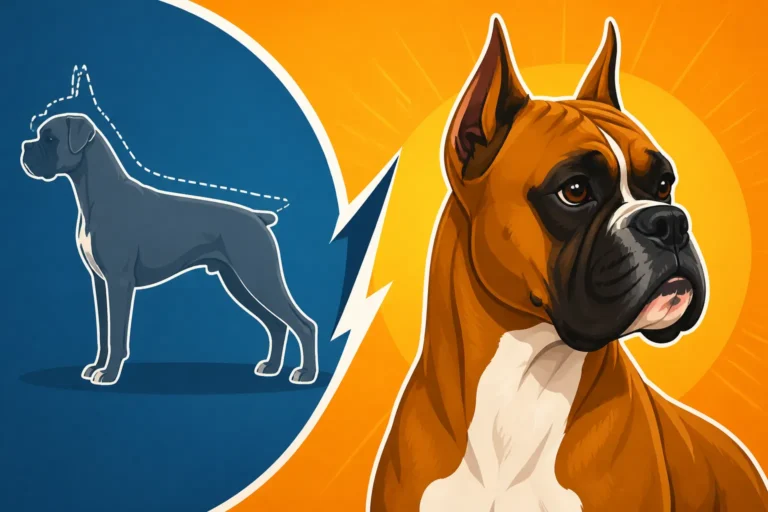
One of the most defining characteristics of the Boxer's face is its brachycephalic, or "short-nosed," structure, coupled with that famous undershot jaw. In an undershot jaw, the lower jaw extends beyond the upper jaw, so the lower teeth protrude forward and overlap the upper teeth when the mouth is closed. While today we appreciate this for the Boxer's charming expression, it was once a highly functional trait.
This specific bite configuration, often described as a "reverse scissor bite," was ideal for gripping. When a Bullenbeisser clamped onto its prey, the undershot jaw allowed it to maintain a tenacious hold even if the animal struggled and pulled. The way the lower teeth met behind the upper teeth created a vice-like mechanism, preventing the dog from losing its grip. Furthermore, the short muzzle meant that the dog could breathe relatively unhindered while holding onto prey. A long-muzzled dog, gripping firmly, might find its breathing constricted, leading to exhaustion or even suffocation. This combination ensured both maximum holding power and the ability to sustain that hold. It's fascinating how much thought went into Why the Boxer Was Given a Turned-Up Muzzle. If you've ever wondered What an Undershot Boxer Bite Means, this historical context explains its original purpose.
Broader Muzzle and Strong Jaw Muscles
Beyond the undershot bite, the overall structure of the Boxer's ancestral head contributed to its superior grip. Their muzzles were broad, providing a substantial surface area for clamping down. This wasn't a dainty, pointed muzzle; it was robust and powerful.
The muscle structure supporting this jaw was equally impressive. The masseter muscles, which are responsible for closing the jaw, were highly developed and exceptionally strong. These muscles, visible in the prominent cheeks of a Boxer, provided the immense clamping force needed to subdue large animals. The combination of a wide muzzle, a specialized undershot jaw, and powerful musculature created a natural tool perfectly engineered for its purpose. These physical traits, even in our modern companion Boxers, are still reflected in The Boxer Head the Standard Describes and are a constant reminder of their formidable heritage.
From Hunter to Companion: How the Grip Evolved
While the Boxer's ancestors were defined by their role as gripping hunters, the breed itself underwent a significant transformation, moving from the hunting fields to the family hearth. This shift changed the priorities of breeding, but many of the physical traits, including the powerful jaw, remained.
Selective Breeding for Temperament Over Toughness
As society evolved, the need for large game hunters diminished. The Boxer's journey from Bullenbeisser descendent to beloved family pet involved deliberate selective breeding. Early breeders began to prioritize a more docile, loyal, and friendly temperament, refining the aggressive edge needed for hunting into the playful and protective nature we know today. The focus shifted from sheer toughness and gripping ability to intelligence, trainability, and compatibility with human families. This is a crucial part of The German Origins of the Boxer story.
Despite this shift in purpose, many of the physical traits, including the distinctive jaw, were retained. They became part of the breed's recognizable appearance. While a modern Boxer certainly doesn't need to hold a wild boar, their strong jaws are still a testament to their past. You might notice your Boxer using this powerful jaw to carry multiple toys at once or to carefully hold a delicate item without crushing it. The innate strength is there, but the application is entirely different.
The Modern Boxer's Gentle "Grip"
Today, the Boxer's powerful jaws are typically used for much gentler purposes. They excel at carrying toys, often presenting them with an endearing wiggle. Many Boxer owners will tell you stories of their dogs "mouthing" them gently during play, a subtle echo of their ancestors' gripping technique, but without any intent to harm. This behavior is often part of Boxer Mouthing From Puppy to Adult development.
However, that underlying strength is still very much present. A bored Boxer, for instance, can quickly turn those powerful jaws to inappropriate chewing, demolishing furniture or toys that aren't designed to withstand a serious chomp. This is why providing durable toys and proper outlets for their energy is so important. Brands like Chewy offer a fantastic selection of robust chew toys designed to stand up to a Boxer's formidable bite, redirecting that ancestral gripping instinct into acceptable play. When a Boxer wrecks things when under-exercised, those strong jaws are often the culprits. Chews That Redirect a Mouthy Boxer can be lifesavers for your home furnishings.
The Boxer's "boxing" behavior, where they use their front paws playfully, is another endearing trait. While not directly linked to their jaw, it’s part of their unique physical expression that ties back to their robust build and history of engagement. The overall Boxer Temperament in the Standard and in Life reflects a dog that is intelligent, strong, and highly interactive, traits that have been refined from their working past.
Here's a quick comparison of how the ancestral needs shaped the modern Boxer's characteristics:
| Feature | Ancestral Purpose (Bullenbeisser) | Modern Boxer Manifestation |
|---|---|---|
| Undershot Jaw | Secure, unyielding grip on large prey | Distinctive facial expression, powerful bite for toys |
| Brachycephalic Head | Ability to breathe while gripping prey | Prone to overheating, sensitive to extreme temperatures |
| Broad Muzzle | Maximum surface area for gripping | Strong jaws for chewing, carrying multiple items |
| Powerful Jaw Muscles | Sustained clamping force to immobilize game | Ability to destroy flimsy toys, needs robust chews |
| Courage & Tenacity | Facing dangerous wild animals | Loyalty, protective instincts, sometimes stubbornness |
| Physical Strength | Withstanding struggles of prey, covering ground | Energetic, athletic, requires ample exercise |
Even though your Boxer is more likely to be found curled up on the sofa or trying to "box" you with their paws, the ghost of their hunting past lives on in their unique anatomy. It’s a powerful reminder of the incredible history etched into every aspect of this magnificent breed.
Disclaimer
This article is for general informational purposes only and does not constitute professional advice. Laws, prices and regulations vary by location and change over time. Consult a qualified professional for guidance on your specific situation.