Whether a Boxer With ARVC Should Be Bred
Finding out your beloved Boxer has Arrhythmogenic Right Ventricular Cardiomyopathy (ARVC) is a truly gut-wrenching experience, and for breeders, it brings up an even more complex and agonizing question: can a Boxer diagnosed with ARVC, or even a carrier, still be responsibly bred? This isn't just a simple yes or no answer; it delves deep into genetics, ethics, and the future health of an entire breed we all cherish so much. This guide will walk you through the realities of ARVC and the crucial considerations for breeding.
The Heartbreaking Reality of ARVC in Boxers
When we talk about ARVC, or "Boxer Cardiomyopathy" as it's often called, we're discussing a condition that casts a long shadow over the breed. It's a progressive, inherited heart disease that, in its most severe forms, can lead to sudden death, often without much warning. As Boxer owners and enthusiasts, this is a topic that hits close to home for many of us, as it affects a significant portion of the breed. It's truly heartbreaking to watch a vibrant, energetic Boxer suddenly collapse or struggle with their breathing due to heart issues.
What Exactly is ARVC?
At its core, Arrhythmogenic Right Ventricular Cardiomyopathy is a disease of the heart muscle. Specifically, it involves the right ventricle, one of the heart's four chambers responsible for pumping blood to the lungs. In Boxers with ARVC, the normal heart muscle tissue in this ventricle is gradually replaced by fatty and fibrous tissue. Imagine a strong, elastic rubber band slowly turning into a brittle, less effective piece of string – that's a bit like what happens to the heart muscle. This replacement of healthy tissue disrupts the heart's electrical signals, leading to dangerous arrhythmias, which are abnormal heart rhythms. These arrhythmias are what cause the clinical signs we see, like fainting or sudden death.
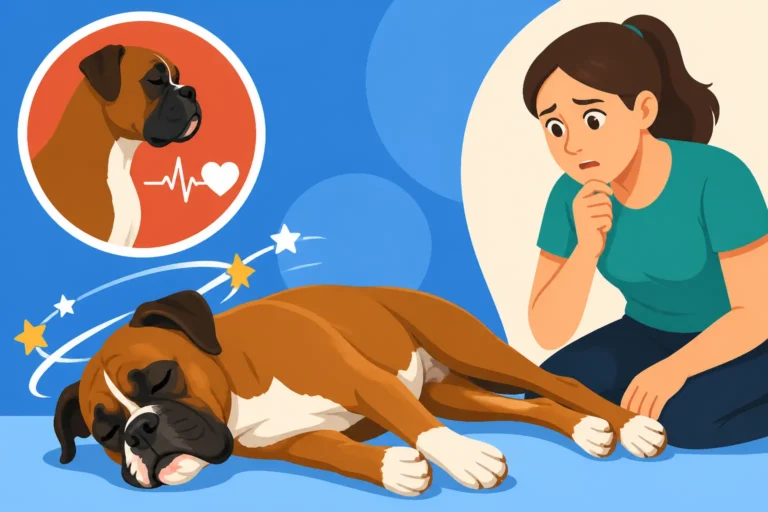
The frustrating part is that ARVC can manifest in several ways. Some Boxers might have no outward symptoms, yet their heart is silently undergoing these destructive changes. Others might experience sporadic fainting spells, often called syncopal episodes, especially during or after exercise or excitement. Then there are those who, tragically, experience sudden cardiac arrest as the first and only symptom. It’s a silent killer that lurks within the breed, making early detection and prevention incredibly challenging for even the most vigilant owners. For a deeper dive into the mechanics, read our article on What Boxer ARVC Actually Does to the Heart.
How ARVC Impacts a Boxer's Life
The impact of ARVC on a Boxer’s life can range from minimal to devastating. A Boxer might live for years with mild arrhythmias, perhaps just a few extra heartbeats (PVCs) detected on a Holter monitor, and never show any clinical signs. We all hope for this scenario, of course. However, for others, the disease progresses more rapidly, leading to frequent episodes of weakness, lethargy, or even full collapse. These episodes are terrifying for owners, leaving them constantly on edge, wondering if today will be the day their beloved companion's heart gives out. Managing a Boxer with significant ARVC often involves daily medications, specialized diets, and strict limitations on exercise and excitement to minimize the risk of a fatal event.
Consider a family who has a young, otherwise healthy Boxer named Buster. He’s the life of the party, always zooming around the yard and playing with the kids. Then, one day, after a particularly spirited game of fetch, Buster collapses. He recovers quickly, but the scare leads them to the vet, where a Holter monitor reveals a high number of PVCs, leading to an ARVC diagnosis. Suddenly, Buster's life, and his family's, is turned upside down. They have to monitor his activity, administer medications, and live with the constant worry. This scenario highlights the immense emotional and financial toll ARVC can take, and it underscores why responsible breeding is so critical. The costs associated with managing a Boxer with ARVC can be substantial, making it important to consider pet insurance from providers like Healthy Paws.
Understanding the Genetics Behind Boxer ARVC
The genetic component of ARVC is what makes breeding decisions so fraught. We know it's an inherited condition, which means it’s passed down from parent dogs to their offspring. This knowledge is both a blessing and a curse. A blessing because it gives us a tool for prevention, but a curse because the inheritance pattern isn't always straightforward, making it difficult to completely eradicate from the gene pool.
The Striatin Gene and Its Role
For years, ARVC was a mystery, a ticking time bomb within the breed. Then, groundbreaking research identified a specific genetic mutation in the striatin gene (sometimes referred to as SDDS striatin mutation) that is associated with ARVC in Boxers. This discovery was a huge leap forward, giving breeders a tangible tool to screen their dogs. There are now commercially available genetic tests, like the one for the striatin gene, that can tell you if a Boxer carries one or two copies of the mutation, or if they are clear.
A Boxer can have three possible genetic statuses regarding this specific striatin mutation:
- Clear (N/N): The dog does not carry the mutation and theoretically cannot pass it on to offspring.
- Carrier (N/ARVC): The dog carries one copy of the mutation. They may or may not develop ARVC themselves, but they can pass the mutation to approximately 50% of their offspring.
- Affected (ARVC/ARVC): The dog carries two copies of the mutation. They are at a significantly higher risk of developing ARVC and will pass one copy of the mutation to all of their offspring.
Knowing this genetic status helps breeders make more informed choices. For instance, if you have a dog that’s a carrier, you might choose to breed them only with a dog that is clear (N/N) to reduce the risk of producing affected puppies. However, it's crucial to remember that this is just one piece of the puzzle. You can learn more about this test by checking out our post on The Striatin Gene Test for Boxers.
The Limitations of Genetic Testing
While the striatin gene test is an invaluable tool, it's not a silver bullet. This is a critical point that sometimes gets overlooked, leading to a false sense of security. The sad reality is that the identified striatin mutation accounts for some cases of ARVC, but not all of them. There are other genes, or combinations of genes, that are believed to contribute to ARVC in Boxers that we haven't yet identified. This means a Boxer can test "clear" for the known striatin mutation but still go on to develop ARVC. This scenario is incredibly frustrating for breeders and owners alike, as it can feel like you’ve done everything right, only to be hit with a diagnosis anyway.
Think about a Boxer named Bella who tests N/N for the striatin gene. Her breeder was meticulous, ensuring both parents were clear. Yet, at age five, Bella starts having syncopal episodes and is diagnosed with ARVC after a full cardiac workup, including a Holter monitor. This happens, and it's a stark reminder that genetics are complex. Therefore, relying solely on genetic testing without comprehensive cardiac screening, such as annual Holter monitoring, is a risky gamble. As we discuss in A Boxer That Tests Clear but Still Has ARVC, the disease is multifaceted.
To truly understand the full picture of a Boxer's heart health, breeders must combine genetic testing with regular veterinary cardiac evaluations. This includes listening to the heart, performing electrocardiograms (ECGs), and, most importantly for Boxers, conducting 24-hour Holter monitoring. This comprehensive approach gives the best possible chance of identifying Boxers at risk, even those who don't carry the known genetic marker.
The Ethical Tightrope: Breeding Decisions and ARVC
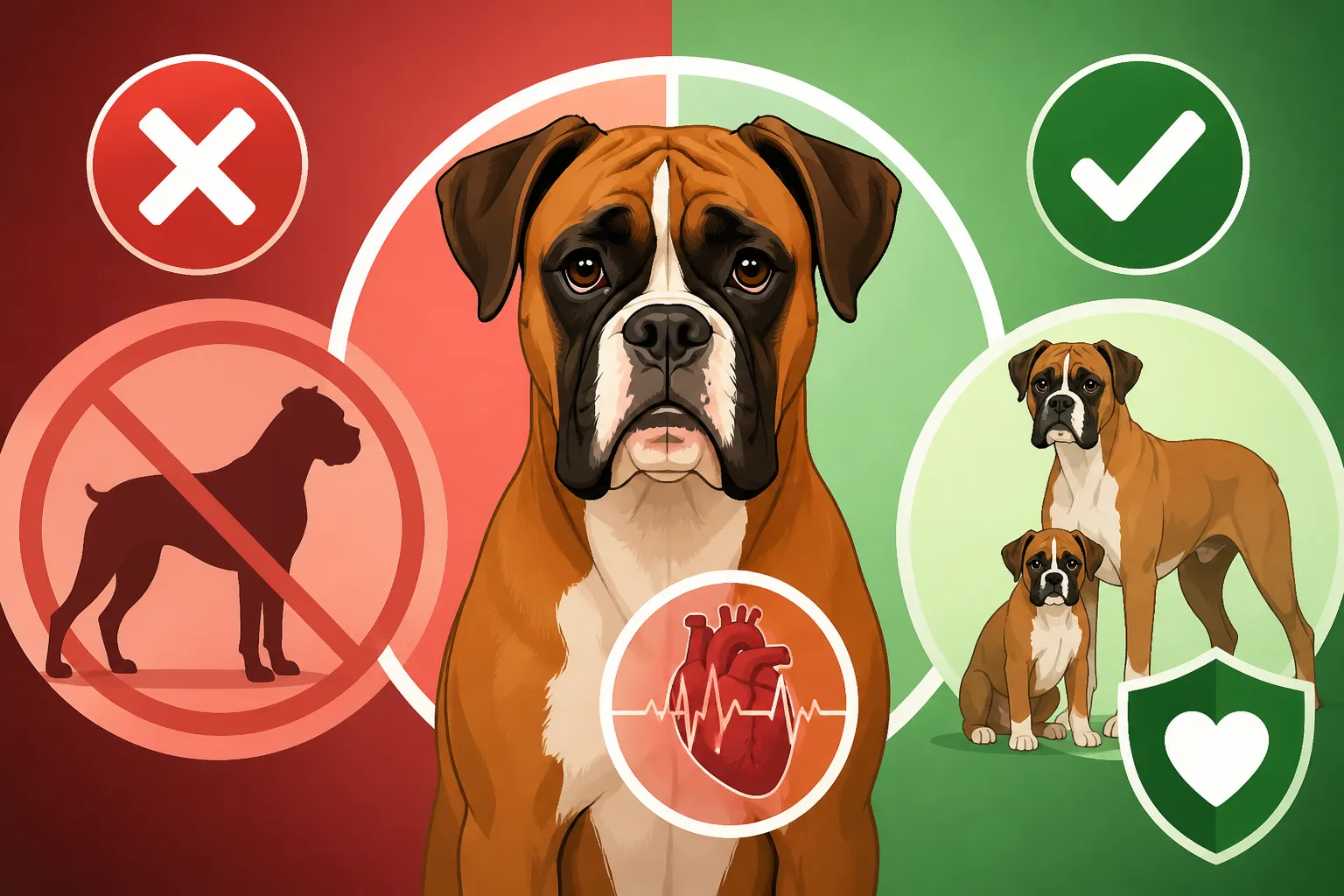
This brings us to the core ethical question: should a Boxer with ARVC be bred? The short answer, from the perspective of responsible breeding aimed at improving the health of the breed, is generally no. Breeding a Boxer that has been diagnosed with ARVC, even if it's mild or only detected on a Holter, or even a known carrier, introduces too many variables and risks for future generations.
The Risks of Breeding an Affected Boxer
Breeding a Boxer that has already been diagnosed with ARVC, meaning they are clinically affected or show significant arrhythmias on a Holter monitor, carries substantial risks. First and foremost, you are knowingly perpetuating a potentially fatal genetic disease. If an affected Boxer is bred, every single one of their puppies will inherit at least one copy of the ARVC gene if the disease is due to the known striatin mutation, or potentially develop ARVC through other unknown genetic pathways. This means you are virtually guaranteeing that future generations will face the same heartbreak and health challenges as the parent dog.
Imagine the litter produced by an affected Boxer. Each puppy, no matter how cute and healthy they appear at eight weeks, carries this genetic burden. Their new families will unknowingly take on the risk of expensive diagnostic tests, lifelong medications, and the profound emotional distress that comes with managing a heart condition. This isn't fair to the dogs, nor is it fair to the unsuspecting owners who fall in love with these puppies. Pet insurance companies like Healthy Paws may consider ARVC a pre-existing condition if diagnosed before policy inception, which would not cover treatment costs for affected puppies.
The Impact on Future Generations and the Breed
The decision to breed an ARVC-affected Boxer doesn't just impact one litter; it has ripple effects throughout the entire breed. Each affected dog that is bred contributes to a higher prevalence of ARVC in the Boxer gene pool. It's like adding more tainted water to a well that's already struggling with purity. Over time, this makes it harder and harder for breeders to find healthy, clear lines, and the overall health and lifespan of the breed suffers. We already know that Boxers face particular health challenges, as detailed in Boxer Lifespan and the Years That Decide It.
Responsible breeding is about making choices that improve the breed for the long term, not just producing puppies for immediate gain. This means actively working to reduce the incidence of debilitating inherited diseases. Breeding dogs known to be affected by ARVC goes against this fundamental principle and undermines the efforts of those dedicated to safeguarding the Boxer's future. It's a tough pill to swallow when you have a beautiful, temperamentally sound Boxer with ARVC, but preserving the breed's health must always come first.
What Responsible Breeders Do
Responsible breeders prioritize the health and longevity of their Boxers above all else. This means making incredibly difficult decisions, sometimes choosing not to breed a beloved dog if they are diagnosed with a serious genetic condition like ARVC, even if that dog has many other wonderful qualities.
A truly responsible Boxer breeder will:
- Perform regular cardiac screenings: This includes annual 24-hour Holter monitoring for all breeding stock, starting at age three, and sometimes even earlier for high-risk lines. Learn why in Why a Boxer Holter Starts at Three Years.
- Utilize genetic testing: They will test all breeding dogs for the known striatin gene mutation, understanding its limitations.
- Make informed pairing decisions: If a carrier is to be bred (which some ethical breeders do, under strict conditions), it must be paired only with a genetically clear (N/N) mate. This ensures no puppies are born "affected" (ARVC/ARVC).
- Be transparent: They will openly share health testing results with prospective puppy buyers, explaining the risks and what they are doing to mitigate them.
- Remove affected dogs from breeding programs: Any Boxer diagnosed with clinical ARVC, or showing significant arrhythmias on a Holter, should be immediately removed from a breeding program.
This table summarizes responsible breeding considerations for ARVC:
| Boxer's ARVC Status (Genetic Test) | Holter Monitor Results | Breeding Recommendation | Rationale |
|---|---|---|---|
| Clear (N/N) | No/Low PVCs | Ideal Pairing | Lowest risk of passing on known mutation or developing clinically significant ARVC. Still requires ongoing Holter screening. |
| Clear (N/N) | High PVCs | Do NOT Breed | Dog is developing ARVC from an unknown genetic cause; will likely pass it on regardless of striatin status. |
| Carrier (N/ARVC) | No/Low PVCs | Breed only with N/N | Reduces risk of producing affected (ARVC/ARVC) puppies. Requires careful monitoring of offspring. |
| Carrier (N/ARVC) | High PVCs | Do NOT Breed | Dog is developing clinical ARVC and will pass on the mutation. |
| Affected (ARVC/ARVC) | Any PVCs | Do NOT Breed | High risk of developing severe ARVC and will pass on a copy of the mutation to all offspring. |
| Diagnosed with Clinical ARVC | (Irrelevant) | Do NOT Breed | Regardless of genetic test status, the dog has the disease and should not be bred. |
Note: "High PVCs" on a Holter monitor generally refers to hundreds or thousands of ventricular premature contractions in a 24-hour period, especially if accompanied by complex arrhythmias like ventricular tachycardia. The exact threshold can vary based on veterinary cardiology recommendations.
Navigating Responsible Breeding Practices
The decision to breed a Boxer is a serious one, carrying a heavy responsibility to protect and improve the breed's health. When it comes to ARVC, there are clear steps responsible breeders must take, and these steps extend beyond just a simple genetic test.
Comprehensive Cardiac Screening Protocols
As we've touched upon, the Holter monitor is your best friend when screening for ARVC. It’s a non-invasive, wearable device that records a Boxer’s heart activity for 24 hours while they go about their normal routine. This is crucial because ARVC arrhythmias often come and go, and might not be present during a brief vet visit or even a standard ECG. A Holter monitor provides a detailed snapshot of the heart's electrical activity, allowing cardiologists to count the number of premature ventricular contractions (PVCs) and identify dangerous rhythms.
Most reputable Boxer clubs and veterinary cardiologists recommend annual Holter monitoring for all breeding Boxers, typically starting at three years of age and continuing throughout their breeding career. This ongoing screening helps to catch the disease early, even in dogs that initially tested clear for the striatin mutation. A Boxer might have low or no PVCs at age three, but develop more significant arrhythmias by age five or six. Regular Holters, as outlined in Counting PVCs on a Boxer's Holter Result, provide the necessary vigilance.
Beyond the Holter, a thorough cardiac exam by a board-certified veterinary cardiologist is also highly recommended. This might include an echocardiogram (an ultrasound of the heart) to assess the heart's structure and function. While an echo isn't as good as a Holter for detecting arrhythmias, it can sometimes reveal subtle changes in the heart muscle associated with ARVC or other heart conditions like subaortic stenosis, which can also affect Boxers.
Making Informed Decisions for the Breed's Future
Ultimately, whether a Boxer with ARVC should be bred comes down to the integrity and foresight of the breeder. The goal should always be to produce puppies that are healthier than their parents, reducing the burden of genetic disease over generations. This often means making tough calls, such as choosing to remove a otherwise lovely Boxer from a breeding program if they develop ARVC or are a high-risk carrier.
For a Boxer that is a known carrier (N/ARVC) for the striatin mutation but has consistently clear Holter results and no clinical signs of ARVC, some breeders may consider breeding them, but only under very strict conditions:
- They must be bred to a mate who is completely clear (N/N) of the striatin mutation.
- All puppies from such a pairing should be genetically tested for the striatin mutation.
- Puppies who inherit the carrier status should be tracked, and their owners should be fully educated on the importance of future Holter screening and responsible breeding choices.
- This approach is typically reserved for carriers with exceptional qualities that would otherwise greatly benefit the breed (e.g., outstanding temperament, conformation, working ability), and even then, it's approached with extreme caution.
However, a Boxer diagnosed with clinical ARVC, meaning they have symptoms, or show a high burden of PVCs on a Holter monitor, should never be bred, regardless of their genetic test results. The risk of passing on a devastating heart condition is simply too high, and the ethical responsibility to the breed and future owners dictates that these dogs should be loved as cherished companions, not used for breeding. Owners of such Boxers can find solace and support in managing the condition, including understanding medication options discussed in Medication for a Boxer With an Arrhythmia.
The future of the Boxer breed depends on the dedication of breeders to ethical practices and transparent health screening. By understanding the complexities of ARVC and consistently prioritizing health, we can work together to ensure Boxers remain the joyful, devoted companions we know and love for generations to come.
Disclaimer
The information provided in this article is for educational purposes only and should not be considered a substitute for professional veterinary advice. Always consult with a qualified veterinarian or a board-certified veterinary cardiologist regarding any health concerns or breeding decisions for your Boxer.