What the Boxer Striatin Test Cannot Tell You
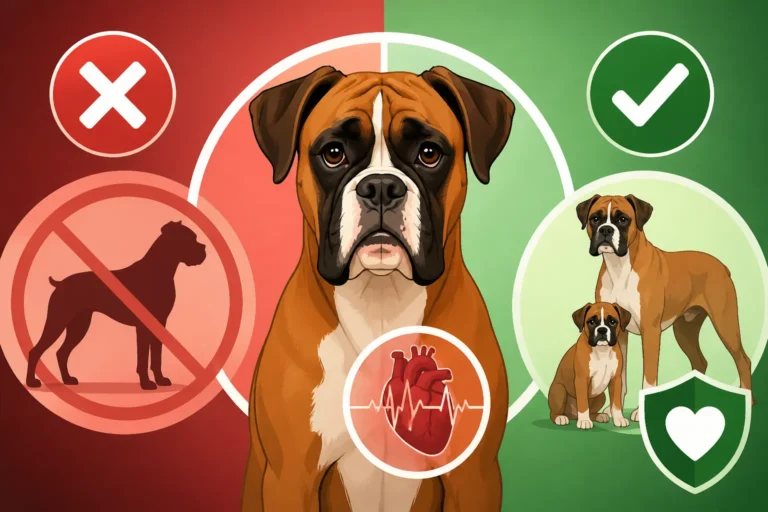
It’s a natural thing to want to know everything you possibly can about your beloved Boxer’s health, especially when facing concerns like Arrhythmogenic Right Ventricular Cardiomyopathy (ARVC). Many of us grasp onto genetic tests, like the Striatin test, hoping for a definitive "all clear" or at least a clear roadmap. But the truth is, while incredibly valuable in some respects, the Striatin test isn't a crystal ball, and understanding what it can't tell you is just as important as knowing what it can.
Understanding the Striatin Gene and Boxer ARVC
For many Boxer owners, the specter of heart disease looms large. It’s one of those silent threats that can strike without much warning, leaving us reeling. ARVC, or Boxer Cardiomyopathy, is particularly notorious in our beloved breed. It’s a progressive genetic condition that impacts the heart, and understandably, we want to do everything in our power to understand and manage it.
The Genetic Basis of Boxer ARVC
Let's break down what ARVC actually is. Imagine the right side of your Boxer's heart, specifically the ventricle. In a healthy dog, this is strong, muscular tissue. With ARVC, this muscle begins to degenerate and is slowly replaced by fatty or fibrous tissue. This change in the heart's structure disrupts the electrical signals that tell the heart when to beat, leading to arrhythmias – irregular heartbeats. These arrhythmias can manifest as anything from a skipped beat to life-threatening episodes of rapid, disorganized heart rhythms.
The Striatin (STRN) gene mutation is one specific genetic link researchers have identified in Boxers with ARVC. This particular mutation is often referred to as ARVC Type I. It's a genetic trait, meaning it can be passed down from parents to their puppies. The mode of inheritance is autosomal dominant, but here’s where it gets tricky: it has incomplete penetrance. This means that a dog can inherit the gene mutation but may not necessarily develop clinical signs of the disease, or may only develop very mild signs later in life. This incomplete penetrance is a significant part of why ARVC is so challenging to predict and manage. Early identification of this mutation, thanks to dedicated research, was a huge step forward in trying to get a handle on this devastating disease in the Boxer population. To truly understand the disease itself, it helps to delve into What Boxer ARVC Actually Does to the Heart.
What the Striatin Test Does Confirm
So, what does the Striatin test actually tell us? It's a straightforward genetic test that analyzes a sample (usually a cheek swab or blood) to determine the presence or absence of that specific Striatin gene mutation.
You'll typically receive one of three possible results:
- N/N (Normal/Clear): This means your Boxer does not carry the specific Striatin gene mutation tested for. On the surface, this sounds like fantastic news, and it is a good sign! It tells you that your dog isn't at risk for ARVC due to this particular genetic fault.
- N/ARVC (Carrier): This indicates your Boxer has one copy of the Striatin gene mutation. Carriers typically do not show symptoms of ARVC themselves, but they can pass the mutation on to their offspring. This result is crucial for breeders aiming to reduce the prevalence of the gene in their lines.
- ARVC/ARVC (Affected/At-Risk): This means your Boxer has two copies of the Striatin gene mutation. Dogs with this result have a significantly higher risk of developing ARVC. However, and this is a critical point, it's not a 100% guarantee that they will develop the disease, nor does it predict the age of onset or severity of symptoms.
Ultimately, the Striatin test is a valuable tool, particularly for responsible breeders, allowing them to make informed decisions about pairings to avoid producing puppies that are ARVC/ARVC. It confirms the genetic status for this specific mutation, offering one piece of the larger puzzle of Boxer heart health. Understanding The Striatin Gene Test for Boxers is often the first step for many new Boxer owners concerned about their dog's heart.
The Critical Gaps in the Striatin Test's Information
This is where the rubber meets the road for many Boxer owners who have diligently tested their dogs. You get a "clear" result, you breathe a sigh of relief, and then years later, you find yourself at the cardiologist's office, hearing words you never expected. The Striatin test, despite its utility, leaves significant questions unanswered, and these gaps are vital for every Boxer owner to understand.
Not All ARVC Cases Are Linked to Striatin
This is perhaps the most crucial takeaway for any Boxer owner relying solely on the Striatin test. While the Striatin gene mutation (ARVC Type I) is a well-researched and common cause of ARVC in Boxers, it is not the only one. ARVC is a genetically heterogeneous disease, meaning it can be caused by different genetic mutations or combinations of mutations. Researchers are still working to identify all the genes involved.
What does this mean in a practical sense? It means your Boxer can test "clear" (N/N) for the Striatin mutation, giving you a wonderful sense of security, but still develop ARVC due to other unidentified genetic factors. Imagine the heartbreak of an owner who invested in a puppy from thoroughly Striatin-tested parents, only for that dog to suffer a sudden collapse or develop significant heart issues by mid-life. That feeling of betrayal by the test, a test they thought offered protection, is devastating. This very real possibility highlights why A Boxer That Tests Clear but Still Has ARVC is a topic that causes so much concern in the Boxer community. The clear test simply means your dog doesn't have that one specific known genetic risk factor, but it doesn't rule out all others.
The Impact of Other Genetic and Environmental Factors
Beyond the known Striatin mutation, and even beyond other yet-to-be-discovered genetic mutations for ARVC, the reality of canine health is that it's rarely a single-gene issue. Many conditions are polygenic, meaning they involve multiple genes interacting, often in complex ways. So, while a clear Striatin test is good, it doesn't mean the dog is free from all genetic predispositions that might contribute to heart issues.
Then there's the environmental component, which is often underestimated. Think about how human health is a blend of genetics and lifestyle. It's no different for our Boxers. Factors such as diet, level of exercise, exposure to stress, and overall health management can significantly influence whether a genetic predisposition manifests as actual disease, and if so, how severely.
Consider two Boxers: both might carry a similar, subtle genetic predisposition to heart issues (either the Striatin mutation or another unidentified one). One lives a relatively low-stress life, maintains an ideal weight, receives consistent high-quality nutrition, and has appropriate, not overly strenuous, exercise. The other, however, might be prone to weight fluctuations, experience high levels of stress (perhaps from being left alone too long, or from a high-energy household without enough mental stimulation), or be pushed into intense, sustained physical activity too often. It’s entirely plausible that the second dog could develop ARVC earlier or more severely, even with the same underlying genetic potential. The environment acts as a trigger or a buffer, interacting with the genetic blueprint in ways the Striatin test simply cannot predict.
Predicting Onset or Severity
This is another huge point of contention and anxiety for Boxer families. The Striatin test, regardless of the result, cannot tell you when your dog might develop ARVC, nor can it predict how severe the disease will be. This uncertainty is incredibly frustrating.
Let’s look at the different scenarios:
- ARVC/ARVC (Affected): You have a dog with two copies of the gene, meaning a high risk. But will they develop ARVC at two years old, suddenly collapsing after a run? Or will they live to be ten, showing only very mild, manageable arrhythmias that are caught during a routine check-up? The test gives no timeline.
- N/ARVC (Carrier): These dogs are generally not expected to develop clinical signs, but ARVC is a complex disease. In some cases, carriers can exhibit symptoms, though often later in life or with less severity. Again, the test offers no insight into this individual variability.
- N/N (Clear): As we've discussed, even these dogs can develop ARVC. When they do, the test certainly couldn't have predicted it, adding insult to injury for owners who believed they had a "clear" path forward.
This lack of predictive power regarding onset and severity means that even with a Striatin test result, you are still left to wonder, to watch, and to worry. It doesn't offer the peace of mind many owners desperately seek. For some, the discovery of Fainting Episodes in a Boxer is the first terrifying sign, regardless of their Striatin status. Others face the devastating reality of Sudden Death in an Apparently Healthy Boxer, which underscores the silent and unpredictable nature of this disease.
| What the Striatin Test Can Tell You | What the Striatin Test Cannot Tell You |
|---|---|
| Whether your Boxer carries the specific known Striatin gene mutation | Whether your Boxer will definitely develop ARVC |
| If your Boxer is clear (N/N), a carrier (N/ARVC), or affected (ARVC/ARVC) for this mutation | The age at which your Boxer might develop ARVC symptoms |
| Information useful for breeding decisions regarding this specific mutation | The severity of ARVC your Boxer might experience |
| One piece of the puzzle for a Boxer's overall genetic health profile | If your Boxer has other forms of ARVC or other heart conditions (e.g., SAS) |
| If a Boxer has passed on this specific mutation to offspring | If a Boxer clear for Striatin will never develop ARVC |
Beyond the Striatin Test: Comprehensive Heart Health Management
Given the limitations of the Striatin test, it becomes clear that it's just one tool in a much larger toolbox for managing your Boxer's heart health. A proactive, multi-faceted approach is absolutely essential to give your beloved companion the best possible chance at a long, healthy life.
Regular Cardiac Screening: Holter Monitoring and Echocardiograms
This cannot be stressed enough: clinical cardiac screening is paramount for all Boxers, regardless of their Striatin test results. These tests directly assess the current health and function of the heart, providing real-time, actionable information.
The Holter monitor is the gold standard for detecting arrhythmias in Boxers. This isn't just a quick vet office ECG, which can easily miss sporadic arrhythmias. A Holter monitor is a small, portable ECG device that your Boxer wears for 24 hours (or sometimes 48 hours) while living their normal life. It continuously records every single heartbeat, allowing a veterinary cardiologist to analyze the rhythm and identify any PVCs (premature ventricular contractions) characteristic of ARVC. We often recommend starting these screenings when a Boxer is around three years old, and continuing annually. This gives us a baseline and helps catch problems early, even before symptoms appear. You can learn more about this crucial tool by reading Boxer Cardiomyopathy and the Holter Monitor and Why a Boxer Holter Starts at Three Years.
An echocardiogram is essentially an ultrasound of the heart. It allows the cardiologist to visualize the heart's structure, measure the size of the chambers, assess valve function, and look for any changes in the heart muscle itself, particularly in the right ventricle, which is most affected by ARVC. While it won't always definitively diagnose ARVC in early stages, it provides vital information about the heart's physical condition.
These two tests, performed regularly, offer the most comprehensive picture of your Boxer's heart health and are far more indicative of active disease than a single genetic test for one mutation.
The Role of Lifestyle and Diet
Beyond genetics and screening, daily choices significantly impact your Boxer's overall health, including their heart. Think of it as supporting their genetic predispositions with the best possible environment.
Maintaining a healthy weight is crucial. Extra pounds put unnecessary strain on the heart, making it work harder, which is detrimental for a breed already prone to cardiac issues. Regularly assessing your Boxer's body condition and adjusting their food intake is vital. You want to feel their ribs easily without seeing them, and they should have a discernible waist. For tips on this, check out Feeding a Boxer to Stay Lean and Muscled.
Appropriate exercise is also key. Boxers are energetic dogs, but their brachycephalic (flat-faced) structure and susceptibility to heart issues mean you need to be smart about their activity. Regular, moderate exercise is excellent, but avoid strenuous activity in hot weather, or pushing them to exhaustion. Intense, short bursts of activity are often better than long, endurance-type exercise, especially as they age or if they have a diagnosis. Understanding Exercise Limits for a Boxer With Stenosis (while a different condition) can provide insight into the importance of managing physical exertion.
Finally, a high-quality diet and appropriate supplements can make a difference. Good quality dog food provides essential nutrients. For Boxers with or at risk for ARVC, supplements like fish oil (rich in omega-3 fatty acids) are often recommended by veterinarians for their anti-inflammatory properties and potential benefits for heart health. You might find more details on this in Fish Oil for a Boxer's Arrhythmia. Always consult your vet before adding supplements.
Preparing for a Diagnosis
Even with the best care and regular screenings, a Boxer might still receive an ARVC diagnosis. The emotional and financial toll of such a diagnosis can be overwhelming. Being prepared is half the battle.
Managing ARVC often involves ongoing veterinary care, which can include multiple medications like Sotalol to control arrhythmias, regular follow-up appointments with a veterinary cardiologist, and repeat Holter monitoring. Medication for a Boxer With an Arrhythmia outlines some of these treatments. These costs can quickly add up, creating a significant financial burden for families. It’s a sad reality that What Boxer Cardiomyopathy Costs a Family can sometimes be astronomical.
This is where proactive financial planning and pet insurance become invaluable. Companies like Healthy Paws offer comprehensive coverage that can help mitigate the steep costs of diagnostics, medications, and specialist consultations. The absolute key, however, is to enroll your Boxer in a pet insurance plan before any signs of ARVC appear or before a diagnosis is made. Once a condition like ARVC is noted in their medical record, it becomes a "pre-existing condition" and will likely be excluded from coverage. Getting your Boxer insured early, while they are young and healthy, ensures that if ARVC or any other unforeseen health issue arises, you have financial support. This foresight can be the difference between pursuing optimal treatment and having to make agonizing financial decisions. It is similar to the advice given in Insuring a Boxer Before the First Lump for cancer concerns. Proactive annual screenings are also an Annual Holter Screening as a Boxer Expense that insurance often won't cover unless it's for diagnosis, so having a plan for these anticipated costs is wise.
Making Informed Breeding Decisions Beyond Striatin
For those involved in breeding Boxers, the Striatin test plays a crucial role in genetic selection, but its limitations also highlight the complexity of breeding for optimal health. Responsible breeding requires looking beyond a single gene.
Interpreting Results for Breeding Dogs
When breeders receive Striatin test results for their dogs, the interpretation guides their pairing decisions.
- If a dog tests ARVC/ARVC (Affected), reputable breeders will generally remove that dog from their breeding program entirely. Breeding such a dog would guarantee that all offspring receive at least one copy of the mutation, significantly increasing the risk of ARVC in future generations.
- If a dog is an N/ARVC (Carrier), breeders face a more nuanced decision. While carriers themselves are less likely to show severe symptoms, they can pass the mutation to half of their offspring. Some breeders choose not to breed carriers at all, aiming for a completely clear line. Others may choose to breed a carrier, but only with a mate that is N/N (clear). This ensures that no puppies will inherit two copies of the gene (ARVC/ARVC), though half the litter would likely still be carriers (N/ARVC). The goal here is to gradually reduce the gene's presence while maintaining genetic diversity and other desirable traits. This decision often factors into discussions around Whether a Boxer With ARVC Should Be Bred.
Transparency in health screening, including sharing Striatin test results, Holter reports, and other health clearances, is a hallmark of a responsible breeder. This transparency allows prospective puppy buyers to make informed decisions about their future family member. Breeders who conduct The Health Screening a Boxer Breeder Owes You are ensuring the best possible start for their puppies.
The Limitations in Preventing ARVC Across a Line
Even with rigorous Striatin testing and careful breeding practices, a breeder cannot guarantee that their line will be entirely free from ARVC. This goes back to the core limitation of the test: it only screens for one specific mutation.
Breeders might diligently test all their breeding stock for Striatin, carefully select clear (N/N) mates for any carriers, and remove any affected (ARVC/ARVC) dogs from their program. Yet, years down the line, ARVC can still appear in their puppies or in subsequent generations. This can be incredibly disheartening and confusing for breeders who are doing everything "by the book."
The reason, as discussed, is the existence of other genetic forms of ARVC that the Striatin test doesn't detect. This means that while eliminating the Striatin Type I mutation is a significant achievement, it doesn't eradicate ARVC from the gene pool entirely. It underscores the ongoing need for continuous vigilance and a multi-pronged approach.
Therefore, for all breeding Boxers, regular Holter monitoring and clinical cardiac evaluations remain indispensable, even for those with clear Striatin results. These clinical screenings pick up actual heart rhythm abnormalities, regardless of their underlying genetic cause. The dream of a single genetic test that could definitively wipe out ARVC from the Boxer breed is an appealing one, but the reality of complex genetic diseases means we're dealing with a much more intricate puzzle. Responsible breeders understand this and continue to employ every tool available to improve the health of the breed.
Disclaimer
The information provided in this article is for educational purposes only and is not intended as a substitute for professional veterinary advice. Always consult with a qualified veterinarian or veterinary cardiologist for any health concerns or before making any decisions about your Boxer's care.