Whether a Boxer Needs Elbow X-Rays
It's an unfortunate truth that owning a Boxer means keeping a close eye on their unique health vulnerabilities. Many of us are diligent about heart screenings and looking for lumps, but when it comes to their joints, especially the elbows, the path forward can feel less clear. You might wonder, is an elbow x-ray a necessary routine check, or only something to consider if your beloved Boxer is already showing signs of trouble? This guide will cut through the confusion and help you understand when, why, and how elbow x-rays fit into your Boxer's health journey.
Understanding Elbow Dysplasia in Boxers
Just hearing the word "dysplasia" can send a shiver down a Boxer owner's spine. We often associate it with hips, but elbow dysplasia is a significant concern for our active, powerful dogs. It's not a single condition but rather a blanket term for several developmental abnormalities that can affect the elbow joint, leading to pain, lameness, and ultimately, debilitating arthritis.
What is Elbow Dysplasia and How Does It Affect Boxers?
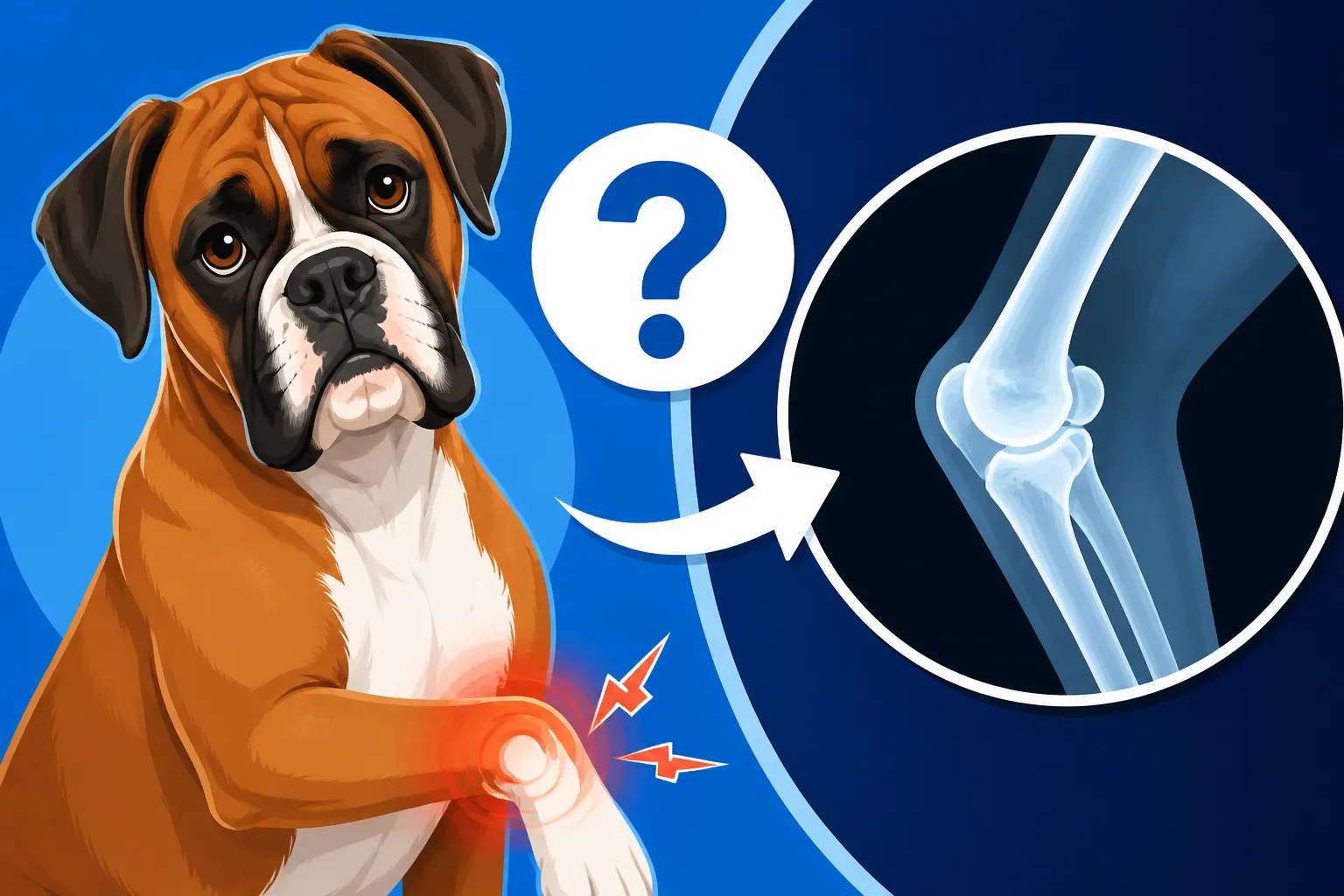
At its core, elbow dysplasia (ED) is a condition where the bones that make up the elbow joint don't fit together perfectly. The elbow is a complex hinge joint involving three bones: the humerus (upper arm bone), and the radius and ulna (forearm bones). When these bones, or the cartilage protecting them, don't develop correctly, the joint can become unstable, leading to uneven weight distribution and excessive wear and tear.
There are a few main culprits under the ED umbrella:
- Fragmented Coronoid Process (FCP): This is one of the most common forms in Boxers. Small pieces of bone and cartilage break off from the coronoid process, a part of the ulna. These fragments then float around in the joint, causing intense pain and inflammation. Imagine having tiny shards of glass in your knee every time you move – that's what it feels like.
- Ununited Anconeal Process (UAP): This occurs when a small bony projection (the anconeal process) on the ulna fails to fuse with the rest of the bone during growth. It leaves a loose piece, similar to FCP, causing joint instability and pain.
- Osteochondrosis (OCD): This involves abnormal cartilage development where the cartilage thickens and can detach from the underlying bone, creating a flap that irritates the joint.
- Elbow Incongruity: This describes a general mismatch in the length of the bones, meaning the joint doesn't align properly. This constant rubbing and grinding quickly damages the cartilage.
Why are Boxers, in particular, susceptible to these issues? They're a fast-growing, large breed with a genetic predisposition. Their rapid growth phases can sometimes outpace proper bone and cartilage development. A Boxer, in all its boisterous glory, loves to run, jump, and play hard. When they have underlying elbow issues, these activities only exacerbate the problem, causing them to show symptoms like lameness, stiffness after rest, a decreased range of motion in their front legs, or even a noticeable "bunny hopping" gait in their front end to avoid pain. It's heartbreaking to see a dog that lives for play suddenly reluctant to chase a ball or even get up off the couch. The constant pain chips away at their joyful spirit.
The Genetics Behind Elbow Dysplasia
The frustrating thing about elbow dysplasia, and many joint conditions in dogs, is that it's considered polygenic. This means it's not caused by a single "bad" gene that can be easily identified with a simple test. Instead, it's influenced by multiple genes acting together, alongside environmental factors like nutrition and exercise during their crucial growth phases.
This complexity makes it incredibly challenging for even the most dedicated breeders to eliminate ED from their lines entirely. Responsible Boxer breeders meticulously screen their breeding dogs for elbow dysplasia (and other conditions like Boxer Cardiomyopathy and the Holter Monitor and Subaortic Stenosis in a Boxer Puppy) before mating. They submit x-rays to organizations like the Orthopedic Foundation for Animals (OFA) or the British Veterinary Association (BVA) for evaluation and only breed dogs with "normal" or "excellent" elbow scores. However, even two parents with clear elbows can, in rare cases, produce offspring with ED due to the polygenic nature of the disease.
It's a huge source of frustration for owners who've done their homework, choosing a puppy from health-tested parents, only to find their young Boxer developing lameness. This doesn't necessarily mean the breeder was irresponsible; it just highlights the difficulties in managing complex genetic traits. It's a roll of the dice to some extent, but choosing a breeder who does health testing significantly improves your odds.
When and Why Elbow X-Rays Are Recommended
Knowing that elbow dysplasia is a possibility is one thing; deciding when to pursue x-rays is another. There's a big difference between proactive screening, often done for breeding purposes, and diagnostic imaging when your Boxer is already showing signs of discomfort.
Proactive Screening vs. Diagnostic X-Rays
Let's break down the two main scenarios:
Proactive Screening (Primarily for Breeders):
If you've ever looked into buying a Boxer puppy, you've likely heard breeders talk about OFA or PennHIP certifications for their parent dogs. These are proactive screenings designed to assess the genetic health of breeding stock. For elbows, the OFA evaluates x-rays and assigns a grade: Normal, Grade I, II, or III Dysplasia. To receive a final OFA certification for elbows, a dog must be at least 24 months old, meaning two full years of growth have occurred. The process usually involves a veterinary visit where your Boxer will be sedated to ensure they lie perfectly still for the precise radiographic views required. This isn't just a quick snap; it requires specific angles that can be uncomfortable for an unsedated dog.
The entire point of this rigorous screening is to provide breeders with information to make informed decisions about pairings, aiming to reduce the incidence of ED in future generations. It's a commitment to improving the breed's health, and it's part of The Health Screening a Boxer Breeder Owes You. If you're considering breeding your Boxer, elbow x-rays are absolutely non-negotiable for ethical and responsible practices.
Diagnostic X-Rays for Symptoms:
This is where most pet owners come in. You might have noticed your Boxer limping after a vigorous play session, struggling to get up from a nap, or showing reluctance to jump into the car. Perhaps they've developed an odd stiffness or a change in their gait, like if you notice A Boxer That Drags a Back Foot but for the front leg. These are all red flags that warrant a veterinary visit.
During the exam, your vet will perform orthopedic manipulations, checking for pain, swelling, and range of motion in the elbow joint. If they suspect elbow dysplasia or another joint issue, they will recommend diagnostic x-rays. The goal here is different: it's not about certifying for breeding, but about identifying the cause of your Boxer's pain so a treatment plan can be developed. These x-rays can help differentiate between ED, a soft tissue injury, or even other skeletal issues such as Boxer Hip Dysplasia and Spondylosis. While the views might be similar to screening x-rays, the focus is on clarifying a current clinical problem. It's important to remember that pet insurance providers like Healthy Paws generally cover these diagnostic x-rays if your dog is showing symptoms and the condition isn't pre-existing.
The Importance of Early Detection and Management
No one wants to hear that their Boxer has elbow dysplasia. It's a tough diagnosis to process. However, catching it early can make a significant difference in your Boxer's long-term comfort and mobility. When ED is diagnosed in its earlier stages, before extensive arthritic changes have set in, there are more management options available.
- Conservative Management: For milder cases or during flare-ups, this might involve anti-inflammatory medications, pain relief, joint supplements (like glucosamine, chondroitin, and omega-3 fatty acids), strict rest, weight management (keeping your Boxer lean is crucial for joint health, as extra weight puts immense strain on compromised joints; see Feeding a Boxer to Stay Lean and Muscled), and physical therapy. The goal is to reduce inflammation, manage pain, and strengthen the muscles supporting the joint.
- Surgical Intervention: For more severe forms of ED, such as FCP or UAP, surgery is often recommended to remove the bone fragments, reattach the processes, or correct joint incongruity. Modern arthroscopic techniques (keyhole surgery) are minimally invasive and can significantly improve outcomes, especially when performed early. Delaying surgery for a condition that warrants it can lead to more irreversible damage, making it harder for your Boxer to recover fully.
Early diagnosis allows you and your vet to choose the most appropriate intervention sooner, potentially preventing or delaying the onset of severe, debilitating arthritis. Left untreated, elbow dysplasia will almost certainly progress, leading to chronic pain, reduced mobility, and a significant impact on your Boxer's quality of life, leading to them becoming A Boxer That Thickens and Slows Down prematurely due to discomfort and inactivity. It can be a difficult financial and emotional journey, but proactive management offers the best chance for your Boxer to continue living a happy, active life.
The Practicalities of Getting Elbow X-Rays
So, you and your vet have decided that elbow x-rays are the next step. What does that actually involve? It's natural to have questions and maybe a little anxiety about the process, especially when it comes to the logistics and costs.
The Procedure and What to Expect
Getting clear, diagnostic-quality x-rays of a dog's elbows requires precise positioning. Boxers, with their boundless energy and sometimes stubborn streak, aren't exactly known for lying perfectly still on command, especially if they're in pain. This is why sedation or light anesthesia is almost always necessary. Your vet will discuss this with you beforehand, performing a pre-anesthetic blood panel to ensure your Boxer is healthy enough for the procedure.
On the day of the x-rays, your Boxer will be admitted to the clinic. They'll be given a sedative or anesthetic to relax them completely. This allows the veterinary technicians to carefully position their legs for the various specific views needed to properly visualize the elbow joint. Typically, several different angles are taken of each elbow to assess all components of the joint for any abnormalities.
After the x-rays are taken, your Boxer will be monitored as they wake up from sedation. The vet will review the images, often immediately, and discuss the findings with you. They'll explain what they see (or don't see) and what the next steps might be. Your Boxer will likely be a bit groggy and wobbly for the rest of the day, so it’s important to keep them comfortable and quiet at home. This is particularly relevant for our brachycephalic (flat-faced) friends, as Anesthesia Risk in a Flat-Faced Boxer needs careful consideration and monitoring. Vets will use specific protocols to minimize risks, but it's always something to be aware of.
Costs and Insurance Considerations
Let's talk money, because veterinary care, while essential, can be a significant expense. The cost of elbow x-rays can vary quite a bit depending on your geographic location, the specific veterinary clinic, and whether additional consultations (like with an orthopedic specialist) are needed. Generally, you can expect to pay anywhere from a few hundred dollars to upwards of $800-$1000 for comprehensive elbow x-rays, including sedation and interpretation. This is for diagnostic purposes, meaning your Boxer is exhibiting symptoms.
When it comes to pet insurance, the good news is that most comprehensive pet insurance plans, like those offered by Healthy Paws, will cover the costs of diagnostic x-rays for conditions like elbow dysplasia, assuming the condition is not considered pre-existing. This means that if your Boxer starts showing symptoms after your policy's waiting period, and before any diagnosis, the x-rays and subsequent treatment (conservative or surgical) would likely be covered according to your plan's reimbursement rate and deductible. This is why many experienced Boxer owners recommend Insuring a Boxer Before the First Lump or before any sign of an orthopedic issue appears. Waiting until symptoms are evident often means the condition will be deemed pre-existing, and therefore, not covered.
It's crucial to understand that preventative screening x-rays for breeding purposes (e.g., OFA certification on a perfectly healthy, asymptomatic dog) are typically not covered by pet insurance, as they are not considered treatment for an illness or injury. Always check your specific policy details or speak directly with your insurance provider to understand what is and isn't covered. Being prepared for potential costs is a big part of The Yearly Bill for a Seventy-Pound Boxer.
Alternatives and Complementary Approaches
While x-rays are the gold standard for diagnosing elbow dysplasia, they're not always the first step, nor are they the only tool in managing your Boxer's joint health. There are other diagnostic methods and supportive therapies that play crucial roles.
Other Diagnostic Tools
Before jumping straight to x-rays, your veterinarian will always start with a thorough physical examination. They'll watch your Boxer walk, trot, and turn, looking for subtle lameness or changes in gait (known as gait analysis). They'll palpate (feel) the elbow joints, check for swelling, pain, and restricted range of motion. Sometimes, a skilled vet can identify the problem joint with surprising accuracy just from a hands-on exam.
In some complex cases, particularly if surgery is being considered or if x-rays are inconclusive, your vet might recommend more advanced imaging techniques:
- Computed Tomography (CT) Scan: A CT scan provides much more detailed, cross-sectional images of the joint than conventional x-rays. It's excellent for identifying small bone fragments, assessing joint incongruity, and planning surgical procedures. It offers a 3D view, which is incredibly helpful.
- Magnetic Resonance Imaging (MRI): While CT is great for bone, an MRI excels at visualizing soft tissues like cartilage, ligaments, and tendons. If there's suspicion of cartilage damage or other soft tissue involvement, an MRI might be recommended.
These advanced imaging options are typically more expensive and usually require referral to a specialty veterinary hospital, but they can provide invaluable information that guides treatment decisions, especially for conditions that might not be purely bone-related.
Managing Joint Health Without Immediate X-Rays
Not every limping Boxer needs immediate x-rays, especially if the lameness is mild, intermittent, or clearly due to a minor strain. There are many things you can do to support your Boxer's joint health and potentially avoid or delay the need for extensive diagnostics, or manage an already diagnosed condition:
- Weight Management: This cannot be stressed enough. Keeping your Boxer at a lean, healthy weight is the single most impactful thing you can do for their joints. Excess weight puts incredible strain on all joints, accelerating arthritis and exacerbating any underlying conditions. Even a few extra pounds can make a huge difference. Regular body condition scoring with your vet is a good idea.
- Appropriate Exercise: While Boxers need plenty of activity, it needs to be appropriate. High-impact activities like aggressive fetch on hard surfaces, jumping repeatedly, or long runs on pavement can be detrimental, especially for a dog with burgeoning joint issues. Opt for softer surfaces, controlled leash walks, and swimming. Understanding Boxer Exercise Needs and the Heat That Limits Them is key, as overheating can lead to injuries from overexertion.
- Joint Supplements: Many Boxer owners use joint supplements containing ingredients like glucosamine, chondroitin, MSM, and omega-3 fatty acids (fish oil). While not a cure, these can help support cartilage health, reduce inflammation, and improve joint lubrication. Discuss appropriate dosages and brands with your vet, as quality varies greatly.
- Physical Therapy/Rehabilitation: This is becoming increasingly popular and effective. A certified canine rehabilitation therapist can develop a tailored exercise program to strengthen supporting muscles, improve range of motion, and reduce pain. Techniques like underwater treadmill therapy, therapeutic exercises, and massage can work wonders.
- Supportive Bedding: Provide soft, orthopedic bedding to cushion your Boxer's joints, especially as they get older or if they already have arthritis. This helps prevent pressure sores and provides comfort. As your Boxer ages, you might also find yourself exploring additional care needs for Caring for a Boxer Past Eight, many of which will revolve around joint comfort.
It's vital to remember that while these strategies are excellent for supportive care, they should not replace a veterinary consultation if your Boxer is showing persistent or worsening lameness. Self-diagnosing and delaying proper care for a potentially serious condition like elbow dysplasia can lead to much greater pain and irreversible damage down the line. Trust your gut, and when in doubt, call your vet.
| Feature | Proactive Screening (e.g., OFA for Breeding) | Diagnostic Imaging (for Symptoms) |
|---|---|---|
| Purpose | Assess genetic health for breeding | Identify cause of lameness/pain |
| Timing | Minimum 24 months old (for final cert) | Any age, when symptoms appear |
| Requires Symptoms | No, performed on healthy dogs | Yes, initiated due to clinical signs |
| Primary Goal | Reduce incidence in future generations | Pinpoint current problem for treatment |
| Insurance Cover | Generally not covered | Typically covered if not pre-existing (e.g., Healthy Paws) |
| Who Recommends | Breeder/Owner's decision for breeding | Veterinarian based on clinical exam |
Disclaimer
The information provided in this article is for educational and informational purposes only, and does not constitute veterinary advice. Always consult with a qualified veterinarian for any health concerns or before making any decisions about your Boxer's health or treatment plan.