Why a Boxer Boxes With Its Front Paws
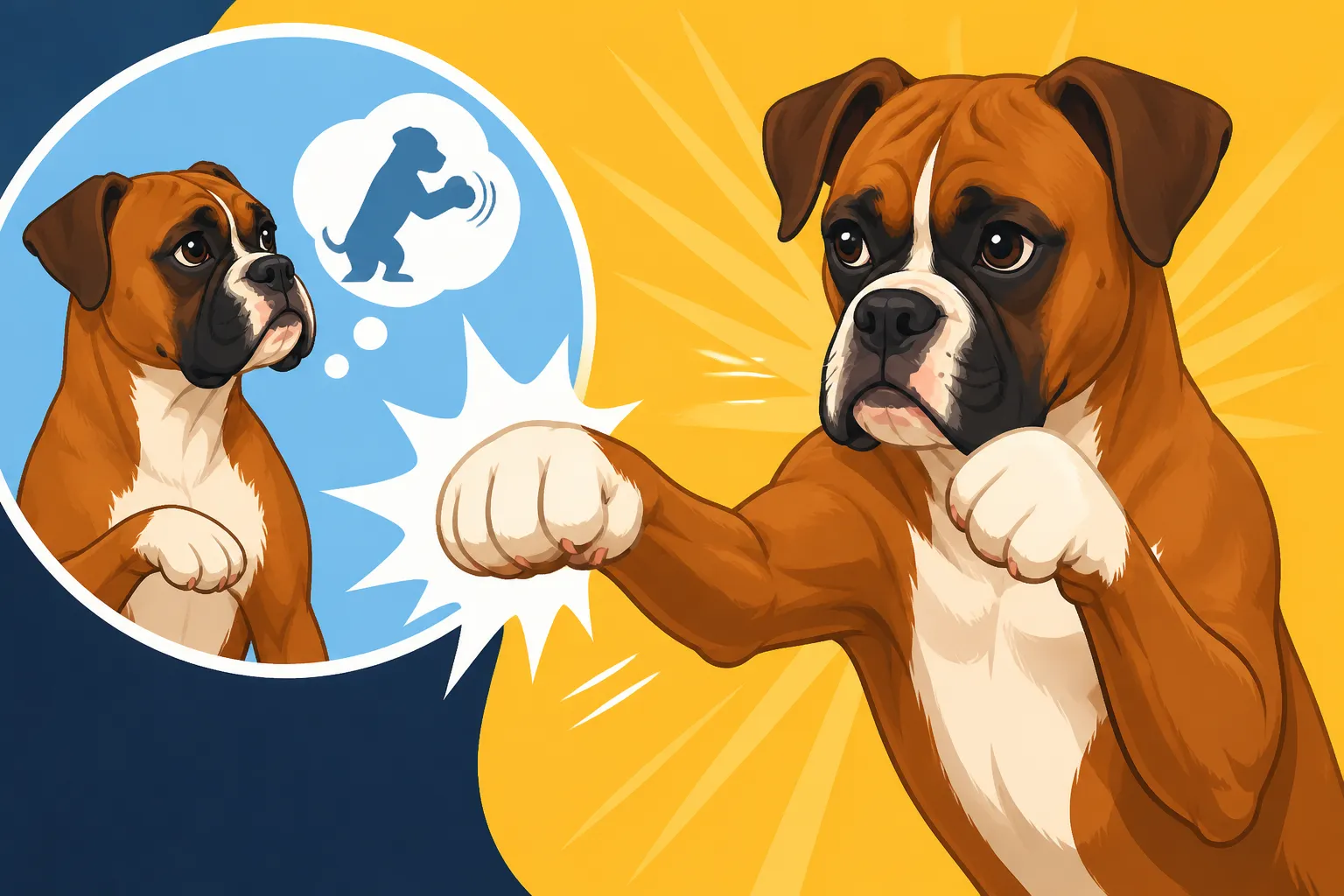
Anyone who has spent more than a few minutes with a Boxer knows their signature move: the playful paw swat, the jab, the enthusiastic "boxing" with their front paws. It's often endearing, a hallmark of their goofy, energetic personality, but it can also be a source of frustration, especially when that paw connects with your face, a child, or your fragile decor. This guide dives deep into the fascinating reasons behind this unique Boxer trait, offering insights into its origins, how to interpret it, and practical strategies for managing it to ensure harmonious living with your beloved, spirited companion.
The Boxer's Instinctual Play Style
Boxers are renowned for their exuberant, puppy-like behavior, which often extends well beyond their actual puppyhood. Many Boxer owners will tell you their dog acts like a youngster until they're nearly three years old, a period described in The Boxer Puppyhood That Lasts Three Years. This extended adolescence is part of what makes them so much fun, but it also means their play style can be quite boisterous, and "boxing" is a central part of it.
The "Box" as a Natural Expression
The act of "boxing" with their front paws isn't a learned trick for most Boxers; it's an ingrained, natural behavior that stems from their historical roles and their very anatomy. These dogs are built for power and agility, with strong forequarters. Their natural inclination is to engage with the world using their front end, whether it's pushing, digging, or, yes, playfully pawing. It's a way for them to interact, express excitement, and even solicit attention. Think of it as their way of saying, "Hey, let's play!" or "Look at me!"
It's a form of communication, pure and simple. When a Boxer offers a soft paw to your leg, it might be an invitation to a game of fetch. A more emphatic, bouncy paw-to-chest could be them expressing extreme joy at your arrival home. Understanding this natural expression is the first step in differentiating between playful interaction and potentially problematic behavior.
Why Boxers Use Their Front Paws So Much
Boxers are a brachycephalic (flat-faced) breed, which means their short muzzles can sometimes make it harder for them to use their mouths for delicate or prolonged manipulation compared to longer-snouted breeds. While they certainly use their mouths for retrieving and chewing, their paws offer an alternative, highly effective tool for interaction. Their strong, expressive front legs become extensions of their playful intent. They are remarkably agile with their front paws, using them almost like hands to bat at toys, tap people, or even "hold" things they are investigating.
This preference for paw usage also ties into their high energy levels. A Boxer often has boundless enthusiasm, and when words or barks aren't enough to convey their excitement, those powerful front paws come into play. It's a physical outlet for their energy, and when they are under-exercised, this can sometimes escalate into destructive behaviors, as explored in Why a Boxer Wrecks Things When Under-Exercised. A well-exercised Boxer might still box, but it will likely be less intense and more controlled.
The Difference Between Play and Aggression
It’s crucial for any Boxer owner to learn to distinguish between their dog's playful "boxing" and any signs of true aggression or excessive dominance. While a Boxer’s playful pawing can feel strong, it's generally accompanied by other clear indicators of play. These include a loose, wiggling body, a relaxed open mouth (often in a "grin"), soft, darting eyes, a play bow (front end down, rear end up), and a general lack of tension. The famous "Boxer wiggle" is a dead giveaway that your dog is in a happy, playful mood.
On the other hand, if the pawing is accompanied by a stiff body, a closed mouth with bared teeth, prolonged direct eye contact, growling, or raised hackles, it's a completely different scenario. This could indicate fear, resource guarding, or true aggression, and it requires immediate intervention from a professional trainer or behaviorist. Always observe the whole dog, not just the action of the paws. Trust your gut; if the interaction feels off, it probably is. Learning to read Reading a Boxer Before Play Turns Sharp is essential for safe interactions.
Understanding the Boxer's History and Purpose
To truly understand why Boxers "box" with their front paws, we need to take a quick trip back in time to their ancestors and the jobs they were bred to do. Their past isn't just a fun historical anecdote; it’s deeply embedded in their physical and behavioral traits today.
Ancestry in Bullenbeisser Breeds
The Boxer's lineage traces back to the Bullenbeisser, a now-extinct German breed known for its incredible strength, tenacity, and powerful jaws. These dogs were essentially mastiff-type hunting dogs, bred for hunting large game like wild boar, deer, and even bear. Their job wasn't just to track; it was to catch and hold the prey until the hunter arrived. This required immense courage, a strong grip, and the physical fortitude to engage with a struggling animal.
While the modern Boxer is far removed from these ferocious hunters, the genetic blueprint remains. The powerful neck, broad chest, and robust front legs that allowed the Bullenbeisser to hold down large prey are still present in the Boxer. This historical function highlights the inherent strength and physical prowess of their forequarters, which, in a domestic setting, translates into their energetic and sometimes clumsy use of those same powerful paws.
The Role of a Catch Dog
The Bullenbeisser and its descendants were "catch dogs." Imagine a massive wild boar attempting to flee. The catch dog's job was to latch onto the animal and not let go, using its strong jaws and powerful body to control it. However, before the "catch," there was often an element of maneuvering and engagement. While primarily a mouth-focused activity, the physical confrontation likely involved using their entire body, including powerful shoves and holds with their front legs, to gain an advantage over their prey.
This heritage subtly influences the Boxer's play. When they "box" with other dogs or with people, it's a softened, domesticated echo of that ancestral engagement. It's not about catching prey, of course, but about enthusiastic physical interaction, pushing boundaries, and engaging in a simulated wrestle. They are still using their powerful front end to interact, albeit in a much friendlier, less dangerous way.
Evolution of Playful Engagement
As the Boxer breed developed from its utilitarian hunting roots into a companion and working dog, many of its physical traits were retained, but their application shifted. The strength and agility that once served in the hunt now find expression in dog sports, obedience, and, of course, play. The "boxing" behavior is a perfect example of this evolutionary shift. What might have once been a method of controlling prey has become a unique and endearing way for Boxers to express joy, challenge playmates, and demand attention.
Breeders, through selective breeding, focused on tempering the aggression of their ancestors while retaining their courage, loyalty, and playfulness. This means that today's Boxer is typically a loving, clownish companion who channels their inherent strength and energy into games and interactions that sometimes involve those signature paw movements. It's a charming quirk that reminds us of their rich, working-dog history.
Communication and Social Cues in Boxer Play
Boxers are master communicators, often using their entire bodies to convey messages, and their "boxing" antics are no exception. Understanding their body language is key to interpreting their intentions and responding appropriately.
Reading Boxer Body Language
When a Boxer is "boxing" playfully, their whole body will usually tell a coherent story of joyful engagement. Look for a relaxed posture, often with a slightly lowered head and forequarters, ready to spring into action. Their tail will be wagging, sometimes in a full-body wiggle that extends all the way through their torso, described as The Boxer Wiggle and What It Signals. Their ears might be back in a friendly position, or alert and expressive. Their mouth will often be open, sometimes with a "silly" grin, and their tongue might loll out. There's a fluidity and bounce to their movements that screams "fun!"
Conversely, if a Boxer's body is stiff, rigid, or leaning away, the pawing might not be playful. Tension in their muscles, a tightly closed mouth, a low, slow tail wag (or no wag at all), and wide, staring eyes can all be red flags that something is amiss. Observing these full-body signals, rather than just focusing on the paws, gives you the complete picture of your Boxer's emotional state and intent during interaction.
How Boxers Initiate Play
Boxers have a repertoire of moves they use to initiate play, and "boxing" is high on that list. They might approach you with a hopeful, bouncy gait, then drop into a play bow, inviting you to join in. A gentle paw tap on your leg or arm is often their opening gambit. They might even grab a favorite toy and bring it to you, then playfully bat at it with their paws, daring you to take it. With other dogs, they might instigate a game by giving a quick, soft "punch" to the shoulder, then turning and bouncing away, inviting a chase.
Sometimes, their play initiation can be quite direct: a full-body lean and a persistent pawing at your arm or knee, demanding attention. It's important to differentiate this enthusiastic solicitation from genuinely demanding behavior. While you want to encourage play, you also want to teach your Boxer that polite requests are more effective than insistent pawing. This is where early training to manage Boxer Mouthing From Puppy to Adult and other forms of physical attention-seeking becomes vital.
Interpreting the Boxer Wiggle
The famous "Boxer wiggle" or "kidney bean" dance is an unmistakable sign of a happy, excited Boxer. It's usually seen when they greet their favorite people, are about to go for a walk, or anticipate a fun game. This whole-body wag often culminates in or is accompanied by playful pawing. The wiggle signals absolute joy and zero malice. If your Boxer is wiggling and then "boxes" you, it's their way of sharing their overwhelming happiness.
| Body Language Cue | Interpretation | Associated Boxer Behavior |
|---|---|---|
| Loose, Wiggling Body | Happy, excited, inviting play | Full-body wag, running in circles |
| Play Bow | Invitation to play | Forequarters down, rear up, tail wagging |
| Relaxed Open Mouth | Content, friendly, ready for fun | "Grinning," panting lightly |
| Soft Eye Contact | Affectionate, engaged, non-threatening | Looking at you, sometimes glancing away |
| Ear Position | Relaxed, slightly back, or alert and forward | Depends on excitement level |
| Light Paw Tap | Gentle request for attention, "let's play" | Often follows a play bow |
| Persistent Pawing | Demanding attention, overly excited | Can escalate if not redirected |
| Stiff Body/Tail | Unease, fear, potential aggression | Avoidance, growling, baring teeth |
Learning to read these cues, especially when they are "boxing," will help you understand your Boxer's mood and respond appropriately, strengthening your bond and preventing misunderstandings.
When "Boxing" Becomes a Problem
While a Boxer's playful pawing is often part of their charm, there are times when it crosses the line from endearing quirk to problematic behavior. Recognizing these moments is key to addressing them effectively.
Jumping and Pawing at People
One of the most common frustrations Boxer owners face is their dog's tendency to jump up and paw at people. This can be particularly problematic with guests, children, or elderly family members. A seventy-pound Boxer, even when being completely friendly, can easily knock someone over or cause injury with an enthusiastic leap and a jab of their powerful front paws. It's not malicious, but the sheer force can be overwhelming. The instinct to jump is often tied to seeking attention or expressing immense excitement upon greeting someone. For guidance on managing this, you might find Stopping a Seventy-Pound Boxer From Jumping helpful.
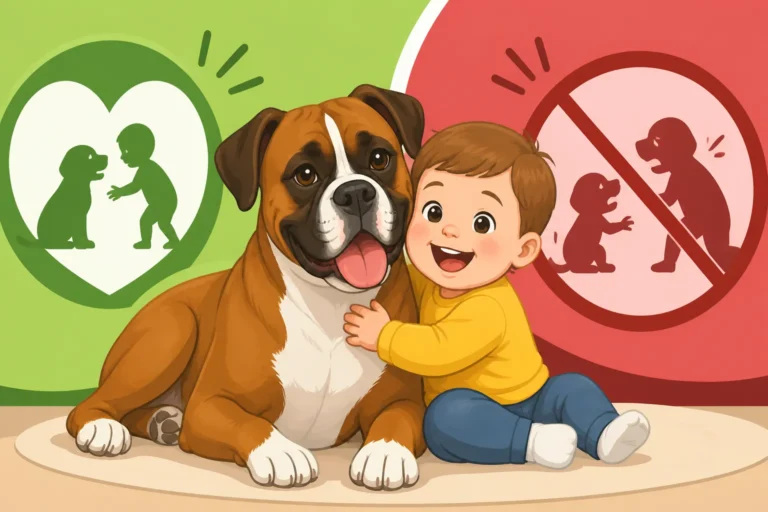
Children, especially small ones, are particularly vulnerable. A Boxer who "boxes" them might not intend harm, but a misplaced paw can easily scratch, bruise, or cause a child to fall. This can lead to fear of the dog, which is the last thing you want in a family setting. It's not just about physical safety; it's about teaching your Boxer appropriate greeting manners that are safe for everyone, regardless of their size or age.
Rough Play with Other Dogs
Boxers, with their robust build and energetic nature, often have a very physical play style. They love to wrestle, chase, and engage in boisterous games with other dogs. Their "boxing" can be a big part of this, as they use their front paws to bat, push, and challenge their playmates. While this is perfectly normal and acceptable with other dogs who share a similar play style and size, it can be an issue when a Boxer plays with smaller, older, or more timid dogs.
A Boxer's rough housing might be too much for a delicate Chihuahua or a senior dog with joint issues. The smaller dog might feel intimidated or even get accidentally injured. It's the owner's responsibility to supervise these interactions closely and intervene if the play becomes unbalanced or overly intense. Understanding Boxer Play Style With Other Dogs can help you recognize when intervention is necessary to ensure all dogs involved are having a good, safe time.
Damage to Property or People
Beyond accidental injury, enthusiastic pawing can sometimes lead to property damage. A Boxer who jumps on counters might knock over valuable items or hot food. Persistent pawing at doors or furniture can lead to scratches, tears, or other destruction. This often stems from a combination of boredom, excess energy, or simply a lack of understanding about appropriate behavior. When a Boxer is under-exercised or mentally under-stimulated, these behaviors can become more frequent and destructive.
For the Boxer, it's often an attempt to get attention or release pent-up energy. For the owner, it can be frustrating and costly. Addressing these issues requires a multi-pronged approach that includes consistent training, ample exercise, and providing appropriate outlets for their natural behaviors.
Training Your Boxer for Polite Interactions
Managing a Boxer's natural inclination to "box" requires consistent training and patience. The goal isn't to suppress their joyful nature but to channel it into more acceptable forms of interaction.
Teaching "Four Feet on the Floor"
This is perhaps the most crucial command for a Boxer who loves to jump and paw. The concept is simple: all four paws must remain on the ground when greeting people or when seeking attention. This isn't just about yelling "Off!" or pushing your dog down, which can sometimes escalate the behavior or be misinterpreted as play. Instead, it's about rewarding the desired behavior.
Start by ignoring your Boxer completely when they jump or paw. Turn your back, cross your arms, and avoid eye contact. The moment their front paws touch the floor, even for a second, immediately praise them calmly and offer a treat. Repeat this over and over, slowly increasing the duration they must keep all four paws down before receiving a reward. Practice with family members first, then gradually introduce well-behaved guests. Consistency is paramount. Everyone in the household must adhere to this rule, or the Boxer will become confused. Teaching a Boxer to Keep Four Feet Down offers more in-depth strategies.
Redirecting Excessive Pawing
For general attention-seeking pawing, redirecting the behavior is an effective strategy. Instead of engaging with the pawing, teach your Boxer an alternative, polite way to ask for attention. For example, teach them to sit calmly in front of you for a pet, or to bring a toy for a game of fetch. When they paw, gently take their paw and place it on the floor, then ask for a "Sit" and reward them when they do.
Interactive puzzle toys can also be fantastic for redirecting their physical energy and mental focus. Brands available on Amazon offer a wide range of durable puzzle feeders and chew toys designed to keep energetic dogs like Boxers engaged and mentally stimulated. When your Boxer is focused on a puzzle, they're less likely to be pawing at you. This also helps with Training a Boxer That Gets Bored Fast, providing an outlet for their intelligent minds.
Positive Reinforcement Techniques
Boxers respond incredibly well to positive reinforcement, which focuses on rewarding good behavior rather than punishing unwanted actions. Harsh corrections or yelling can make a Boxer shut down or even become more boisterous in an attempt to get a reaction. Instead, focus on making polite interactions incredibly rewarding.
When your Boxer approaches you calmly without pawing, immediately offer praise, a gentle pat, or a high-value treat. When they play gently with another dog, interrupt the play for a brief, happy "Good boy!" and a small reward. The goal is to make these desirable behaviors far more appealing and effective for your Boxer than their "boxing" antics. Consistent, clear, and positive communication builds trust and helps your Boxer understand what you expect from them. Many online platforms, like BAXTER & Bella, offer comprehensive positive reinforcement training programs that can guide you through these techniques step-by-step, providing structured lessons for teaching polite manners.
Managing the Boxer's Energy for Better Behavior
A well-exercised Boxer is generally a better-behaved Boxer. Their energy levels are high, and without adequate physical and mental outlets, that energy often manifests in undesirable ways, including excessive "boxing."
Adequate Exercise Needs
Boxers are high-energy dogs, especially during their younger years. They need substantial daily exercise to stay healthy, happy, and well-behaved. This isn't just a leisurely stroll around the block. A healthy adult Boxer needs at least 60-90 minutes of vigorous exercise per day, often split into two or more sessions. This could include fast-paced walks, running, fetch, or active play in a securely fenced yard. Without this outlet, that pent-up energy has to go somewhere, and it often comes out in boisterous pawing, jumping, or even destructive chewing.
However, you must be mindful of their brachycephalic nature, which makes them prone to overheating. Avoid exercising them during the hottest parts of the day, especially in warm climates. Early morning or late evening runs are often best. Boxer Exercise Needs and the Heat That Limits Them delves deeper into safe exercise practices for your Boxer. Adjusting their exercise routine is paramount to prevent exhaustion and health issues.
Mental Stimulation and Enrichment
Physical exercise alone isn't always enough for an intelligent breed like the Boxer. They also need mental stimulation to keep their minds engaged and prevent boredom. A bored Boxer is a creative Boxer, and that creativity often leads to mischief, including using their paws in inappropriate ways.
Enrichment activities can include:
- Puzzle toys: As mentioned, these make your Boxer "work" for their food or treats, engaging their problem-solving skills.
- Training sessions: Short, frequent training sessions (even just 5-10 minutes) can be mentally tiring and reinforce good manners.
- Scent work/nose games: Hiding treats around the house or yard and letting your Boxer sniff them out is incredibly engaging.
- New environments: Taking your Boxer to new places (once they are properly socialized and vaccinated) exposes them to new sights, sounds, and smells, which is mentally stimulating.
- Interactive play: Games like fetch, tug-of-war (with rules), or even just engaging them in conversation can provide mental engagement.
Providing varied and consistent mental stimulation helps to tire them out in a different way than just physical activity, leading to a calmer, more satisfied dog.
Structured Play Sessions
Rather than letting play devolve into chaotic "boxing" sessions, implement structured play. This means you initiate and end the play, and there are rules. For example, before a game of fetch, your Boxer must sit. If they get too mouthy or paw too hard during tug, the game stops immediately for a brief "time out." This teaches them that polite behavior keeps the fun going.
Consider incorporating dog sports into your routine if your Boxer enjoys them. Agility, obedience, or rally can be fantastic outlets for their energy and intelligence, building their focus and responsiveness. It provides a consistent, structured way for them to use their bodies and minds, often reducing the incidence of unwanted pawing and jumping in other contexts. Dog Sports That Suit a Boxer provides great ideas for structured activities.
Specific Scenarios and Solutions
The context in which a Boxer "boxes" often dictates the best approach to managing the behavior. Let's look at some common situations.
Greeting Visitors Calmly
This is often one of the biggest challenges for Boxer owners. An excited Boxer, eager to greet a new person, will often jump, paw, and wiggle with all their might. To tackle this, establish a clear greeting routine. Before guests arrive, ensure your Boxer has had adequate exercise to burn off some of that initial energy. When the doorbell rings, leash your Boxer and have them in a "Sit" or "Down-Stay" a short distance from the door.
Instruct your guests to ignore your Boxer entirely when they first enter. No eye contact, no petting, no talking to the dog. Once your Boxer has calmed down, remaining in their "stay" (even for just a few seconds), then and only then can the guest calmly approach and offer a gentle pet. If the Boxer jumps or paws, the guest should immediately stand up, turn their back, and ignore again. This teaches your Boxer that calm, four-feet-on-the-floor greetings lead to attention, while jumping does not. For more specific advice, refer to Greeting Manners for an Excited Boxer.
Managing Play with Smaller Dogs or Children
When introducing your Boxer to smaller dogs or children, always supervise closely. For smaller dogs, ensure that play remains balanced. If your Boxer is too rough or persistent with their pawing, intervene immediately. You might need to redirect your Boxer to a game of fetch with you, or separate them for a short "cool down" period. Consider using a long line during initial playdates with unfamiliar or much smaller dogs, allowing you to gently guide your Boxer away if their play gets too intense.
With children, teaching gentle interaction is key. Never leave a Boxer unsupervised with very young children. Teach children how to interact respectfully with dogs, including how to pet gently and when to leave the dog alone. Teach your Boxer to be gentle with children, using commands like "Soft" or "Easy" if they start to get too bouncy or pawy. Reward them heavily for calm interactions. Consider dog-friendly playpens or gates to create safe zones where your Boxer and children can have separate, calm time, reducing the opportunities for unwanted "boxing" to occur. Boxers With Children and Other Dogs offers further reading on this topic.
Outdoor vs. Indoor "Boxing"
The environment can also play a role in how a Boxer "boxes." Indoors, especially in smaller spaces, excited pawing and jumping can be more problematic due to limited room and potential for knocking things over. In these situations, focus heavily on the "four feet on the floor" rule and redirecting energy to appropriate indoor toys or puzzle games. Crates can also be invaluable tools for teaching a Boxer to settle and have quiet time, especially when you need a break from their energetic antics. Why a Boxer Needs a Crate More Than Most explains this further.
Outdoors, in a safe, fenced area, a bit more "boxing" and boisterous play might be acceptable, especially if it's directed at a toy or another dog with a similar play style. The key is knowing your Boxer's limits and the boundaries of what is acceptable in different environments. If your Boxer tends to "box" you intensely during outdoor play, you can still apply the same principles: disengage if they paw, and only re-engage when they offer a polite, calm behavior. Utilize items from Amazon like durable outdoor fetch toys that can withstand a Boxer's enthusiastic pawing and chomping, providing a clear target for their energy.
Embracing the Boxer's Unique Charm
Ultimately, the Boxer's "boxing" is a fundamental part of their personality, a charming quirk that defines the breed. While it’s important to manage it for safety and politeness, there's also a place for embracing and appreciating this unique form of expression.
Appreciating the Breed's Quirkiness
Boxers are famous for their clownish behavior, their boundless energy, and their unique way of engaging with the world. Their "boxing" is a perfect example of this. It's often accompanied by that full-body wiggle, those expressive eyes, and a general air of goofy exuberance that makes them so beloved. Instead of viewing it solely as a problem, try to appreciate it as a manifestation of their joyful spirit.
This doesn't mean letting them run wild and paw everyone. It means understanding why they do it and finding appropriate outlets for this instinct. When you see your Boxer playfully batting at a toy, or gently tapping your hand for attention (after they've learned not to jump), it's a moment to connect with their unique breed traits and enjoy their playful nature.
Finding Appropriate Outlets
The key to harmonious living with a "boxing" Boxer is providing plenty of appropriate outlets. This means:
- Interactive Toys: Toys that they can bat, push, and "box" with without human interaction. Large, durable rubber balls, puzzle toys, and strong chew toys are great.
- Structured Play with You: Engage in games where "boxing" is appropriate, like playing with a flirt pole where they can bat at the lure, or specific games of "rough and tumble" on the floor where rules are clear.
- Dog-Friendly Playmates: Allow your Boxer to interact with other dogs who enjoy a similar physical play style, under supervision, giving them an outlet to wrestle and paw at each other without it being directed at people.
- Training and Sports: Channel their energy and intelligence into activities like agility, rally, or even just consistent obedience training, which provides mental and physical stimulation.
- Enrichment: Provide plenty of activities that allow them to use their paws constructively, such as digging pits in the yard (if appropriate) or snuffle mats that encourage nose and paw work.
By offering these outlets, you give your Boxer positive ways to express their natural instincts, making them less likely to resort to unwanted "boxing" behaviors. Why a Boxer Boxes With Its Front Paws (this article!) highlights the natural element, but these outlets provide the solutions.
Building a Stronger Bond
When you understand your Boxer's unique communication style, including their pawing, and respond with consistent training, patience, and appropriate redirection, you build a much stronger bond. Your Boxer learns to trust you as their leader, understanding the rules of the house, and knowing that their needs for play and attention will be met in acceptable ways.
This isn't just about training them not to "box" you; it's about teaching them how to exist respectfully and joyfully within your family. A well-understood Boxer, whose needs for exercise, mental stimulation, and appropriate play are met, is a happy Boxer. And a happy Boxer, while still retaining their quirky "boxing" charm, will be a much more manageable and delightful companion for years to come.
Disclaimer
This article is for general informational purposes only and does not constitute professional advice. Laws, prices and regulations vary by location and change over time. Consult a qualified professional for guidance on your specific situation.