Greeting Manners for an Excited Boxer
It's a familiar scene for so many Boxer owners: you hear a knock at the door, or spot a friendly face on your walk, and suddenly your otherwise well-behaved, loving Boxer transforms into an uncontrollable bundle of bouncing, barking, and body-slamming enthusiasm. That sheer joy is certainly endearing, but when you're trying to have a calm conversation or prevent an excited seventy-pound dog from knocking over Grandma, it quickly becomes a real problem. This guide will walk you through understanding why your Boxer gets so overstimulated, and more importantly, how to teach them the polite greeting manners that make every interaction a pleasure, not a wrestling match.
Understanding the Boxer's Excited Nature
Boxers are renowned for their playful, high-energy personalities, often described as "the Peter Pan of dogs" because they retain their puppy-like exuberance well into adulthood. While this spirit is a huge part of their charm, it also means that managing their excitement during greetings can be a unique challenge.
Why Boxers Get So Enthusiastic
Boxers are an incredibly social breed, deeply attached to their families and typically very friendly towards strangers, especially if those strangers offer attention. This strong desire for interaction, combined with their natural exuberance, often manifests as an inability to contain their joy when someone new, or even just someone loved, appears. It's not maliciousness; it's pure, unadulterated happiness boiling over. Imagine a toddler who hasn't seen their favorite aunt in weeks – that level of unrestrained joy is what you're often dealing with, just in a much larger, stronger package. They simply haven't learned how to channel that immense energy into a more appropriate display of affection.
Furthermore, Boxers are intelligent dogs, and they quickly learn what behaviors get them what they want. If jumping up consistently results in attention – even negative attention like a push or a shout – your Boxer might interpret that as a reward. They're just so happy to be noticed! This creates a cycle where the very excitement we want to curb can inadvertently be reinforced.
The Physical Challenges of an Overly Excited Boxer
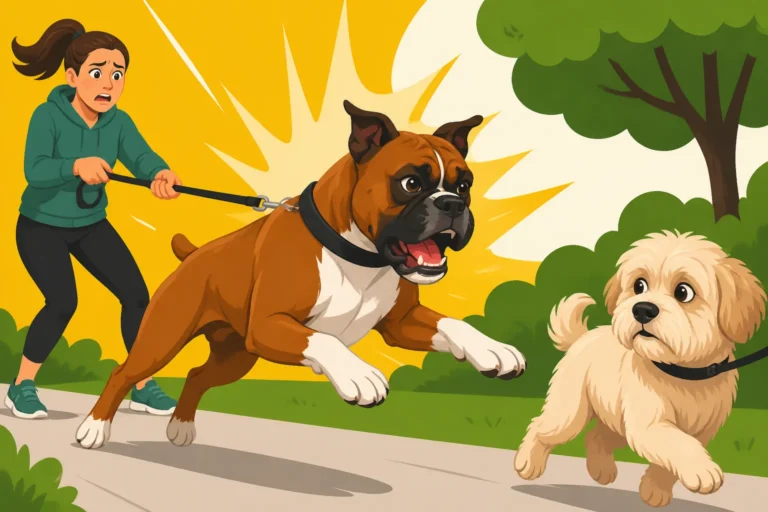
Let's be honest, a fully grown Boxer is a powerful dog. A male can easily weigh 70 pounds or more, and when they're vertically airborne, their sheer mass can be genuinely dangerous, particularly for children, the elderly, or anyone with mobility issues. The powerful "boxing" with their front paws, a characteristic trait of the breed, might be cute in a puppy but can scratch, bruise, or even knock someone off balance when an adult Boxer is doing it out of excitement. You might even find yourself dealing with situations where your Boxer's intense eagerness makes them forget their leash manners entirely, turning a simple walk into a frantic struggle.
Beyond the obvious physical risks, this kind of unrestrained behavior can lead to property damage. Have you ever had your Boxer accidentally knock over a lamp with a wagging tail or excitedly track mud through the house after an unexpected visitor arrived? These are the frustrations that come with owning a dog that simply cannot contain its joy. It can be exhausting to constantly anticipate and manage these outbursts. For more on this, you might find Stopping a Seventy-Pound Boxer From Jumping helpful.
The Impact of Excitement on Learning
When your Boxer is in a state of high arousal, their ability to process commands and learn new behaviors significantly decreases. It's like trying to teach complex algebra to someone who's just won the lottery – their brain is simply too flooded with dopamine and adrenaline to focus. This means that trying to correct a jumping Boxer by shouting "Off!" or "Sit!" in the moment of excitement is often futile. They might hear you, but the message isn't truly registering in a way that leads to sustained behavioral change.
Effective training requires your dog to be in a calm, receptive state. This is why many training methods focus on preventing the excitement from reaching peak levels in the first place, or by practicing in low-distraction environments before gradually increasing the challenge. Understanding this physiological reality is key to approaching greeting manners with patience and strategic planning rather than frustration. Your Boxer isn't being deliberately disobedient; they're simply overwhelmed by their own emotions.
Establishing a Foundation for Calm Greetings
Before you can tackle the specific act of greeting, it's crucial to lay a solid foundation of general obedience and environmental management. This isn't just about teaching tricks; it's about teaching your Boxer to control their impulses and look to you for guidance, even when excited.
Starting with Basic Obedience
Reliable basic obedience cues are your secret weapon against over-the-top greetings. A strong "Sit," "Stay," and "Down" are invaluable. But it’s not enough for your Boxer to perform these in your living room when there are no distractions. They need to be proofed in various environments and around increasing levels of distraction. Think about practicing a "sit-stay" at the park, or while someone walks by with another dog. The goal is to make these commands so ingrained that your Boxer performs them almost reflexively, even when their excitement levels start to rise.
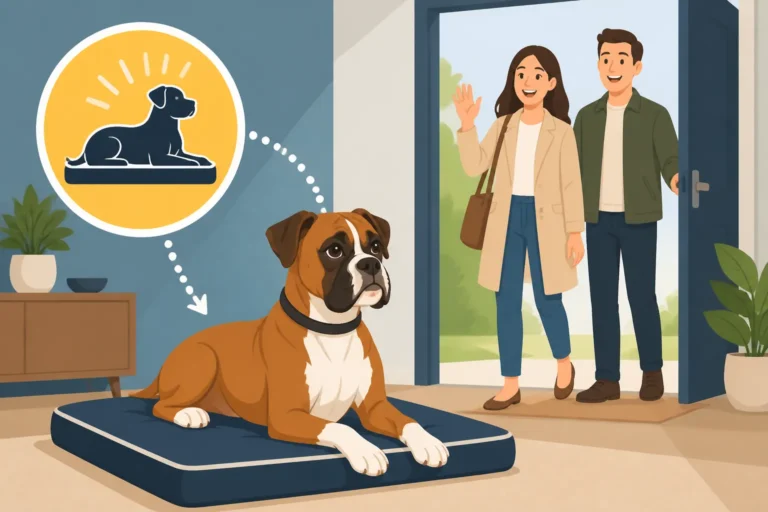
Beyond these core commands, teaching a "Place" cue can be incredibly effective. This means training your Boxer to go to a designated spot, like their bed or a mat, and remain there until released. This provides a clear alternative behavior for them when guests arrive. Instead of jumping, they go to their place. This isn't just about obedience; it's about self-control, which is a fundamental skill for a Boxer puppy that lasts three years.
Managing the Environment
Until your Boxer's greeting manners are solid, prevention is your best friend. This means actively managing the environment to prevent opportunities for your Boxer to practice undesirable behaviors. For example, if your Boxer jumps on every visitor, consider putting them on a leash before guests arrive. This gives you direct control and allows you to enforce the "four paws on the floor" rule from the moment they appear. A long line, available on platforms like Amazon, can also give you control without feeling tethered.
Another key aspect of environmental management is understanding your Boxer's energy levels. A Boxer that hasn't had adequate exercise is a ticking time bomb of energy, much more likely to erupt into an over-excited frenzy at the slightest provocation. Make sure your Boxer gets plenty of appropriate exercise before anticipated greetings. A good run or a vigorous game of fetch can take the edge off and make them much more receptive to training. Boxer Exercise Needs and the Heat That Limits Them discusses this in more detail.
The Importance of Consistency
This might be the most challenging, yet most crucial, aspect of training any Boxer. Every single person who interacts with your dog needs to be on the same page regarding greeting manners. If you're diligently working on keeping four paws on the floor, but a visiting relative encourages jumping by petting your Boxer while it's airborne, you're essentially undoing your hard work. This sends mixed signals to your Boxer, making it harder for them to understand what's expected.
Before guests arrive, have a quick chat with them. Explain your training goals and ask for their cooperation. It might feel awkward at first, but it's essential for your Boxer's success. Consistency isn't just about what you do, but when and how often you do it. Regular, short training sessions, even just a few minutes a day, will yield far better results than infrequent, lengthy ones. Remember, for a Boxer that gets bored fast, short, engaging sessions are key.
Practical Training Techniques for Greeting Manners
Now that you've got the groundwork in place, let's dive into some specific, actionable training techniques you can use to teach your Boxer polite greeting behaviors.
The "Four Paws on the Floor" Rule
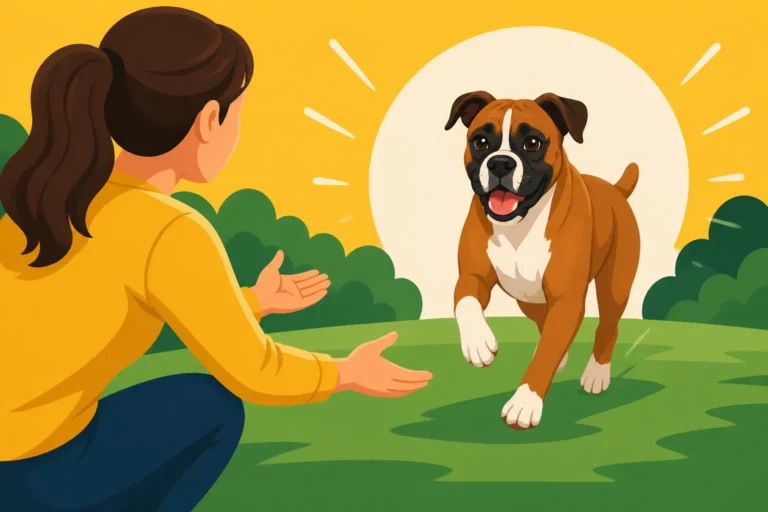
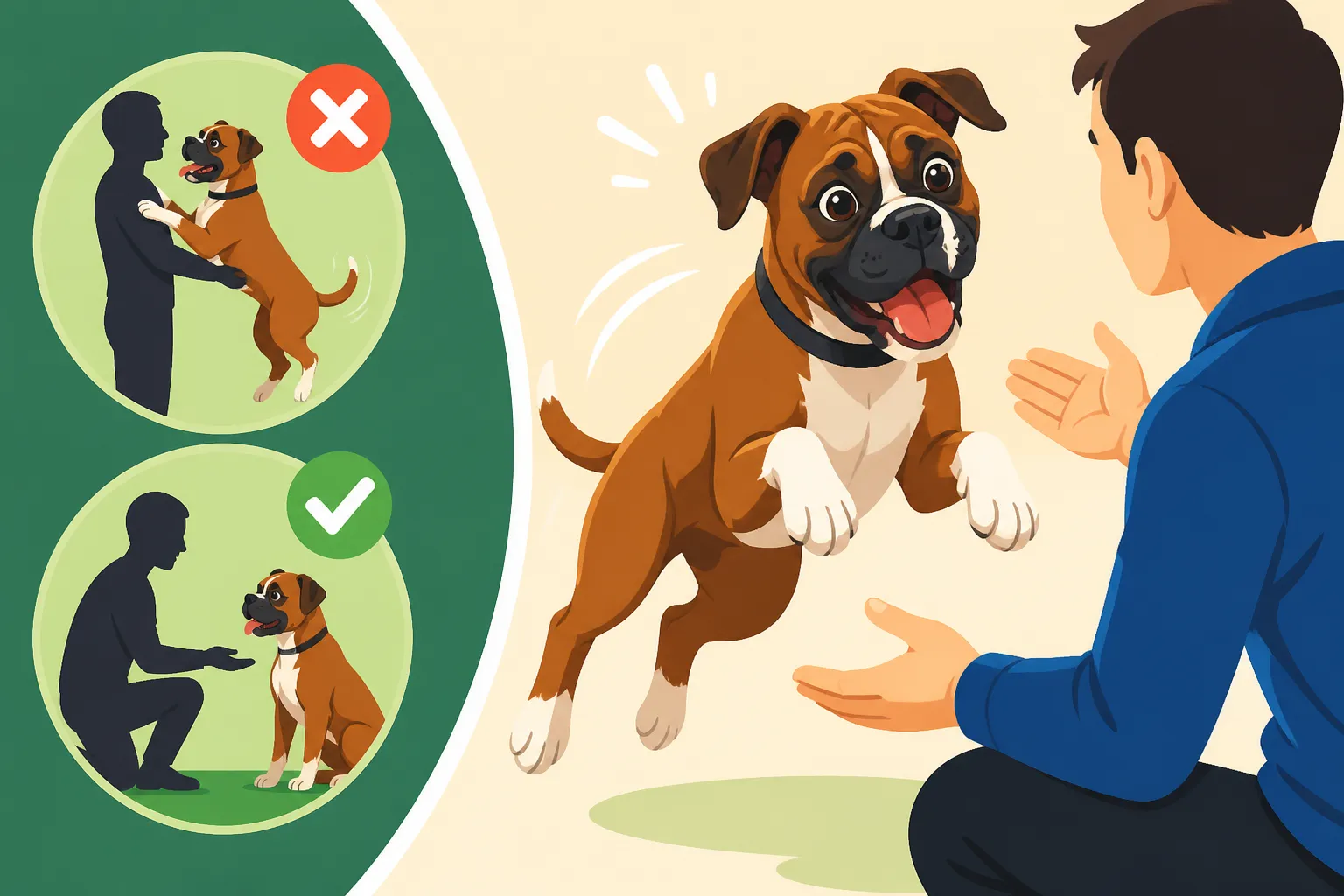
This is the golden rule for polite greetings. Your Boxer only gets attention (pets, praise, treats) when all four paws are firmly on the ground. The moment they lift a paw or jump, all attention ceases. This means turning your back, walking away, or even temporarily leaving the room. The key is to be consistent and immediate. Your Boxer needs to learn that jumping makes the fun stop.
Start practicing this in low-distraction environments, perhaps with just you or a family member. Have them approach, and if your Boxer jumps, turn your back. When their paws are down, turn around and offer a calm "good dog" and a pet. Gradually introduce more exciting scenarios and different people. It takes patience, but your Boxer will eventually connect jumping with the loss of attention. For more specific guidance on this, consider Teaching a Boxer to Keep Its Paws Down.
Teaching an Alternative Behavior (Sit/Place)
Instead of just telling your Boxer "no" to jumping, give them something else to do. The "sit" command is excellent for this. As a visitor approaches, or as you open the door, immediately ask your Boxer to "Sit." Reward them heavily with a high-value treat while they are sitting. The goal is for them to associate the arrival of a person with the reward for sitting calmly.
The "Place" command is another fantastic alternative. Train your Boxer to go to a designated mat or bed and stay there when asked. When guests arrive, direct your Boxer to their "Place." Reward them for staying there, perhaps with a long-lasting chew toy or a puzzle feeder, which you can find on Amazon. This not only keeps them from jumping but also gives them a job to do, helping to channel their excitement. Many online training programs, like those offered by BAXTER & Bella, emphasize the power of teaching alternative, incompatible behaviors for challenging situations like greetings.
Desensitization to Triggers
Many Boxers get over-excited by specific triggers – the doorbell ringing, a car pulling into the driveway, or the sound of footsteps approaching the front door. You can work to desensitize your Boxer to these triggers by creating controlled, non-exciting exposures.
For example, practice with the doorbell. Have someone ring the doorbell (or use a recording) repeatedly, but don't let anyone in. Each time it rings, if your Boxer reacts, ignore it. Once they are calm, then reward them. After many repetitions, they'll start to learn that the doorbell doesn't always signal an immediate party. Similarly, you can practice opening and closing the door without anyone entering. The idea is to break the association between the trigger and the subsequent high-arousal event. Over time, the triggers will become less potent, making it easier for your Boxer to remain calm when they actually signal a guest.
Handling Specific Greeting Scenarios
Different situations call for slightly different approaches. What works for a calm greeting at home might need adjustment for an energetic outdoor encounter.
Greeting Visitors at the Door
This is often the most challenging scenario for a Boxer. The sudden appearance of someone new right on their perceived territory, combined with the anticipation of interaction, can be overwhelming. Here's a step-by-step approach:
- Anticipate: If you know guests are coming, take your Boxer for a good walk or play session beforehand to burn off excess energy.
- Leash Up: Put your Boxer on a leash before guests arrive. This gives you immediate physical control.
- Use a Barrier: If your Boxer is particularly excitable, consider using a baby gate or keeping them behind a closed door initially. This prevents them from rushing the door.
- Practice "Place" or "Sit": When the doorbell rings or a knock sounds, direct your Boxer to their "Place" or ask for a "Sit-Stay" a short distance from the door. Reward heavily for compliance.
- Controlled Introduction: Once the guest is inside and settled, and your Boxer is calm, slowly allow a controlled introduction. Keep your Boxer on the leash. Remind your guest to only pet when all four paws are on the floor. If your Boxer jumps, take them away from the guest (even just a few steps) until they are calm again.
- Reinforce Calm: Reward calm behavior, even if it's just a moment of stillness, with quiet praise and a gentle pat. Don't over-excite them with your praise.
It's a lot to manage, but this structured approach gives your Boxer clear expectations and helps prevent them from rehearsing bad habits. Teaching a Boxer a Place to Go When Guests Arrive offers more in-depth strategies for this.
Meeting People Outdoors
Outdoor greetings present their own set of challenges, from distractions like other dogs and squirrels to the sheer excitement of being outside. A Boxer that pulls on the leash in general will certainly pull harder when spotting a potential greeter.
- Master Loose Leash Walking: Before tackling outdoor greetings, ensure your Boxer has a solid understanding of loose leash walking. A harness, like those available on Amazon, designed to discourage pulling can be a useful tool here. Harnesses That Hold a Pulling Boxer provides insights into different options.
- "Watch Me" Command: Teach your Boxer a "Watch Me" command, where they make eye contact with you. This can be a powerful tool to redirect their attention when they spot someone they want to greet.
- Set Up Success: If you see someone approaching, before your Boxer gets overly excited, ask for a "Sit" or "Stand" next to you. Reward for maintaining position.
- Controlled Approach (with consent): If the person is open to interacting, explain you're working on manners. As they approach, keep your Boxer on a short leash. If your Boxer remains calm, allow a quick, polite sniff or pet. If they jump, immediately step back or turn away, cutting off the interaction. Only resume when four paws are on the ground.
- Keep it Brief: For excited Boxers, short, positive interactions are better than long, overstimulating ones. A quick, calm greeting and then moving on reinforces good behavior without pushing them over the edge.
Interactions with Children and Other Dogs
Introducing your excited Boxer to children or other dogs requires extra caution due to the potential for accidental injury or overwhelming play.
With Children:
Boxers are generally wonderful with children, often displaying immense patience and a protective instinct. However, their size and boisterous play style can inadvertently knock over or scare smaller kids.
- Supervision is paramount: Never leave a young child unsupervised with an excited Boxer.
- Teach children how to interact: Instruct kids to remain calm and still, not to run or scream, which can trigger an excited chase response.
- "Gentle" Command: Teach your Boxer a "gentle" cue for taking treats. This can generalize to gentler interactions.
- Manage space: Use gates to separate your Boxer from children during initial excited phases, allowing them to acclimate to each other's presence calmly. Refer to Boxers With Children and Other Dogs for more on this important topic.
With Other Dogs:
While many Boxers love to play with other dogs, their "boxing" style and high energy can be overwhelming or misinterpreted by other canines.
- Controlled Introductions: Always introduce dogs on neutral territory, preferably on leash (but loose enough to avoid tension).
- Observe Body Language: Pay close attention to both dogs' body language. If either dog shows signs of stress or over-arousal, intervene immediately.
- Short Play Sessions: For highly excited Boxers, keep initial play sessions short and positive. End before they become overly boisterous or one dog gets overwhelmed.
- Recall Practice: A reliable recall is essential for breaking up play if it gets too intense.
- Group classes: Enrolling in a group obedience class, or even a dog sport like Rally or Scent Work, can provide structured opportunities for positive interactions with other dogs under supervision, which helps a Boxer learn how to behave.
| Greeting Scenario | Common Boxer Challenge | Training Goal | Key Strategy |
|---|---|---|---|
| At the Door | Jumping, barking, rushing visitors | Calm "Sit" or "Place" before entry, no jumping | Leash management, barrier control, "Place" command, turn back if jumping |
| On a Walk | Lunging, pulling, excited greetings | Loose leash, "Watch Me", calm approach | Loose leash training, "Watch Me" command, step back if over-excited, brief, controlled interactions |
| With Children | Accidental knocking, rough play | Gentle interactions, respect for child's space | Constant supervision, teaching "gentle", creating physical separation when excitement is high |
| With Other Dogs | Overly boisterous play, misinterpretation | Polite sniffing, controlled play, appropriate breaks | Neutral territory intros, short play sessions, strong recall, reading body language |
Tools and Resources to Aid Your Training
You're not alone in this journey! There are many tools and resources available that can make teaching your Boxer polite greeting manners much easier and more effective.
Helpful Gear for Leash Manners
When you're trying to manage an excited Boxer on a leash, having the right gear can make all the difference. While a flat buckle collar is fine for ID tags, it offers little control over a strong, pulling Boxer.
- Front-Clip Harnesses: These harnesses clip at the chest, which redirects your Boxer's forward momentum to the side, making it much harder for them to pull. Many brands are available on Amazon. They are generally comfortable and do not put pressure on your Boxer's throat.
- Head Halters: For Boxers that are exceptionally strong pullers or highly reactive, a head halter (like a Gentle Leader or Halti) can provide excellent control. It works by guiding the head, and where the head goes, the body follows. It takes some time for dogs to adjust to wearing one, so introduce it gradually with lots of positive reinforcement.
- Long Lines: For practicing recall and giving your Boxer more freedom in a safe, controlled way during outdoor training, a long line (15-30 feet) can be invaluable. This allows them to explore a bit without being fully off-leash, which is particularly useful for working on distractions.
- High-Value Treats: When training, especially with an excitable Boxer, you need rewards that are more appealing than the distraction itself. Soft, smelly, bite-sized treats are often the most effective. Experiment to find what your Boxer will really work hard for.
Remember, no tool is a magic fix; they are aids to your training, not substitutes for it. Consistent training with positive reinforcement is always the most important component.
Online Training Programs and Professional Help
Sometimes, a little extra guidance goes a long way. If you're feeling stuck, overwhelmed, or just need a structured approach, consider these options:
- Online Training Programs: Many excellent online dog training programs provide step-by-step video tutorials and support forums. BAXTER & Bella is one such online dog training program that emphasizes positive reinforcement and focuses on building a strong foundation of obedience and manners, which is exactly what an excited Boxer needs. These programs often break down complex behaviors into manageable steps, making it easier to follow along from home. They can be particularly helpful if your schedule makes in-person classes difficult, or if your Boxer is too reactive for group settings initially.
- Professional Dog Trainers: For persistent issues or specific behavioral challenges, a certified professional dog trainer can provide personalized guidance. Look for trainers who use positive, force-free methods. They can observe your Boxer's behavior in real-time, identify specific triggers, and tailor a training plan to your unique situation.
- Group Classes: Puppy classes and basic obedience courses offer a fantastic opportunity for socialization and structured learning in a controlled environment. They also give you, the owner, valuable skills and confidence in handling your Boxer. However, make sure the class is appropriate for your Boxer's current level of excitement and reactivity. For some Boxers, private sessions might be a better start before transitioning to a group setting. Group Class Against Private Work for a Boxer offers a comparison to help you decide.
Teaching your Boxer polite greeting manners is a journey that requires patience, consistency, and a deep understanding of their joyful nature. With the right techniques and a commitment to positive reinforcement, you can transform those chaotic greetings into calm, enjoyable interactions for everyone involved.
Disclaimer
This article is for general informational purposes only and does not constitute professional advice. Laws, prices and regulations vary by location and change over time. Consult a qualified professional for guidance on your specific situation.