A Boxer That Takes Fingers With the Treat
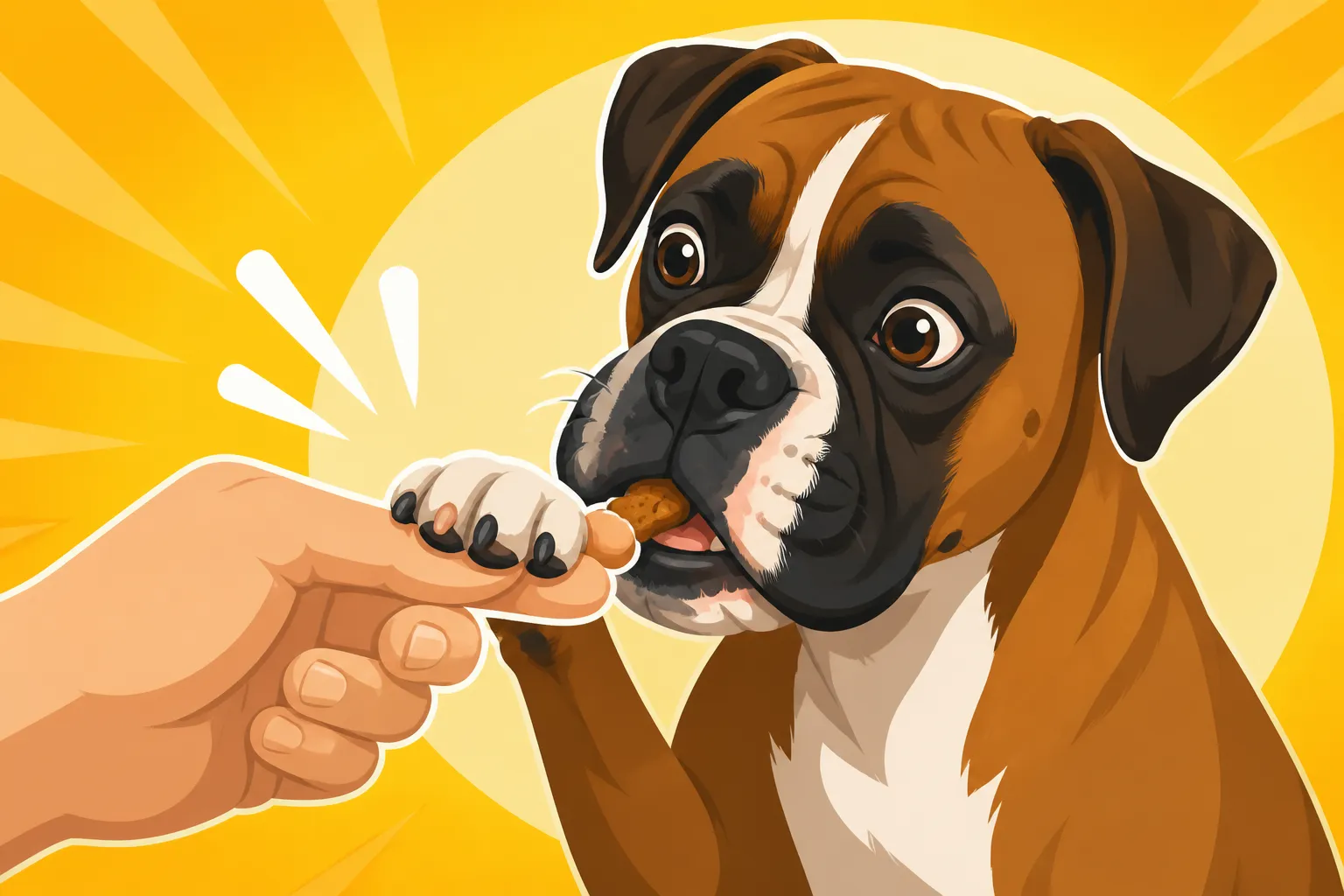
It's incredibly frustrating, and let's be honest, sometimes a little painful, when your otherwise wonderful Boxer takes your fingers along with the treat you're offering. This isn't just a minor annoyance; it can be downright alarming, especially if you have children or guests who might not understand your dog's boisterous nature. This comprehensive guide will delve into why your Boxer might be grabbing treats too enthusiastically and provide you with actionable, empathetic strategies to teach them a gentler approach to taking food from your hand.
Understanding the "Mouthy" Boxer
Boxers are renowned for their playful, clownish personalities and their tendency to use their mouths and paws to interact with the world around them. This isn't usually born out of malice, but rather a combination of their breed characteristics, developmental stages, and sometimes, a simple lack of understanding about how much pressure is too much. It's a common complaint among Boxer owners, and you're certainly not alone in dealing with it.
The Boxer's Natural Predisposition to Mouthing
Our beloved Boxers come from a lineage of working dogs, originally tasked with duties like holding game. While their modern role is primarily that of a family companion, some of those instincts, particularly the use of their mouths, can still surface in their play and interactions. They are often described as "mouthy" dogs, not just with treats but sometimes with hands, arms, or even clothing during excited play. This isn't aggression; it's a form of communication and exploration for them. They investigate with their mouths, and they play with their mouths, sometimes forgetting that human skin is far more delicate than a thick hide or a sturdy toy. Their enthusiasm often overrides their finesse, leading to those accidental (or not-so-accidental) nips.
It’s important to remember that for a Boxer, using their mouth is natural. The challenge for us as owners is to guide that natural behavior into an acceptable, gentle form. They're not trying to hurt you; they're just being Boxers! Understanding this foundational aspect can help you approach training with patience and the right mindset. Their joyful, energetic nature is part of what makes them such special companions, but it also means we have a responsibility to teach them appropriate boundaries.
Puppy Biting and the Lack of Bite Inhibition
The foundation of a Boxer taking fingers with a treat often goes back to their puppyhood and whether they adequately learned "bite inhibition." Puppies learn this crucial skill from their littermates and mother. When a puppy bites too hard during play, another puppy will yelp and stop playing, teaching the offender that strong bites end the fun. If a puppy is removed from its litter too early or doesn't get enough interaction with other well-socialized dogs, they might miss out on these vital lessons.
For many Boxers, that "puppy stage never ends," as many owners will tell you, which also means that mouthing behavior can persist well into adulthood if not managed. A Boxer puppy that bites hard needs to learn that human skin is fragile. If your Boxer never learned the appropriate pressure during puppyhood, they might genuinely not understand the difference between nibbling a sturdy chew toy and snatching a treat from your hand. You might have been told that a Boxer puppy biting that does not stop is just a phase, but without intervention, it can become a deeply ingrained habit. We need to effectively become their littermates and gently but firmly teach them that teeth on skin, even if unintentional, is not okay.
Excitement and Lack of Impulse Control
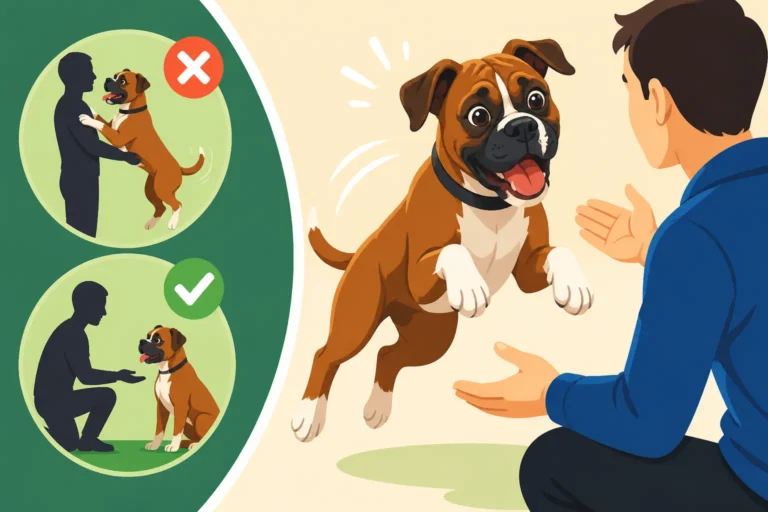
Boxers are notoriously excitable dogs. The sight of a treat can trigger a burst of energy, leading them to lunge, snatch, and accidentally catch your fingers in their fervor. This isn't just about treats; you might notice similar behavior when they greet visitors, during playtime, or when they anticipate a walk. It's a manifestation of their high energy and often, a lack of impulse control. They want that treat now, and their brain bypasses the "gentle" command in the rush.
Teaching a Boxer impulse control is an ongoing process that goes beyond just treat-taking. It involves teaching them patience, waiting for cues, and managing their excitement levels in various situations. When they get overly excited, their ability to think and respond calmly diminishes. For Boxers, this is particularly pronounced because of their deep desire for interaction and their often boisterous nature. Imagine a small child bouncing with anticipation for a piece of candy; now imagine that child is a powerful, 70-pound dog with a strong jaw. The energy is similar, but the potential for injury is far greater. Therefore, addressing the underlying excitement and building their capacity for self-control is paramount to solving the treat-taking issue.
Assessing the Severity: Is It Just Mouthing or Something More?
It's crucial for any Boxer owner to accurately assess the nature of their dog's treat-taking behavior. Is it genuinely an excited, clumsy grab, or is there a hint of something more concerning, like resource guarding or true aggression? While Boxers are generally good-natured, understanding the nuances of their behavior is key to effective training and ensuring safety for everyone involved.
Distinguishing Play Nips from Aggression
Most Boxer owners can readily tell the difference between a playful nip and a truly aggressive bite, but sometimes the line can feel blurry, especially when food is involved. A play nip or an accidental grab usually happens with an open mouth, a soft rather than rigid body, and no accompanying growl, snarl, or stiffening. The dog might pull back quickly after realizing they caught your skin. There's often a "whoops" quality to it. This is typically what we're talking about when a Boxer "takes fingers with the treat." It's clumsy, over-enthusiastic, and lacks malicious intent.
True aggression, on the other hand, is a different beast entirely. It often involves a stiff body, direct stare, bared teeth, growling, snarling, or a quick, hard snap with immediate withdrawal. The intent is to warn or inflict harm, not to play or snatch. If you ever see these signs, especially in combination with guarding behavior around food, toys, or even their bed, it's time to stop trying to manage it yourself and seek professional help immediately. While relatively rare in Boxers with their generally stable temperaments, it’s not impossible, and understanding the difference is vital for safety.
The Role of Body Language and Context
Your Boxer's body language is your biggest clue when deciphering their behavior. When they're being overly mouthy with treats, observe their entire posture. Are their ears back but relaxed? Is their tail wagging in a loose, happy way, or is it stiff and tucked? Are their eyes soft and eager, or hard and focused? A relaxed, wiggly Boxer with a soft gaze is likely just being an excitable, clumsy goofball. You might recognize the classic The Boxer Wiggle and What It Signals as a sign of their happiness and engagement.
Conversely, a stiff body, whale eye (where you see the whites of their eyes), flattened ears, or a low, rumbling growl when you approach their food bowl or hand with a treat signals a different kind of issue. The context also matters. Does this only happen with high-value treats (like chicken or cheese), or even with everyday kibble? Does it happen with everyone, or only certain people? If it's only with high-value items, you might be dealing with emerging resource guarding. If it's consistent across the board and accompanied by concerning body language, it definitely warrants a deeper look. Always prioritize safety and observation.
Impact on Family Members, Especially Children
While an adult might tolerate an accidental nip, it's a completely different story for children or elderly family members. A Boxer's powerful jaw, even in a playful context, can easily bruise, scratch, or even break skin, leading to fear and potential injury. This is why addressing mouthy behavior is non-negotiable, particularly in multi-person households. You might feel confident that your Boxer isn't trying to hurt anyone, but intent doesn't matter much when dealing with stitches or a scared child.
Teaching a Boxer to be gentle around children is paramount, and ensuring they don't take fingers with treats is a big part of that. It builds trust and safety. Imagine a child innocently offering a treat, only to have their fingers caught. This can create a lasting negative association for both the child and the dog. Therefore, every adult in the household needs to be consistent with the training methods, and children should always be supervised during interactions with dogs, especially when food is involved. It’s also wise to teach children Teaching a Boxer to Be Gentle With Children and to never put their face close to a dog's mouth, regardless of how friendly the dog is.
Practical Strategies for Training a Gentler Mouth
The good news is that teaching your Boxer to take treats gently is entirely achievable with consistent effort and the right techniques. This isn't about punishing them for their natural exuberance, but rather guiding them toward a more appropriate and safe way of interacting. Patience is your best friend here.
The "Ouch" Method and Redirection
One of the most effective ways to teach bite inhibition, even to an adult Boxer, is to mimic how their littermates would have taught them. When your Boxer takes a treat too roughly and catches your skin, let out a clear, sharp "Ouch!" or "Yelp!" Immediately withdraw your hand and turn away, ending the interaction for a few seconds. This signals to your Boxer that they've caused pain and, more importantly, that the fun (and the treat) stops. After a few seconds of disengagement, you can try again. If they are gentle, reward them lavishly. If they are rough again, repeat the "Ouch" and withdrawal.
The key is consistency. Everyone in the household needs to use this method. The moment teeth touch skin, the interaction ceases. This isn't punitive; it's informative. Your Boxer quickly learns that "gentle mouth" equals treats and attention, while "rough mouth" equals no treats and no attention. This method is often introduced with Boxer puppy biting that does not stop but remains useful for older dogs who haven't fully grasped the concept. Redirection is also important: once you've delivered the "ouch," you might then offer an appropriate chew toy, showing them what is acceptable to put their teeth on.
Teaching "Gentle" and "Leave It" Cues
Developing specific verbal cues like "Gentle" or "Easy" for taking treats, and "Leave It" for impulse control, can be incredibly powerful tools. Start by holding a treat in your closed fist. Your Boxer will likely try to mouth, paw, or nose at your hand. Wait. The instant they briefly pull back, even for a split second, open your hand and say "Gentle," then immediately give them the treat. Repeat this many times. Slowly, they'll associate the word "Gentle" with a soft mouth and the reward.
The "Leave It" cue is equally important. Start with a low-value treat on the floor or in your hand. Cover it with your hand and say "Leave It." When your Boxer looks away from the treat, even for a moment, mark the behavior ("Yes!" or clicker) and reward them with a different, higher-value treat from your other hand. Gradually increase the duration they have to "leave it" and the value of the treat they are leaving. This teaches them that ignoring one reward can lead to an even better one, directly addressing their impulse control. These cues are foundational and can be applied to many aspects of your Boxer's life, helping them Keeping Boxer training sessions interesting.
Crate Training and Impulse Control Games
Crate training, when introduced positively, can be an invaluable tool for teaching a Boxer self-control and providing them with a safe, quiet space. It helps with impulse control because it requires them to calmly enter and remain in a defined space, reducing overall excitement levels in certain situations. A well-crate-trained Boxer learns to settle, even when exciting things are happening around them. If you're struggling with A Boxer that screams in the crate, you might need to revisit positive crate association.
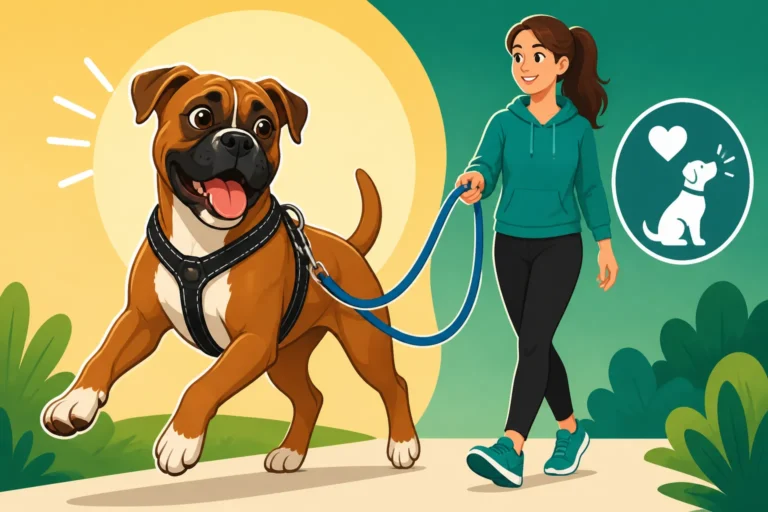
Beyond the crate, incorporating specific impulse control games into your daily routine can make a huge difference. Games like "It's Your Choice" (where you hold food, and they only get it when they offer a calm behavior like sitting or looking away), or "1-2-3-Touch" (teaching them to touch your hand with their nose for a reward, rather than mouthing) can be very effective. Another simple game is "Red Light, Green Light" during walks, where you stop (red light) and they have to sit, then move again (green light). These types of exercises build patience and teach your Boxer to think before reacting, which directly translates to taking treats more gently.
Choosing the Right Treats and Delivery Methods
The type of treat you use and, critically, how you deliver it, can significantly impact your Boxer's mouthiness. Adjusting these elements can make training much easier and safer for both you and your dog. It's not just about what they're getting, but how they perceive the exchange.
High-Value vs. Low-Value Treats
Not all treats are created equal in the eyes of a Boxer. "High-value" treats are those they absolutely adore – think small pieces of cooked chicken, cheese, or hot dogs. "Low-value" treats might be their regular kibble or standard dog biscuits. When you're first teaching gentle treat-taking, always start with high-value treats. Why? Because the higher the reward, the more motivated your Boxer will be to figure out what behavior earns it. If they only get a boring piece of kibble for being gentle, they might not see it as worth the effort to control their excitement.
Once they consistently take high-value treats gently, you can then start to generalize the behavior by practicing with medium and then low-value treats. The goal is for them to take any treat gently, but building that initial understanding with something irresistible makes the learning process faster and more impactful. Remember, Rewards a Boxer will work hard for are crucial for successful training, especially when you're asking them to override a strong instinct like snatching food. You can find a wide variety of excellent training treats on Amazon, from soft, chewy options to freeze-dried meats, all perfect for these focused sessions.
Safe Treat Delivery Techniques
This is perhaps the most immediate change you can make to prevent accidental nips. Instead of holding the treat between your thumb and forefinger where your digits are highly exposed, try these safer methods:
- Flat Hand: Hold the treat flat in the palm of your hand, allowing your Boxer to lick or gently take it without grabbing. This presents a wider target, making it harder for them to catch your fingers accidentally.
- Closed Fist, Open on Cue: Start with the treat fully enclosed in your fist. Wait for your Boxer to be calm and not mouthing or pawing. The second they show gentle behavior (like a soft nose bump or a slight withdrawal), say "Gentle" and slowly open your hand. This reinforces that gentle behavior leads to the reward.
- "Pinch" Method: Hold the treat between your thumb and the side of your pointer finger, creating a barrier with your remaining fingers. This still keeps the treat accessible but protects your fingertips more.
- Lick it Off: For very mouthy dogs, start by smearing a tiny bit of peanut butter or cream cheese on the back of your hand. Let them lick it off. This teaches them to use their tongue gently around your skin. Slowly progress to holding a small, soft treat that they can lick before taking.
Always deliver treats deliberately and calmly, avoiding sudden movements that might excite your Boxer further. The more controlled your delivery, the more controlled their reception will be.
Recommended Chew Toys and Long-Lasting Chews
Providing appropriate outlets for your Boxer's natural chewing and mouthing instincts is a critical part of managing their behavior. A bored Boxer is often a destructive or overly mouthy Boxer. Stock up on durable, engaging chew toys that can stand up to a Boxer's powerful jaws. Toys like Kongs, filled with peanut butter or yogurt and then frozen, can provide long-lasting enrichment and mental stimulation. There are many options available on Amazon designed specifically for strong chewers.
Look for items made from tough rubber, like those from KONG or Nylabone, which are designed to be safe and durable. Avoid flimsy toys that can be quickly destroyed and potentially ingested. Offering a variety of Chews that redirect a mouthy Boxer can satisfy their urge to chew in an appropriate way, reducing the likelihood that they'll use your hands or household items as their default chew toys. Rotate their toys to keep things interesting and prevent boredom. This isn't just about diverting their attention from your fingers; it's about enriching their environment and meeting their instinctual needs.
Consistency and Long-Term Management
Training a Boxer, especially when it comes to ingrained behaviors like mouthiness, isn't a one-and-done deal. It requires unwavering consistency from every member of the household and a commitment to integrating these lessons into your daily life. Think of it as shaping their manners over time, rather than just fixing a single problem.
Making Training a Family Affair
This point cannot be stressed enough: everyone who interacts with your Boxer must be on the same page. If one person allows rough treat-taking while another insists on gentleness, your Boxer will become confused and the training will stall. Hold a family meeting and ensure everyone understands the chosen cues ("Gentle," "Ouch," "Leave It"), the safe treat delivery methods, and the expectation of withdrawing attention when teeth touch skin. Consistency is the bedrock of successful training, especially for a clever Boxer who will quickly learn who they can get away with what.
Children, under careful supervision, can also participate in training, reinforcing good manners. Teaching them how to safely offer treats and what to do if the Boxer is too rough empowers them and helps solidify the training. The more consistently your Boxer encounters the same rules and expectations from everyone, the faster they will learn and generalize the gentle behavior across all interactions. This means even guests or dog sitters need to be briefed on the rules, if possible.
Managing Expectations and Preventing Relapses
It's easy to get frustrated if your Boxer has a "bad day" or a momentary lapse, especially after you've seen significant improvement. Remember, training isn't linear. There will be good days and challenging days. Managing your own expectations is vital to staying patient and persistent. A relapse isn't a failure; it's an opportunity to reinforce the training. Just go back to basics, use your cues, and ensure you're being even more consistent.
Boxers, with their high energy and enthusiasm, can sometimes regress if they're particularly excited or if they haven't had enough mental or physical stimulation. Ensuring your Boxer gets adequate exercise, perhaps Sixty to ninety minutes a day with a Boxer split into a few sessions, and mental enrichment can help prevent relapses stemming from boredom or pent-up energy. Sometimes, a quick, boisterous zoomie can lead to a clumsy treat grab, so be mindful of their energy levels. If they're over-stimulated, it might be better to skip treats for a moment and redirect their energy.
Integrating Training into Daily Routines
The most effective training isn't confined to dedicated training sessions; it's woven into the fabric of your everyday life. Every time you offer your Boxer a treat, whether it's for a command, a medicine delivery, or just a reward, it's an opportunity to practice gentle taking. Make "Gentle" or "Easy" a standard part of your interaction. This constant reinforcement helps the behavior become second nature.
Think about other routine interactions: when you put down their food bowl, when you give them a chew toy, or even when you just offer a friendly pat. All these moments can subtly reinforce impulse control and gentle interaction. For instance, making them sit and wait for their food bowl to be placed down teaches patience before eating. Using a program like the BAXTER & Bella online puppy school (which can also be beneficial for older dogs needing behavior modification) often emphasizes integrating training seamlessly into daily routines, making it more sustainable and effective in the long run. They offer comprehensive guides and support that can really help solidify these habits.
When to Seek Professional Help
While many Boxer owners can successfully address gentle treat-taking with consistent home training, there are situations where professional intervention is not just helpful but necessary. Knowing when to call in the experts can prevent escalating problems and ensure both your safety and your Boxer's well-being.
Recognizing Escalating Behavior
If your Boxer's mouthing around treats starts to change, becoming harder, more persistent, or accompanied by concerning body language, it's a red flag. Signs that the behavior is escalating beyond simple clumsiness or excitement include:
- Increased pressure: What was once a gentle mouth becomes a hard clamp, even if quickly released.
- Growling or snarling: Any vocalization that indicates displeasure or warning, especially when you approach with food.
- Stiff body language: A rigid posture, tucked tail, flattened ears, or direct, hard stare.
- Resource guarding: Actively trying to prevent you from taking food or treats, or becoming possessive over their food bowl, toys, or even resting spots. This is often signaled by A Boxer that guards a stolen item or their meal.
- Persistence despite "Ouch" method: If your Boxer ignores your yelps and continues to mouth aggressively, it indicates a deeper issue.
- Biting breaks skin consistently: If you are frequently bleeding or receiving puncture wounds.
If you observe any of these escalating behaviors, especially if they are new or worsening, it's time to put a pause on your DIY training and consult with a professional.
Finding a Qualified Positive Reinforcement Trainer
When seeking professional help, it's crucial to find a qualified trainer who uses positive reinforcement methods. Avoid trainers who advocate for punitive measures, alpha rolls, or harsh corrections, as these can actually exacerbate fear and aggression, especially in a sensitive breed like the Boxer. Look for certifications from reputable organizations like the Certification Council for Professional Dog Trainers (CCPDT) or the Karen Pryor Academy (KPA).
A good trainer will observe your Boxer's behavior in your home environment, assess the underlying causes of the mouthiness, and develop a customized training plan. They can teach you advanced techniques for impulse control, address any nascent resource guarding issues, and provide personalized guidance on body language interpretation. They can help you refine your cues and delivery, ensuring you're communicating clearly with your Boxer. Don't hesitate to ask prospective trainers about their philosophy, methods, and experience working with Boxers or similar breeds. Finding Whether a trainer has worked with a Boxer before can be a useful question.
The Benefits of Online Training Programs
For some owners, especially those with busy schedules or limited access to local trainers, online training programs can be a fantastic resource. Services like BAXTER & Bella provide comprehensive, step-by-step guides, video tutorials, and often access to professional trainers for personalized feedback. These programs can be particularly effective for addressing specific behavioral issues like mouthiness, as they allow you to work at your own pace in your home environment, which is where the behavior typically occurs.
The beauty of online programs is their flexibility and often the wealth of resources they provide, from written lessons to live Q&A sessions. They empower you, the owner, to become the primary trainer, equipping you with the knowledge and skills to understand and modify your Boxer's behavior. While they don't replace an in-person trainer for severe aggression, for persistent but non-aggressive mouthiness and impulse control issues, they offer a structured and supported path to success. They can also provide guidance on other related issues, such as Boxer puppy biting that does not stop or Teaching a Boxer to drop it, helping you build a comprehensive behavioral foundation.
| Aspect of Treat Giving | Gentle Boxer | Mouthy Boxer | Training Strategy |
|---|---|---|---|
| Approach | Calm, focused | Excited, lunging | Use "Wait" or "Sit" cue before approach |
| Body Language | Soft eyes, loose body | Stiff, eager, sometimes jumpy | Reward calm body language; end interaction for over-excitement |
| Mouth Action | Licks, takes gently with lips | Grabs, snatches, accidental nips | "Ouch!" & withdraw hand; use "Gentle" cue with flat hand |
| Treat Type | Any | High-value preferred for learning | Start with high-value for training, generalize later |
| Hand Position | Flat hand, open | Closed fist, open on calm cue | Flat hand initially; then closed fist, open on cue |
| Reinforcement | Consistent praise, verbal "Good gentle!" | Immediately stop interaction for rough behavior | Instant reward for gentleness; instant consequence (withdrawal) for roughness |
Disclaimer
This article is for general informational purposes only and does not constitute professional advice. Laws, prices and regulations vary by location and change over time. Consult a qualified professional for guidance on your specific situation.