Boxers at a Dog Park
The idea of a dog park, a sprawling green space where your beloved Boxer can romp freely, seems like a dream come true for many owners. However, the reality of these communal play areas can sometimes be a jarring experience, not just for you but for your energetic, often goofy, and sometimes sensitive Boxer. This guide aims to help you navigate the unique world of dog parks, understand the potential pitfalls, and decide if it's truly the best environment for your specific Boxer.
The Unique Challenges Boxers Face at Dog Parks
Boxers are a magnificent breed, full of zest and personality, but their very nature can present some specific hurdles in the often-unpredictable environment of a dog park. What seems like harmless fun to a Boxer might be misinterpreted by another dog or, worse, put your own dog at risk. Understanding these inherent traits is the first step in responsible dog park etiquette.
High Energy and Intense Play Style
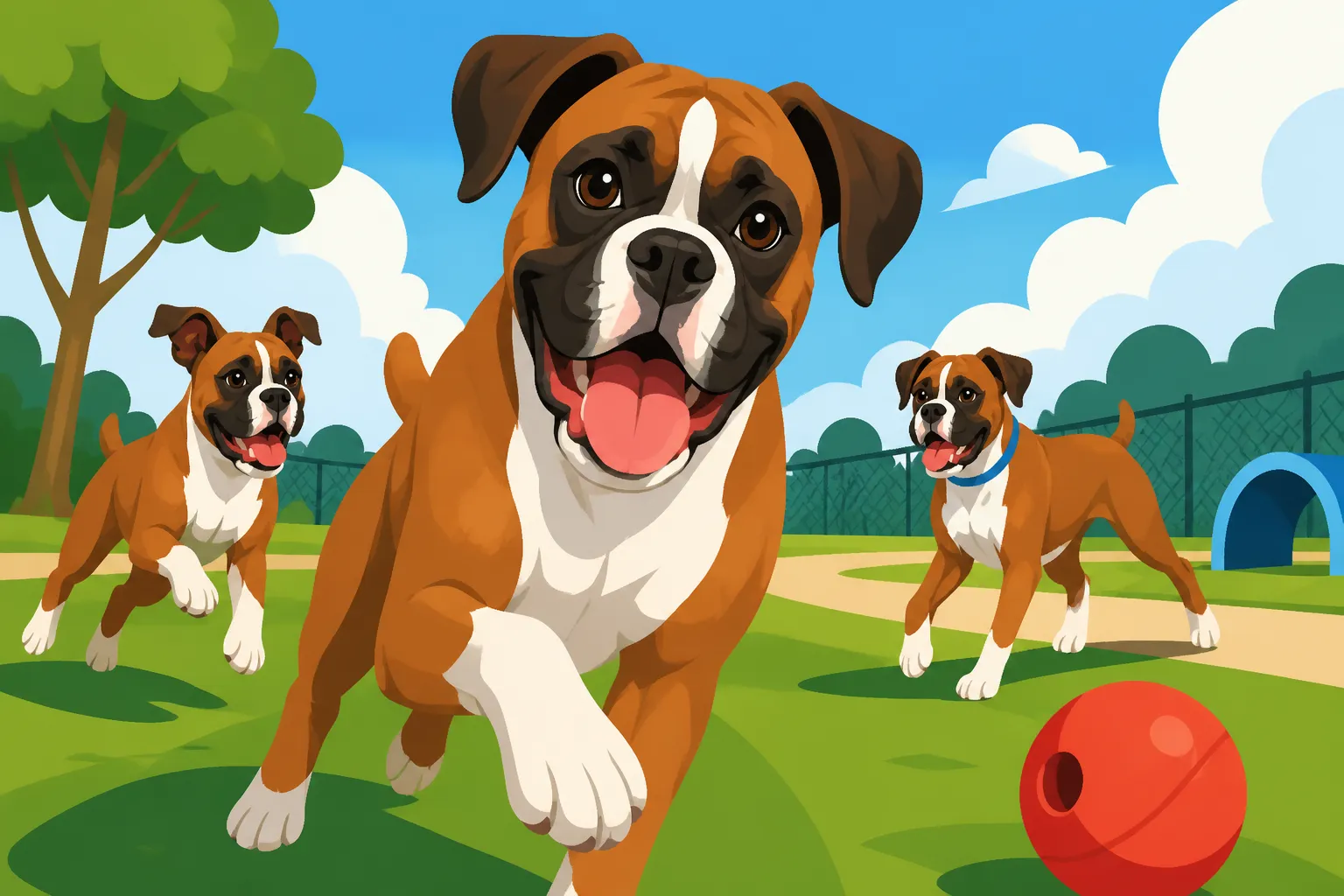
Boxers are known for their exuberant, full-body play. They "box" with their front paws, body-slam with a playful thump, and chase at incredible speeds. This isn't aggression; it's their heritage, a part of their charm. But for a dog unfamiliar with the Boxer's particular brand of rough-and-tumble, it can be overwhelming, startling, or even perceived as threatening.
Imagine a smaller, more timid dog trying to enjoy a quiet sniff of a bush, only to be suddenly pounced on by a 70-pound Boxer that just wants to play. While your Boxer intends no harm, the sheer force and intensity can be too much. Other dogs might react defensively, leading to a scuffle that could have been avoided. Similarly, Boxers tend to play with their mouths open, often leading to what looks like serious biting, even if it's merely mouthing. This can understandably alarm other owners who aren't used to a Boxer's unique expressions of joy. It’s crucial to recognize that not all dogs appreciate or understand this level of physical interaction, and it's your job to ensure your Boxer isn't unwittingly creating conflict. For more on their specific play patterns, you might want to read Whether a Boxer Plays Too Rough for a Small Dog.
Furthermore, Boxers often have an "all or nothing" approach to play. They don't typically do subtle. If they're engaged, they're 110% committed, whether it's a game of chase or a wrestling match. This can mean they tire quickly, but in their excitement, they might push themselves past their limits. A long session of intense running and jumping at a dog park, especially with multiple play partners, can lead to exhaustion, which in turn can lead to grumpiness or a lowered immune response. It also increases the risk of accidental injury, like a strained muscle or a paw pad abrasion, from uneven ground or sudden stops.
Brachycephalic Nature and Overheating Risks
One of the most critical considerations for Boxers at a dog park is their brachycephalic (flat-faced) anatomy. While undeniably adorable, this facial structure means they don't pant as efficiently as long-snouted breeds. Panting is a dog's primary way of cooling down, and a Boxer's less effective respiratory system makes them highly susceptible to overheating, even on seemingly mild days.
A dog park, with its open spaces, direct sun exposure, and high-energy play, is a prime location for a Boxer to quickly become dangerously overheated. The combination of intense physical exertion and excitement can elevate their body temperature rapidly. Owners often don't realize how quickly a Boxer can go from enthusiastic play to a medical emergency, especially if they are engrossed in conversation or distracted. Knowing How Fast a Flat-Faced Boxer Overheats is vital information for any Boxer owner.
Even if you bring water, and even if there are shady spots, the sheer level of sustained activity a Boxer will engage in at a dog park is often more than their bodies can safely regulate. It's not just about the ambient temperature, but also the ground temperature, the humidity, and the individual dog's fitness level. A Boxer pushing hard in play with other dogs might mask early signs of overheating until it's too late. Recognizing symptoms like excessive drooling, labored breathing, confusion, or a staggering gait means immediate intervention, which isn't always easy in a busy park. Consider bringing a cooling vest or portable fan – you can find many effective options on Amazon – to mitigate risk if you do choose to visit a park.
Breed Predispositions to Certain Health Issues
Boxers are known for being generally healthy, but like all purebreds, they have predispositions to certain health conditions that can make the unpredictable nature of a dog park a higher risk environment. One of the most talked-about is Arrhythmogenic Right Ventricular Cardiomyopathy (ARVC), sometimes called Boxer Cardiomyopathy. While exercise is good, extreme, uncontrolled exertion, especially if your Boxer has an undiagnosed or unmanaged heart condition, could be detrimental.
For Boxers with conditions like ARVC, even mild exercise can sometimes trigger arrhythmias, and the high-octane environment of a dog park with sudden bursts of running and excited interactions could be particularly risky. This is why regular health screenings, including annual Holter monitoring, are so important for Boxers from the age of three. Understanding Boxer Cardiomyopathy and the Holter Monitor is crucial for all Boxer owners. If your Boxer has any known heart issues, a dog park is generally not recommended, and controlled exercise is always preferred.
Beyond cardiac concerns, Boxers are also prone to certain orthopedic issues, such as Cruciate Tears in a Muscular Boxer or hip dysplasia. The sharp turns, sudden stops, and uncontrolled impacts common in dog park play can put immense strain on joints and ligaments. While accidents can happen anywhere, the chaotic nature of a dog park, where multiple dogs might collide or run into each other, increases the risk of such injuries. A torn cruciate ligament can be a painful and expensive ordeal, often requiring surgery and a lengthy recovery period. These health considerations weigh heavily on a responsible Boxer owner's decision about dog park visits.
Assessing Your Boxer's Suitability for Off-Leash Play
Deciding whether a dog park is a good fit for your Boxer isn't a one-size-fits-all answer. It requires an honest evaluation of your individual dog, their training, and your ability to manage the situation. Every Boxer is an individual, and what works for one might be a disaster for another.
Understanding Your Boxer's Individual Temperament
Is your Boxer truly a social butterfly, or do they merely tolerate other dogs? Some Boxers thrive on interaction with all kinds of canines, while others prefer the company of familiar friends or are simply happier with human interaction. Observing your Boxer's natural inclinations is paramount. Do they greet new dogs politely, or do they charge in headfirst? Do they respond well to corrections from other dogs, or do they become defensive?
A truly dog-social Boxer will display loose, relaxed body language around other dogs. Their tail will wag in wide, sweeping motions, not a stiff, high flag. They will engage in give-and-take play, understanding when to back off if another dog signals discomfort. Conversely, if your Boxer becomes stiff, growls, stares, or tries to herd other dogs, these are clear signs that a dog park might not be the right place for them. Some Boxers, especially males, can develop same-sex aggression as they mature, which can be a recipe for disaster in an off-leash environment. If you notice your Boxer has a tendency to be reactive, you might want to look at A Boxer That Lunges at Passing Dogs for guidance.
Consider how your Boxer behaves when overwhelmed. Do they try to escape the situation, or do they lash out? A Boxer that becomes easily stressed or overstimulated in a busy environment will not enjoy a dog park, and forcing the issue can lead to increased anxiety or even aggression. It's better to find alternative ways for them to socialize that cater to their comfort level, such as small, supervised playdates with known, compatible dogs. Remember, a dog park isn't the only way for a dog to be happy and socialized.
Importance of Solid Recall and Obedience Training
A reliable recall is not just a convenience at a dog park; it's a non-negotiable safety net. In an environment where dogs are off-leash and interactions can change in an instant, being able to call your Boxer away from a potentially problematic situation is essential. Imagine two dogs are getting too rough, or your Boxer is fixating on a smaller, scared dog – a solid "come" command allows you to intervene before things escalate.
Beyond recall, basic obedience commands like "sit," "stay," "leave it," and "down" are incredibly valuable. "Leave it" can prevent your Boxer from snatching a dropped treat, investigating a questionable puddle, or bothering a dog that clearly wants space. "Sit" and "stay" can be used to manage greetings at the gate or to provide a moment of calm if your Boxer is getting over-excited. Without these foundational commands, you're essentially relinquishing control in a potentially high-risk setting. This is where programs like BAXTER & Bella can be incredibly helpful, offering comprehensive online training that emphasizes real-world scenarios and builds that crucial foundation before you even step foot in a busy public space. They provide the tools to build a strong bond and reliable obedience, which are priceless in any off-leash setting.
It's also important that your Boxer listens to you even with distractions. Many Boxers are excellent in a quiet living room but become "selectively deaf" once the excitement of other dogs takes over. Before taking your Boxer to a dog park, practice your recall in increasingly distracting environments, like a busy neighborhood park on a long line, or with a trusted dog friend in a fenced area. If your Boxer won't consistently respond to Getting a Boxer's Attention Outdoors when the stakes are low, they certainly won't when adrenaline is high in a dog park.
Observing Body Language and Social Cues
As a Boxer owner, you must become a keen observer of canine body language – both your Boxer's and that of every other dog in the park. This skill is critical for preventing trouble. Learn to recognize signs of stress, fear, or overstimulation in dogs: a tucked tail, lip licking, yawning, stiff body, direct stare, whale eye (showing the whites of the eyes), or ears pinned back. These are all signals that a dog is uncomfortable and a conflict might be brewing.
Similarly, monitor your Boxer for these same cues. Is their play turning too intense? Are they ignoring another dog's signals to back off? Are they becoming fixated or overly aroused? Boxers, with their expressive faces, can sometimes be harder to read for subtle cues, so pay attention to their whole body. A stiff, high tail wag is different from a loose, happy one. Excessive panting beyond what's normal for play, even on a cool day, can indicate stress. If you see signs of stress in your Boxer or another dog, it's time to intervene and, if necessary, leave the park.
Being able to read these cues also means knowing when to advocate for your dog. If another dog is being too pushy with your Boxer, and your Boxer is clearly uncomfortable, it's okay to step in and create space. Conversely, if your Boxer is the one being too much, you need to be ready to call them off and give them a timeout. Many dog park disagreements stem from owners failing to read the room and intervene appropriately. Don't be that owner.
Strategies for a Safer Dog Park Experience with Your Boxer
If, after careful consideration, you decide a dog park is suitable for your Boxer, there are still crucial strategies you can employ to make the experience as safe and enjoyable as possible. It's about proactive management and understanding that "off-leash" doesn't mean "off-duty" for you.
Choosing the Right Dog Park and Time
Not all dog parks are created equal. Some are large, well-maintained spaces with separate areas for small and large dogs, plenty of shade, and ample water sources. Others might be small, crowded, or poorly supervised. Do your research. Visit the park without your Boxer first to observe the regular crowd. Are the owners attentive? Are the dogs well-behaved? Does the park feel clean and safe? Look for parks with double-gated entries to prevent escapes and secure fencing.
The time of day also makes a huge difference. Peak hours, typically evenings and weekends, often mean more dogs and more chaos. This increases the risk of negative interactions and makes it harder to supervise your Boxer effectively. Consider going during off-peak times, like early mornings or late afternoons on weekdays, when there are fewer dogs and you can enjoy a more relaxed environment. This is especially important for Boxers due to their brachycephalic nature; avoiding the hottest parts of the day is critical. Remember, Whether a Boxer Should Be Outside at All in July is a serious question when considering their heat sensitivity.
Consider the size and layout of the park. A smaller, contained area might be better for an initial visit, allowing you to keep a closer eye on your Boxer. Some parks also have separate sections for different play styles – e.g., a "slow dog" area or a "rough and tumble" area. While not always clearly marked, observing the general vibe of different sections can guide your choice.
Proactive Supervision and Intervention
When you're at the dog park, your full attention must be on your Boxer and the surrounding dogs. This is not the time to be scrolling on your phone, chatting with friends, or reading a book. You need to be actively engaged, scanning for potential issues, and ready to intervene at a moment's notice. Think of yourself as a referee and a bodyguard for your Boxer.
Keep moving. Standing in one spot can sometimes create a bottleneck or make your Boxer a target for too much attention. Moving around allows you to observe different interactions and gives your Boxer a chance to explore without being cornered. If you see your Boxer or another dog displaying signs of discomfort or aggression, step in immediately. A calm, firm "enough" or a quick leash grab can diffuse a situation before it escalates. Sometimes, simply walking your Boxer to another part of the park for a brief cooldown can reset their energy.
Always be prepared with treats to reinforce good behavior and to call your Boxer back. High-value treats are a must. Bring a portable water bowl and plenty of water for your Boxer, and make sure they get regular hydration breaks, especially if they are playing intensely. Don't let your Boxer drink from communal bowls, as this can spread illnesses. A well-placed Cooling Vests and Fans for a Boxer can also be a valuable tool to keep your Boxer comfortable and safe during warm weather visits.
Here's a quick comparison of dog park scenarios:
| Scenario Trait | Lower Risk | Higher Risk |
|---|---|---|
| Park Size/Layout | Large, separate areas, good visibility | Small, crowded, poor sightlines |
| Time of Day | Off-peak (early morning, late evening) | Peak (mid-day, after work, weekends) |
| Weather Conditions | Cool, overcast, low humidity | Hot, sunny, high humidity |
| Dog Temperament | Known, social, well-mannered dogs | Unknown dogs, aggressive/unruly behavior |
| Owner Engagement | Actively supervising, ready to intervene | Distracted, on phone, ignoring interactions |
| Boxer Health | No known heart/orthopedic issues, fit | History of ARVC, joint problems, overweight |
| Boxer Training | Reliable recall, good social skills | Inconsistent recall, pushy play style |
Alternative Exercise Options for Boxers
If the dog park environment consistently proves to be too risky, overwhelming, or simply not a good fit for your Boxer, don't despair! There are countless other ways to provide them with the physical and mental stimulation they need. In fact, many Boxer owners find these alternatives more rewarding and safer in the long run.
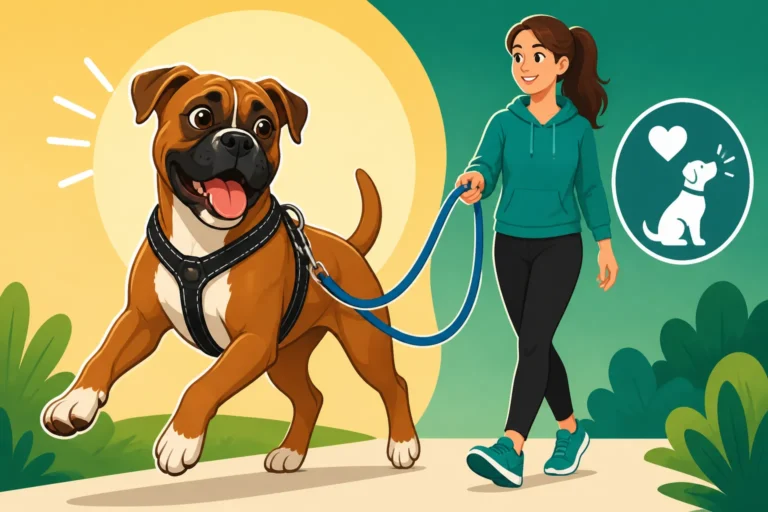
Structured playdates with known, compatible dogs are an excellent option. This allows your Boxer to socialize in a controlled environment with dogs whose temperaments you trust. You can host playdates in your securely fenced yard or arrange to meet in a quiet, rented dog field. This eliminates the unpredictability of a dog park while still fulfilling your Boxer's need for canine companionship. For high-energy breeds like Boxers, regular long walks or runs (when weather permits and within their physical limits) are fundamental. Using a Harnesses That Hold a Pulling Boxer can make these walks more enjoyable for both of you.
Consider engaging your Boxer in dog sports. Boxers excel in many activities that channel their energy and intelligence. Agility and Dock Diving With a Boxer are popular choices, as are obedience, rally, and scent work. These activities provide mental challenges, physical exertion, and strengthen the bond between you and your dog, all within a structured and supervised setting. You can find equipment like Fetch and Flirt Poles for a Boxer on Amazon that can provide great exercise in your own backyard without the chaos of a dog park. Interactive puzzle feeders and strong chew toys are also great for mental enrichment, especially on days when outdoor exercise is limited.
Ultimately, the goal is to provide your Boxer with a rich, fulfilling life, and that doesn't necessarily have to include dog park visits. By understanding their unique needs and challenges, and by exploring various safe and enjoyable activities, you can ensure your Boxer remains happy, healthy, and well-adjusted.
Disclaimer
This article is for general informational purposes only and does not constitute professional advice. Laws, prices and regulations vary by location and change over time. Consult a qualified professional for guidance on your specific situation.