A Boxer That Pulls Hard on Walks
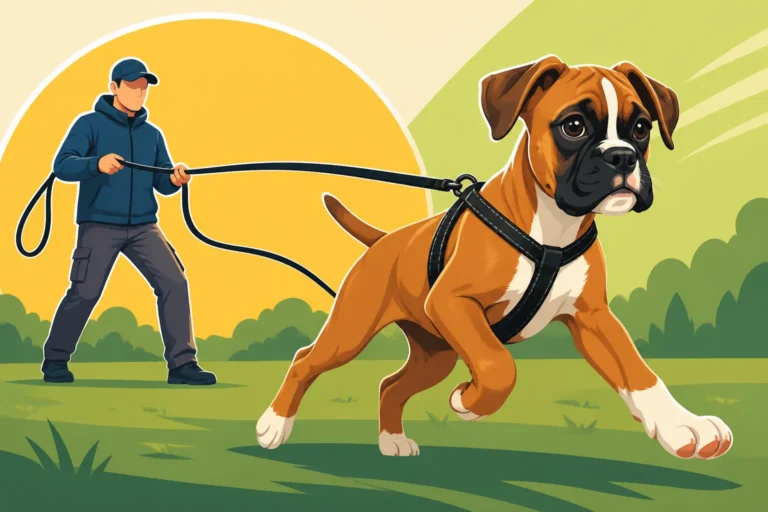
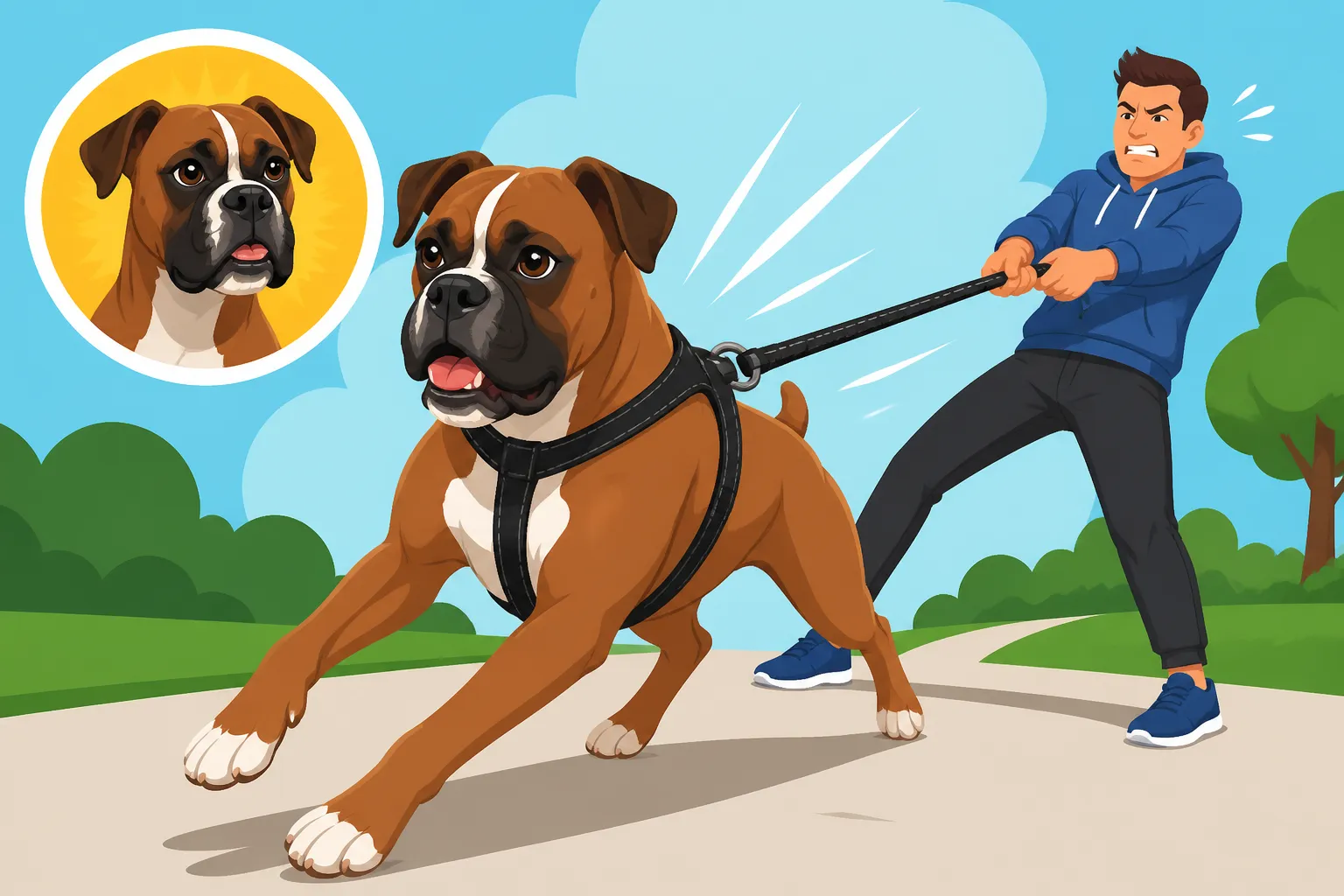
There are few things more frustrating than trying to enjoy a walk with your powerful, enthusiastic Boxer, only to feel your arm being yanked out of its socket the moment a leaf blows by or another dog appears. That bone-deep ache in your shoulder and the feeling of being dragged rather than walking together can turn what should be a pleasant outing into a dreaded chore. This guide is here to walk you through why your Boxer might be pulling so hard on the leash and, more importantly, what practical steps you can take to reclaim control and make walks enjoyable for both of you.
Understanding the Boxer's Pulling Instinct
It’s easy to feel like your Boxer is pulling just to be difficult, but in most cases, it’s not about malice; it’s about their inherent nature and an enthusiasm for life that’s truly unparalleled. These are powerful, athletic dogs, bred for work, and they approach the world with a full-throttle attitude.
The Power and Enthusiasm of a Boxer
Boxers are muscular dogs, often weighing in at 60-80 pounds of pure, unadulterated energy. When they decide they want to go somewhere, or they spot something interesting, their physical strength kicks in. A Boxer can pull with remarkable force, especially when they're excited. Think about it: they are experiencing the world through scent and sight, and everything is a potential adventure. That squirrel darting across the path? A new friend waving from across the street? A patch of interesting grass? To your Boxer, these are irresistible magnets. Their short, powerful bursts of speed and strength, combined with a relatively short attention span, mean they often haven't learned to moderate their enthusiasm on a leash. It's not that they want to be disrespectful; it's that their immediate impulse takes over, and that impulse is often to just go, go, go!
This natural exuberance is one of the many things we love about Boxers, but it's also why leash training can feel like an uphill battle. They're not being stubborn; they're being themselves, and it's our job to help them understand the rules of polite leash walking in a way that makes sense to them. Remember, for a young Boxer, the world is a thrilling place, and they often operate on a "ready, set, go!" mentality rather than a "let's walk nicely" one.
The Puppyhood That Lasts Longer
Many Boxer owners will tell you that their dogs act like puppies for a good long time, often well past their first birthday. It’s true that The Boxer Puppyhood That Lasts Three Years is a common phrase because these dogs mature slower than many other breeds. While they may be physically capable of pulling like an adult by six months, their mental maturity lags behind. This means they might have the strength of a fully grown dog but the impulse control of a much younger one.
This extended puppy phase means you're dealing with a strong, energetic dog who hasn't fully grasped self-control or the nuances of human expectations for walks. Consistency is absolutely paramount during these formative years. If your Boxer is only occasionally reminded not to pull, or if different family members have different standards, the dog will quickly learn that pulling often gets them where they want to go. This isn't a problem that fixes itself with age; it needs active, consistent training and management throughout their younger years. A two-year-old Boxer can still have the zoomies and pull just as hard as a ten-month-old if not properly guided. A Two-Year-Old Boxer That Still Zooms is a testament to their enduring puppy-like energy.
Equipment That Can Help Manage Pulling
While equipment alone won't train your Boxer to stop pulling, the right tools can make a significant difference in managing the behavior, preventing injury to yourself and your dog, and creating a more effective training environment. It’s all about leverage and communication.
Harnesses That Reduce Pulling Power
Forget traditional neck collars for a pulling Boxer. They can put dangerous pressure on your dog's trachea, especially a flat-faced breed like a Boxer, and they offer little to no leverage against a determined puller. You want to look for harnesses designed specifically to discourage pulling.
The most popular and often most effective option is a front-clip harness. Instead of the leash attaching on your dog's back, it clips at their chest. When your Boxer pulls, the leash attachment point causes them to turn sideways, redirecting their forward momentum. This makes it much harder for them to dig in and pull with their full body weight. Brands available on Amazon offer a wide variety of these, often with padded straps to ensure comfort. It's crucial to get one that fits properly, with ample room around the shoulders for natural movement and snug but not tight straps. A harness that restricts shoulder movement can actually lead to gait issues over time, so look for designs that free up that area.
Another type is the tightening harness (sometimes called a "no-pull" harness), which applies gentle pressure under the armpits or around the chest when the dog pulls. While effective, some dogs find these uncomfortable, and they can chafe if not fitted perfectly or if your Boxer has very sensitive skin. Always monitor your dog for any signs of discomfort or rubbing. These harnesses provide a clear signal to the dog: pull, and the pressure increases; ease up, and the pressure releases. This immediate feedback can be very helpful in teaching them the correlation between their actions and a consequence.
Head Halters and Their Use
For the truly powerful or persistent puller, a head halter (sometimes called a Halti or Gentle Leader) can be a game-changer. These work much like a halter on a horse, giving you control over the dog's head, and where the head goes, the body often follows. When your Boxer pulls, the head halter gently guides their head to the side, preventing them from forging ahead. It's a powerful tool because it gives you mechanical advantage over their strong neck and shoulder muscles.
However, head halters often require an adjustment period. Many dogs initially resist them, trying to paw them off their face. It’s vital to introduce a head halter slowly and positively, associating it with treats and praise, and only using it for very short periods at first. Never use it to yank or punish your dog, as this can create a strong negative association. The goal is gentle guidance, not force. With consistent positive reinforcement, most Boxers can learn to accept a head halter as a tool that allows them to go for walks. It’s worth noting that while effective, they don't teach your dog to not pull; they simply prevent it. You'll still need to work on training strategies in conjunction with this tool. Ensure you choose a reputable brand; cheap, poorly made head halters can be uncomfortable or break easily.
| Equipment Type | Description | Pros | Cons | Best Use Case |
|---|---|---|---|---|
| Flat Collar | Standard collar around the neck, leash clips on top. | Basic ID holder. | No leverage, can cause neck/throat injury for pullers. | For dogs with excellent leash manners only. |
| Front-Clip Harness | Leash clips at the chest, often with a back clip option. | Redirects forward motion, gentle, reduces pulling. | Can tangle legs if too loose, may not stop all pulling. | General training, moderate to strong pullers. |
| Back-Clip Harness | Leash clips on the back between the shoulders. | Comfortable, good for dogs who don't pull, ideal for small dogs. | Can actually encourage pulling by engaging opposition reflex. | Dogs with good leash manners, for comfort during long walks. |
| Head Halter | Goes over the muzzle and behind the ears, leash clips under the chin. | Excellent leverage and control, redirects entire dog. | Requires adjustment period, some dogs dislike the feel, looks like a muzzle. | Strong, persistent pullers, effective for reactive dogs. |
| Tightening/No-Pull Harness | Applies gentle pressure to chest/armpits when dog pulls, releases when dog stops. | Provides direct feedback to the dog, stops pulling. | Can chafe if ill-fitting, some dogs find it uncomfortable. | Dogs needing clear, immediate feedback. |
Training Strategies for a Leash-Pulling Boxer
Equipment is a management tool, but real change comes from consistent, patient training. Boxers are smart, but they're also easily distracted and sometimes stubborn. You need strategies that cater to their unique blend of power and personality.
The "Be a Tree" Method and Direction Changes
One of the simplest yet most effective ways to teach your Boxer that pulling doesn't get them anywhere is the "Be a Tree" method. The moment your Boxer pulls on the leash, you stop dead in your tracks. Become a tree – immobile, silent, and unyielding. Don't say anything, don't yank the leash back. Just stop. Your Boxer will likely be confused, pull harder for a moment, then eventually turn back to look at you, or relax the leash. The instant the leash goes slack, even for a second, start walking again. If they pull again, you stop. This teaches them that tension on the leash equals no forward movement, and a loose leash means they get to move. It requires incredible patience, especially at first, but it's a clear, consistent message.
Another excellent technique is changing direction. If your Boxer starts to pull forward, simply turn and walk in the opposite direction. This disrupts their forward momentum and forces them to pay attention to you. It's a way of saying, "You don't get to decide where we go when you're pulling; I do." Again, the moment the leash slackens, you reward that with continued movement in your chosen direction. This method, combined with "Be a Tree," helps instill the idea that you are the leader of the walk, not them. It requires you to be hyper-aware of your dog's leash tension and proactive in your movements. Loose Leash Work With an Excited Boxer delves deeper into these techniques, showing how continuous engagement helps.
Positive Reinforcement and Reward Systems
Boxers respond incredibly well to positive reinforcement. They want to please you, and they love food and play. Instead of punishing pulling, focus on rewarding the absence of pulling. Carry high-value treats on your walks. Every time your Boxer walks nicely by your side with a loose leash, mark the behavior with a verbal cue like "Yes!" or a clicker, and give them a treat. Do this frequently, especially when starting out. You want to make walking politely far more rewarding than pulling.
You can also use verbal praise and enthusiastic petting, but for a high-energy breed like a Boxer, food rewards often cut through distractions better, especially when you're trying to get Getting a Boxer's Attention Outdoors. As they improve, you can gradually reduce the frequency of treats, transitioning to intermittent rewards and eventually using life rewards, such as getting to sniff a particularly interesting bush (after a moment of loose-leash walking, of course!). Consistency is key here; every family member who walks the dog needs to use the same system so your Boxer understands what's expected of them, no matter who is holding the leash.
Seeking Professional Guidance
Sometimes, despite your best efforts, a Boxer's pulling can be overwhelming, or you might hit a plateau in your training. This is when a professional dog trainer can be an invaluable resource. A good trainer can assess your specific situation, observe your Boxer's behavior, and provide personalized strategies. They can identify subtle cues you might be missing and offer hands-on guidance. Look for trainers who use positive reinforcement methods and have experience with powerful, energetic breeds like Boxers.
A professional might recommend group classes, which offer socialization and a controlled environment with distractions, or private one-on-one sessions for more focused attention. They can also teach you advanced techniques for getting your Boxer's attention in distracting environments, or introduce you to different equipment options and how to use them safely and effectively. For instance, online platforms like BAXTER & Bella offer virtual puppy training programs and resources that can provide structured guidance right from your home, offering valuable insights and support if local trainers are scarce or inaccessible. Don't view seeking professional help as a failure; view it as an investment in a more harmonious relationship with your beloved Boxer.
Consistency and Patience: The Long Game
Training a Boxer to walk politely on a leash is not a quick fix; it's a journey that requires unwavering consistency and a deep well of patience. Remember, you're working against years of instinct and learned behavior.
Making Every Walk a Training Opportunity
It's easy to think of "training" as a separate activity from "walking." However, with a Boxer, every single walk, from the shortest potty break to the longest stroll, is a training opportunity. If you allow your Boxer to pull "just this once" because you're in a hurry or too tired to train, you're inadvertently reinforcing the pulling behavior. They learn that sometimes pulling works, which makes it harder to break the habit.
Establish clear rules for leash walking and stick to them every single time. This means if your Boxer pulls, you stop, change direction, or implement whatever training strategy you're using, without exception. This can be exhausting at first, especially with a dog as powerful and persistent as a Boxer, but consistency is the only way to effectively communicate your expectations. Even if you're only going a block, make that block a practice session. This dedication will pay off in the long run, transforming your walks from a tug-of-war into a cooperative activity.
The Importance of Household Harmony
For your Boxer to truly understand and adopt loose-leash walking, everyone in the household needs to be on the same page. If one person uses a front-clip harness and trains diligently, but another family member just lets the Boxer pull on a flat collar, your dog will receive mixed messages. This confusion will slow down progress and make it harder for your Boxer to generalize the desired behavior.
Hold a family meeting and decide on the equipment, the training commands, and the specific methods everyone will use. Demonstrate how to hold the leash, how to stop when the dog pulls, and what verbal cues and rewards to use. It’s also important for everyone to understand that Whether an Adult Boxer Can Be Retrained successfully depends heavily on consistent reinforcement from all handlers. Ensure that even children old enough to walk the dog understand their role in maintaining training consistency. The more unified the front, the faster your Boxer will learn. This united approach builds confidence in your dog, as they know exactly what's expected from anyone holding their leash.
Setting Realistic Expectations and Celebrating Small Wins
Finally, it’s crucial to set realistic expectations. You might not have a perfectly loose-leash walking Boxer overnight, or even in a few weeks. There will be good days and bad days. Your Boxer's energy levels, the environment (a busy park vs. a quiet street), and even the weather can all influence their behavior. Don't get discouraged if you feel like you're taking two steps forward and one step back.
Celebrate the small wins: a moment of slack leash, a voluntary check-in, or successfully navigating a distracting environment without a full-blown tug-of-war. These small victories accumulate and build momentum. Remember why you got your Boxer in the first place – for their boundless joy and affectionate nature. Focus on building a stronger bond through patient training rather than just "fixing" the pulling. Over time, with dedication and the right tools, those frustrating walks can indeed become the enjoyable, shared experiences you both deserve.
Disclaimer
This article is for general informational purposes only and does not constitute professional advice. Laws, prices and regulations vary by location and change over time. Consult a qualified professional for guidance on your specific situation.