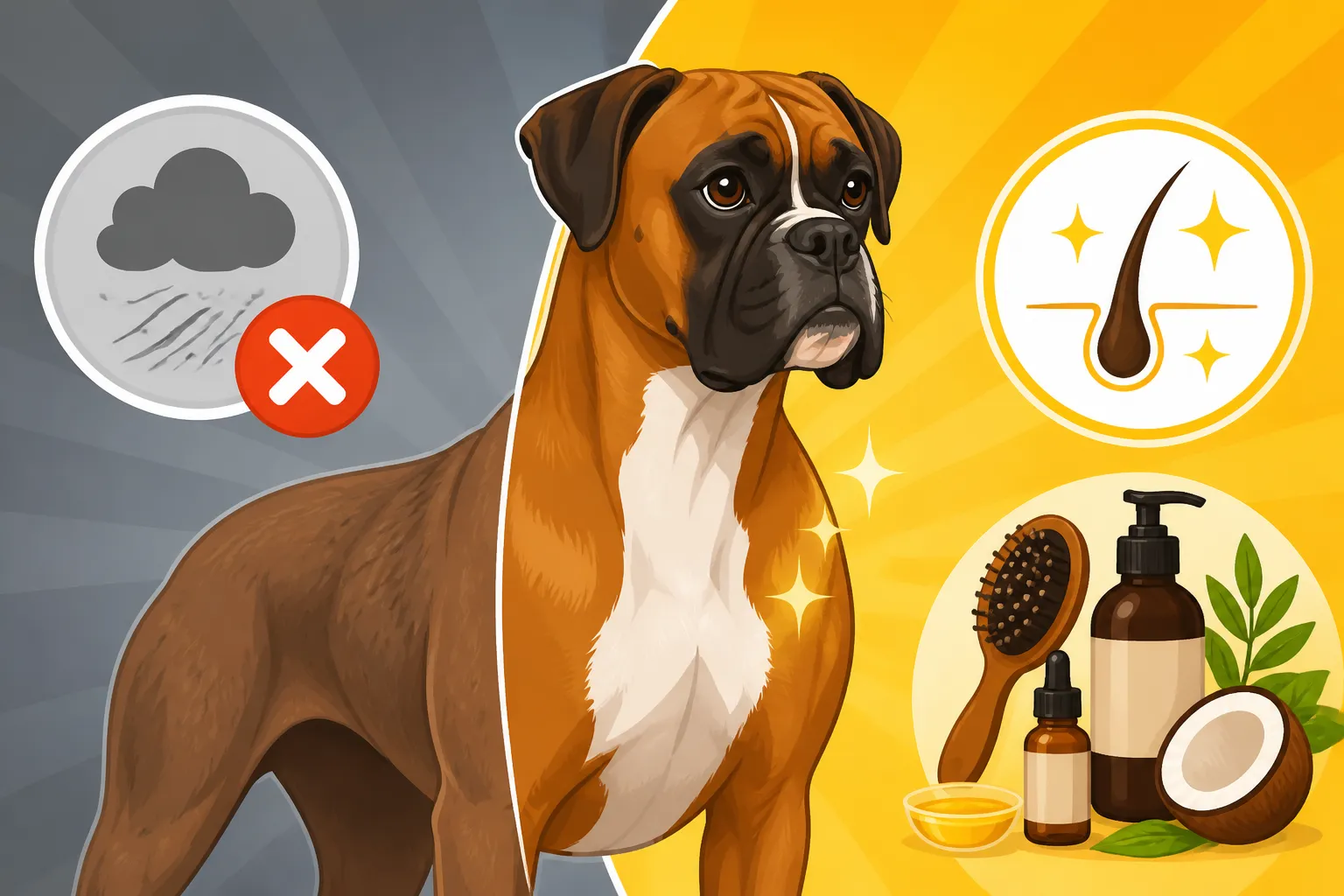
Whether Anything Improves a Boxer’s Coat Shine
It's incredibly frustrating when you look at your beautiful Boxer and notice their coat just isn't gleaming the way it should. You see pictures of Boxers with that deep, rich, almost mirror-like shine, and you wonder what magic potion those owners are using. A dull coat often feels like a reflection of poor health, even if your dog seems otherwise fine, leaving you worried and searching for answers. This guide will walk you through the practical, actionable steps you can take to bring that healthy, vibrant luster back to your Boxer's coat, addressing everything from their dinner bowl to their grooming routine and even underlying health concerns.
Unlocking Your Boxer's Radiant Coat: The Core Principles
When it comes to a Boxer's coat, what you see on the outside is very often a direct reflection of what's happening on the inside. It’s not just about brushing more; it's a holistic approach. Think of your Boxer's coat as a billboard for their overall wellness. A healthy, shiny coat indicates good nutrition, proper hydration, effective internal systems, and a generally low-stress environment. Conversely, a dull, dry, or flaky coat can be one of the first subtle hints that something might be a little off, whether it's their diet, their environment, or even an emerging health issue.
Many Boxer owners feel like they're doing everything right – feeding a good quality kibble, giving baths, maybe even a daily brush – and still, that elusive shine just isn't there. This can be disheartening, especially because Boxers, with their short, sleek coats, really ought to have a natural sheen. The key is to understand that 'good quality' isn't always enough; it's about the right quality and consistency for your individual dog, combined with regular, specific care that targets coat health from multiple angles. We're looking beyond superficial fixes to build a foundation for lasting coat health.
Nutrition: The Unseen Architect of a Dazzling Coat
The old adage "you are what you eat" holds incredibly true for our Boxers, especially when it comes to the health and appearance of their coat. What goes into their bowl fundamentally dictates the building blocks available for healthy skin and hair. If you're struggling with a dull coat, the first place to truly scrutinize is their diet. Are they getting enough of the right kind of protein? Are those essential fatty acids present and accounted for? Is their digestive system able to properly absorb nutrients? These are all critical questions.
High-Quality Protein and Healthy Fats
A Boxer’s coat, like all hair, is primarily made of protein. If your dog isn’t getting enough high-quality, easily digestible protein, their hair follicles simply won’t have the necessary material to produce strong, shiny strands. Look for dog foods where a named meat source (like chicken, beef, or lamb) is the very first ingredient. Generic "meat meal" or "by-products" can be less bioavailable and might not provide the optimal amino acid profile your Boxer needs for that healthy sheen. Think of it this way: you can't build a sturdy house with flimsy bricks, and a Boxer can't grow a vibrant coat without robust protein.
Beyond protein, healthy fats are absolutely non-negotiable for a lustrous coat. Omega-3 and Omega-6 fatty acids are crucial for skin hydration and reducing inflammation, which in turn leads to a healthier, shinier coat. Sources like fish oil (salmon, sardine, or anchovy oil), flaxseed oil, and even specific types of animal fats are excellent. Many commercial dog foods now boast about their omega content, but sometimes a supplemental boost is still necessary. You might find great options for these supplements on platforms like Chewy or Amazon, making it easy to integrate into their daily routine. Just remember to start slow and observe how your Boxer's system responds. Fish Oil for a Boxer's Skin and Heart is an excellent resource for deeper insights here.
The Role of Essential Vitamins and Minerals
While protein and fats take center stage, a host of vitamins and minerals play vital supporting roles in coat health. Zinc, for instance, is critical for cell growth and immune function, both of which impact skin and coat. Biotin, a B vitamin, is often highlighted for its benefits to hair and nails. Vitamins A and E are powerful antioxidants that protect skin cells from damage and promote healthy skin turnover. If your Boxer's diet is lacking in any of these micronutrients, even subtly, it can manifest as a dull, dry coat or flaky skin.
Sometimes, even a "complete and balanced" dog food might not deliver optimal levels for every individual Boxer, especially if they have higher demands or a slightly compromised digestive system. This is where supplements can step in, but always with caution and ideally under veterinary guidance. Ensuring a balanced diet is paramount; simply throwing a handful of supplements at the problem without first addressing the core diet is unlikely to yield the best results.
Hydration and Gut Health
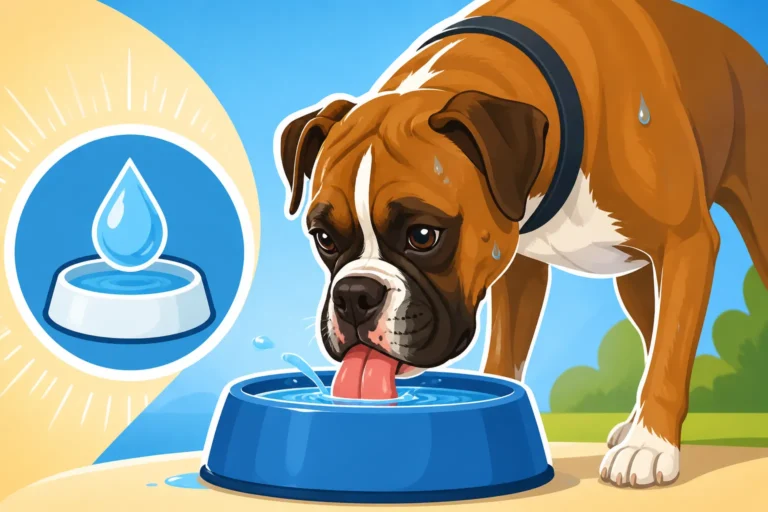
You might not immediately connect water intake with coat shine, but proper hydration is fundamental for every bodily function, including skin and hair health. A dehydrated dog will have dry skin, and dry skin inevitably leads to a dull, brittle coat. Ensure your Boxer always has access to fresh, clean water. If your dog isn't a big drinker, consider adding a little low-sodium bone broth to their water or exploring wet food options to boost their moisture intake.
Beyond hydration, gut health plays a surprisingly significant role. A healthy gut means efficient nutrient absorption. If your Boxer's digestive system isn't functioning optimally, they might not be extracting all the goodness from their food, regardless of its quality. Probiotics, prebiotics, and a diet that supports a balanced gut microbiome can indirectly lead to a shinier coat. Some Boxers are known for sensitive stomachs, and you might find that certain foods exacerbate issues. You might need to explore Diet Changes for a Boxer With Colitis if your dog has chronic digestive issues that could be impacting their nutrient absorption and, by extension, their coat.
Grooming Beyond the Basics: Hands-On Steps for Luster
While diet lays the groundwork, proper external care is what truly brings out and maintains that incredible Boxer shine. It's not just about getting them wet and scrubbing them down; it’s about a mindful routine that promotes healthy skin, removes dead hair, and distributes natural oils.
The Power of Regular Brushing
Regular brushing is perhaps the most underrated tool in your arsenal for a shiny Boxer coat. Boxers have short, dense coats that shed, perhaps surprisingly, quite a bit. Daily or every-other-day brushing with the right tool achieves several things:
- Removes Loose Hair: This prevents matting (though rare in Boxers, it can happen in their "feathers") and allows new, healthy hair to come through.
- Stimulates Circulation: The gentle massage of a brush increases blood flow to the skin, which nourishes hair follicles.
- Distributes Natural Oils: Brushing spreads the natural oils produced by the skin all over the coat, creating that healthy sheen.
For a Boxer's short coat, a good quality rubber curry brush or a shedding blade (used gently!) is ideal. A bristle brush can also be used for finishing. Work in the direction of hair growth, applying light but firm pressure. You'll be amazed at how much loose hair comes off, and how quickly their coat starts to look more vibrant. Consider adding a grooming mitt to your Amazon cart for those quick daily rub-downs that also double as a bonding moment.
Bathing Techniques and Product Choices
Bathing a Boxer can be a bit of a production, but when done correctly, it can greatly contribute to a healthy, shiny coat. The key is not to over-bathe, as this can strip natural oils, leading to dry skin and a dull coat. For most Boxers, a bath every 4-6 weeks is sufficient, unless they’ve rolled in something particularly smelly or dirty.
When you do bathe your Boxer, the choice of shampoo and conditioner matters immensely. Look for high-quality, pH-balanced dog shampoos that are free from harsh chemicals, dyes, and strong fragrances, as Boxers can sometimes have sensitive skin. Oatmeal-based shampoos are often a good choice for soothing skin, while some specialized formulations contain ingredients like aloe vera or essential oils designed to promote coat health. Always follow up with a good dog conditioner to replenish moisture and help seal the hair cuticle. Rinse, rinse, and rinse again – any shampoo residue left on the skin can cause irritation and dullness. After the bath, gently towel dry, perhaps with a soft microfibre towel, to avoid roughing up the coat too much. You might want to try a shampoo designed for Shampoo for a Boxer With Sensitive Skin if you notice any irritation.
The Finishing Touches: Conditioners and Sprays
For an extra boost of shine and softness, consider a leave-in conditioner or a conditioning spray. These products can be applied after a bath or even between baths to hydrate the coat, reduce static, and impart an immediate glossy finish. Look for sprays that contain natural oils like argan, coconut, or jojoba, or ingredients like silk protein. Always choose products specifically formulated for dogs to ensure they are safe if licked. These can be particularly helpful if your Boxer tends to have drier skin or if you live in a dry climate. Just be careful not to overdo it, as too much product can make the coat feel greasy or attract dirt.
When a Dull Coat Signals More: Health Considerations
Sometimes, a dull coat isn't just about nutrition or grooming; it can be a subtle indicator that something deeper is going on with your Boxer's health. Ignoring these signs can mean missing an opportunity to address an underlying medical condition. It's important to be vigilant and know when to seek professional veterinary advice.
Hormonal Imbalances and Systemic Issues
Several health conditions can manifest as a poor coat. Hypothyroidism, an underactive thyroid gland, is a classic culprit. Boxers, like many breeds, can be prone to this. Symptoms often include weight gain, lethargy, and a dull, dry, and thinning coat, sometimes accompanied by patchy hair loss. If you notice these signs, a trip to the vet for a blood test is definitely in order. Other systemic illnesses, even those seemingly unrelated, can draw resources away from coat health, leading to a lackluster appearance. Chronic stress, for example, can impact a dog's overall well-being, including their coat quality.
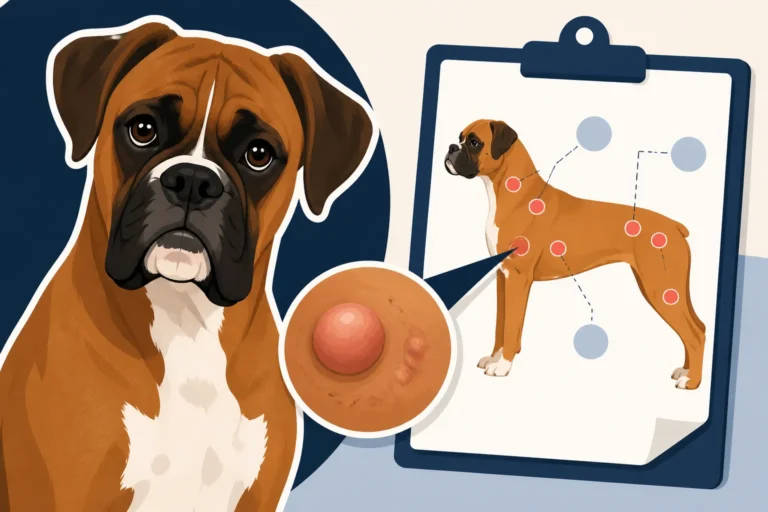
Parasites, both internal and external, are another common cause of a dull coat. Fleas, ticks, and mites can cause intense itching, leading to skin irritation, hair loss, and a generally unhealthy-looking coat. Internal parasites like worms can steal vital nutrients, again leaving your Boxer malnourished and with a poor coat. Regular parasite prevention is key here. Always be diligent with The Weekly Skin Check Every Boxer Needs to catch any external parasites or skin issues early.
Allergies and Skin Conditions
Boxers are unfortunately known for their propensity for allergies, which can significantly impact coat quality. Environmental allergies (pollen, dust mites), food allergies, or even contact allergies can cause itchy, inflamed skin, leading to scratching, licking, and a damaged, dull coat. If your Boxer is constantly itching, has redness, hot spots, or recurring ear infections, allergies might be at play. Identifying and managing these allergies, often through a combination of diet changes, medication, or environmental controls, is crucial not only for their comfort but for their coat health. Your vet might suggest a prescription diet or a limited ingredient diet from a brand like Ollie to help pinpoint food sensitivities.
Another common skin issue in Boxers is folliculitis or other bacterial/yeast infections. These can cause a greasy, scaly, or dull coat, sometimes with a foul odor. Skin biopsies or scrapings might be necessary to diagnose these conditions accurately. Once diagnosed, treatment typically involves medicated shampoos, antibiotics, or antifungals. Remember, a Boxer's short coat means that Why a Boxer's Short Coat Shows Every Rash very easily, making it important to pay close attention to any changes.
Here's a quick overview of potential causes and solutions for a dull coat:
| Cause | Common Signs | Potential Solutions |
|---|---|---|
| Poor Nutrition | Dry, brittle hair, flaking skin, lack of shine | High-quality protein, omega fatty acids, balanced diet |
| Dehydration | Dry skin, sometimes lethargy | Constant fresh water, wet food additions |
| Inadequate Grooming | Excess loose hair, matted spots, no natural sheen | Regular brushing, appropriate bathing |
| Hypothyroidism | Weight gain, lethargy, hair loss, dull coat | Vet visit, thyroid hormone replacement |
| Allergies | Itching, redness, hot spots, dullness | Allergy testing, diet changes, medication |
| Parasites (Internal/External) | Itching, visible parasites, weight loss (internal) | Regular deworming, flea/tick prevention |
| Skin Infections | Odor, greasiness, scaling, dullness | Vet diagnosis, medicated shampoos, antibiotics |
| Chronic Stress | Behavioral changes, overall poor health | Environmental enrichment, addressing stressors |
Ultimately, improving your Boxer's coat shine is a journey that often involves a combination of dietary adjustments, diligent grooming, and proactive health monitoring. By paying close attention to these areas, you're not just enhancing their appearance; you're investing in their overall health and well-being. That radiant coat will be a proud testament to your dedicated care.
Disclaimer
This article is for general informational purposes only and does not constitute professional advice. Laws, prices and regulations vary by location and change over time. Consult a qualified professional for guidance on your specific situation.