Whether a Boxer Plays Too Rough for a Small Dog
Boxer play style risks injuring a fifteen pound terrier because paws, body slams, and zoomies cause accidental collisions.
Work with the temperament you have.
House-training and crate work, recall, leash manners, separation anxiety, and the behaviors this breed is wired for.

Boxer play style risks injuring a fifteen pound terrier because paws, body slams, and zoomies cause accidental collisions.
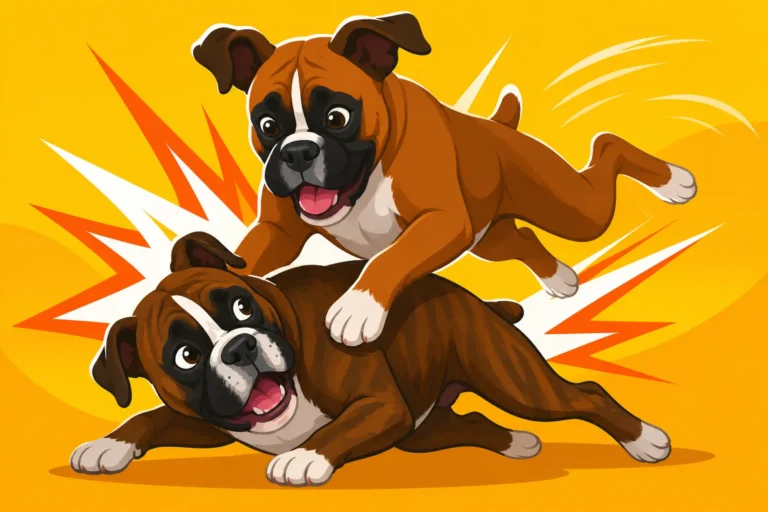
Boxer body slamming behavior stems from hunting instincts, and owners can learn strategies to manage and redirect this rough seventy-pound play.
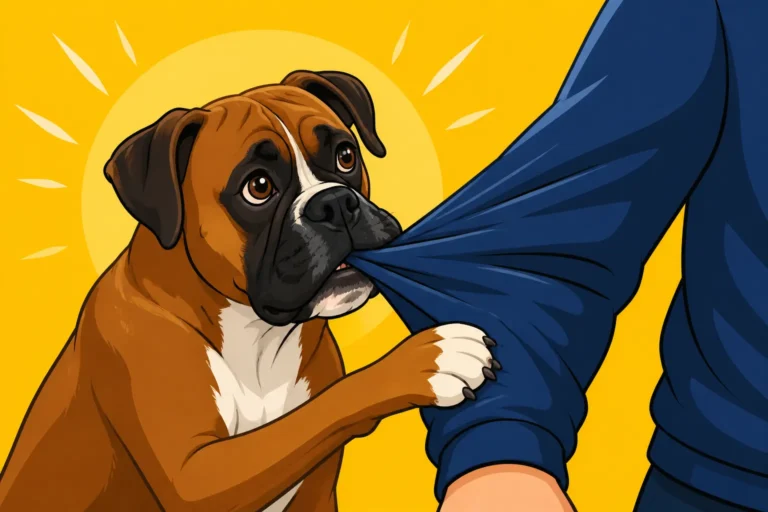
Boxer sleeve grabbing stems from high energy and play instincts, and training methods stop this behavior to protect clothing.
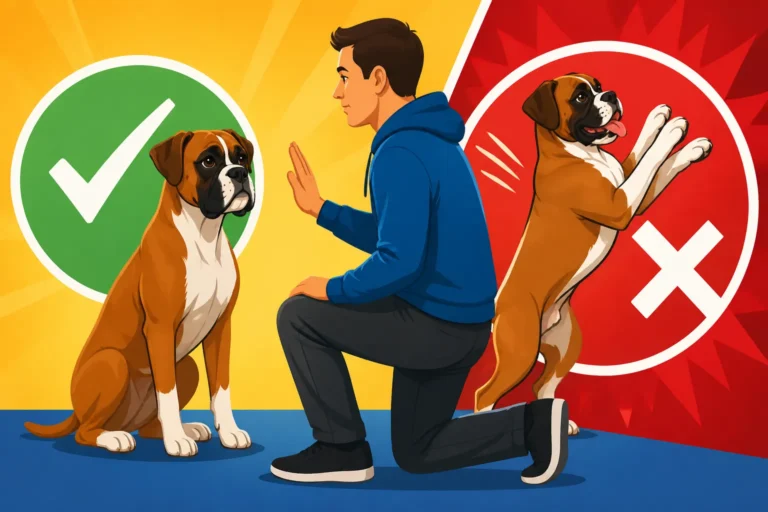
Boxer training methods explain how to stop jumping and pawing by managing energy and consistently rewarding calm behaviors.
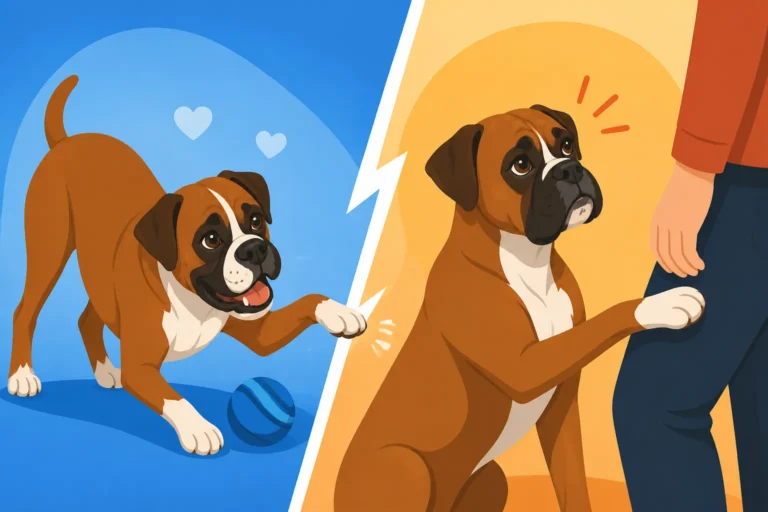
Boxer pawing behavior stems from ancestral Bullenbeisser traits and developmental stages, signaling play or demands for attention.
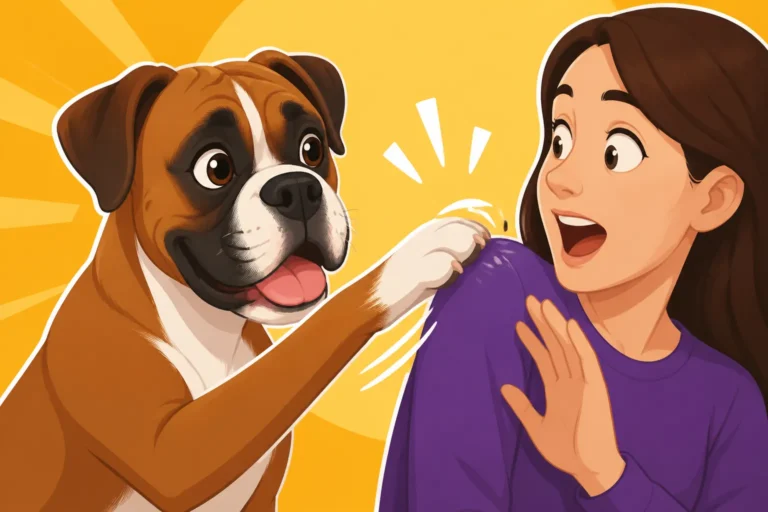
Boxer pawing behavior stems from instinct, attention seeking, and over excitement. Practical strategies redirect these actions.
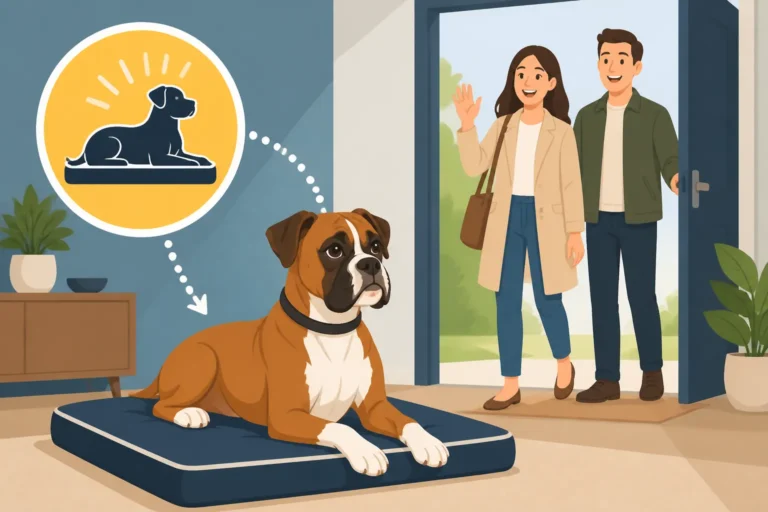
Teaching an enthusiastic Boxer the place command provides a calm job during visits, preventing dangerous jumping and chaos.
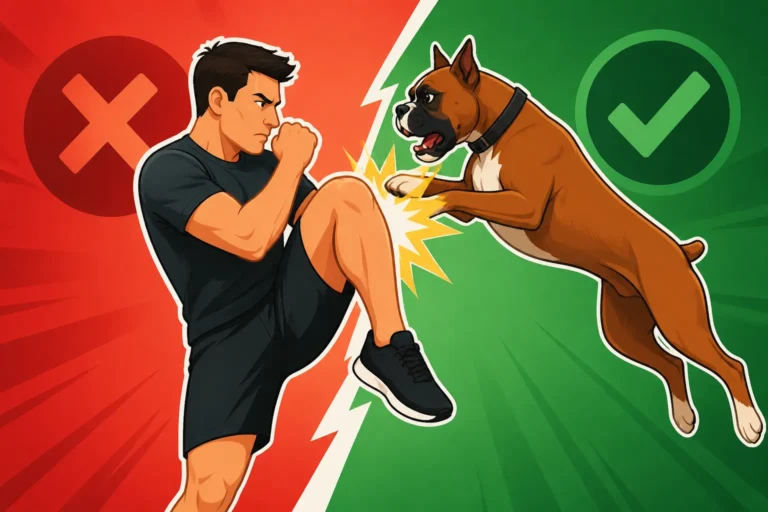
Kneeing a jumping Boxer causes physical injury and damages trust without stopping seventy pound dogs from leaping up at visitors.
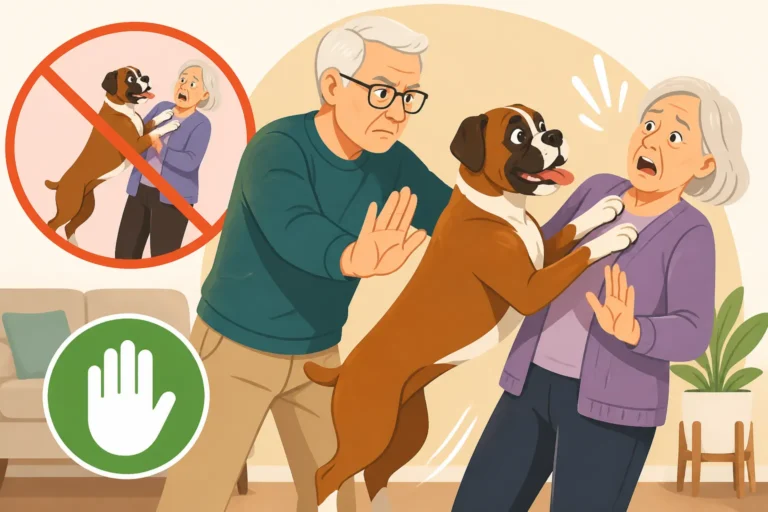
Boxer training strategies stop dogs jumping on elderly visitors by teaching appropriate greetings and four on the floor.
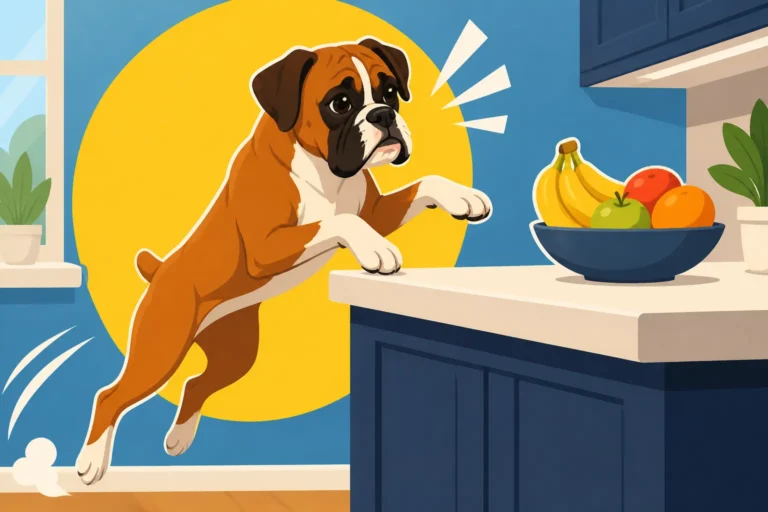
Boxer counter-surfing habits stem from scent, boredom, and accidental rewards, requiring prevention and consistent training solutions.