Feeding a Boxer Past Eight
As your beloved Boxer reaches the golden age of eight years and beyond, you might notice subtle shifts in their energy levels, their coat, or even how they interact with the world. One of the most critical areas where changes become necessary, yet often goes overlooked, is their diet. What fueled their boundless puppy energy or sustained their adult athleticism might not be what serves them best now. This comprehensive guide will walk you through the evolving nutritional needs of your senior Boxer, helping you understand how to adjust their diet to support their health, comfort, and vitality in their later years.
The Nutritional Shift in an Aging Boxer
It’s easy to think of a dog’s diet as a set-it-and-forget-it thing once they’re out of puppyhood, but that’s far from the truth, especially for a Boxer. Once your Boxer hits around eight years old, they are officially considered a senior, and their body starts to operate differently. This isn't just about slowing down; it's about internal metabolic changes that demand a thoughtful approach to what's in their food bowl.
Why a Boxer's Calorie Needs Decrease with Age
Think about your own activity levels as you've gotten older; chances are, you're not running marathons every weekend anymore (unless you're an amazing exception!). The same goes for Boxers. As they age, their metabolism slows down, and their activity levels naturally decrease. That frantic "zoomies" session might now be a contented trot around the yard, followed by a long nap. Less activity means fewer calories burned, and if you continue to feed them the same amount of food they ate as a five-year-old, those extra calories quickly turn into unwanted weight. This added weight puts unnecessary strain on their joints, heart, and other organs, exacerbating age-related issues.
The reality is that a less active older Boxer simply doesn't need as much fuel to maintain their body weight. Continuing with their younger diet can contribute to issues like obesity, which is a precursor to many other health problems down the line. It's not about starving them, but rather about providing a carefully calibrated intake that matches their current energy output, keeping them lean and comfortable without compromising their nutritional needs.
The Importance of Protein for Muscle Maintenance
Even though they're slowing down, maintaining muscle mass is incredibly important for an aging Boxer. You might observe A Boxer That Thickens and Slows Down around this age, and while some of that is natural, excessive muscle loss can significantly impact their mobility and overall quality of life. Older dogs, surprisingly, often need a higher percentage of high-quality protein in their diet than their younger counterparts. This sounds counterintuitive if you're thinking about kidney health (which we'll touch on), but it's crucial for counteracting sarcopenia, the age-related loss of muscle mass.
The right kind of protein helps their bodies repair and maintain muscle tissue without providing excess calories that might turn into fat. Look for easily digestible protein sources from lean meats like chicken, turkey, or fish. It's about quality over quantity in terms of protein percentage, ensuring they're getting the essential amino acids they need to keep their strong Boxer physique as intact as possible.
Addressing Joint Health Through Diet
Joint stiffness and arthritis are incredibly common in older Boxers, just as they are in humans. Years of bounding, playing, and general Boxer exuberance take their toll on cartilage and joints. While you might consider medications or supplements, their diet plays a foundational role in managing and potentially mitigating these issues. A diet rich in anti-inflammatory ingredients can make a noticeable difference in their comfort and mobility.
Ingredients like Omega-3 fatty acids, particularly EPA and DHA found in fish oil, are powerful natural anti-inflammatories that can help reduce joint pain and stiffness. Glucosamine and chondroitin, often included in senior dog foods or available as separate supplements, are building blocks for cartilage and can support joint health. Adding these beneficial ingredients to their diet can help keep them moving more freely, making those daily walks and slow wiggles much more enjoyable. Think of it as providing internal lubrication and repair for those hardworking joints. Arthritis in an Older Boxer is a tough reality, but diet can be a powerful tool in their management.
Common Dietary Challenges in Older Boxers
As Boxers age, their bodies don't just slow down; they can become more prone to certain health issues that directly impact their dietary needs and how they digest food. Being aware of these common challenges means you can proactively adjust their diet and work with your vet to keep them feeling their best.
Managing Weight Gain or Loss
One of the most immediate concerns for a senior Boxer is their weight. As mentioned, many Boxers gain weight due to decreased activity and a slower metabolism. This excess weight can exacerbate existing conditions like arthritis or heart issues, and it makes them feel generally sluggish. Obesity is not just about aesthetics; it's a serious health risk. Monitoring their weight regularly and adjusting their food intake downwards is crucial. You might be surprised by how little they actually need once they hit their senior years. Feeding an Old Boxer Less often becomes a necessity, not a deprivation.
Conversely, some senior Boxers can experience unexplained weight loss. This can be a more alarming sign, sometimes indicating underlying health issues such as dental pain (making it hard to eat), kidney disease, thyroid problems, or even cancer. If your Boxer is losing weight despite eating what seems like enough, or if their appetite is waning, it's vital to consult your veterinarian immediately. This isn't usually a dietary problem that can be fixed with more food; it's a symptom that needs investigation. Weight Gain and Coat Loss in a Boxer can sometimes be related to thyroid issues, which also impact metabolism and weight.
Digestive Sensitivities and Gut Health
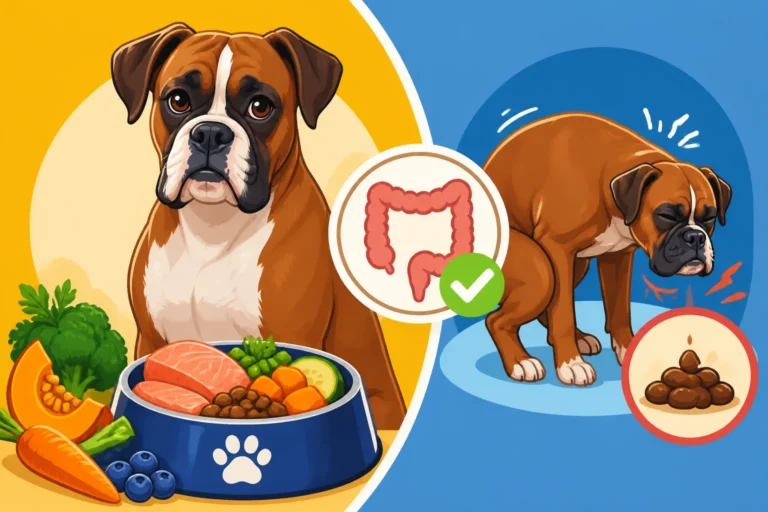
You might notice that your senior Boxer’s digestive system isn't quite as robust as it once was. This can manifest as more frequent loose stools, gas, or even constipation. Their gut microbiome can change with age, and their digestive enzymes might not be as efficient. Certain foods that they tolerated perfectly well in their younger years might now cause upset. This is where digestive health becomes paramount.
A diet that is easily digestible, often with a moderate amount of fiber, can help maintain regularity and reduce discomfort. Probiotics and prebiotics, either as supplements or found in certain foods, can support a healthy gut flora, which is essential for nutrient absorption and overall immune function. If your Boxer has chronic digestive issues, your vet might recommend a prescription diet or a limited ingredient diet to identify and avoid triggers. Supporting their gut health can lead to better nutrient absorption, a stronger immune system, and a happier, more comfortable dog. Diet Changes for a Boxer With Colitis could be relevant here, even if it's not full-blown colitis, as seniors often experience milder sensitivities.
Dental Health Considerations
Dental issues are incredibly prevalent in older dogs, and Boxers are no exception, especially with their unique brachycephalic (flat-faced) skull and often crowded teeth. Tartar buildup, gum disease, and painful decaying teeth can make eating a truly uncomfortable, if not impossible, experience. Imagine trying to chew your favorite meal with a throbbing toothache – it's no fun. If your Boxer suddenly becomes a picky eater or drops food, dental pain should be one of the first things your vet investigates.
Regular dental check-ups and cleanings are crucial. Beyond professional care, the type of food you offer can either help or hinder. Hard kibble can sometimes help scrape off plaque, but if their teeth are already sore, it might be too painful. Softer foods, or kibble moistened with water or broth, can be a godsend for Boxers with compromised dental health. Dental chews and specific dental diets can also play a role, but they won't fix severe existing issues. Maintaining good dental hygiene throughout their life is the best preventative measure, but adapting their food consistency as they age is essential for their comfort and continued appetite. Whether a Boxer Needs Yearly Dental Cleaning is a question that often comes up, and the answer is a resounding yes for many seniors.
Choosing the Right Food for Your Senior Boxer
Navigating the pet food aisle can feel like a maze even for a young, healthy Boxer, so imagine the challenge when you're looking for something tailored to an aging companion. However, making informed choices about their diet is one of the most impactful ways you can support your senior Boxer's health.
Deciphering Senior Dog Food Labels
The term "senior dog food" isn't always a magic bullet, as regulations around what constitutes a "senior" formula can vary. However, these foods are generally formulated with the common needs of older dogs in mind. When you're standing at the store or browsing online (say, on Chewy's extensive selection), here's what to look for on the label:
- Reduced Calorie Content: This is often the primary difference. Look for foods with fewer calories per cup to help prevent weight gain.
- Higher Quality Protein: As discussed, good quality, highly digestible protein is key for muscle maintenance. Look for named meat sources (e.g., "chicken meal" rather than "meat meal") high up on the ingredient list.
- Joint Support Ingredients: Glucosamine, chondroitin, and Omega-3 fatty acids (like fish oil) are commonly added.
- Fiber for Digestive Health: A moderate amount of fiber can aid digestion and regularity.
- Antioxidants: Vitamins E and C, along with other antioxidants, can help combat cellular aging.
Don't just grab the first bag labeled "senior." Compare brands, read the ingredient lists carefully, and understand that sometimes a specific "all life stages" food with the right nutritional profile can be just as good, if not better, than a generic senior formula.
Wet Food vs. Dry Kibble for Older Jaws
The decision between wet food and dry kibble for your senior Boxer often comes down to their individual needs and preferences. Each has its pros and cons:
| Food Type | Pros | Cons | Ideal For |
|---|---|---|---|
| Dry Kibble | Helps clean teeth (sometimes); cost-effective; longer shelf life; easy to portion | Can be hard for sore teeth/gums; lower moisture content; some seniors find less palatable | Seniors with good dental health; owners on a budget; those needing easy storage |
| Wet Food | Highly palatable; high moisture content (good for hydration); soft for sore mouths | Can be more expensive; shorter shelf life once opened; can contribute to dental plaque if not addressed | Seniors with dental issues; picky eaters; those needing increased hydration; dogs with kidney issues (under vet guidance) |
| Soaked Kibble | Combines benefits of both; softens for easy chewing; increases hydration | Requires preparation time; shorter "bowl time" before spoiling | Good compromise for Boxers transitioning or with mild dental sensitivity |
Many owners find a combination works best – perhaps kibble moistened with water or low-sodium broth, or a scoop of wet food mixed into their kibble to entice them and add moisture. Brands like Ollie offer fresh, human-grade food options that are naturally softer and can be excellent for senior Boxers with dental issues or those needing increased palatability, though they come at a different price point.
Supplementing for Optimal Health
While a well-formulated senior diet should provide most of what your Boxer needs, certain supplements can offer targeted support as they age. However, always discuss any supplements with your veterinarian before adding them to your Boxer's regimen, as too much of a good thing can sometimes be harmful, and some supplements can interact with medications.
- Omega-3 Fatty Acids (Fish Oil): Excellent for joint health, skin and coat quality, and cognitive function.
- Glucosamine & Chondroitin: Direct support for joint cartilage. Often combined in a single supplement.
- Probiotics: If your Boxer has digestive sensitivities or has recently been on antibiotics, a probiotic can help restore healthy gut flora.
- Antioxidants: If their diet isn't particularly rich in natural antioxidants, an additional supplement can support their immune system and cellular health.
- CBD Oil: Some owners report success with CBD oil for managing chronic pain (like arthritis) or anxiety in older dogs, but research is ongoing, and quality can vary. Look for reputable brands on Amazon or other pet supply sites, but always verify with your vet first.
Remember, supplements are meant to supplement a good diet, not replace it. They can be a valuable tool in keeping your senior Boxer comfortable and healthy, but they are not a cure-all.
Feeding Strategies for Senior Boxers
It's not just what you feed your senior Boxer, but how you feed them that can make a big difference in their comfort, digestion, and enjoyment of mealtime. As they age, small adjustments to their routine can have a significant positive impact.
Adjusting Meal Frequency and Portion Sizes
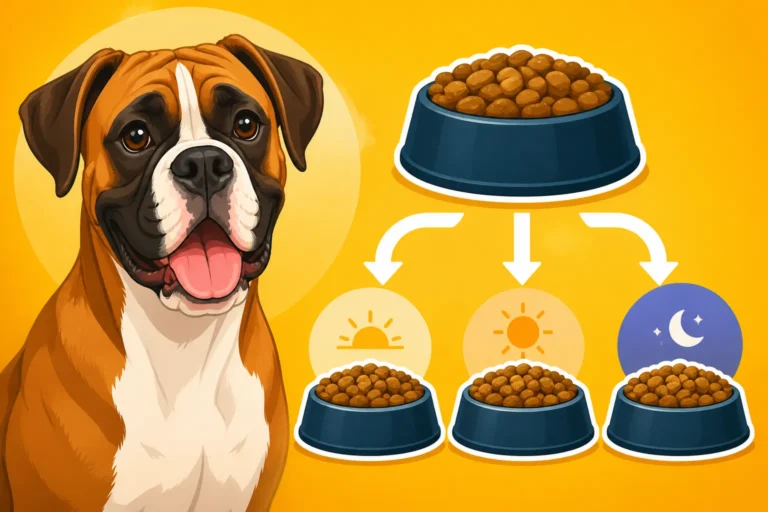
The "two meals a day" rule might be standard for adult dogs, but for a senior Boxer, a different approach can often be beneficial. Splitting their daily food allowance into three smaller meals can be easier on their digestive system, preventing an overload and reducing the risk of bloat, a condition that Boxers are unfortunately predisposed to. Smaller, more frequent meals can also help stabilize blood sugar levels, which can be particularly helpful for older dogs.
You will almost certainly need to reduce their portion sizes compared to their younger years. This is directly tied to their decreased calorie needs. Don't just eyeball it; use a measuring cup to ensure accuracy. Regularly assess their body condition – you should be able to feel their ribs without pressing hard, and they should have a discernible waist when viewed from above. If you notice they're gaining or losing weight, adjust their portions accordingly, making small changes over time. Consistency is key, and Feeding a Boxer Twice a Day might need to become three times a day, or simply involve smaller overall portions.
Hydration and Its Critical Role
Hydration becomes even more critical for senior Boxers. Older dogs are more susceptible to dehydration, and their kidney function might not be as robust as it once was. Adequate water intake supports kidney health, helps move waste products through their system, and keeps all bodily functions running smoothly.
Make sure fresh, clean water is always available in multiple locations throughout your home. Consider adding a few drops of low-sodium chicken or beef broth to their water bowl to make it more appealing, or offer wet food, which naturally has a much higher moisture content. If your Boxer is a slow or reluctant drinker, try a pet drinking fountain; some dogs are enticed by the running water. For Boxers with certain health conditions, like early kidney disease, increasing water intake is often a primary recommendation from the vet. Pay attention to how much they're drinking, and if you notice a significant decrease (or increase), it warrants a call to your veterinarian.
Creating an Enjoyable Eating Experience
Mealtime should be a positive and comfortable experience for your senior Boxer. As they age, physical limitations can make eating from a floor-level bowl challenging. Consider using raised bowls, which can reduce strain on their neck, back, and joints, making it easier for them to eat without discomfort. For Boxers with painful joints or mobility issues, this can be a huge relief.
Some older Boxers might also appreciate a quieter, less stimulating environment for their meals. If they used to eat in the middle of a busy kitchen, perhaps moving their bowl to a quieter corner can help them focus and feel more secure. If they're struggling with appetite, warming their food slightly (never hot!) can enhance its aroma and make it more enticing. A little human interaction during mealtime, perhaps a gentle stroke or encouraging words, can also make a world of difference. Remember, the goal is not just to provide nutrition, but to ensure they look forward to and comfortably consume their meals.
When to Seek Veterinary Nutritional Advice
Even with the best intentions and careful research, there will be times when your senior Boxer's dietary needs extend beyond what you can manage alone. Knowing when to involve your veterinarian is crucial for their long-term health and well-being.
Recognizing Red Flags in Your Boxer's Eating Habits
Changes in eating habits are often the first sign that something isn't quite right with your senior Boxer. Don't dismiss them as just "getting old." Pay close attention to these red flags:
- Sudden or Persistent Loss of Appetite: If your Boxer is refusing to eat for more than a day, or consistently picking at their food, it's a serious concern.
- Excessive Thirst or Urination: Could indicate kidney disease, diabetes, or other metabolic issues.
- Significant Weight Change (Gain or Loss): Unexplained weight shifts always warrant investigation.
- Chronic Vomiting or Diarrhea: While occasional upset can happen, ongoing digestive issues need veterinary attention.
- Difficulty Chewing or Swallowing: This points to dental pain, an oral injury, or potentially a neurological issue.
- Changes in Coat Quality: A dull, dry, or thinning coat can sometimes be a sign of nutritional deficiencies or underlying illness.
Keeping a log of these changes can be incredibly helpful for your vet. Note down when they started, how severe they are, and any other symptoms you've observed. Early detection and intervention are key to managing age-related conditions effectively.
Tailoring Diets for Specific Health Conditions
As Boxers get older, they become more susceptible to a range of health conditions, many of which require specific dietary adjustments. These are often beyond what a general "senior" food can provide. Common conditions in older Boxers that necessitate a tailored diet include:
- Kidney Disease: Requires diets restricted in phosphorus and protein (but still with high-quality protein to maintain muscle), and often increased moisture. Kidney and Liver Values in an Aging Boxer are vital tests to monitor.
- Heart Disease: May require diets low in sodium to help manage fluid retention.
- Diabetes: Needs diets with consistent carbohydrate levels and often higher fiber to help regulate blood sugar.
- Allergies or Sensitivities: May necessitate novel protein or limited ingredient diets to avoid triggers.
- Cancer: Nutritional support can be complex, often focusing on highly palatable, calorie-dense foods to prevent cachexia (wasting).
- Liver Disease: Can require diets restricted in certain types of protein or copper.
For these conditions, your veterinarian might recommend a prescription diet, which is specifically formulated to manage the disease. These diets are not "just food" but are a crucial part of their medical treatment plan.
Working with Your Vet for a Personalized Plan
The best approach to feeding your senior Boxer is always a collaborative one with your veterinarian. They have the medical expertise to diagnose underlying conditions, interpret bloodwork (like kidney and liver values), and recommend the most appropriate nutritional strategy for your individual dog.
Your vet can help you:
- Assess Body Condition Score: Beyond just weight, this helps determine if your Boxer is underweight, overweight, or ideal.
- Recommend Specific Senior Formulas: Based on their health status and any pre-existing conditions.
- Suggest Appropriate Supplements: Ensuring they are safe and beneficial for your Boxer.
- Create a Feeding Schedule: Tailored to their needs and your lifestyle.
- Monitor Progress: Regular check-ups allow for adjustments as your Boxer’s health evolves.
Don't hesitate to ask questions and express your concerns. Your vet is your most valuable resource in navigating the unique dietary demands of your beloved senior Boxer, helping them enjoy their golden years to the fullest. Caring for a Boxer Past Eight often involves these close consultations.
Disclaimer
This article is for general informational purposes only and does not constitute professional advice. Laws, prices and regulations vary by location and change over time. Consult a qualified professional for guidance on your specific situation.