Whether a Boxer Can Compete in Obedience
Many Boxer owners adore their dogs' goofy, high-energy personalities, but often wonder if all that clownishness means they can't handle the serious demands of competitive obedience. It’s a common frustration to have a dog that knows "sit" at home but seems to forget it the moment you step into a busy environment. This guide is here to shed light on whether your Boxer has what it takes to not just participate, but truly excel, in the structured world of obedience trials.
Understanding the Boxer's Unique Temperament for Obedience
Before we even talk about training techniques, it’s crucial to understand the Boxer at its core. These aren't your typical serious, stoic obedience contenders. They bring a vibrant, almost boisterous energy to everything they do, and that includes learning. This temperament is both their greatest asset and their biggest challenge in the obedience ring.
The Intelligence and Drive Beneath the Silliness
Don't let the playful antics fool you; Boxers are incredibly intelligent dogs. They pick up new commands with surprising speed and can learn complex sequences of behaviors. What often gets mistaken for stubbornness is actually a keen intelligence coupled with a strong will and a desire to understand why they should do something. They're not just looking for a treat; they're looking for a partnership, a clear purpose, and most importantly, fun! They want to engage with you, and if the task isn't stimulating enough, their clever minds will quickly find something else to entertain themselves with.
Their drive, when properly channeled, is immense. Boxers thrive on attention and approval from their beloved people. This intrinsic motivation, when tapped into, can make them formidable competitors. They aren't going to just go through the motions; they'll perform with enthusiasm and a flair that is uniquely Boxer. The key is finding that internal "yes" and making the training feel like a game where winning means pleasing you, the handler.
The Challenge of the "Boxer Brain" and Short Attention Spans
While intelligent, Boxers can sometimes be easily distracted or, shall we say, prone to selective hearing. Their attention spans, especially as youngsters, can be fleeting. This isn't because they're dumb; it's often because they're experiencing the world with such gusto that every sniff, every sound, and every passing butterfly is an event worth investigating. This means long, repetitive training sessions are usually a recipe for disaster. You’ll find yourself with a dog that’s either completely tuned out or has decided to offer a series of random, entertaining behaviors instead of the "stay" you asked for.
It's a common lament among Boxer owners: their dog knows the command perfectly in the living room, but totally forgets it in a new environment. This isn't defiance; it's often a case of insufficient generalization. They haven't learned that "sit" means "sit" everywhere, not just on the kitchen floor. Their puppyhood also tends to last longer than many other breeds, often until they're three years old, meaning that adolescent exuberance and distractibility can persist for quite some time. The Boxer Puppyhood That Lasts Three Years really highlights this extended period of immaturity.
High Energy and Physicality in the Ring
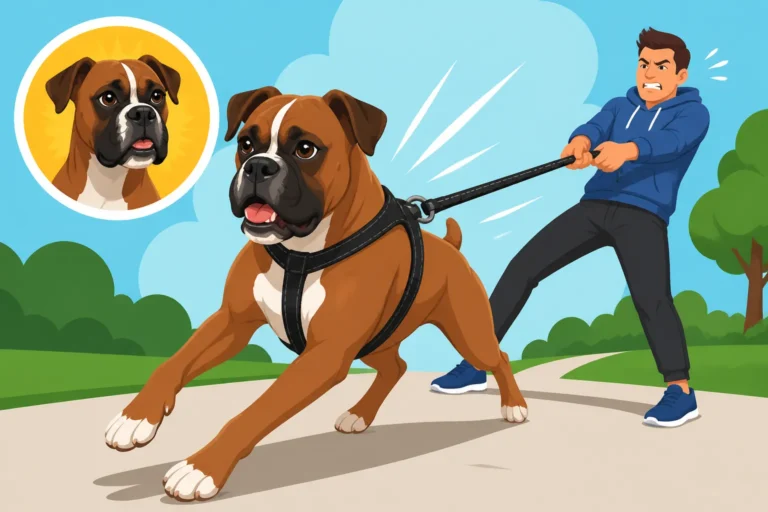
Boxers are powerful, athletic dogs. They were originally bred to be working dogs, and that physicality is very much still present. This means they have an abundance of energy that needs a constructive outlet. In an obedience setting, this can manifest as enthusiastic, but sometimes clumsy, retrieves, or overly exuberant greetings to the judge. Their powerful bodies mean they can be a handful on a leash if not properly trained, making loose-leash heeling a significant accomplishment.
Their signature "Boxer wiggle" and tendency to use their front paws in play can also present unique challenges. A Boxer might "box" at your face during a recall or attempt to paw at you during a stand-for-examination, which, while endearing at home, is not a winning move in the obedience ring. Understanding their natural physical tendencies is crucial for anticipating these moments and gently redirecting them into desired behaviors. The good news is that this energy, once harnessed, results in incredibly dynamic and joyful performances.
Tailoring Training Methods for Boxer Success
Given the Boxer's unique blend of intelligence, exuberance, and sensitivity, a one-size-fits-all training approach simply won't work. To succeed in obedience, you need to become a master of motivation and engagement, always remembering that a bored Boxer is a difficult Boxer.
Positive Reinforcement and Engaging Rewards
For a Boxer, harsh corrections or a heavy hand in training will almost always backfire. They are sensitive dogs who shut down when treated unfairly or with too much negativity. Instead, Boxers thrive on positive reinforcement – using rewards to mark and strengthen desired behaviors. This means lots of praise, exciting toys, and high-value treats. Think about what truly motivates your individual Boxer. Is it a squeaky ball, a piece of cooked chicken, or a vigorous game of tug?
Varying your rewards keeps the game interesting. Sometimes it's a food reward, other times it's a quick play session with a favorite tug toy you might find on Amazon. The key is to make you the most exciting thing in the environment. If your Boxer believes that paying attention to you leads to awesome things, they'll be far more engaged. For many Boxers, the biggest reward is simply your enthusiastic approval and affection. Rewards a Boxer Will Work Hard For delves into finding those perfect motivators.
Keeping Sessions Short, Sweet, and Fun
Because of their energetic nature and sometimes short attention spans, training sessions with a Boxer should be like commercial breaks – short, impactful, and always leaving them wanting more. Aim for 5-10 minute sessions, several times a day, rather than one long, drawn-out hour. This approach prevents boredom, maintains high engagement, and prevents mental fatigue. End each session on a high note, even if it means asking for a simple "sit" that you know they'll nail, and then showering them with praise.
Making training a game rather than a chore is paramount. Incorporate elements of play, movement, and variety. Don't drill the same exercise over and over until both you and your Boxer are frustrated. Instead, teach an exercise, practice it a few times successfully, and then move on to something else or take a break. This keeps their intelligent minds stimulated and prevents them from "checking out." Keeping Boxer Training Sessions Interesting offers more ideas on how to do this.
Building Focus and Consistency
One of the biggest hurdles for an aspiring obedience Boxer is maintaining focus in distracting environments. This requires a systematic approach to training. Start in a quiet, low-distraction environment, like your living room. Once your Boxer is performing reliably there, gradually introduce minor distractions. Maybe the TV is on, or someone walks through the room. Slowly increase the level of distraction, moving to the backyard, then a quiet park, and eventually a busy training class. Getting a Boxer's Attention Outdoors is a must-read for this progression.
Consistency is another non-negotiable. Everyone in the household needs to be on the same page with commands and expectations. If one person allows jumping while another corrects it, your Boxer will quickly become confused. Attending a structured class can be invaluable for consistency, offering external feedback and a dedicated training environment. Many programs, like those offered by BAXTER & Bella, provide comprehensive online support that can help maintain consistency across different handlers and environments. Remember, training isn't just about teaching commands; it's about building a language and a relationship with your Boxer that allows them to trust your guidance, even when there's a squirrel in the distance.
Boxers in the Competitive Obedience Arena
So, can a Boxer truly shine in the obedience ring? Absolutely! While they might not be the most common breed you see taking top honors, the Boxers who do compete often do so with an undeniable zest and powerful performance that is a joy to watch. It's about playing to their strengths and understanding where they might need a little extra support.
Navigating Novice and Open Obedience Titles
The journey through competitive obedience typically starts with Novice (CD – Companion Dog) and progresses to Open (CDX – Companion Dog Excellent). These levels test fundamental behaviors like heeling, sit/stay, down/stay, recalls, and retrieves.
- Novice (CD): A Boxer can do very well here. Their enthusiasm for a recall, where they sprint back to you with joy, can be a major asset, often earning high scores. The long sit and down stays can be challenging due to their high energy and potential for boredom, but with careful training, they can perform these reliably. The retrieve, which might seem basic, often needs specific shaping to ensure they pick up and return the dumbbell with enthusiasm without playing with it.
- Open (CDX): This level introduces more complex tasks like the broad jump, drop on recall, and scent discrimination. The broad jump is usually a breeze for athletic Boxers, who love to launch themselves over obstacles. The drop on recall requires a quick, precise response to a verbal command while running, which can be tricky for a dog that loves to power through. Scent discrimination might be more of a mental puzzle that needs patient, fun-filled training to appeal to their intelligent but sometimes "what's in it for me?" minds.
For a Boxer, the challenge isn't usually in learning the exercises, but in performing them consistently and enthusiastically under trial conditions, with all the distractions of other dogs, handlers, and the judge. This is where that strong bond you've built during training really pays off.
The Boxer's Strengths in Specific Exercises
Boxers often excel in exercises that allow them to use their natural athleticism and their desire to engage with their handler.
- Recalls: A well-trained Boxer's recall is a sight to behold. They bound back to their owner with incredible speed and joy, often earning high points for their willingness and enthusiasm. This is a natural fit for their energetic and people-focused nature.
- Heeling (especially fast pace): When a Boxer is "on," their heeling can be powerful and precise. Their natural stride can cover ground quickly, making the fast pace segments of heeling look particularly impressive. However, maintaining focus and not getting distracted by other dogs or interesting smells requires significant practice.
- Broad Jump: This is often a Boxer favorite. Their muscular build and natural athleticism mean they take to jumping with gusto. Teaching them the mechanics is usually quite straightforward, and they enjoy the physical challenge.
These are areas where a Boxer can truly stand out, demonstrating their inherent capabilities. It's about accentuating the positive and embracing their unique style.
Overcoming Common Boxer Hurdles in Competition
Despite their strengths, Boxers do face some common hurdles in obedience:
- Maintaining Stays: The long sit and down stays demand a calm focus that can be counter to a Boxer's nature. They might get bored, shift positions, or even try to engage with other dogs. Training needs to emphasize duration and distraction control, gradually building up the time they are expected to stay.
- Precise Positions: Boxers, while intelligent, are not always the most precise with their body movements unless carefully shaped. Teaching them to sit squarely, or to execute a perfect "finish" (returning to heel position) requires attention to detail and consistent repetition.
- Distraction Management: This is probably the biggest challenge. A new smell, a funny sound, or another dog doing something interesting can pull a Boxer's attention away instantly. This is why extensive proofing in various environments is crucial, and why Group Class Against Private Work for a Boxer offers different benefits for managing this. Exposure to various sights and sounds from a young age can help, as explored in Socializing a Boxer Puppy Before Sixteen Weeks.
Remember, while some of these sound challenging, they are not insurmountable. With a dedicated handler who understands the Boxer psyche and is willing to adapt training methods, these hurdles become opportunities for growth and deeper bonding.
| Trait | Impact on Obedience Training | Strategy for Success |
|---|---|---|
| High Energy | Can lead to difficulty focusing, "zoomies" in the ring, or breaking stays. | Pre-exercise, short sessions, active rewards. |
| Playfulness/Clownishness | May offer silly behaviors instead of desired commands, easily distracted by novelty. | Make training fun, use high-value rewards, maintain a lighthearted but firm approach. |
| Intelligence | Quick to learn new commands and cues, understands complex sequences. | Capitalize on their eagerness to learn, introduce variety. |
| Sensitivity | Can be easily discouraged by harsh corrections or loud voices; holds grudges. | Purely positive reinforcement, calm demeanor, build trust. Why a Boxer Shuts Down When You Get Loud |
| Strong Bond | Highly motivated to please their handler, works well in a team once trust is established. | Reinforce the partnership, make training a shared activity, lots of praise. |
Beyond the Basics: Advanced Obedience and the Boxer
Once a Boxer has mastered the Novice and Open levels, the world of Utility obedience and beyond opens up. This is where the partnership between dog and handler truly shines, requiring immense trust, precision, and intricate teamwork.
Utility and Beyond: The Pinnacle of Obedience
Utility (UD – Utility Dog) is the highest level of traditional obedience, involving exercises like scent discrimination with articles, signal exercises (commands given by hand signals only), directed retrieve, and moving stand for examination. For a Boxer, this level represents the ultimate test of their focus and your ability to communicate clearly without verbal cues.
- Scent Discrimination: Boxers have a good nose, but channeling that into precise discrimination of articles scented only by the handler, among others, requires patient and systematic training. This is a mental exercise that truly challenges their intelligence.
- Signal Exercises: Performing a full routine of sits, downs, and stays using only hand signals demands incredible attentiveness from the Boxer and precision from the handler. This builds on the deep bond and understanding you've fostered.
- Directed Retrieve: Sending your Boxer to retrieve a specific glove from a lineup is another test of their ability to understand and execute complex directions, especially when performed at a distance.
Boxers competing at the Utility level are a testament to their handlers' dedication and the breed's often underestimated capabilities. It demonstrates that the Boxer's "clownish" nature can be channeled into remarkable feats of precision and teamwork. It takes a lot of careful training, and Managing a Boxer Between Six and Eighteen Months helps prepare for the foundational skills needed for such advanced work.
The Role of the Handler in a Boxer's Advanced Journey
Ultimately, a Boxer's success in competitive obedience, especially at advanced levels, is a direct reflection of their handler. Your patience, creativity, and ability to keep training engaging are paramount. You need to be your Boxer's biggest cheerleader, making every moment of training a positive and rewarding experience. This means understanding their limits, knowing when to push a little harder, and recognizing when they need a break or a change of pace.
Finding a trainer who understands the Boxer breed and their unique motivational needs is also incredibly important. Look for trainers who use positive, reward-based methods and who can think outside the box to keep a Boxer engaged. Whether you're working through a program like those on BAXTER & Bella or taking in-person classes, the right guidance can make all the difference. Remember, the journey itself, the bond you build, and the joy you both find in working together are the real prizes, far more valuable than any ribbon. If you're wondering Whether an Adult Boxer Can Be Retrained, the answer is a resounding yes, provided the handler is dedicated and uses appropriate methods. The Energy New Boxer Owners Underestimate can be harnessed into amazing performance, if you just know how.
Disclaimer
This article is for general informational purposes only and does not constitute professional advice. Laws, prices and regulations vary by location and change over time. Consult a qualified professional for guidance on your specific situation.