Whether a Boxer Should Wear a Head Halter
There’s nothing quite like the boundless enthusiasm of a Boxer, is there? That joyous wiggle and full-body greeting can be absolutely heartwarming, but when all that energy translates into a seventy-pound powerhouse towing you down the street, walks can quickly become less enjoyable and more of a wrestling match. This guide will dive deep into understanding why Boxers pull, explore the use of head halters as a training aid, and offer practical advice to help you regain control and make walks a pleasure again.
Understanding the Boxer's Pulling Habit
Boxers are magnificent dogs, full of vigor and an eagerness to explore the world. Their powerful build, coupled with an inherent desire to be on the move, often means they can pull with surprising strength, making walks a strenuous experience for their human companions. It's not usually malicious; it's just pure, unadulterated Boxer zest!
The Boxer's Natural Drive and Strength
Think about the Boxer's origins and their athletic build. They were bred for endurance and strength, historically used in various working roles. This genetic predisposition means they often possess a powerful forward drive, especially when something exciting captures their attention – a squirrel, another dog, or just the intoxicating smells of the neighborhood. A Boxer's muscular neck and chest are perfectly designed to absorb the impact of pulling, often making a traditional flat collar or even a back-clip harness less effective at controlling that forward momentum. For many Boxer owners, it feels like they’re being dragged, rather than enjoying a leisurely stroll. You might find yourself constantly fighting against their natural exuberance. If you're struggling with this, you're not alone; it's a very common Boxer owner frustration.
Why Traditional Collars Often Fall Short
A regular flat collar, while fine for identification, offers minimal control over a determined Boxer. When your Boxer pulls, the pressure is concentrated around their neck and throat. This can be uncomfortable for the dog, leading to gagging or coughing, and can even pose a risk of injury to their trachea or thyroid gland over time. What's more, it often teaches the dog that pulling gets them where they want to go, reinforcing the very behavior you're trying to stop. It's a frustrating cycle where you pull back, they pull harder, and the walk becomes a battle of wills. Many owners switch to harnesses, but even then, a standard back-clip harness can sometimes make pulling worse by engaging the dog’s opposition reflex, turning them into a sled dog. It simply shifts the point of leverage without necessarily curbing the behavior. This is precisely why some owners start looking for other solutions, like head halters, to help manage A Boxer That Pulls Hard on Walks.
How Head Halters Work for Boxers
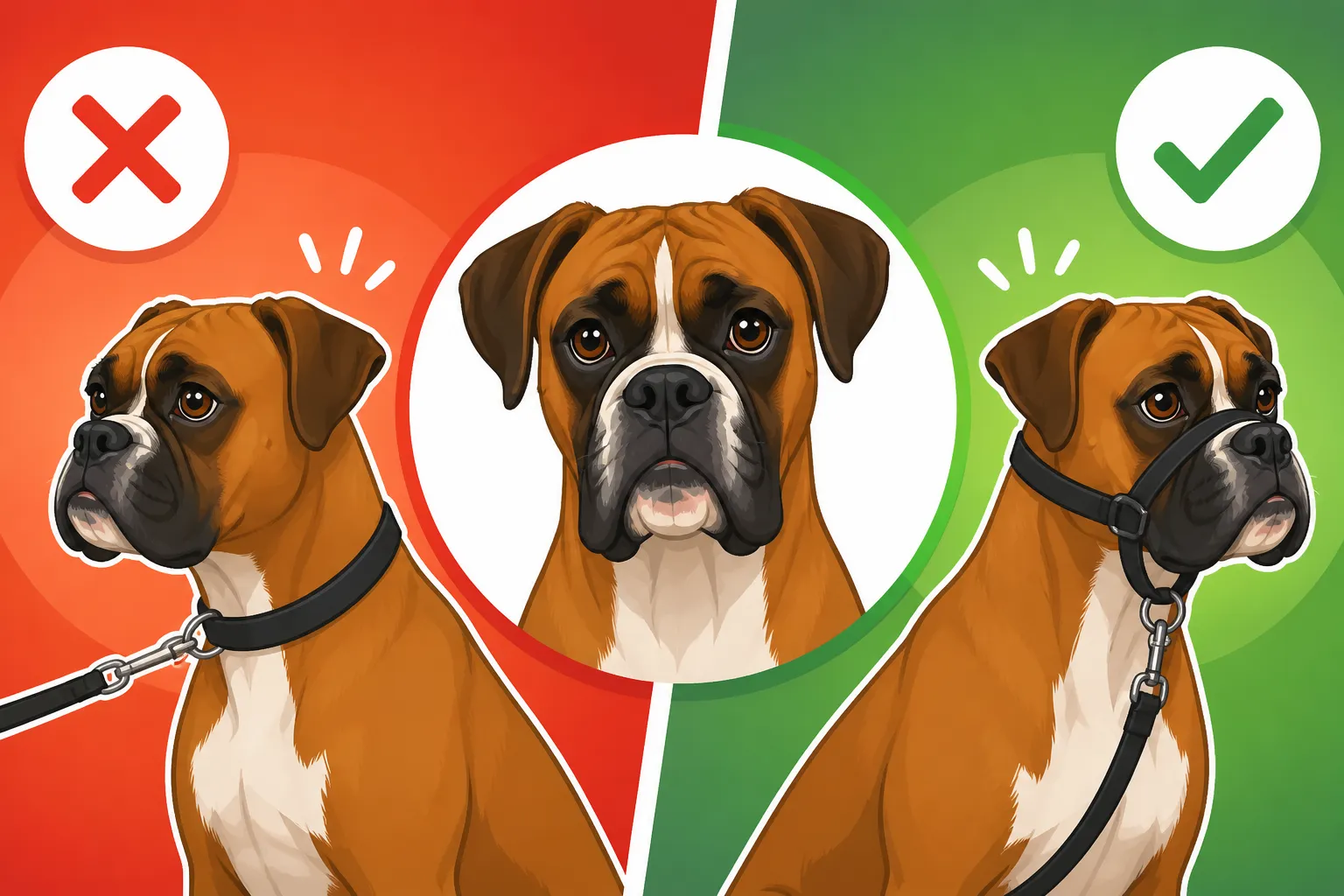
A head halter, sometimes called a head collar, is a training tool designed to give you more control over your Boxer by gently redirecting their head and, by extension, their body. It looks a bit like a muzzle, which can initially raise concerns, but its function is entirely different.
The Mechanics of Control
Imagine trying to steer a horse: you don't pull on its chest; you guide its head. A head halter applies this same principle. It consists of a strap that goes over your Boxer's nose and another that fastens around their neck, behind the ears. The leash attaches to a ring, usually located under the chin. When your Boxer tries to pull forward, the leash connection under the chin gently turns their head to the side. This slight redirection naturally discourages them from lunging or pulling straight ahead, as they can't effectively pull while their head is turned. It's not about pain or force; it's about leverage and gentle guidance. This subtle shift in control allows you to manage a strong dog with far less physical effort, making walks much safer and more pleasant for both of you.
Not a Muzzle, But a Training Aid
It’s crucial to understand that a head halter is not a muzzle. A muzzle prevents a dog from opening its mouth to bite, bark, or eat things off the ground. While a head halter goes over the nose, it still allows your Boxer to fully open their mouth to pant, drink, eat treats, and even bark. Its sole purpose is to provide a point of control that encourages loose-leash walking by preventing them from leading with their nose. Many people initially mistake them for muzzles, which can lead to curious stares or unwarranted concerns from passersby. It’s important for owners to be confident in explaining that it's a humane training tool. Brands like PetSafe's Gentle Leader or Halti are popular choices, often available through retailers like Amazon, and come with instructions explaining their proper use. These tools are designed to be part of a training regimen, not a permanent solution without ongoing positive reinforcement.
Pros and Cons of Using a Head Halter on a Boxer
Like any training tool, head halters have their advantages and disadvantages. It's important to weigh these carefully to decide if it's the right choice for your Boxer and your specific situation.
The Advantages for a Strong Puller
For many Boxer owners grappling with a dog that pulls relentlessly, a head halter can feel like a revelation. The primary benefit is immediate, gentle control.
- Reduced Pulling and Improved Control: This is the big one. Because the leash attachment is under the chin, any attempt to pull forward results in the Boxer's head turning, which makes it physically awkward to continue pulling. This immediate feedback helps them learn quickly that pulling doesn't achieve their goal. This can transform a stressful walk into an enjoyable one, almost instantly.
- Less Strain for the Handler: If you've been struggling to hold onto a strong Boxer, the head halter significantly reduces the physical strain on your arm, shoulder, and back. It gives you leverage without requiring brute strength, which is particularly beneficial for smaller individuals or those with physical limitations.
- Safety for Your Boxer's Neck: Unlike a flat collar that can put pressure on your Boxer's trachea when they pull, a head halter distributes pressure across the bridge of their nose and the back of their head. This minimizes the risk of injury to their throat and neck, making it a safer option for dogs who are prone to pulling hard.
- Focus and Redirection: Because you can gently guide your Boxer's head, you can also redirect their attention away from distractions. If they spot something exciting, a gentle tug can turn their head towards you, helping you maintain Getting a Boxer's Attention Outdoors. This can be invaluable in busy environments or when trying to manage reactivity.
Potential Downsides and Common Misconceptions
While head halters offer many benefits, they aren't a magical fix and come with their own set of considerations.
- Initial Resistance and Discomfort: Many dogs, especially Boxers with their sensitive nature, might initially resist wearing a head halter. They might try to paw it off, rub their face on the ground, or act generally uncomfortable. This isn't usually due to pain, but rather the novel sensation on their muzzle. Patience and positive association are key to overcoming this.
- Proper Introduction is Crucial: Rushing the introduction can create a negative association. If you simply snap it on and drag your dog out, they're likely to hate it. A slow, positive introduction with lots of treats and praise is essential. Think of it like training your Boxer to accept a new harness; it takes time.
- Requires Consistent Training: A head halter is a tool to aid training, not replace it. You still need to teach your Boxer how to walk nicely on a leash using positive reinforcement. It's not a "set it and forget it" device. If you rely solely on the halter without teaching desirable behaviors, your Boxer might revert to pulling the moment it's removed.
- Misperception by Others: As mentioned, some people might mistake it for a muzzle, which can lead to unwarranted judgments or questions from strangers. Being prepared to calmly explain its purpose can help alleviate this.
- Risk of Injury with Improper Use: While generally safe, if a Boxer is allowed to lunge violently or if the handler jerks the leash aggressively, there is a theoretical risk of neck injury. It should always be used with a loose leash and gentle guidance, never as a tool for harsh corrections.
Here's a quick comparison of popular walking aids for Boxers:
| Walking Aid | Primary Mechanism | Pros | Cons | Best For |
|---|---|---|---|---|
| Head Halter | Redirects head control | Excellent control, gentle, reduces pulling | Initial resistance, looks like muzzle, needs slow intro | Strong pullers, handlers needing more leverage |
| Front-Clip Harness | Redirects pulling to dog's side | Reduces pulling, comfortable, easy to use | Can still allow some pulling, potential for tangling | Moderate pullers, general leash training |
| Back-Clip Harness | Attaches leash on dog's back | Comfortable, no neck pressure, easy to wear | Can inadvertently encourage pulling, less control | Dogs that don't pull, casual walks |
| Flat Collar & Leash | Pressure on neck/throat | Simple, good for ID/tags | Minimal control, risk of neck injury if dog pulls | Well-trained dogs, light pulling only |
Introducing a Head Halter to Your Boxer
The success of a head halter largely depends on how you introduce it. Boxers can be sensitive, and a rushed introduction can create an aversion that's hard to overcome. Patience and positive reinforcement are your best friends here.
Making it a Positive Experience
The key to a successful introduction is to build a positive association with the head halter. This isn't a one-time event; it's a gradual process.
- Introduce it Slowly: Start by simply showing your Boxer the halter. Let them sniff it. Don't try to put it on yet. Pair it with high-value treats. Every time they look at it or sniff it, give them a treat.
- Treats Through the Loop: Hold the nose loop open and offer a treat through it, so your Boxer voluntarily puts their nose in. Do this a few times, then remove it. Gradually increase the time their nose is in the loop.
- Fasten Briefly: Once your Boxer is comfortable putting their nose through, quickly fasten the neck strap. Leave it on for only a few seconds, showering them with praise and treats, then take it off. Keep these sessions extremely short and positive.
- Gradual Wearing: Over several days, slowly increase the time your Boxer wears the halter. Start with just a minute or two, always with treats and distractions like a puzzle toy or a short play session. Never leave them unattended with the halter on, especially during the initial stages, as they might try to paw it off and get tangled. Many owners find value in structured online courses, such as those offered by BAXTER & Bella, for step-by-step guidance on introducing new equipment.
It's common for Boxers to try to rub it off or shake their head. Ignore these behaviors if they're mild, but if they get distressed, take it off and go back a step. The goal is for them to associate the head halter with good things, like treats and walks, not with discomfort or frustration.
Proper Fitting and Usage
A correctly fitted head halter is essential for both comfort and effectiveness. An ill-fitting halter can be uncomfortable, ineffective, or even cause rubbing.
- Snug, Not Tight: The neck strap should be snug enough that you can only fit one or two fingers underneath it, similar to a flat collar. The nose loop should fit comfortably over the muzzle without riding up into their eyes or being so loose that it can be easily pawed off. Your Boxer should be able to open their mouth fully to pant and accept treats.
- Check for Rubbing: Pay close attention to any signs of rubbing or irritation, especially around the eyes, nose, and behind the ears, after initial wears. Adjust the straps as needed. Some Boxers with particularly prominent brow bones or deep facial folds might need specific halter styles.
- Attach Leash Under Chin: Always attach your leash to the ring under your Boxer's chin. This is where the redirection mechanism works. Never attach it to the neck strap alone, as this negates the purpose of the head halter.
- Gentle Guidance: The head halter is designed for gentle guidance, not yanking. Keep your leash slack. When your Boxer starts to pull, a gentle, brief upward or sideways flick of the wrist is usually all it takes to redirect their head and break their focus. The moment they respond by easing off, release the pressure and praise them. Remember, it's about communication, not force. Consider practicing in a quiet environment first, before tackling busy streets.
Training with the Head Halter
The head halter is a fantastic management tool, but it's most effective when used as part of a comprehensive training plan. It helps control pulling, but it doesn't teach loose-leash walking on its own.
- Positive Reinforcement is Key: While wearing the head halter, reward your Boxer enthusiastically for walking nicely on a loose leash. Use treats, verbal praise, and even a clicker if you use one. Mark and reward every step they take without tension on the leash. This helps them understand what you do want them to do.
- Short, Frequent Sessions: Boxers, especially young ones, can get bored easily. Why Short Sessions Suit a Boxer's Attention Span. Keep your training sessions short and positive, ending on a high note. This will keep your Boxer engaged and eager to participate.
- Practice in Different Environments: Start training in a low-distraction environment, like your backyard, and gradually introduce more challenging locations as your Boxer progresses. The goal is for them to walk nicely on a head halter regardless of what's happening around them.
- Fade the Tool: As your Boxer becomes more proficient at loose-leash walking, you can gradually try to transition to a front-clip harness or even a flat collar for portions of the walk, if appropriate. The idea is for the head halter to be a temporary aid, teaching the behavior, rather than a lifelong dependency. However, some owners choose to use it long-term, and that's perfectly fine too, especially for very strong or reactive dogs. For detailed, step-by-step guidance, check out resources like Loose Leash Work With an Excited Boxer.
Alternatives and Complementary Tools for Leash Training
While head halters can be incredibly effective, they aren't the only solution, nor are they suitable for every Boxer or every owner. It's worth exploring other options or combining tools for the best results.
Front-Clip Harnesses
For many Boxer owners, a front-clip harness is a popular and effective alternative to a head halter. These harnesses have the leash attachment ring located on the dog's chest, rather than on their back.
- How They Work: When your Boxer pulls, the leash pulls from their chest, gently turning their body to the side and redirecting their forward momentum. This makes it difficult for them to continue pulling straight ahead and often reduces the power of their pull considerably.
- Comfort and Acceptance: Most dogs accept front-clip harnesses much more readily than head halters, as there's no strap on their muzzle. This can make the initial introduction much smoother.
- Good Control, Less Steering: While they offer good control over pulling, they don't provide the same degree of head redirection as a head halter. This means they might be slightly less effective for dogs with extreme reactivity or those who need very precise steering. However, for general leash manners, they are an excellent choice. Many brands, like the Easy Walk Harness or Freedom No-Pull Harness, are widely available and can be good options for Boxer owners. You might find some good options when looking for Harnesses That Hold a Pulling Boxer.
Positive Reinforcement and Engagement Training
No matter what tool you use, the foundation of good leash manners lies in positive reinforcement and building a strong relationship with your Boxer. A tool can manage behavior, but training changes behavior.
- Focus on Rewards: Carry high-value treats on every walk. Reward your Boxer whenever they walk beside you on a loose leash. The moment the leash goes slack, mark the behavior (with a clicker or a verbal "yes!") and deliver a treat. This teaches them that walking politely earns them rewards. Rewards a Boxer Will Work Hard For are key here!
- Engagement is Key: If your Boxer is constantly pulling, they're more interested in the environment than in you. Work on building engagement during walks. Practice sudden turns, changes of pace, and calling their name to get their attention. When they look at you, reward them. A Boxer who is engaged with you is less likely to pull.
- Management Over Correction: Instead of yanking or correcting, focus on managing the environment and reinforcing good choices. If your Boxer is about to pull towards a distraction, gently steer them away or create a barrier with your body before they get the chance to lunge.
- Short, Fun Sessions: Boxers thrive on fun. Keep training sessions short, enthusiastic, and varied to maintain their interest. If they become bored or frustrated, Why a Boxer Stops Working Mid-Session may occur, so end the session on a positive note before that happens.
Professional Guidance
Sometimes, despite your best efforts, your Boxer's pulling might be more than you can handle alone. This is where a professional dog trainer can be invaluable.
- Tailored Advice: A certified professional dog trainer can assess your Boxer's specific behaviors, your handling style, and your goals. They can then recommend the most appropriate tools and training techniques tailored to your unique situation. They might show you how to properly fit a head halter, how to use a front-clip harness effectively, or provide exercises to build focus.
- Hands-On Demonstration: Seeing a trainer work with your Boxer and then guiding you through the techniques can make a huge difference. They can help you refine your timing and mechanics, ensuring you're using tools and techniques correctly and humanely.
- Addressing Underlying Issues: Persistent pulling can sometimes be linked to underlying issues like over-excitement, anxiety, or a lack of proper socialization. A trainer can help identify and address these root causes, leading to more sustainable behavior changes. When choosing a trainer, look for those who use positive reinforcement methods and have experience with strong, high-energy breeds like Boxers. Consider whether Group Class Against Private Work for a Boxer is best for your situation. A local trainer can offer personalized coaching that online resources, while helpful, cannot fully replicate.
Ultimately, whether a head halter is right for your Boxer depends on your dog's individual personality, your commitment to positive introduction and training, and your personal preference. It's a highly effective tool for many, but always remember it's one piece of a larger training puzzle dedicated to happy, loose-leash walks.
Disclaimer
This article is for general informational purposes only and does not constitute professional advice. Laws, prices and regulations vary by location and change over time. Consult a qualified professional for guidance on your specific situation.