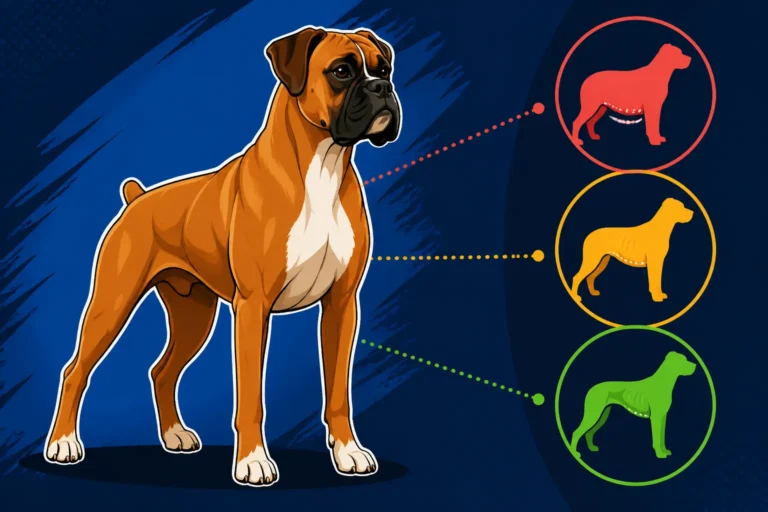
Protein and Fat for a Muscular Boxer
One of the most common challenges Boxer owners face is figuring out how to fuel their incredibly active, muscular companions without overdoing it or leaving them feeling perpetually hungry. It’s a fine line between giving them enough energy for their signature zoomies and maintaining that sleek, powerful physique they’re known for, especially when their bodies are prone to sensitive guts and unique health considerations. This guide is here to break down the crucial roles of protein and fat in your Boxer's diet, helping you understand how to choose and balance these macronutrients for optimal health, muscle tone, and a vibrant, happy life.
Understanding the Boxer's Unique Nutritional Needs
Boxers are not just any dog; they are a breed built for strength, agility, and endless enthusiasm. This means their dietary requirements aren't quite the same as a couch potato breed or even other large dogs. Their active metabolism and propensity for certain health issues mean their food needs careful consideration, especially when it comes to the building blocks of their body: protein and fat.
Why Boxers Are Different: Energy and Build
Think about how your Boxer moves – they're constantly on the go, whether it's "boxing" with their front paws, performing impressive leaps, or suddenly bursting into a full-speed dash across the yard. This high-energy, athletic lifestyle demands a steady supply of high-quality fuel. Unlike some breeds that can thrive on a lower calorie intake, a Boxer’s muscular frame and enthusiastic nature mean they burn through calories pretty quickly. Their distinct short snout also impacts how they regulate temperature, meaning they can overheat faster, and their food needs to support robust energy without contributing to excess internal heat or making them sluggish.
Beyond energy, their powerful, lean musculature is a defining characteristic. This isn't just for looks; it’s fundamental to their health and ability to move comfortably. Maintaining this muscle mass requires a consistent intake of the right kind of protein. Without it, their muscles can become less toned, impacting their strength and overall vitality. We want them strong, not bulky or flabby, and diet plays a massive role in achieving that ideal, athletic build that allows them to play hard and stay healthy.
Age and Activity Level Considerations
A Boxer's nutritional needs aren't static; they shift dramatically throughout their life. A zooming Boxer puppy, growing at an astonishing rate, needs different ratios of protein and fat than a middle-aged adult with a steady routine, or an elder statesman whose activity has naturally slowed. For instance, a young Boxer needs plenty of fuel to support rapid bone and muscle development, but too much of certain nutrients can actually be detrimental, leading to too-fast growth that puts strain on developing joints. Boxer Puppyhood That Lasts Three Years really highlights just how long that growth phase lasts, emphasizing the importance of appropriate nutrition during this critical period.
Similarly, an adult Boxer training for agility or competitive obedience will require more calories and potentially a higher protein percentage than one whose main exercise is a daily walk around the block. An older Boxer, while still active, might benefit from slightly less fat to prevent unwanted weight gain as their metabolism slows, but still needs excellent quality protein to ward off muscle wasting that can occur with age. It's truly a dynamic equation that requires you, the owner, to be observant and willing to adjust their diet as life stages and energy levels change.
Protein: The Building Block for Boxer Muscle
When you think of a Boxer's physique, you immediately picture strong, defined muscles. Protein is the absolute cornerstone of building and maintaining that impressive musculature. It’s not just about bulk; protein is vital for countless bodily functions, from hormone production to enzyme activity and immune system support. For our Boxers, getting the right amount and quality of protein is non-negotiable for their overall health and athletic capability.
Sources of High-Quality Protein
Not all protein is created equal, and for a Boxer, quality matters immensely. High-quality protein sources are those that are easily digestible and contain a complete amino acid profile, meaning they provide all the essential amino acids your dog needs but cannot produce on their own. The best sources are typically animal-based.
Think about ingredients like chicken, beef, lamb, turkey, and fish (like salmon or herring). These are often listed as the first few ingredients in premium dog foods. Organ meats like liver and heart are also incredibly nutrient-dense protein sources. Some plant-based proteins, like peas or lentils, can contribute to the overall protein content, but they should generally complement, rather than replace, animal proteins in a Boxer's diet to ensure complete amino acid intake. When you're scanning dog food labels, look for named meat meals (e.g., "chicken meal" not "meat meal") as these are concentrated forms of protein after moisture has been removed, often providing more actual protein per serving than whole fresh meat, which contains a lot of water.
How Much Protein Does a Boxer Need?
Determining the exact "right" amount of protein for your Boxer can feel a bit like a moving target, but there are general guidelines. For an adult Boxer, most reputable veterinary nutritionists recommend a diet where protein constitutes at least 25-30% of the dry matter content. However, highly active Boxers, or those needing to build more muscle, might benefit from percentages closer to 30-35%. Remember, this is dry matter, which means you need to do a little math if you're looking at foods that list "as fed" percentages.
For growing Boxer puppies, the protein requirement is also high to support their rapid development, typically in the 28-32% range, but again, balanced carefully with other nutrients to prevent overly fast growth which can impact joints. It's crucial not to simply dump more protein in; the quality of the protein is paramount. Providing more protein than your Boxer needs doesn't necessarily create more muscle; excess protein is simply metabolized for energy or excreted, which can put extra strain on the kidneys in some cases. Always consider your dog's individual activity level, age, and health status when assessing protein needs. If your Boxer is feeling a bit on the thin side, or seems to be struggling to maintain muscle, assessing their protein intake is a great first step, but always consult with your vet to rule out underlying health issues. Feeding a Boxer to Stay Lean and Muscled offers a more detailed look at achieving that ideal physique.
The Impact of Protein Deficiency
A Boxer thrives on muscle. Without adequate protein, their magnificent musculature can start to suffer. Protein deficiency isn’t just about looking less buff; it can lead to serious health consequences. You might notice a dull, lackluster coat, or skin issues, as protein is essential for healthy skin and hair. More concerning is muscle atrophy, where the muscles waste away, leading to weakness, reduced endurance, and difficulty with normal activities. This can be particularly noticeable in their hindquarters or along their spine.
Beyond physical appearance, a protein-deficient Boxer may have a compromised immune system, making them more susceptible to illness. Their bodies just won't have the resources to produce the necessary antibodies and immune cells. Growth can be stunted in puppies, and wound healing can be significantly delayed in dogs of all ages. If you observe any of these signs, it's a clear signal that your Boxer's diet needs immediate evaluation, starting with the quantity and quality of protein they're receiving.
Fat: Fuel and Essential Nutrients for Energy and Health
While protein takes the spotlight for muscle, fat is equally vital for your Boxer. It's not just about adding flavor to their food; fat is a concentrated source of energy, a carrier for fat-soluble vitamins, and provides essential fatty acids crucial for skin, coat, and overall cellular function. For an active Boxer, fat fuels those explosive bursts of energy and helps them stay warm, but like protein, the type and amount of fat matter significantly.
The Role of Healthy Fats
Healthy fats are the powerhouses of energy for your Boxer. They provide more than twice the calories per gram compared to protein or carbohydrates, making them an efficient fuel source, especially for high-energy breeds. Beyond energy, dietary fats play a critical role in nutrient absorption, specifically for fat-soluble vitamins like A, D, E, and K. Without adequate fat, your Boxer wouldn't be able to properly utilize these vitamins, which are essential for vision, bone health, immune function, and blood clotting.
Furthermore, certain fats, known as essential fatty acids (EFAs), cannot be produced by your dog's body and must come from their diet. Omega-3 and Omega-6 fatty acids are prime examples. These EFAs are crucial for maintaining a healthy, shiny coat and supple skin, reducing inflammation (which can be important for joint health), and supporting cognitive function. For a breed like the Boxer, whose short coat shows every rash, healthy fats contribute to a resilient skin barrier. Why a Boxer's Short Coat Shows Every Rash details just how sensitive their skin can be, underscoring the importance of dietary support.
Sources of Beneficial Fats
To ensure your Boxer gets the right kinds of fats, look for foods that include named animal fats and specific oils. Good sources of animal fats include chicken fat, beef fat, and lamb fat, which are highly digestible and palatable for dogs. These often appear high up on ingredient lists in quality dog foods. Fish oils, particularly salmon oil, flaxseed oil, and sometimes canola oil, are excellent sources of omega-3 and omega-6 fatty acids. Algae is also a rising source of beneficial omega-3s.
It's also worth noting that some complete and balanced dog foods incorporate these fats directly. Brands like Ollie, for instance, often feature healthy fats from sources like chicken fat and cod liver oil in their fresh food recipes, focusing on optimal nutrition. When reading labels, look for a guaranteed analysis that specifies the minimum percentages of crude fat, and ideally, lists omega fatty acids as well. Avoid generic "animal fat" as it doesn't specify the source, making it harder to determine quality.
Too Much or Too Little Fat
Navigating the fat content in your Boxer's diet is a balancing act. Too little fat can leave your Boxer feeling perpetually hungry, lacking energy, and struggling with a dry, flaky coat. They might also have difficulty absorbing essential vitamins. If your Boxer seems lethargic or has a dull coat despite regular grooming, a re-evaluation of their dietary fat might be in order.
On the flip side, too much fat, especially combined with insufficient exercise, can quickly lead to weight gain. Boxers, with their athletic build, really struggle when they carry extra pounds, which puts unnecessary stress on their joints, heart, and other organs. Why Extra Weight Hurts a Boxer's Heart is a stark reminder of these risks. High-fat diets can also sometimes trigger digestive upset, especially in Boxers with sensitive stomachs. The key is moderation and quality: providing enough healthy fats to meet their energy demands and EFA needs without tipping into excess.
Balancing Protein and Fat for Optimal Boxer Condition
Finding the sweet spot for protein and fat in your Boxer's diet isn't about arbitrary numbers; it's about understanding the synergy between these macronutrients and how they support your specific dog's life. The goal is to provide a diet that fuels their energy, maintains their powerful muscles, and supports their overall health without contributing to weight issues or digestive upset.
Ideal Ratios for Different Life Stages
The ideal protein-to-fat ratio will fluctuate based on your Boxer’s age and activity level.
- Puppies (8 weeks – 18 months, sometimes up to 2-3 years for mental maturity): Growing Boxers need plenty of protein (around 28-32% dry matter) to build muscle and support organ development. Fat content should be moderate to high (15-20% dry matter) to fuel their rapid growth and boundless energy, but carefully balanced to prevent excessively fast growth, which can stress developing joints. Look for "large breed puppy" formulas.
- Adults (1.5 – 7 years): For a healthy, active adult Boxer, a protein range of 25-30% and a fat range of 15-18% (dry matter) is often appropriate. This provides ample muscle support and energy for daily exercise. Very active dogs (e.g., those in dog sports) might need slightly higher percentages of both, up to 30-35% protein and 18-22% fat, always ensuring they remain lean.
- Seniors (7+ years): As Boxers age, their metabolism can slow, and activity levels may decrease. They still need high-quality protein (around 25-30%) to combat age-related muscle loss, but often benefit from a slightly lower fat content (10-14%) to prevent weight gain. Caring for a Boxer Past Eight outlines many of the considerations for our aging companions, and diet is a big one.
Here’s a simplified table to illustrate these general guidelines:
| Life Stage | Protein (Dry Matter %) | Fat (Dry Matter %) | Considerations |
|---|---|---|---|
| Puppy | 28-32% | 15-20% | Rapid growth, high energy. Avoid too-fast growth. |
| Active Adult | 25-30% | 15-18% | Maintain muscle, sustained energy. Adjust for intense activity. |
| Highly Active Adult | 30-35% | 18-22% | Peak performance, high energy demands. Monitor weight closely. |
| Senior | 25-30% | 10-14% | Preserve muscle mass, lower calorie needs. Prevent obesity. |
Remember, these are starting points. Your individual Boxer's genetics, specific health conditions, and actual daily activity will dictate the precise balance.
Reading Dog Food Labels Effectively
Understanding dog food labels is crucial but can feel like deciphering a secret code. The "Guaranteed Analysis" panel is where you'll find the minimum percentages for crude protein and crude fat. It's important to know that these are "as fed" percentages, meaning they include the moisture content. To get a true comparison between dry kibble, wet food, or fresh food, you need to convert to a "dry matter basis."
The calculation is simple:
- Find the moisture percentage on the label (e.g., if it's not listed, assume 10% for kibble, 75-80% for wet food).
- Subtract the moisture percentage from 100% to get the dry matter percentage.
- Divide the crude protein/fat percentage by the dry matter percentage, then multiply by 100.
Example: Kibble with 28% crude protein and 10% moisture: (28 / (100-10)) * 100 = (28 / 90) * 100 = 31.1% dry matter protein. This conversion allows for accurate comparisons. Beyond the numbers, scrutinize the ingredient list. The first few ingredients are the most abundant. Look for named meat sources (chicken, beef, salmon) and quality fat sources (chicken fat, salmon oil). Generic terms like "meat by-products" or "animal fat" are often lower quality. Companies like Chewy offer a wide range of foods, making it easier to compare ingredients and analyses from various brands.
Adjusting Diet for Specific Goals
Once you have a baseline understanding of protein and fat, you can make informed adjustments for specific goals.
- Weight Gain: If your Boxer is too lean and needs to put on healthy weight (always after a vet check to rule out underlying issues!), you'll likely increase both protein and fat, focusing on nutrient-dense foods. This provides more calories and building blocks for muscle. Gradually increase portion sizes or switch to a formula designed for active dogs with slightly higher fat content.
- Weight Loss: For Boxers carrying a few extra pounds, the strategy is typically to reduce fat intake while maintaining adequate protein. This helps reduce calories while preserving muscle mass during weight loss. Look for "weight management" or "light" formulas, which usually have lower fat and higher fiber. Portion control is absolutely essential here.
- Muscle Maintenance (e.g., during recovery from injury): Even when a Boxer can't be as active due to injury or illness, maintaining muscle is crucial. A higher protein intake can help minimize muscle wasting, even if the fat content needs to be reduced to account for lower activity. Always consult your vet for guidance during recovery periods.
- Performance Enhancement: For Boxers involved in demanding activities like competitive obedience, agility, or working roles, a diet with higher protein and fat can support peak performance and faster recovery. These dogs burn through a lot of calories and need consistent, high-quality fuel.
Common Misconceptions and Dietary Pitfalls
The world of dog nutrition is rife with opinions and fads, and it's easy to get swept up in misinformation. For Boxer owners, understanding and sidestepping these common pitfalls is vital to providing a truly balanced and beneficial diet. Let’s clear up some common misunderstandings about protein, fat, and what really makes a healthy diet for your muscular companion.
The "More Protein Is Always Better" Myth
This is a really common one, especially for owners of active, muscular breeds like Boxers. While Boxers do need a substantial amount of high-quality protein, the idea that "more is always better" isn't quite right. There's a point of diminishing returns. Once your Boxer's body has enough protein to build and repair tissues, any excess protein will simply be used for energy (after being converted), or excreted in urine. This doesn't necessarily lead to bigger muscles, and in some cases, it can put extra strain on the kidneys, especially in older dogs or those with pre-existing kidney conditions.
Furthermore, a diet excessively high in protein might mean it's lacking in other crucial nutrients like balanced fats or carbohydrates, which also play important roles in energy and health. The focus should always be on optimal protein levels for your Boxer's age and activity, not just the highest percentage you can find on a bag. Quality over quantity is absolutely key here.
Grain-Free vs. Grain-Inclusive Diets
The grain-free trend swept through the pet food industry, driven by the idea that grains are "fillers" or cause allergies. While some dogs do have specific grain allergies (though true grain allergies are far less common than allergies to common protein sources like chicken or beef), for most Boxers, grains are not inherently bad. Whole grains like oats, barley, and brown rice can provide valuable carbohydrates for sustained energy, as well as fiber for digestive health.
More importantly, a significant concern has emerged regarding the potential link between certain grain-free diets (particularly those using high amounts of peas, lentils, potatoes, or other legumes as primary ingredients) and dilated cardiomyopathy (DCM) in dogs. While research is ongoing and the exact mechanisms are not fully understood, it’s a serious enough concern that many veterinarians and nutritionists now advise caution with these diets, especially for breeds like the Boxer that are already predisposed to heart conditions like ARVC. Whether Grain-Free Food Adds to a Boxer's Heart Risk delves into this complex topic further. Unless your Boxer has a diagnosed grain allergy, a high-quality grain-inclusive diet from a reputable brand formulated by veterinary nutritionists is generally a safer and more balanced choice.
Avoiding Unnecessary Supplements
Walk into any pet store or browse Amazon, and you'll find an overwhelming array of supplements for dogs – from joint support to immune boosters to coat conditioners. It's tempting to think that adding a little extra of this or that will only benefit your Boxer, especially when you want the very best for them. However, for a Boxer on a high-quality, complete and balanced dog food, most supplements are entirely unnecessary and can sometimes even be harmful.
Commercial dog foods from reputable manufacturers are formulated to meet all of a dog's nutritional requirements, including vitamins, minerals, protein, and fat. Adding extra vitamins or minerals without veterinary guidance can lead to imbalances or even toxic levels of certain nutrients. For example, too much calcium can be detrimental to a growing large breed puppy. While specific supplements like fish oil (for omega-3s) or joint support may be recommended by your vet for particular health concerns (like arthritis in older Boxers or specific skin conditions), blindly adding them to a well-balanced diet is usually just a waste of money and potentially risky. Always discuss any supplement ideas with your veterinarian first.
Practical Feeding Strategies for Your Muscular Boxer
Putting all this nutritional knowledge into practice requires a bit of strategy. It’s not just about what you feed, but how you feed it, and how you monitor your Boxer’s response. These practical tips will help ensure your Boxer maintains that enviable muscular physique and vibrant health throughout their life.
Choosing the Right Commercial Food
With countless dog food brands out there, selecting the right one can feel daunting. Here’s a pragmatic approach:
- Look for AAFCO Statement: Ensure the food label clearly states it meets AAFCO (Association of American Feed Control Officials) nutritional standards for your Boxer’s life stage (e.g., "formulated to meet the nutritional levels established by the AAFCO Dog Food Nutrient Profiles for All Life Stages" or "for adult maintenance"). This signifies a complete and balanced diet.
- Reputable Manufacturers: Choose brands that employ veterinary nutritionists (often DVMs with ACVN board certification) to formulate their diets. These companies invest in research and quality control. They should be transparent about their ingredient sourcing and manufacturing processes.
- Ingredient Quality: As discussed, prioritize foods with named animal protein sources as the first few ingredients, followed by healthy fats and appropriate carbohydrates. Avoid generic "meat by-products" or excessive fillers.
- Consider Your Boxer's Specific Needs: If your Boxer has allergies, sensitivities, or specific health conditions (like heart issues or colitis), discuss specialized diets with your vet. For instance, Prescription Diets for a Boxer With Colitis outlines how specific food choices can dramatically impact gut health.
- Read Reviews, But Don't Rely Solely on Them: While popular brands like Blue Buffalo, Purina Pro Plan, Royal Canin, and Hill's Science Diet are often well-regarded, remember that every dog is an individual. A food that works wonders for one Boxer might not suit another. Use resources like Chewy to compare brands and read reviews, but also pay close attention to your own dog’s response.
Considering Fresh or Raw Diets
The popularity of fresh and raw diets, like those offered by Ollie, has grown considerably, and many Boxer owners are curious about them. There are certainly potential benefits, such as highly palatable, less processed ingredients and potentially better nutrient absorption. For some Boxers, especially those with sensitivities to common kibble ingredients, these diets can lead to improvements in coat quality, digestion, and energy levels.
However, these diets also come with their own set of considerations. Raw diets, if not prepared meticulously and balanced by a veterinary nutritionist, carry risks of nutritional deficiencies or bacterial contamination (Salmonella, E. coli), which can be a concern for both the dog and the human family. Fresh, gently cooked diets like Ollie mitigate some of these bacterial risks while still offering highly digestible whole foods. If you're considering a non-traditional diet for your Boxer, the absolute most important step is to consult with your veterinarian or a board-certified veterinary nutritionist. They can help you weigh the pros and cons, ensure the diet is complete and balanced for your Boxer's needs, and guide you on safe handling practices. Never embark on a raw or home-cooked diet without expert guidance.
Monitoring Your Boxer's Condition and Adjusting
The best diet in the world is one that is tailored to your individual Boxer, and that means constant monitoring and adjustment. Pay close attention to these indicators:
- Body Condition: Regularly assess your Boxer's body condition score. You should be able to easily feel their ribs without pressing hard, see a distinct waist tuck behind the ribs when viewed from above, and a slight tuck-up when viewed from the side. If you can't feel ribs easily, or if they have a saggy belly, they're likely overweight. If their ribs are very prominent, they might be too thin. Reading a Boxer's Ribs and Waist offers a great visual guide.
- Energy Levels: Is your Boxer still full of life, ready for playtime, and performing their usual antics? A sudden drop in energy could indicate a dietary issue (or a health problem).
- Coat and Skin Health: A healthy Boxer should have a shiny, smooth coat with no excessive shedding, flakiness, or redness. Dull fur or persistent skin issues can signal a nutritional deficiency or allergy.
- Stool Quality: This is a surprisingly good indicator of digestive health. Your Boxer's stools should be firm, moist, and easy to pick up. Loose stools, frequent diarrhea, or constipation can all point to dietary problems.
- Appetite: Is your Boxer eating enthusiastically but not frantically? Are they maintaining their weight on the recommended portions? Changes in appetite can be a red flag.
Don't be afraid to make gradual adjustments to their food type or portion sizes based on these observations and your vet's advice. What works perfectly for a 3-year-old Boxer at peak fitness might need tweaking as they enter their senior years or if their activity level changes. Continuous observation is key to keeping your muscular Boxer in prime condition.
Disclaimer
This article is for general informational purposes only and does not constitute professional advice. Laws, prices and regulations vary by location and change over time. Consult a qualified professional for guidance on your specific situation.