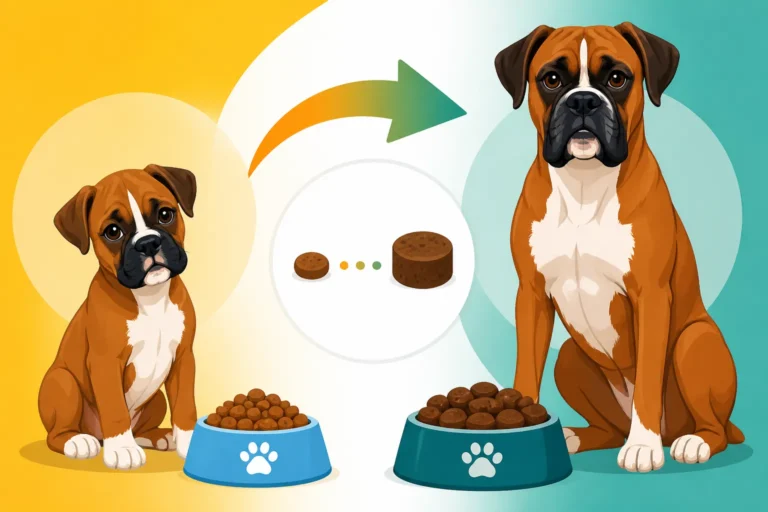
Changing a Boxer’s Food Without Upsetting It
It’s a common scenario for Boxer owners: you pick up a new bag of kibble, perhaps a different flavor or a brand recommended by a friend, only to have your beloved Boxer suffer through days of diarrhea, gas, or even vomiting. Our Boxers, for all their robust, muscular appearance, often come with notoriously sensitive digestive systems. Changing their food abruptly can feel like playing Russian roulette with their stomachs, leading to discomfort for them and a lot of extra clean-up for you. This guide is here to walk you through a gentle, step-by-step approach to switching your Boxer's food, ensuring a smoother transition and a happier, healthier gut.
Why Boxers Often Have Such Sensitive Stomachs
It’s not just in your head; many Boxer owners truly grapple with a dog that seems to have a "delicate" stomach. While every dog is an individual, there are some breed-specific reasons why Boxers often react poorly to sudden dietary shifts. Understanding these predispositions can help you be more proactive and patient when it comes to their meals.
A Tendency Towards Gut Inflammation
Boxers, unfortunately, are genetically predisposed to certain gastrointestinal issues that make them more susceptible to upset. Conditions like Inflammatory Bowel Disease (IBD) or a specific type of colitis, often referred to as Boxer colitis, are more common in our breed. Boxer Colitis and the Young Dogs It Hits speaks to this directly. These conditions mean their digestive tract is already a bit more reactive, a bit more "on edge," compared to some other breeds. Introducing a new protein, a different fat source, or even a novel carbohydrate without proper preparation can act as a trigger, sending their system into a tailspin.
Imagine you have a chronic stomach ache that flares up with certain foods. That’s a bit like what a Boxer's gut can experience. Their digestive lining might be more prone to inflammation, and a sudden influx of unfamiliar ingredients can overwhelm the beneficial bacteria in their gut, leading to an imbalance. This imbalance often manifests as soft stools, diarrhea, or increased gassiness, which no one wants to deal with.
The Impact of Gut Microbiome Shift
Every dog has a unique ecosystem of bacteria living in their intestines, known as the gut microbiome. This microbiome is crucial for digestion, nutrient absorption, and even immune function. When you suddenly change a dog's food, you're essentially changing the fuel source for these bacterial communities. Some bacteria thrive on certain ingredients, while others prefer different ones. A rapid switch can lead to a drastic shift in the types and numbers of bacteria present.
Think of it like abruptly changing the entire population of a city without any notice. It would cause chaos! Similarly, a sudden dietary change can kill off beneficial bacteria that were well-adapted to the old food and allow less desirable bacteria to proliferate rapidly. This imbalance often results in the dreaded loose stools and excessive gas that many Boxer owners know all too well. It’s why a gradual approach isn't just a suggestion; it’s a necessity to allow the microbiome time to adapt.
The Gradual Transition: Your Boxer's Best Friend
Successfully switching your Boxer’s food is all about patience and a slow, measured approach. Rushing the process is almost guaranteed to result in digestive upset, making both you and your dog miserable. This method allows your Boxer's digestive system, and especially their gut microbiome, to gradually adapt to the new ingredients.
The Ten-Day Rule (Or Longer)
While many general guidelines suggest a seven-day transition, for a Boxer with a truly sensitive stomach, I often recommend stretching it out to ten days, or even two weeks if you anticipate issues. The key is to introduce the new food in small, incremental amounts, slowly increasing the proportion over several days while decreasing the old food. This isn't just about avoiding a dramatic reaction; it's about building a stable foundation with the new diet.
Start by adding just a tiny bit of the new food to mostly old food. For example, on day one, maybe just a tablespoon or two of the new kibble mixed in with their usual meal. Observe closely for any changes in stool consistency, appetite, or energy levels. If everything looks good, you can slightly increase the new food the next day. This slow pace gives their system ample time to produce the necessary digestive enzymes and for their gut bacteria to adjust without being overwhelmed. It's truly a marathon, not a sprint, when it comes to a Boxer's digestive health.
A Practical Transition Schedule
Here’s a common schedule I recommend, though you should always be ready to slow down if your Boxer shows any signs of discomfort. Remember, this isn't set in stone; it's a guide. If your Boxer has a particularly sensitive constitution, don't hesitate to extend each step for an extra day or two. There's no prize for finishing fast!
| Day | Old Food Percentage | New Food Percentage | Notes |
|---|---|---|---|
| 1-2 | 75% | 25% | Start with a small amount of new food, observe stool. |
| 3-4 | 50% | 50% | Equal parts, monitor closely for gas or loose stools. |
| 5-6 | 25% | 75% | Mostly new food now, ensure no vomiting or diarrhea. |
| 7-10 | 0% | 100% | If all goes well, fully transition. Extend if needed! |
When you're mixing, make sure to do it thoroughly in each meal to prevent your Boxer from picking out just the old, familiar kibble. You want every bite to contain a mix so their system gets consistent exposure. If at any point you notice diarrhea, loose stools, excessive gas, or a lack of appetite, hit the pause button. Revert to the previous day's ratio for a day or two until their system settles, then try to proceed again even more slowly. Patience truly is a virtue here.
Considerations for Different Food Types
Changing from kibble to raw, or kibble to a fresh-cooked diet, often requires an even slower transition than just swapping one kibble for another. The protein sources, fat content, and overall digestibility can be vastly different.
- Kibble to Kibble: This is generally the easiest, but still requires the gradual approach. Pay attention to protein sources (e.g., chicken to lamb) and fat levels.
- Kibble to Fresh/Cooked: If you're moving to a fresh food option, like those offered by services such as Ollie, or preparing home-cooked meals, the transition might involve adding small spoonfuls of the new food as a "topping" to their current kibble for several days before increasing the amount. The difference in moisture and processing can be a significant shock to a Boxer's system.
- Kibble to Raw: This is perhaps the most challenging and some owners choose to go "cold turkey" on the advice of raw feeders, but for a sensitive Boxer, a careful transition is often best. Consult with a vet or a canine nutritionist experienced in raw feeding for specific guidance. It might involve a separate feeding schedule initially, where raw is fed at one meal and kibble at another, slowly increasing the raw portion over weeks rather than days. Raw Diets and a Boxer's Sensitive Colon explores this in more detail.
What to Watch For During a Food Change
Even with the most careful transition, your Boxer might still show some minor signs of adjustment. Knowing what's normal and what signals a red flag can help you react appropriately and prevent bigger problems. Your vigilant observation is key to a successful food switch.
Normal Adjustments vs. Red Flags
It's common for a Boxer to have slightly softer stools than usual during a food transition, especially in the middle stages. You might also notice a bit more gas, or that their stool color is slightly different. These are often normal, transient adjustments as their system gets used to the new ingredients. However, there's a line between minor adjustment and genuine digestive upset.
Minor Adjustments (Often Normal):
- Slightly softer stool (but still formed, not liquid).
- Occasional, mild gas.
- A temporary decrease in appetite for a meal or two (they might be suspicious of the new smell).
- A different stool color or consistency that is still healthy.
Red Flags (Slow Down or Consult Vet):
- Diarrhea: Watery or unformed stools, especially if it persists for more than a day or two, or if it's accompanied by straining. Bloody Mucus in a Young Boxer's Stool highlights how serious digestive upset can be.
- Vomiting: Any vomiting, particularly if it's more than once, or if it seems like they can't keep anything down.
- Loss of Appetite: If your Boxer refuses to eat for more than 24 hours, or shows significant disinterest in food for multiple consecutive meals.
- Lethargy: If they seem unusually tired, withdrawn, or unwilling to play.
- Excessive Gas and Bloating: While some gas is normal, extreme gassiness coupled with a distended abdomen could be a serious issue. Bloat Signs Every Boxer Owner Should Know discusses the extreme danger of bloat.
- Itching or Skin Issues: Sometimes a food intolerance can manifest as skin irritation. If your Boxer starts itching excessively, developing rashes, or hot spots, it could be related to the new food, especially if it contains common allergens like chicken or beef. Eight Weeks of One Protein for an Itchy Boxer delves into identifying food allergies.
If you observe any of the red flags, it's time to hit the brakes. Revert to the previous, successful food ratio, or even back to 100% old food, and let your Boxer's system recover. If symptoms persist or worsen, contact your veterinarian immediately. They can rule out underlying health issues and offer guidance on the best course of action.
When to Consult Your Vet
Your vet is your best partner in managing your Boxer's health, especially when it comes to sensitive digestion. Don't hesitate to reach out if:
- You're unsure about the new food choice: Before even starting the transition, discussing the new food's ingredients with your vet can be beneficial, especially if your Boxer has known allergies or medical conditions like colitis.
- Symptoms are severe or persistent: As mentioned, persistent vomiting, severe diarrhea, or signs of pain warrant immediate veterinary attention.
- Your Boxer has underlying health conditions: If your Boxer is already on medication for a chronic condition, or if they have a history of pancreatitis or IBD, any dietary change should be supervised by your vet.
- You suspect an allergy or intolerance: If the new food seems to cause itching, skin rashes, or chronic ear infections, your vet can help you investigate potential food allergies. Chicken and Beef Allergies in a Boxer can give you more insights.
Choosing the Right New Food for Your Boxer
Once you've mastered the art of gentle food transitions, the next step is ensuring you're choosing a food that actually benefits your Boxer. This isn't just about avoiding upset, but promoting long-term health and vitality. Our Boxers need fuel that supports their muscular build and high energy, without compromising their sensitive digestive systems.
Protein, Fat, and Fiber Balance
A Boxer's diet should ideally be rich in high-quality animal protein to support their impressive musculature. Look for whole meat sources as the first ingredient, like chicken, beef, lamb, or fish. The fat content should be moderate to high, providing a concentrated energy source, but not so high that it overwhelms their digestive system. Protein and Fat for a Muscular Boxer provides more detail on this balance.
Fiber is another crucial component, especially for Boxers prone to digestive upset. A good balance of soluble and insoluble fiber can help regulate bowel movements, feeding beneficial gut bacteria and adding bulk to stools. Some foods incorporate prebiotics or probiotics, which can further support gut health. If your Boxer struggles with loose stools, Whether Fiber Helps a Boxer's Loose Stools is a helpful resource.
When considering new foods, read the ingredient list carefully. Avoid excessive fillers, artificial colors, flavors, and preservatives, which can be irritating to sensitive systems. Many owners find success with limited ingredient diets (LID) if their Boxer has specific sensitivities. These diets usually feature a single protein source and a single carbohydrate source, making it easier to identify and avoid potential triggers. When ordering online, platforms like Chewy or Amazon often allow you to filter by these criteria, making your search a bit simpler.
Grain-Free vs. Grains
The debate around grain-free diets has been ongoing, and for Boxers, it’s particularly relevant due to their heart health concerns. While some Boxers might genuinely have sensitivities to certain grains, many can thrive on diets that include wholesome grains like oats, barley, or brown rice. The concern with grain-free diets arose from a potential link to dilated cardiomyopathy (DCM) in some breeds, though the exact cause is still under investigation.
It's important to differentiate between a grain allergy/intolerance (which is rare) and the general recommendation for grain-free. If your Boxer doesn't show specific sensitivities to grains, a high-quality food with grains might be a perfectly suitable, and potentially safer, option. Always discuss this with your vet to make an informed decision for your individual Boxer. Whether Boxers Need Grain in the Diet and Whether Grain-Free Food Adds to a Boxer's Heart Risk offer further reading on this complex topic.
Ultimately, the best food for your Boxer is one that provides complete and balanced nutrition, is highly digestible, and doesn't cause any adverse reactions. It might take some trial and error, but with a slow, careful transition method and close observation, you can find the perfect fit for your beloved companion.
Disclaimer
This article is for general informational purposes only and does not constitute professional advice. Laws, prices and regulations vary by location and change over time. Consult a qualified professional for guidance on your specific situation.