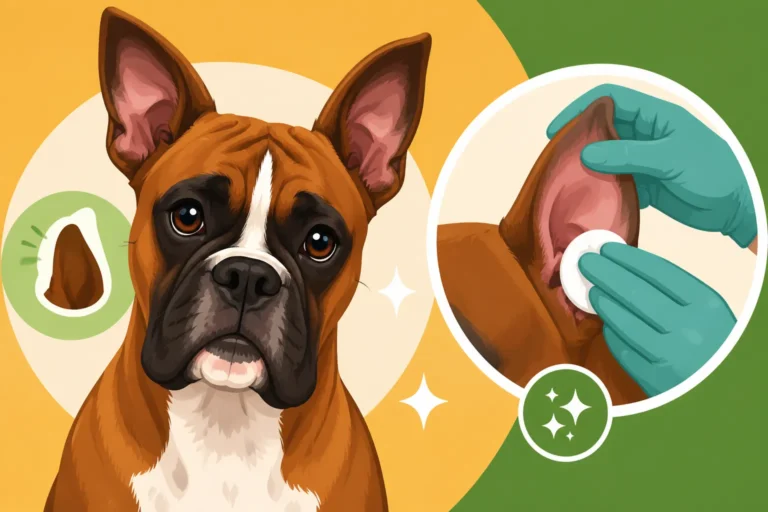
Checking a Boxer for Lumps Every Week
One of the most heartbreaking realities of loving a Boxer is their predisposition to certain health issues, and few things strike fear into a Boxer owner's heart quite like finding an unexpected lump. It's a frustrating, anxious moment we all dread, but what if I told you there's a powerful way to take control and significantly increase the chances of a positive outcome? This guide is going to walk you through the non-negotiable routine of checking your Boxer for lumps every single week, equipping you with the knowledge and confidence to spot potential problems early.
The Absolute Necessity of Weekly Lump Checks for Boxers
If you're a Boxer owner, you've probably heard it before: Boxers are prone to lumps. It's not just an old wives' tale; it's a harsh truth of the breed. But knowing this fact without understanding why or what to do about it leaves us feeling helpless. Weekly lump checks are not just a good idea for Boxers; they are a critical component of responsible ownership, an unwavering act of vigilance that can truly be life-saving.
Why Boxers Are So Prone to Lumps
Boxers, bless their blocky heads and goofy grins, have a genetic blueprint that unfortunately makes them highly susceptible to certain types of growths. We're talking about everything from benign fatty tumors (lipomas) and harmless warts to aggressive mast cell tumors and lymphoma. It's a sobering statistic that Boxers sit at the top of cancer tables, and this breed is heartbreakingly overrepresented in diagnoses. Why Cancer Kills More Boxers Than Anything Else is a deep dive into this difficult reality. The sheer variety of lumps that can appear, and how quickly some can change, means that a "wait and see" approach is simply too risky for our beloved companions. Early detection, for many of these conditions, isn't just helpful — it's often the only thing that makes successful treatment possible. You might feel a small, innocent-looking bump today that, left unchecked for a few months, could become something far more serious and much harder to manage.
Understanding the Boxer's Skin and Coat
One silver lining, if you can call it that, to the Boxer's predisposition to lumps is their short, sleek coat. Unlike breeds with thick, flowing hair that can easily conceal growths, a Boxer's tight coat and relatively taut skin make lumps easier to feel and sometimes even see. This isn't an excuse to be less diligent, but rather an advantage we must leverage. When you run your hands over your Boxer, you're not just petting them; you're feeling for any subtle changes.
However, even with their short coats, Boxers have their share of natural wrinkles and folds, especially around their muzzle, neck, and sometimes their flanks. These areas are notorious hiding spots for emerging lumps, as they can easily blend in with the natural topography of the skin. It’s not enough to simply glance at your Boxer; you need to get your hands on them, feeling under the skin, probing gently but firmly. The texture of a Boxer's skin is relatively thin, allowing you to palpate deeper layers of tissue and muscle beneath. This intimacy with your dog's physical landscape is what will make you an expert in their normal, and therefore, an early detector of the abnormal.
Your Step-by-Step Guide to a Thorough Weekly Lump Check
The idea of checking your dog for lumps can feel daunting, like you need a medical degree. But it's actually a simple, systematic process that, with practice, will become second nature. Think of it as another bonding experience with your Boxer, one that has profound health benefits.
Creating a Routine and the Right Environment
Consistency is key when it comes to weekly lump checks. Choose a calm, quiet time when both you and your Boxer are relaxed. For many, this might be while they're dozing on the couch in the evening, during a dedicated cuddle session, or even right after a meal when they're settled. You want this to be a positive experience, so incorporate plenty of praise, gentle petting, and even some favorite treats. Making it a pleasant ritual means your Boxer will not only tolerate it but might even look forward to it, associating your careful hands with affection and yummy rewards. You could keep a special treat pouch, maybe from Chewy, just for these weekly checks, signaling that it's "lump check time!"
Pick a consistent day of the week – "Wellness Wednesday" or "Sunday Scan" – and stick to it. This helps you remember and prevents weeks from slipping by. If your Boxer is a bit wiggly, a soft blanket or a comfortable dog bed can help them settle down. The goal is to make them as comfortable as possible so you can thoroughly explore their body without them trying to bound off for a toy every two minutes.
The Head-to-Tail Approach: Where to Feel
Now, let's get down to the actual "how-to." A systematic head-to-tail approach ensures you don't miss any areas. You're feeling for anything that feels different: a bump, a firm area, a soft squishy mass, or even just a change in skin texture or temperature.
- Head and Face: Start with the top of their head, feeling over their skull. Gently lift their ears and feel inside and around the base. Check their muzzle, running your fingers along their jawline and lips, especially in the folds common to Boxers. Feel under their chin and down their throat.
- Neck and Shoulders: Move to the neck, paying close attention to the lymph nodes under the jaw and at the base of the neck. These should feel like small, soft beans; anything swollen or firm needs attention. Feel over their shoulders and down their front legs to their paws, checking between the toes and the paw pads.
- Chest and Torso: Run your hands over their chest, feeling their ribs. Then move along their sides and back, making sure to palpate firmly but gently. Don't just stroke the surface; really feel the tissue beneath.
- Abdomen and Groin: Go over their belly, feeling for anything unusual. Pay extra attention to the groin area, where more lymph nodes are located, and around their reproductive organs.
- Hindquarters and Tail: Continue down their back legs, checking all sides and again, between their toes and on their paw pads. Finish by running your hands along their tail, feeling for any bumps along the bone.
As you perform this check, remember to use the pads of your fingers, not just your fingertips. Be thorough, covering every inch of their body. It might take 5-10 minutes initially, but you'll get faster. The Lumps a Boxer Owner Has to Check For provides more detail on specific areas to scrutinize.
What You're Looking For: Types of Lumps and Their Characteristics
When you find a lump, it's natural to panic. But not all lumps are cause for alarm. The goal of this exercise is detection, not diagnosis. Only a vet can tell you what a lump actually is. However, knowing what to look for can help you decide how urgently you need to see the vet.
-
Common Non-Cancerous Lumps:
- Lipomas (Fatty Tumors): These are usually soft, movable, and feel like a lump of fatty tissue under the skin. They're very common in older Boxers and often feel distinct from firmer masses. Telling a Boxer Fatty Lump From a Tumor can help you understand the difference.
- Warts/Skin Tags: These are often small, raised, and can have a cauliflower-like appearance or be smooth. They are usually on the surface of the skin.
- Histiocytomas: These small, button-like bumps are common in young Boxers (under two years old) and often appear on the head, ears, or limbs. They usually regress on their own.
- Cysts: These are fluid-filled sacs that can feel squishy or firm, sometimes changing in size.
-
Suspicious Signs (Warranting prompt vet attention):
- Rapid Growth: A lump that appears suddenly and grows quickly is always a red flag.
- Firmness/Hardness: Lumps that are hard and unyielding might be more concerning.
- Attachment: If a lump feels fixed to the underlying muscle or bone, rather than moving freely under the skin, it's more suspicious.
- Ulceration/Redness/Bleeding: Any lump that is red, inflamed, losing hair, or bleeding should be seen by a vet quickly.
- Pain: If your Boxer reacts negatively when you touch the lump, it could indicate inflammation or a more serious issue.
- Change in shape or texture: Even if a lump has been there for a while, any changes should be investigated.
Remember, even experienced vets can't tell the nature of a lump just by feeling it. Definitive diagnosis almost always requires a fine needle aspirate (FNA) or biopsy. Needle Biopsy on a Boxer Lump explains this procedure. Your job is to find it; your vet's job is to figure out what it is.
What to Do When You Find Something: Your Next Steps
The moment you discover something new or different on your Boxer, a wave of panic is likely to wash over you. It's a natural reaction. But instead of letting anxiety paralyze you, focus on the proactive steps you can take. Your diligence in performing these weekly checks means you've caught something early, which is the best-case scenario.
Documenting Your Findings and Preparing for the Vet
Once you've identified a lump, the very next thing you should do is document it. This isn't just for your peace of mind; it's crucial information for your veterinarian. Grab a pen and paper, or even use your phone to make notes.
Here's what to record:
- Date Found: The exact date you first noticed the lump.
- Location: Be very specific. "Right side of chest, just behind the elbow," or "upper-inner thigh on the left hind leg." You can even draw a little diagram of your Boxer and mark the spot.
- Size: Measure it if you can – a ruler or even a coin comparison (e.g., "size of a pea," "size of a dime") can be helpful. Note if it feels like it's growing or shrinking over a few days.
- Texture: Is it soft, firm, hard, squishy? Does it move freely under the skin, or does it feel attached to something deeper?
- Appearance: Is the skin over it normal, red, inflamed, hairless, or ulcerated?
- Your Boxer's Reaction: Did they flinch, lick, or show any discomfort when you touched it?
Taking a clear photograph can also be incredibly useful, especially if the lump is visible on the surface. Take photos from a few angles, and maybe place a ruler or coin next to it for scale. This visual record allows you and your vet to track changes over time. Many pet owners find a simple chart or spreadsheet useful for tracking all their Boxer's lumps, new and old, and their characteristics. This way, nothing gets forgotten or confused. This preparation helps your vet quickly understand the situation and decide on the best diagnostic approach.
When to Seek Immediate Veterinary Attention
While all new lumps warrant a vet visit, some demand more immediate attention. If you find a lump with any of these characteristics, don't wait for your scheduled "Wellness Wednesday" — call your vet's office right away:
- Sudden Appearance and Rapid Growth: A lump that seems to pop up overnight and is growing quickly (within days or a week) needs urgent investigation.
- Pain or Discomfort: If your Boxer shows any signs of pain when the lump is touched, or if the lump appears to be affecting their movement or comfort, it's a priority.
- Redness, Heat, or Swelling: These can indicate infection or inflammation, which can sometimes be related to more aggressive tumors like mast cell tumors.
- Ulceration, Bleeding, or Discharge: Any open sores, bleeding, or fluid coming from the lump is a sign to seek immediate veterinary care.
- Impact on Function: If the lump is located in a place that restricts movement, breathing, eating, or elimination, it's an emergency.
It's always better to be overly cautious than to delay. Your veterinarian will appreciate your vigilance. They understand that for Boxers, time is often of the essence. When in doubt, a quick call to your vet's office can provide guidance on whether an emergency visit is necessary or if a regular appointment will suffice. For more specifics on what constitutes an urgent visit, check out When a New Boxer Lump Needs a Vet.
Here’s a quick overview of some common Boxer lumps and their usual characteristics:
| Type of Lump | Common Appearance/Feel | Usual Location | Typical Age Range | Urgency for Vet Visit |
|---|---|---|---|---|
| Lipoma (Fatty Tumor) | Soft, movable, non-painful, feels like a blob of fat. | Trunk, armpits, groin | Middle-aged to senior | Non-urgent |
| Histiocytoma | Small, firm, dome-shaped, can be red or ulcerated. | Head, ears, limbs | Young Boxers (<2 years) | Non-urgent, but monitor |
| Sebaceous Cyst | Firm or soft, can rupture and ooze cheesy material. | Anywhere | Any age | Non-urgent |
| Mast Cell Tumor | Highly variable: can be soft/firm, mobile/fixed, red/ulcerated, may change size. | Anywhere, often trunk, limbs | Middle-aged to senior | Urgent |
| Lymph Node Enlargement | Firm, rubbery, movable, distinct from surrounding tissue. | Under jaw, armpit, groin | Any age | Urgent |
| Wart/Skin Tag | Small, raised, sometimes cauliflower-like. | Face, eyelids, body | Any age | Non-urgent |
Note: This table is for informational purposes only. Only a veterinarian can accurately diagnose a lump.
Living Proactively: Beyond the Weekly Check
Finding lumps on your Boxer is an unfortunate reality for many of us. But your proactive approach doesn't have to stop with just the weekly hands-on examination. There are broader lifestyle and financial considerations that can empower you to give your Boxer the best possible care, especially when health challenges arise.
The Role of Regular Vet Exams
While your weekly checks are invaluable, they are not a substitute for regular veterinary examinations. Your vet has a trained eye and experienced hands, and they can often spot subtle changes that might go unnoticed by even the most diligent owner. These professional palpations are a critical layer of defense, especially as your Boxer ages. During their annual wellness checks, your veterinarian will systematically examine your dog from nose to tail, checking lymph nodes, feeling their abdomen, and assessing their overall body condition.
These regular visits also provide an opportunity to discuss any changes you've noticed, even if they seem minor. Don't be shy about showing your vet your "lump map" or photos! They can also offer guidance on what to specifically watch for given your Boxer's individual history and age. What Changes in a Boxer After Seven is a great resource to understand the shifts in care needed as our Boxers mature. Remember, your vet is your partner in your Boxer's health, and open communication is key.
Nutrition and Overall Health
Maintaining your Boxer at a lean, healthy weight isn't just good for their joints and heart; it actually makes your weekly lump checks much more effective. Excess fat can make it significantly harder to feel small lumps or subtle changes beneath the skin. A svelte Boxer means you're more likely to detect a new growth when it's still small and potentially easier to treat. Discussions about "reading a Boxer's ribs and waist" or "getting weight onto a skinny Boxer" are really about ensuring you can feel what you need to feel for these checks.
Beyond weight management, a high-quality, balanced diet supports overall skin and coat health, which can make it easier to notice visual changes. Brands like Ollie, known for their fresh, human-grade ingredients, or even premium kibble options found on Chewy, can contribute to a healthy coat and robust immune system. While diet won't prevent all lumps, a healthy Boxer is better equipped to handle any health challenge that comes their way. For more on keeping your Boxer in prime condition, read Feeding a Boxer to Stay Lean and Muscled.
Insurance Considerations for Boxer Lumps
This might not be the most fun topic, but it's a critical one for Boxer owners. Given the breed's high cancer risk, having pet insurance in place before any lumps appear can be a financial lifeline. If you wait until you find a suspicious lump, that specific condition (and often any related issues) will likely be deemed a "pre-existing condition" and excluded from coverage by most insurance policies. This means you'll be on the hook for the entire cost of diagnostics and treatment, which can quickly climb into the thousands for things like biopsies, surgeries, or chemotherapy.
It's a tough pill to swallow, but insuring your Boxer as a puppy, or at least before any health issues manifest, is one of the smartest investments you can make. It transforms the question from "Can I afford this life-saving treatment?" to "How much of this will insurance cover?" It gives you options and reduces the agonizing financial stress during an already emotionally taxing time. Take a moment to read Insuring a Boxer Before the First Lump and Claims Refused Because a Boxer Lump Came First to understand why timing is everything when it comes to pet insurance and Boxers. While Amazon sells many things, pet insurance isn't typically one of them, so you'll want to explore dedicated pet insurance providers.
Disclaimer
This article is for general informational purposes only and does not constitute professional advice. Laws, prices and regulations vary by location and change over time. Consult a qualified professional for guidance on your specific situation.