Whether a Boxer Feels the Cold
It’s a common misconception that because Boxers are such robust, energetic dogs, they must be perfectly fine in all weather conditions. However, many Boxer owners discover quite quickly that their seemingly tough canine companion is actually quite sensitive to the cold. This guide will help you understand why your Boxer shivers even when you might not feel chilly, the risks involved, and most importantly, how to keep your beloved Boxer snug and safe when temperatures drop.
The Boxer's Short Coat and Lack of Undercoat
When you look at a Boxer, their sleek, short coat just screams "athletic" and "low maintenance." While it's certainly true that they don't require extensive grooming, that very coat is also the reason they are so susceptible to the cold. Unlike many breeds, Boxers lack a dense undercoat, which is essentially a dog's built-in thermal layer.
Anatomy of a Boxer's Coat
A Boxer's coat consists primarily of guard hairs, which are the visible, tougher outer hairs that give their fur its characteristic shine and smooth feel. These hairs are fantastic for repelling dirt and some moisture, but they offer very little in the way of insulation. Think of it like wearing a thin windbreaker instead of a puffy winter jacket. While a windbreaker might keep a light breeze out, it won't keep you warm when the thermometer plunges. Boxers simply don't have that secondary layer of soft, downy fur that traps air close to their body, which is what keeps breeds like Huskies or Newfoundlands toasty in freezing temperatures. Their athletic, lean build also means they don't have a thick layer of subcutaneous fat to help insulate them, unlike some other sturdy breeds.
How Cold Penetrates a Boxer's Body
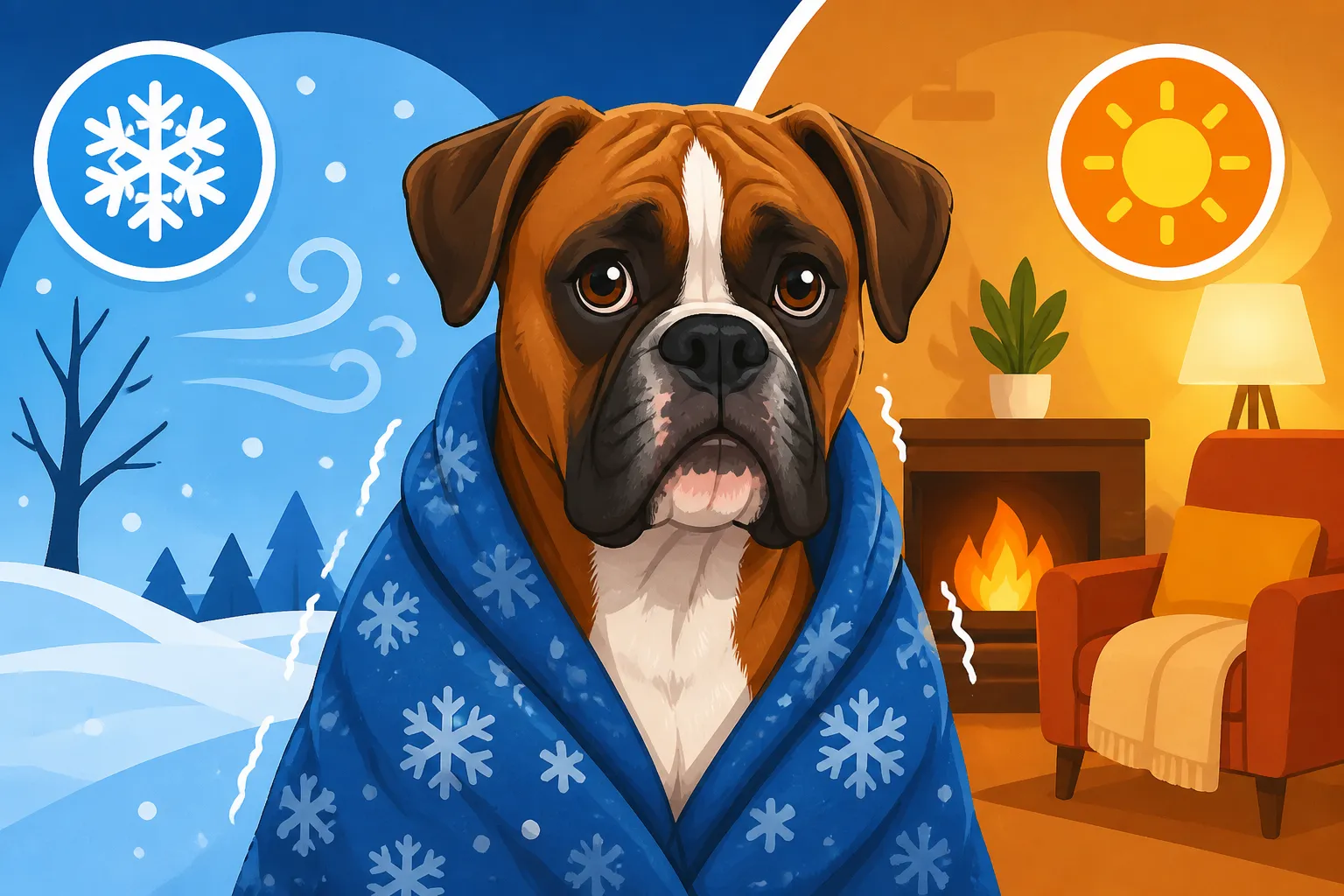
Without that insulating undercoat, cold air has a direct path to a Boxer's skin. You might notice your Boxer shivering visibly on a chilly morning walk, even if it's just 40 or 50 degrees Fahrenheit. This isn't them being dramatic; it's their body actively trying to generate heat through muscle contractions. Their exposed belly, with its sparse hair, is particularly vulnerable to cold ground or icy surfaces. Their paws, while tough, can also lose heat rapidly, especially if walking on frozen pavement or snow. The cold can quickly leach body heat, leading to discomfort and, in more extreme situations, a drop in core body temperature. It’s crucial to pay attention to these early signs of discomfort to prevent more serious issues.
Environmental Factors and Cold Sensitivity
It’s not just the temperature reading on your phone that dictates how cold your Boxer feels. Other environmental factors play a huge role, making a seemingly mild day feel much colder to your sensitive companion.
Temperatures That Start to Impact a Boxer
Generally speaking, once temperatures dip below 45 degrees Fahrenheit (around 7 degrees Celsius), many Boxers will start to feel uncomfortable and show signs of wanting to head back indoors. Below 32°F (0°C), the risk of health issues like hypothermia significantly increases, especially if they are exposed for too long without protection. However, it's not a hard and fast rule; individual Boxers can vary. A younger, more active Boxer might tolerate slightly cooler temperatures better than an older one or a puppy.
Furthermore, consider the "feels like" temperature. Wind chill can make 40 degrees feel like 20 degrees to both you and your Boxer. If it's windy, your Boxer will feel the cold more acutely. Rain or snow also dramatically increases the impact of cold, as a wet coat loses heat much faster than a dry one. A damp, chilly day in the 40s can be far more dangerous for a Boxer than a dry, still day in the 30s. This is why paying attention to the full weather picture, not just the thermometer, is so important. For more guidance on specific temperatures, you might find The Degrees at Which a Boxer Struggles helpful.
The Dangers of Prolonged Cold Exposure
Leaving a Boxer out in the cold for too long, even if they have a "shelter," can lead to serious health consequences. Hypothermia occurs when a dog's body loses heat faster than it can produce it, leading to a dangerously low core body temperature. Symptoms can include shivering, lethargy, weakness, shallow breathing, and in severe cases, collapse. Frostbite is another concern, particularly on exposed areas like paws, ears, and tail. The skin might look pale, bluish, or waxy, and often feels cold to the touch.
Certain Boxers are at an even higher risk. Older Boxers, for example, often have less muscle mass, poorer circulation, and may be dealing with conditions like Arthritis in an Older Boxer or Degenerative Myelopathy in an Older Boxer. The cold can exacerbate joint pain and make it much harder for them to move, which then makes it harder for them to warm themselves up. Dogs on certain medications, or those with underlying health issues, may also have a reduced ability to regulate their body temperature. Never underestimate the impact of cold on your Boxer, especially if they are elderly or unwell. Even a chilly garage or an unheated room can become a hypothermia risk if they are left unattended for extended periods.
Practical Ways to Keep Your Boxer Warm
Knowing that your Boxer feels the cold is one thing; doing something about it is another. Luckily, there are many straightforward ways to ensure your furry friend stays warm and comfortable, whether you’re out for a walk or snuggling at home.
Protective Gear for Outdoor Adventures
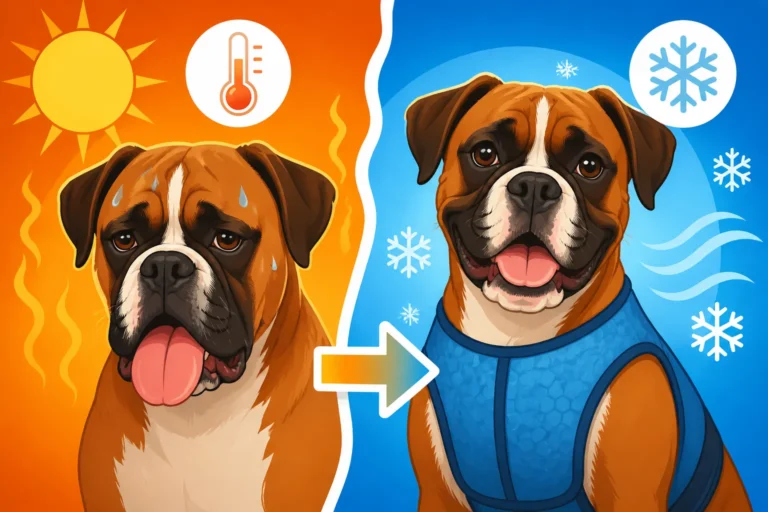
When the mercury drops, a dog coat or sweater isn't just a fashion statement for a Boxer; it's a necessity. For brisk walks on dry, chilly days, a cozy fleece or wool sweater can provide that much-needed layer of insulation that their natural coat lacks. Look for options that cover their chest and belly, as these are often the most exposed areas. For wetter conditions, like rain or snow, a waterproof or water-resistant coat is essential to keep them dry and prevent rapid heat loss. Many brands offer durable, weather-appropriate gear. You can find a vast selection of dog coats and sweaters on platforms like Chewy or Amazon, making it easy to pick out the perfect fit and style for your Boxer. Remember, the goal isn't just to look cute, but to genuinely add a protective barrier against the elements. You might want to check out Coats and Sweaters for a Boxer for more ideas on what works best.
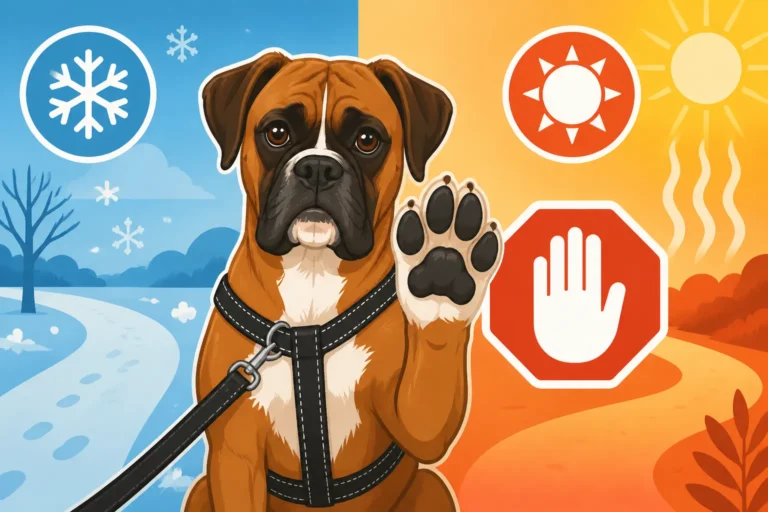
Beyond their body, consider their paws. When walking on icy sidewalks or snow, a Boxer's paws can suffer from frostbite or irritation from road salt and de-icers. Dog booties or paw wax can provide a crucial layer of protection. While some Boxers might initially protest wearing boots, with a little positive reinforcement, most will adapt, especially once they realize how much more comfortable their paws feel. These items are also readily available from pet supply retailers like Chewy or Amazon.
Creating a Warm Indoor Environment
Inside your home, you have even more control over your Boxer's comfort. Drafts are a big enemy of short-coated dogs. Make sure your Boxer's bed isn't near a leaky window or a frequently opened door. Providing them with a plush, elevated bed can keep them off cold floors, and a soft blanket for burrowing will make them feel secure and warm. For older Boxers, an orthopedic bed can offer both warmth and joint support. Bedding for an Old Boxer's Joints is a great resource if you're looking for recommendations for senior dogs.
During colder months, it’s also important to maintain a comfortable indoor temperature. While you might be tempted to save on heating bills, remember your Boxer’s sensitivity. If you’re going to be out for an extended period, ensure the house isn't dropping to uncomfortable levels. If you live in an area with extreme winters, you might even consider specific strategies mentioned in Keeping a Short-Coated Boxer Warm in Winter. On days when outdoor conditions are truly harsh, shorten your walks and supplement with indoor play and mental stimulation to burn off that famous Boxer energy. Indoor Exercise for a Boxer in a Heatwave offers ideas for inside activities that can easily apply to cold weather too.
Nutritional Support and Hydration
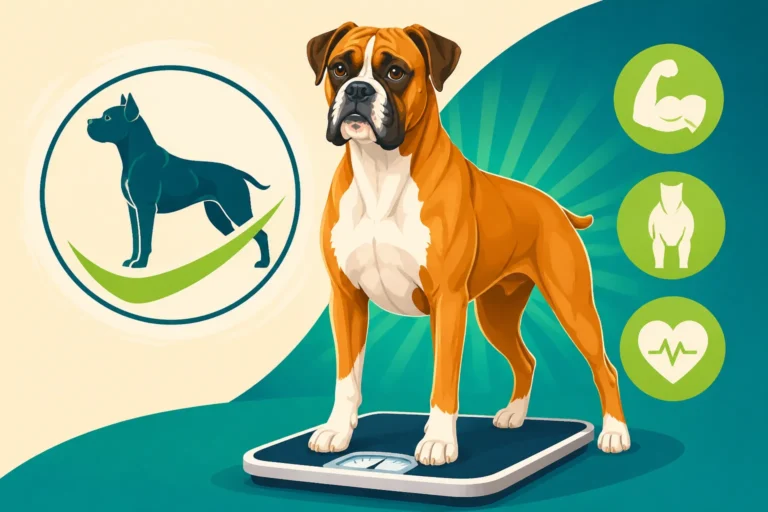
While putting on a few extra pounds isn't the answer to keeping your Boxer warm—excess weight can lead to numerous health problems, including increased strain on their heart—ensuring they are at a healthy weight is important. A Boxer at their ideal, lean and muscular weight will have the energy reserves needed to maintain body temperature. If your Boxer is underweight, they will feel the cold much more intensely. For guidance on maintaining a healthy weight, you can explore Taking Weight Off a Boxer Without Losing Muscle.
Hydration is just as vital in cold weather as it is in hot. Dogs can become dehydrated even in winter, especially if they are active outdoors. Always ensure your Boxer has access to fresh, unfrozen water. If you have an outdoor water bowl, consider one with a heater to prevent freezing. Remember, while a good diet provides the fuel for their body to create heat, it's never a substitute for direct warmth and protection from the elements.
Special Considerations for Boxer Puppies and Seniors
Just like with humans, the very young and the very old are often the most vulnerable to extreme temperatures. Boxer puppies and senior Boxers require extra vigilance and care to stay warm.
Puppies and Their Vulnerability
Boxer puppies are undeniably adorable, but they are also incredibly delicate when it comes to regulating their body temperature. Their smaller body mass means they lose heat much faster than an adult Boxer, and their thermoregulation systems aren't fully developed. A puppy can become chilled very quickly, leading to serious health issues.
For this reason, extra precautions are crucial. Keep young puppies in a warm, draft-free environment indoors. When they do go outside for potty breaks, especially in colder weather, limit their time and consider a small puppy sweater. Supervise them closely, watching for any shivering, lethargy, or reluctance to move. It’s not just about comfort; it's about their fundamental health. Their nutritional needs are also high as they grow, so ensuring they get adequate, regular meals is important for their energy levels and overall warmth. You can learn more about their dietary needs in Meals a Day for a Boxer Under Six Months.
Older Boxers and Increased Sensitivity
As Boxers age, their ability to cope with cold weather often diminishes significantly. Their coats might thin, their muscle mass can decrease (meaning less insulation), and their circulation might not be as efficient as it once was. Older Boxers are also more likely to suffer from chronic conditions like arthritis, which can be painfully exacerbated by cold and dampness. An older Boxer with stiff joints will find it harder to move around to warm themselves up, making them even more susceptible.
It’s imperative to provide senior Boxers with consistent warmth and comfort. This means not just coats for walks, but also extra blankets, orthopedic beds, and ensuring their resting spots are away from any drafts. If your older Boxer has a condition like Degenerative Myelopathy in an Older Boxer, where mobility is already compromised, maintaining warmth becomes even more critical to their quality of life. Regular veterinary check-ups for Caring for a Boxer Past Eight can also help identify any underlying health issues that might make them more vulnerable to the cold. Providing a warm, cozy environment for your senior Boxer is one of the kindest things you can do for them in their golden years.
Here's a quick guide to cold weather readiness for your Boxer:
| Temperature Range | Boxer Behavior & Risk | Recommended Action |
|---|---|---|
| Above 50°F (10°C) | Generally comfortable. | Normal activity, monitor for preference. |
| 40-50°F (4-10°C) | May start to feel chilly, shiver. | Consider a light sweater or coat for walks. Supervise outdoor time. |
| 32-39°F (0-3°C) | Clearly cold, shivers, seeks warmth. | Essential to wear a warm coat. Limit outdoor time (15-20 min max). Watch paws. |
| Below 32°F (0°C) | Significant risk of hypothermia/frostbite. | Very short bathroom breaks only. Warmest coat, paw protection (booties). Avoid wind/wet. |
| Below 20°F (-6°C) | Dangerous for any prolonged exposure. | Absolutely minimal outdoor time. Only for quick potty. Keep indoors. |
Remember, this is a general guideline. Always observe your individual Boxer's cues and comfort levels.
Disclaimer
This article is for general informational purposes only and does not constitute professional advice. Laws, prices and regulations vary by location and change over time. Consult a qualified professional for guidance on your specific situation.