The Boxer’s First Twenty Years in America
Many people adore the modern Boxer with its playful spirit, loyal nature, and distinctive square head. However, few truly appreciate the challenging journey this magnificent breed undertook to become a beloved fixture in American homes. This guide will take you back in time, tracing the Boxer's first two decades in the United States, from its initial, often misunderstood, introduction to its hard-won rise to recognition and the establishment of its dedicated American fanbase.
The Boxer's Arrival on American Shores
Before the Boxer was a household name, before you could easily find Boxer-specific products on sites like Chewy, it was an obscure import. The journey across the Atlantic was more than just a physical one for these dogs; it was a cultural leap into a land largely unfamiliar with their type and purpose.
Initial Imports and Early Exposure
The first Boxers trickled into America from Germany in the late 19th and very early 20th centuries. These weren't mass imports; rather, they were often brought over by German immigrants or enthusiasts who had encountered the breed in its homeland. Imagine these early arrivals: strong, compact dogs with powerful jaws and a distinctive brachycephalic (flat-faced) structure that was quite different from the typical working breeds Americans were accustomed to seeing. They didn't arrive with much fanfare, no widespread advertising or immediate celebrity endorsement. Instead, they came quietly, usually one or two at a time, often intended for personal companionship or as curiosities among a small circle of dog lovers. Many people simply didn't know what to make of them. They might have been confused with other bulldog types or thought to be mixed breeds, lacking the immediate recognition of more established European imports like German Shepherds or Dobermans. These pioneering Boxers laid the groundwork, even if unintentionally, for everything that was to come. Their presence sparked initial conversations, questions, and a burgeoning interest that would slowly but surely gain momentum.
An Unfamiliar Face to the American Public
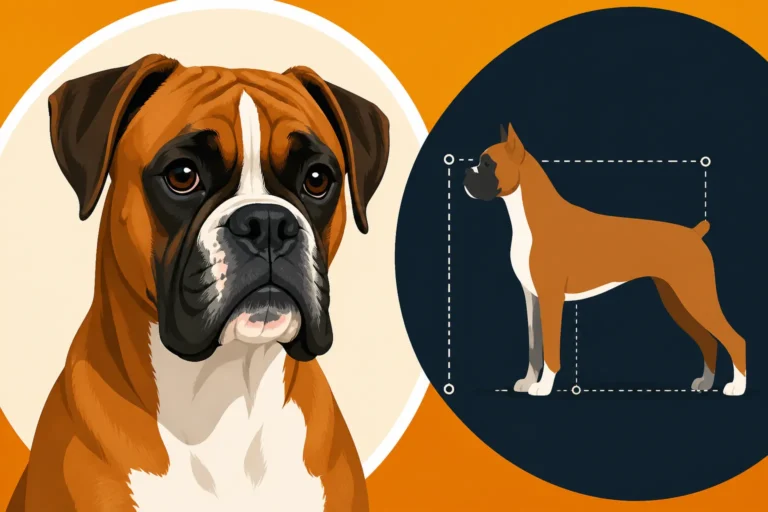
The visual appearance of the Boxer was a significant hurdle to its early acceptance. While the breed's unique features were appreciated in Germany, where its The German Origins of the Boxer lay in the powerful Bullenbeisser, American tastes were different. Many Americans at the time preferred breeds with more traditional canine features, or those with clearly defined working roles like sheepdogs or retrievers. The Boxer's strong undershot jaw, its short, sleek coat, and particularly its powerful, often cropped ears and docked tail, were distinctive. Without the context of their historical development as catch dogs, these traits could appear unusual, even intimidating, to the uninitiated. Public perception often lagged behind the reality of the breed's gentle and playful nature. People often judged them solely on their looks, perhaps seeing a tough exterior without understanding the sweet, clownish personality that lay within. This meant that early Boxer owners had their work cut out for them, serving as informal ambassadors for their dogs, patiently explaining their origins and temperament to curious, sometimes skeptical, onlookers.
Laying the Foundations: Early Advocates and Challenges
The Boxer's journey in America was heavily reliant on a small group of devoted individuals who saw beyond the initial unfamiliarity and recognized the breed's immense potential. These were the true trailblazers.
The First Registered Boxers and AKC Recognition
Official recognition from the American Kennel Club (AKC) was a monumental step for the Boxer in America. This wasn't an overnight achievement; it required dedicated effort from those early enthusiasts to establish the breed's legitimacy and consistency. The first Boxer to be officially registered with the AKC was "Dampf vom Dom," in 1904. This single registration marked the official entry of the Boxer into the American purebred dog world. While significant, it didn't immediately translate into widespread popularity. For years, the number of registered Boxers remained quite small, reflecting the niche status of the breed. Each subsequent registration, each new litter, was a small victory, contributing to the growing, albeit slow, recognition. Owners had to demonstrate that their dogs met the emerging standard, provide proof of lineage, and navigate the bureaucratic processes of the AKC. It was a painstaking process that slowly built the foundation for future generations of Boxers and their admirers. You can learn more about this foundational period by reading The Year the First Boxer Was AKC Registered.
Overcoming Misconceptions and Building a Base
Beyond the logistical challenges of registration, early Boxer advocates faced the uphill battle of public perception. The breed's powerful appearance, combined with a lack of general knowledge about its true Boxer Temperament in the Standard and in Life, often led to misconceptions. Some viewed them as aggressive or dangerous, largely due to their bulldog-like lineage and working dog origins. Others simply didn't understand their unique personality – the boundless energy, the clownish antics, the deep loyalty. Early breeders and owners had to actively dispel these myths, showcasing their dogs' true character at local dog events, informal gatherings, and through personal interactions. They demonstrated that Boxers, despite their imposing physique, were intelligent, trainable, and affectionate family dogs. They had to prove that the "boxing" with their front paws was a form of playful interaction, not aggression. This period was crucial for building a small but loyal base of enthusiasts who understood and championed the breed, one owner at a time, fostering word-of-mouth recommendations that slowly began to change public opinion.
Defining the Breed: The Early Standard and Its Impact
With AKC recognition came the necessity of a clear breed standard, a blueprint for what a Boxer should be, both in appearance and character. This standard was vital for consistent breeding and showing.
Adapting the German Standard for America
The Boxer, having originated in Germany, naturally arrived with a German breed standard. However, as the breed found its footing in America, there was a need to adapt and formalize this standard for the American context. This wasn't about fundamentally changing the Boxer, but rather translating and solidifying the existing guidelines to ensure that American breeders were working towards a consistent ideal. The early American standard drew heavily from The German Boxer Club and Its 1902 Standard, which had been pivotal in Germany. It described the ideal Boxer's physical attributes—its square build, powerful head, expressive dark eyes, and distinctive undershot bite. These characteristics were not just aesthetic; they spoke to the breed's historical purpose and athletic capabilities. Establishing a clear standard was essential for judges in the show ring and for breeders aiming to produce high-quality, type-true Boxers. This consistency was critical to prevent the breed from diverging into different "types" and to ensure that the American Boxer remained true to its German heritage.
The Importance of Type and Temperament
Beyond the physical descriptions, the breed standard emphasized "type," which encompasses both outward appearance and the characteristic Boxer temperament. It was crucial for early American Boxer breeders and judges to understand that a Boxer wasn't just a collection of physical traits; it was also a dog defined by its spirited, intelligent, and affectionate nature. The standard highlighted the Boxer's courageous yet docile disposition, its alertness, and its unwavering loyalty. These traits were paramount, distinguishing the Boxer from other bull breeds and solidifying its place as a family companion and guardian. Without a clear focus on temperament, the breed's development in America could have gone astray, producing dogs that were physically correct but lacked the soul of a true Boxer. Therefore, selecting breeding stock based on both conformation and character was a key concern, ensuring that the wonderful qualities that made the Boxer so unique were preserved and passed down through generations. To understand more about these desired traits, it's helpful to review The Boxer the Breed Standard Describes.
Pioneers and Show Ring Successes
The journey from obscure import to show ring contender was driven by the tireless efforts of a few dedicated individuals and their exceptional dogs.
Influential Kennels and Breeding Lines
The Boxer's early success in America owes a huge debt to a handful of influential kennels and breeders who committed themselves to importing top-quality German stock and establishing robust American lines. Figures like John Wagner, who founded Mazelaine Kennels, and other dedicated individuals were instrumental. They didn't just breed dogs; they were passionate advocates, educators, and mentors. These kennels meticulously studied pedigrees, understood genetics, and tirelessly worked to breed Boxers that not only conformed to the standard but also possessed excellent health and temperament. They imported dogs that had made a mark in European show rings or demonstrated exceptional working ability, thereby enriching the American gene pool. Their commitment meant that, even though the breed numbers were small, the quality was often very high. These early breeders faced significant costs, logistical challenges, and the inherent risks of importing animals, but their vision laid the foundation for the breed's future prominence. They became the pillars upon which the American Boxer fancy was built, guiding others in responsible breeding practices and fostering a community of Boxer lovers. For those interested in the foundational history, reading about The First Boxer Entered in a German Show can provide further context on the early days of breed establishment.
Early Victories and Public Acclaim
The show ring became a vital platform for the Boxer to gain visibility and acceptance. Each victory, no matter how small, chipped away at public unfamiliarity and showcased the breed's undeniable elegance and athleticism. While the Boxer didn't immediately dominate, its presence and eventual wins at major shows like Westminster Kennel Club gradually drew attention. Early champions, often imported from Europe or bred directly from those initial imports, proved that the Boxer was a serious contender, not just a novelty. For instance, The First Boxer to Take an AKC Championship was a landmark event, signaling that the breed had arrived on the American purebred scene. These victories weren't just about trophies; they generated buzz, attracted new enthusiasts, and gave the breed much-needed exposure. People began to see the Boxer not just as a powerful dog, but as a graceful, intelligent animal capable of excelling under the discerning eyes of judges. These moments of public acclaim were crucial in shifting perceptions and building a positive image for the breed, paving the way for its later surge in popularity.
The Roaring Twenties and Growing Popularity
As America entered the 1920s, a period of economic prosperity and cultural change, the Boxer began to truly hit its stride. The foundation had been laid, and the breed was poised for expansion.
Expanding the Breed's Footprint
The "Roaring Twenties" saw a gradual but steady expansion of the Boxer's footprint across America. As more people became aware of the breed through dog shows, word-of-mouth, and dedicated breeders, demand slowly increased. This meant more Boxers were being bred domestically, and their presence started to extend beyond the initial small pockets of enthusiasts in the Northeast. People living in different states, perhaps previously exposed only to the more common breeds, began to seek out Boxers. This expansion wasn't explosive, but it was significant. It signified that the breed was moving beyond a mere curiosity to something genuinely desired by a broader spectrum of the American dog-owning public. Breeders faced the pleasant challenge of meeting this growing demand while maintaining the quality and type that had been so carefully established. Marketing efforts, though rudimentary by today's standards, involved showcasing photos in dog magazines and participating in more local events, making the Boxer a more accessible and visible option for potential owners.
The Boxer's Unique Appeal
What was it about the Boxer that began to captivate Americans during this era? It was a combination of factors. Their striking appearance, coupled with their exuberant and affectionate personalities, proved to be an irresistible combination for many. The Boxer was (and still is!) often described as a "clown" – full of life, playful, and always ready to entertain their families. This joyful disposition, combined with their inherent loyalty and protective instincts, made them ideal family companions. They were perceived as strong and capable, yet gentle and loving with children, a highly desirable trait for families looking for a versatile dog. The Boxer offered a unique blend of athleticism and amiability, making it suitable for active lifestyles while also being a comforting presence at home. This period of growing appeal foreshadowed the later surge in How Popular the Boxer Became in America, driven by the very traits that were starting to charm American households in the 1920s.
Establishing a Legacy: The American Boxer Club
The formation of a dedicated breed club was a critical milestone, moving the Boxer beyond individual efforts into a structured, collective force for its advancement.
Formation and Early Objectives
The most pivotal development during the Boxer's first two decades in America was undoubtedly the formation of the American Boxer Club (ABC). Established in 1935, its creation marked a coming of age for the breed in the United States. Before this, enthusiasts operated more independently, but a national club provided a centralized organization to coordinate efforts, set standards, and promote the breed on a broader scale. The early objectives of the ABC were clear: to encourage and promote the breeding of purebred Boxers and to bring their natural qualities to perfection; to urge members to accept the standard of the breed as approved by the American Kennel Club; and to conduct dog shows, field trials, and obedience trials under AKC rules. It was about solidifying the identity of the American Boxer, ensuring ethical breeding, and providing a community for its growing number of devotees. You can find more about these organizations in The Boxer Clubs That Register Dogs in America. The establishment of the ABC meant the Boxer's future in America was now stewarded by a collective body, not just a few dedicated pioneers.
Protecting and Promoting the Breed
With the American Boxer Club officially in place, the breed had a powerful advocate dedicated to its long-term health and welfare. One of the primary functions of the club was to protect the breed standard, ensuring that Boxer characteristics remained consistent and true to their German heritage, as detailed in What the Boxer Standard Said in 1902. This meant educating breeders, judges, and the public on what constituted a correct Boxer. Beyond protection, the ABC actively promoted the breed through various avenues. They organized and sanctioned specialty shows, giving Boxers their own dedicated platform to shine. They published newsletters, provided resources for new owners, and fostered a sense of community among Boxer enthusiasts. This promotion was vital in dispelling lingering misconceptions and highlighting the Boxer's positive attributes, ensuring its continued growth and acceptance. The club also played a crucial role in advocating for responsible ownership and breeding practices, understanding that the breed's reputation depended on the health and temperament of its individual dogs. Through these concerted efforts, the ABC laid the groundwork for the Boxer to become one of America's most beloved and recognized breeds.
Here is a summary of some key milestones in the Boxer's early history in America:
| Year (Approx.) | Event/Development | Significance |
|---|---|---|
| Late 1800s | First Boxers imported to the US | Initial exposure of the breed to American dog fanciers. |
| 1904 | "Dampf vom Dom" registered with AKC | Official recognition and entry into the purebred dog world. |
| 1910s | Gradual increase in imports and domestic breeding | Slow but steady growth of the Boxer population. |
| 1920s | Increased visibility at dog shows | Public awareness begins to rise, dispelling some misconceptions. |
| 1935 | American Boxer Club (ABC) officially formed | Centralized organization for breed advocacy and standards. |
This article is for general informational purposes only and does not constitute professional advice. Laws, prices and regulations vary by location and change over time. Consult a qualified professional for guidance on your specific situation.