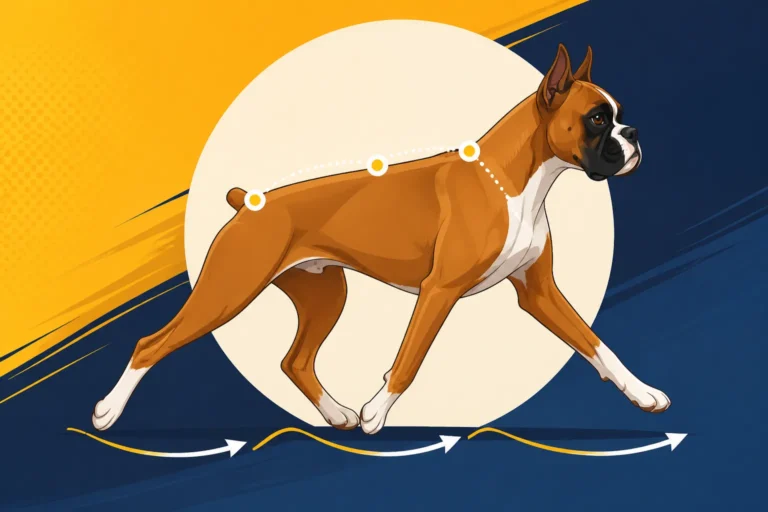
Boxers as a Second Dog
Bringing a second dog into your home can feel like a wonderfully exciting idea, but if you already have a Boxer, or if you're thinking about adding a Boxer to a household with another canine companion, you know there's a unique set of challenges and considerations. Boxers are incredibly special dogs with distinct personalities, energy levels, and play styles that need careful thought when mixing them with another dog. This guide will walk you through everything you need to know about successfully integrating a Boxer into a multi-dog household, helping you create a harmonious and happy home for all your furry family members.
Understanding the Boxer's Unique Social Nature
Boxers are renowned for their playful, often goofy, and eternally youthful spirit. This exuberance is part of their charm, but it's also a crucial factor when you're considering them as part of a multi-dog household. They aren't just high-energy; they have a specific way of interacting that some other breeds might find overwhelming or even rude.
The Boxer Puppyhood That Lasts Three Years
It's not just a cute saying — Boxers genuinely seem to remain in a "puppy phase" for much longer than many other breeds. While a Labrador might start to settle down around 18 months, your Boxer could still be bouncing off the walls, full of boisterous energy well into their second or even third year. This extended adolescence means that if you're bringing a Boxer puppy into a home with an older, more sedate dog, there's a significant mismatch in energy and play needs for a long time. The older dog might quickly become annoyed or even stressed by the constant invitations to wrestle or chase.
This prolonged puppy stage also means they require consistent training and socialization during these crucial formative years. A well-socialized Boxer puppy is more likely to grow into an adult who understands how to interact politely with other dogs, even if their natural enthusiasm always shines through. If you're bringing an adult Boxer into a home, it's vital to understand how they were socialized during their "puppyhood" — whether it lasted two years or less. You can learn more about this specific trait in Why a Boxer Acts Like a Puppy Until Three.
Boxer Play Style and Its Impact on Other Dogs
Boxers aren't known for subtle play. They love a good body slam, a vigorous chase, and a lot of "boxing" with their front paws. It's how they get their name, after all! This is a typical, healthy Boxer play style. For another Boxer or a similarly robust, tolerant breed, this can be fantastic fun. They'll roll around, grapple, and expend energy in a truly engaging way. However, imagine a delicate Italian Greyhound or a shy Cavalier King Charles Spaniel trying to keep up. It's easy to see how a Boxer's enthusiastic play could lead to accidental injury or significant stress for a smaller or more reserved dog.
It's not about malice; it's just how they're wired to play. They might not always pick up on subtle cues from other dogs that signal "I'm not enjoying this" or "that's enough." A growl from a smaller dog might be seen as an invitation to ramp up the game, rather than a warning to back off. This means you, as the owner, have a significant role in mediating play and ensuring all dogs involved are genuinely having a good time. Understanding Boxer Play Style With Other Dogs is key to managing these interactions.
Considerations When Adding a Boxer to Your Current Pack
Deciding to bring a second dog home is a big step, and adding a Boxer requires even more forethought. It’s not just about finding a dog you like; it’s about finding a dog that complements your existing furry family member, especially if that family member is a Boxer, or if the new addition will be a Boxer.
Temperament of Your Resident Dog
If you already have a dog and you're considering a Boxer, the temperament of your resident dog is paramount. Does your current dog enjoy rough-and-tumble play? Are they tolerant of bouncy, exuberant personalities? A confident, easygoing dog who enjoys an active playmate might thrive with a Boxer. Think about a sturdy Labrador, a playful Golden Retriever, or even another Boxer. These breeds often match a Boxer's energy and robustness.
On the other hand, if your existing dog is senior, very small, anxious, or prefers a quiet life, a young, energetic Boxer could be a recipe for stress and conflict. An older dog might find a Boxer's constant invitations to play exhausting and irritating, leading to snapping or retreating behavior. It's not fair to either dog to force a mismatch. Consider Caring for a Boxer Past Eight if your resident Boxer is getting on in years and you're thinking of adding a new puppy.
Age and Energy Level Differences
The age and energy level match between dogs can make or break the success of a multi-dog household. While a puppy can sometimes rejuvenate an older dog, a massive energy disparity can be detrimental. A young Boxer puppy, for example, needs multiple play sessions throughout the day, whereas a seven-year-old Boxer might prefer a long nap after a brisk walk.
If you have an older Boxer, consider if they truly have the patience for a puppy’s relentless energy and sharp puppy teeth. Often, a better match for an older dog is an adult Boxer (perhaps 2-3 years old) whose energy levels are still good but who has moved past the most intense "puppy zoomies" phase and has some established manners. Conversely, if you have a high-energy younger dog, a new Boxer puppy could be an excellent match, providing a consistent playmate that can keep up.
Training Implications for a Multi-Dog Home
Adding a second dog doubles your training responsibilities. With Boxers, who are known for their intelligence but also their capacity for selective hearing when bored, this means committing to consistent, positive reinforcement. You'll need to train both dogs, individually and together, on basic obedience, house manners, and polite interactions. Teaching cues like "leave it," "settle," and "place" becomes even more critical when managing two dogs, especially when food or high-value toys are present.
Consider crate training for both dogs. Boxers, in particular, benefit immensely from crate training, as it provides them with a safe, den-like space and can be a lifesaver for managing their energy and preventing destructive behaviors when left alone. Having separate crates can prevent resource guarding issues and give each dog a much-needed break from the other. For example, durable crates and comfortable bedding can be found easily on sites like Chewy, which can be essential for ensuring each dog has their own sanctuary. You can read more about this in Why a Boxer Needs a Crate More Than Most.
Introducing Your New Boxer to Your Resident Dog
The first impressions are incredibly important when introducing two dogs. You want these initial encounters to be positive, calm, and controlled, setting the stage for a lasting friendship rather than conflict. Rushing this process can lead to long-term issues.
Neutral Territory Meetings
Never just throw two dogs together in your home and hope for the best. The first few meetings should always happen on neutral territory. This could be a local park, a friend's large, fenced yard, or even a quiet street. The idea is to remove any territorial instincts that might arise if the meeting happens in your resident dog's perceived space.
Start with parallel walks. Walk both dogs on separate leashes, with two handlers, side-by-side but far enough apart that they don't feel pressured to interact. This allows them to get used to each other's presence and scent without direct confrontation. Gradually, as they show calm, relaxed body language (loose tails, soft eyes, not pulling or barking), you can decrease the distance. Once they seem comfortable, allow for brief, supervised sniff-and-greet moments. Keep these interactions short and positive. Always end on a good note, before either dog shows signs of stress or overstimulation.
Gradual House Integration
Once the neutral territory meetings have gone well, it's time to bring your new Boxer home, but don't just let them loose. Continue with controlled introductions within the house. Initially, keep them separated, using crates, baby gates, or separate rooms. This allows them to get used to each other's scents in the environment without direct interaction. Swap bedding or toys between them so they become familiar with the other dog's smell.
Supervised short play sessions can then be introduced, always keeping them positive and short. Use high-value treats to reward calm behavior and positive interactions. Ensure there are plenty of resources (beds, toys, water bowls) to prevent guarding. Feeding them separately, perhaps in their crates or different rooms, is also a good practice, especially in the early days. If one dog is a resource guarder, or if both are, management is key. For a wide variety of toys and chew options that can keep two dogs happily occupied, many owners find Chewy to be a great resource.
Managing Play and Conflict
Even after a successful introduction, you'll need to actively manage their interactions, especially with a Boxer's boisterous play style. Watch for signs of stress or discomfort in either dog: lip licking, yawning, stiff body language, whale eye, or one dog constantly trying to get away. It's your job to intervene before these escalate into conflict.
Use verbal cues like "enough" or "break" to interrupt intense play. Physically separate them periodically to allow both dogs to decompress. Never leave two dogs unsupervised until you are absolutely confident in their relationship and understanding of each other’s boundaries. This can take weeks, months, or even longer, depending on the dogs involved. It's a continuous process of observation and mediation to ensure a harmonious household. Introducing a Boxer to a Resident Dog provides further detailed steps.
Navigating Multi-Boxer Households or Mixed-Breed Homes
Whether you're doubling down on Boxers or adding another breed into the mix, understanding the specific dynamics of a multi-dog household is essential for peace and happiness.
The Dynamics of Two Boxers
Bringing a second Boxer into your home can be a fantastic experience for a Boxer lover. They often speak the same language, understanding each other's play signals and energy levels intrinsically. Two Boxers can burn off incredible amounts of energy together, wrestling, chasing, and "boxing" to their heart's content. This can sometimes reduce destructive behaviors that stem from boredom, as they have a constant playmate.
However, even two Boxers can face challenges. Same-sex aggression can sometimes be an issue, particularly between two un-neutered males or two females who are vying for status. Careful observation and early intervention are crucial. Ensure both dogs receive individual attention, training, and affection so they don't feel like they're competing for your resources.
| Trait/Consideration | Single Boxer Household | Multi-Boxer Household | Mixed-Breed Household (Boxer + other) |
|---|---|---|---|
| Energy Management | Owner solely responsible for exercise. | Dogs may burn energy together through play. | Owner must balance different energy needs. |
| Play Style | Directed at owner or other dogs encountered. | Often a perfect match for rough Boxer play. | Requires careful supervision for compatibility. |
| Training Needs | Focus on one dog's quirks. | Training individually and together; resource guarding. | Tailored training for each breed's traits. |
| Socialization | Critical for polite interactions outside home. | Internal socialization is strong; external still needed. | Must ensure harmonious inter-breed dynamics. |
| Space Requirements | Sufficient for one large, active dog. | Requires more space for play and separate resting areas. | Varies by size and activity of other breed. |
| Potential Conflicts | Less internal competition. | Can arise from resources, hierarchy (same-sex). | Often due to mismatched play styles or communication. |
For those considering Same-Sex Boxer Pairs in One House, specific strategies are often needed to ensure a peaceful coexistence.
Challenges and Benefits of Mixed-Breed Pack Dynamics
A mixed-breed household with a Boxer can bring a wonderful blend of personalities, but it often requires more active management from you. The main challenge is often mismatched play styles or communication. A breed that communicates differently or is much smaller might struggle to keep up or understand the Boxer’s boisterous invitations. You'll need to be the interpreter and referee, ensuring that play remains fair and appropriate for both dogs.
The benefits, however, can be immense. Another dog, especially one with a calmer demeanor, can sometimes teach a young Boxer appropriate boundaries. Conversely, a playful Boxer can encourage a shy dog to come out of their shell. They provide companionship for each other, which can reduce separation anxiety and boredom-related destructive behaviors, especially if you have to leave them alone for periods. Making sure you have enough engaging toys, especially from pet supply retailers like Chewy, can significantly help with boredom in a multi-dog home.
Ensuring Individual Attention and Resources
In a multi-dog household, it's easy for one dog to dominate attention or for you to accidentally overlook one dog's needs in the chaos. It’s absolutely crucial that both dogs receive individual attention, training, and one-on-one time with you. This reinforces your bond with each dog and prevents jealousy or competitive behaviors from developing. Take them for separate walks, have solo training sessions, or simply enjoy quiet cuddle time with each dog independently.
Also, ensure there are enough resources for everyone. This means multiple water bowls, plenty of beds, enough toys that they don't have to share high-value items, and feeding them separately. If you notice any signs of resource guarding, address it immediately and seek professional help if needed. A tired Boxer is a happy Boxer, and a mentally stimulated one is even happier. Ensure both dogs are adequately exercised, especially considering Boxer Exercise Needs and the Heat That Limits Them, and are given plenty of opportunities for enrichment to prevent boredom.
Ultimately, bringing a Boxer into a home with another dog, or adding a second dog to a Boxer's life, can be incredibly rewarding. It provides companionship and enriches the lives of all involved. With careful planning, patient introduction, consistent training, and thoughtful management, you can create a joyful and harmonious multi-dog family where every wagging tail feels loved and understood.
Disclaimer
This article is for general informational purposes only and does not constitute professional advice. Laws, prices and regulations vary by location and change over time. Consult a qualified professional for guidance on your specific situation.