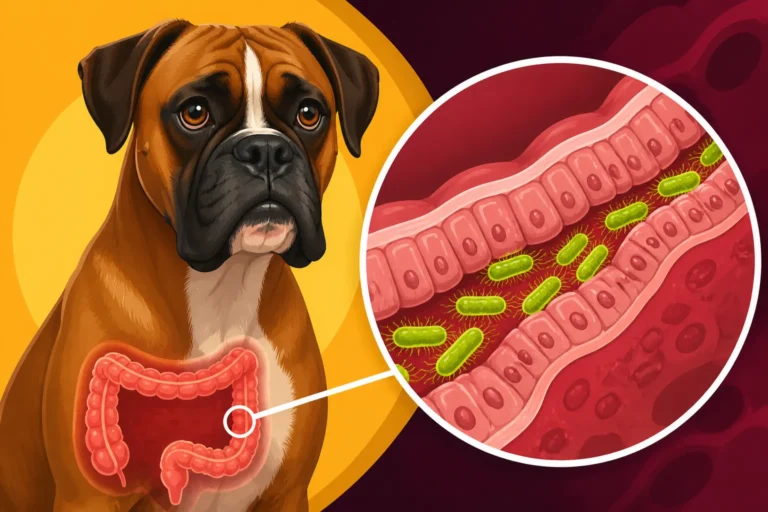
Whether Early Neutering Changes Boxer Cancer Risk
Many Boxer owners grapple with the decision of when, or even if, to neuter their beloved companion, often wrestling with conflicting advice and the gnawing fear of cancer. It's a huge decision, one that can feel like a gamble when you simply want to do what's best for their long-term health, hoping to give them the longest, healthiest life possible. This comprehensive guide will meticulously explore the current understanding of how early neutering might impact a Boxer's risk of developing various cancers, helping you navigate this complex choice with clearer, evidence-based information.
The Complex Relationship Between Neutering and Boxer Cancer Risk
It’s easy to think of neutering as a straightforward procedure, a simple snip that prevents unwanted puppies and perhaps reduces some behavioral issues. However, the decision to neuter, and particularly when to do it, has become a hot topic in veterinary medicine and among Boxer enthusiasts, largely due to emerging research on its long-term health implications, especially concerning cancer. For a breed like the Boxer, already predisposed to certain cancers, this discussion is even more critical. There isn't a simple "yes" or "no" answer, but rather a nuanced understanding based on specific cancer types and individual factors.
Mammary Gland Tumors and the Early Spay
When we talk about female Boxers and cancer, mammary gland tumors are often a primary concern for intact females. These tumors, which can be benign or malignant, are directly linked to hormonal exposure. The good news here is quite clear: numerous studies have consistently shown that spaying a female Boxer before her first heat significantly reduces the risk of developing these tumors. The protective effect diminishes with each subsequent heat cycle.
Imagine you have a beautiful female Boxer puppy, full of life and energy. You're trying to make all the right choices for her future. Knowing that waiting until after her second or third heat cycle could mean a significantly higher chance of her developing mammary tumors later in life can be a heavy thought. The science here suggests that early spaying removes the hormonal fuel that these particular cancers need to develop. For many female Boxer owners, this benefit alone is a strong motivator for opting for an early spay, typically before six months of age. It's one of the clearest instances where neutering provides a robust preventative health benefit against a specific cancer.
Prostate Issues in Intact Male Boxers
Male Boxers, like all intact males, face a different set of prostate-related issues. The most common is benign prostatic hyperplasia (BPH), which is an enlargement of the prostate gland. While not cancerous, BPH can cause symptoms like difficulty urinating or defecating, and sometimes blood in the urine. Neutering a male Boxer almost entirely eliminates the risk of BPH, as it removes the testosterone that drives prostate growth. Many owners see their older intact males develop BPH, leading to discomfort and veterinary visits, which then often results in a neuter anyway to alleviate the symptoms.
However, the picture for actual prostate cancer (adenocarcinoma) is more complex. Unlike BPH, which is hormonally driven and responsive to neutering, prostate cancer in dogs is less common and, tragically, often quite aggressive. Current research hasn't established a definitive link between neutering and decreasing the risk of prostate adenocarcinoma. In fact, some studies even suggest a slight increase in the risk of this aggressive cancer in neutered males, though this finding is debated and the overall incidence remains low. It’s a frustrating paradox for owners: neutering prevents benign enlargement but doesn't necessarily protect against the really bad cancer. The benefit of neutering for males primarily lies in preventing BPH, perianal adenomas, and of course, testicular cancer.
The Debated Link to Lymphoma and Hemangiosarcoma
Here's where the waters get particularly muddy, and the decisions feel toughest for Boxer owners. Boxers are unfortunately predisposed to certain aggressive cancers, with lymphoma and hemangiosarcoma being among the most devastating. Why Cancer Kills More Boxers Than Anything Else is a question that weighs heavily on every Boxer lover's heart. Recent research, particularly large-scale studies looking at various breeds, has suggested a potential increased risk of these specific cancers in neutered dogs compared to intact dogs.
It’s important to understand this isn't a universally accepted conclusion across all studies or breeds, and the mechanisms aren't fully understood. Some theories suggest that sex hormones play a role in immune system regulation and cell growth, and removing them prematurely might alter these protective functions. For example, a study might indicate that neutered male Boxers have a slightly higher risk of developing lymphoma. For an owner, this information can be incredibly unsettling. You're trying to prevent future problems, only to hear that a common preventative measure might, in fact, increase the risk of another serious condition. This is why the timing of neutering, or even the choice to forgo it, has become such a deeply personal and often agonizing decision, prompting many to research organizations like the American Boxer Club and veterinary oncology resources for the latest data.
Understanding Cancer Types Potentially Affected by Neutering
When considering neutering for your Boxer, it's not just about if the risk changes, but which risks for which cancers. Boxers, bless their blocky heads and playful hearts, are known for their susceptibility to certain types of cancer, making every decision about their health feel monumental. Understanding the specific cancers and their proposed links to neutering can help clarify the decision-making process.
Mast Cell Tumors in Boxers
Ah, the dreaded mast cell tumor. If you own a Boxer, you’re probably already familiar with the advice to do Weekly Lump Checks on a Boxer because these dogs are simply prone to them. Mast cell tumors are one of the most common skin cancers in dogs, and Boxers are at the top of the list for predisposition. They can appear as anything from a small bump to an angry, rapidly growing mass, and their behavior can be unpredictable, ranging from benign to highly aggressive. The Lumps a Boxer Owner Has to Check For are a constant concern.
So, how does neutering fit into this picture? Currently, there's no strong, consistent evidence to suggest that neutering, whether early or delayed, directly causes or prevents mast cell tumors in Boxers. The genetic predisposition in the breed seems to be the overwhelming factor. However, some anecdotal observations and less conclusive studies have pondered if the hormonal shifts post-neutering could indirectly influence tumor growth or recurrence. The consensus, for now, is that a Boxer’s risk of developing a mast cell tumor is largely intrinsic to the breed itself, irrespective of its intact or neutered status. This doesn't mean you can relax; it means regular checks and prompt veterinary attention for any new lump are paramount. Understanding Grading a Boxer's Mast Cell Tumor is crucial for prognosis once one is found.
Osteosarcoma and Other Bone Cancers
Osteosarcoma, a devastating bone cancer, is another cancer type that has been associated with neutering in some large and giant breeds. This is particularly concerning because Boxers, while not giant, are a deep-chested, muscular breed with rapid growth phases as puppies. The theory behind this link revolves around the role of sex hormones (estrogen and testosterone) in the closure of growth plates in long bones. These hormones signal the growth plates to close at appropriate times during skeletal maturation.
When a dog is neutered early, before these growth plates have naturally closed, the process can be delayed. This results in longer bones, and some researchers hypothesize that these longer bones, or the altered bone growth dynamics, may be more susceptible to osteosarcoma. For breeds like Boxers, which are prone to orthopedic issues like Boxer Hip Dysplasia and Spondylosis, disrupting normal skeletal development could have wider implications beyond just cancer risk. The data is still being debated, and not all studies find a significant link, but it's a serious consideration, especially if you're thinking about neutering your Boxer before they are fully mature, which is typically between 12-18 months of age. It adds another layer of complexity to the timing of the procedure.
The Nuance of Testicular Cancer in Intact Males
For male Boxers, testicular cancer is a straightforward case where neutering offers a definitive preventative benefit. If a male Boxer is neutered, he cannot develop testicular cancer – it's as simple as that. This is especially true for dogs with cryptorchidism, a condition where one or both testicles fail to descend into the scrotum. Cryptorchid testicles, retained within the abdomen or inguinal canal, have a significantly higher risk of becoming cancerous, often developing into Sertoli cell tumors, which can also produce estrogen and lead to feminization signs in the dog.
While not all intact male Boxers will develop testicular cancer, and it's generally a treatable cancer if caught early, neutering removes the possibility entirely. This is a clear, undeniable benefit of neutering for males. When weighing the risks and benefits, especially if your male Boxer has a retained testicle, the argument for neutering to prevent this specific cancer becomes very strong. It's one less thing to worry about in a breed already facing higher cancer risks overall.
Weighing the "When" – Early vs. Delayed Neutering
The decision to neuter a Boxer isn't just about "if," but often critically, "when." The timing can have different impacts on their health, behavior, and physical development. For a breed with as many health considerations as the Boxer, understanding the implications of early versus delayed neutering is paramount for responsible ownership. This isn't just about preventing puppies; it's about optimizing their overall well-being across their entire Boxer Lifespan and the Years That Decide It.
Defining "Early" and "Delayed" Neutering for Boxers
When we talk about "early" neutering, we're typically referring to procedures performed before a Boxer puppy reaches sexual maturity, often between 4 to 6 months of age. This is the traditional recommendation from many veterinarians and shelters, aiming to prevent unwanted pregnancies and address behavioral issues early. However, for a breed like the Boxer, which can take longer to physically and mentally mature, this timing has come under increased scrutiny.
"Delayed" neutering, on the other hand, usually means waiting until a Boxer is older, often past their first birthday, or even until they are 18-24 months old, which is when they are considered skeletally mature. For female Boxers, this might mean allowing them to go through one or two heat cycles. For males, it means allowing them to fully develop their hormonal systems and reach full adult size and muscle mass. Some advocate even later neutering, or even leaving males intact, carefully managing their behavior and reproductive capacity. The exact timing can vary, but the general principle is to allow the dog's body to mature fully before altering its hormonal balance.
Pros and Cons Beyond Cancer
The conversation around neutering extends far beyond just cancer risk. There are significant behavioral and orthopedic considerations that can influence the optimal timing for your Boxer.
On the behavioral front, early neutering is often recommended to reduce certain undesirable behaviors in males, such as marking, roaming, and inter-male aggression. While it can certainly help with these issues for some Boxers, it's not a magic bullet, and training and socialization remain crucial. Some argue that early neutering in Boxers can sometimes contribute to shyness or fear-based behaviors in certain individuals, or affect the development of confidence that sex hormones might influence. For females, spaying eliminates heat cycles, which means no messy bleeding, no unwanted male attention, and often a more consistent temperament.
From an orthopedic perspective, delaying neutering, especially in large, fast-growing breeds like Boxers, has been shown to potentially reduce the risk of certain joint disorders. As mentioned earlier, sex hormones play a role in the closure of growth plates. Early removal of these hormones can lead to slightly longer bones and potentially altered joint structure, which some studies link to an increased incidence of cranial cruciate ligament (CCL) tears and hip dysplasia. While Boxers are naturally athletic and can be prone to injuries, delaying neutering until skeletal maturity (around 18 months for Boxers) might offer some protection for their joints. It’s a delicate balance, as you don't want to increase cancer risk by delaying, but you also want to support healthy joint development.
Making an Informed Decision for Your Boxer
Ultimately, the decision of when or whether to neuter your Boxer is deeply personal and should be made in close consultation with your veterinarian. There isn't a one-size-fits-all answer, and what's right for one Boxer might not be ideal for another. You need to consider your individual Boxer's genetics, their overall health, their temperament, your lifestyle, and your ability to manage an intact dog responsibly.
For example, if you have a male Boxer showing early signs of aggression or intense roaming tendencies, an earlier neuter might be discussed. Conversely, if you have a Boxer with excellent conformation and no immediate behavioral concerns, waiting until they are fully mature might be a valid choice to support orthopedic health. Your vet can help you weigh the specific risks and benefits based on current research and your dog's unique circumstances. Responsible breeders will also have done The Health Screening a Boxer Breeder Owes You and can offer insights into their lines and any breed-specific tendencies they've observed. The goal is always to provide your Boxer with the best possible chance at a long, healthy, and happy life, taking into account all the factors.
| Cancer Type | Neutering Impact (General Consensus) | Specifics for Boxers |
|---|---|---|
| Mammary Gland Tumors (Female) | Significantly decreased risk, especially with spaying before first heat. Hormonally driven. | Highly beneficial for female Boxers. Early spay (before 1st heat) offers maximal protection against this common cancer. |
| Testicular Cancer (Male) | Eliminated with neutering. Clear preventative benefit. | Eliminates risk entirely. Crucial for Boxers with cryptorchidism (undescended testicles), which carry a much higher risk of malignancy. |
| Prostate Cancer (Male) | BPH (benign enlargement) decreased with neutering. Prostate adenocarcinoma risk is complex, potentially increased or no change in some studies for the rare, aggressive form. | Neutering prevents common BPH issues. No clear evidence that neutering protects against the aggressive (but rare) prostate adenocarcinoma; some studies suggest a slight increase in risk. |
| Lymphoma | Some studies suggest a potential increased risk in neutered dogs (males and females). Mechanistic links are debated. | Boxers have a known predisposition to lymphoma. This potential increased risk makes the neutering decision more complex, particularly regarding timing. Owners should monitor for Boxer Lymphoma and How It Presents. |
| Hemangiosarcoma | Some studies suggest a potential increased risk in neutered dogs (males and females). | Boxers are at an elevated risk for hemangiosarcoma. This debated link adds to the complexity of the neutering decision, especially for timing. |
| Osteosarcoma | Some studies suggest a potential increased risk with early neutering in larger breeds. | Boxers are a deep-chested, muscular breed. Early neutering could potentially contribute to longer bone growth, which some hypothesize increases risk. Waiting for skeletal maturity may be advisable. |
| Mast Cell Tumors | No clear, consistent link established between neutering status and risk or recurrence. Primarily genetic predisposition. | Boxers are highly prone to these tumors. Neutering status doesn't appear to be a direct factor, but regular The Lumps a Boxer Owner Has to Check For are critical for early detection. |
Financial and Emotional Preparedness for Boxer Cancer
The heartbreaking reality for Boxer owners is that, despite our best efforts, cancer is a significant threat to the breed. The Cancers That Take Most Boxers often strike in middle to old age, and for many, it becomes a question of how to cope, not just emotionally, but financially. Regardless of your decision on neutering, being prepared for the possibility of a cancer diagnosis is a crucial part of responsible Boxer ownership.
The Reality of Cancer Treatment Costs
When a Boxer is diagnosed with cancer, the journey can quickly become very expensive. Initial diagnostics, which can include blood work, X-rays, ultrasounds, biopsies, and even advanced imaging like CT scans or MRIs, can run into hundreds or even thousands of dollars before a definitive treatment plan is even formulated. If surgery is required, especially for a tricky mast cell tumor requiring wide margins, or for an internal tumor, costs can easily climb to several thousand dollars.
Chemotherapy and radiation therapy, while offering hope, are often a series of treatments stretching over weeks or months, each session carrying its own hefty price tag. What a Boxer Cancer Treatment Actually Costs can be staggering, quickly reaching five figures. I’ve known families who have had to make agonizing decisions because the cost of treatment was simply beyond their means, despite wanting to do everything for their beloved companion. This financial strain is a silent but powerful burden that many Boxer owners face, highlighting the need for proactive planning. Even managing symptoms and pain through palliative care can incur significant The Yearly Bill for a Seventy-Pound Boxer.
Pet Insurance as a Safety Net
This is where pet insurance can truly be a lifeline. For a breed so prone to cancer, getting your Boxer insured early – ideally as a puppy – can provide immense peace of mind. Companies like Healthy Paws offer comprehensive coverage that can help cushion the blow of unexpected veterinary bills, particularly for serious illnesses like cancer. Imagine being able to say "yes" to the recommended chemotherapy or specialized surgery without having to deplete your life savings or go into debt.
The key with pet insurance is to enroll before any health issues arise. Once a lump is discovered or a diagnosis is made, it's considered a pre-existing condition, and future treatments for that specific issue likely won't be covered. This is why Insuring a Boxer Before the Cancer Years is such vital advice. A good policy from a reputable provider like Healthy Paws can cover a significant percentage of eligible treatment costs, allowing you to focus on your Boxer's care rather than the terrifying invoices. For many, it's not just "Whether Pet Insurance Pays Off for a Boxer", but a necessity for owning a breed with known health predispositions.
Proactive Health Management
Beyond the neutering decision and financial preparedness, ongoing proactive health management is the cornerstone of a Boxer's well-being. Regular veterinary check-ups are non-negotiable, allowing your vet to catch subtle changes early. A balanced diet, appropriate for their age and activity level, helps maintain a healthy weight, which is crucial as A Boxer That Thickens and Slows Down can face a myriad of health challenges. Consistent, appropriate exercise keeps their strong bodies fit and their minds engaged.
And, of course, those weekly lump checks we talked about earlier are a must. You are your Boxer's first line of defense. By being vigilant and financially prepared, you equip yourself to make the best decisions for your Boxer, giving them every chance at a full and happy life, no matter what health challenges they may face. Sometimes, despite all efforts, the decision may come to Deciding Against Treatment for a Boxer, but being prepared ensures it's a decision made out of love, not financial desperation.
Disclaimer
This article is for general informational purposes only and does not constitute professional advice. Laws, prices and regulations vary by location and change over time. Consult a qualified professional for guidance on your specific situation.