How Fast Boxer Myelopathy Progresses
Watching your beloved Boxer start to lose control of their back legs can be one of the most heartbreaking experiences. You see that subtle drag, the slight stumble, and a knot forms in your stomach, wondering what's happening and how quickly things might change. This guide is here to shed light on Degenerative Myelopathy (DM) in Boxers, giving you a realistic understanding of its progression, what to expect, and how you can support your dog through each stage.
Understanding Degenerative Myelopathy in Boxers
Degenerative Myelopathy is a cruel, progressive neurological disease that slowly robs Boxers of their mobility, often striking in their golden years. It’s like watching a vibrant, playful spirit gradually become trapped within a body that no longer works the way it should. The frustration and helplessness you feel as an owner are immense, especially because the disease itself isn't painful, meaning your Boxer often retains their happy, loving personality even as their physical abilities fade.
What DM Actually Is
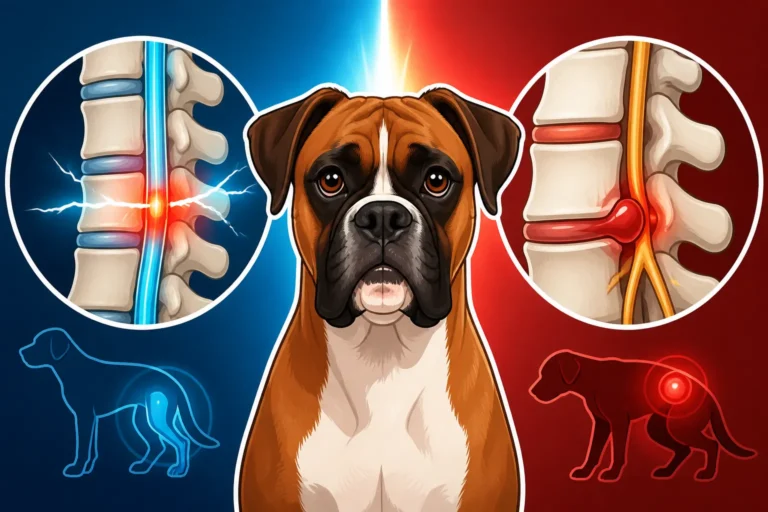
At its core, Degenerative Myelopathy is a condition affecting the spinal cord. Specifically, it's a disease of the white matter of the spinal cord, which is responsible for transmitting commands from the brain to the limbs and sensory information back to the brain. Over time, the protective sheath (myelin) around the nerve fibers, and eventually the nerve fibers themselves, degenerate. This disruption in communication leads to weakness and eventual paralysis, most commonly starting in the hind limbs. Think of it like a fraying electrical cord; the signal becomes weaker and eventually breaks entirely. The genetic mutation most commonly associated with DM in Boxers is in the SOD1 gene, making them one of the breeds with a significant predisposition. While researchers understand the genetic component, the exact trigger for why some genetically predisposed dogs develop DM and others don't is still a puzzle. It's a truly frustrating aspect of this disease.
Early Signs That Are Easy to Miss
The insidious nature of DM means its initial signs are often incredibly subtle, easily dismissed as normal aging or a touch of arthritis. You might notice your Boxer starting to scuff their back paws, perhaps on walks or when getting up from a nap. Maybe one of their hind toenails wears down more quickly than the others because they're dragging it slightly. They might seem a little unsteady when they stand, or their tail wag might not be quite as powerful. It's not a dramatic collapse or a sudden lameness, which is why it can be so tricky to catch early.
Imagine your Boxer, usually a ball of energy, now taking just a fraction longer to get up from their bed, or perhaps their gait looks a tiny bit clumsy when they turn quickly. These are the kinds of fleeting observations that, when strung together over weeks or months, start to paint a concerning picture. Many owners might initially attribute these small changes to "just getting old" or a minor sprain from playing too hard. This is why paying close attention to any minor shift in your Boxer's movement, especially as they approach middle age, is so crucial. Early detection won't cure DM, but it can allow you to implement supportive care sooner, potentially improving comfort and extending quality of life.
The Typical Progression Timeline
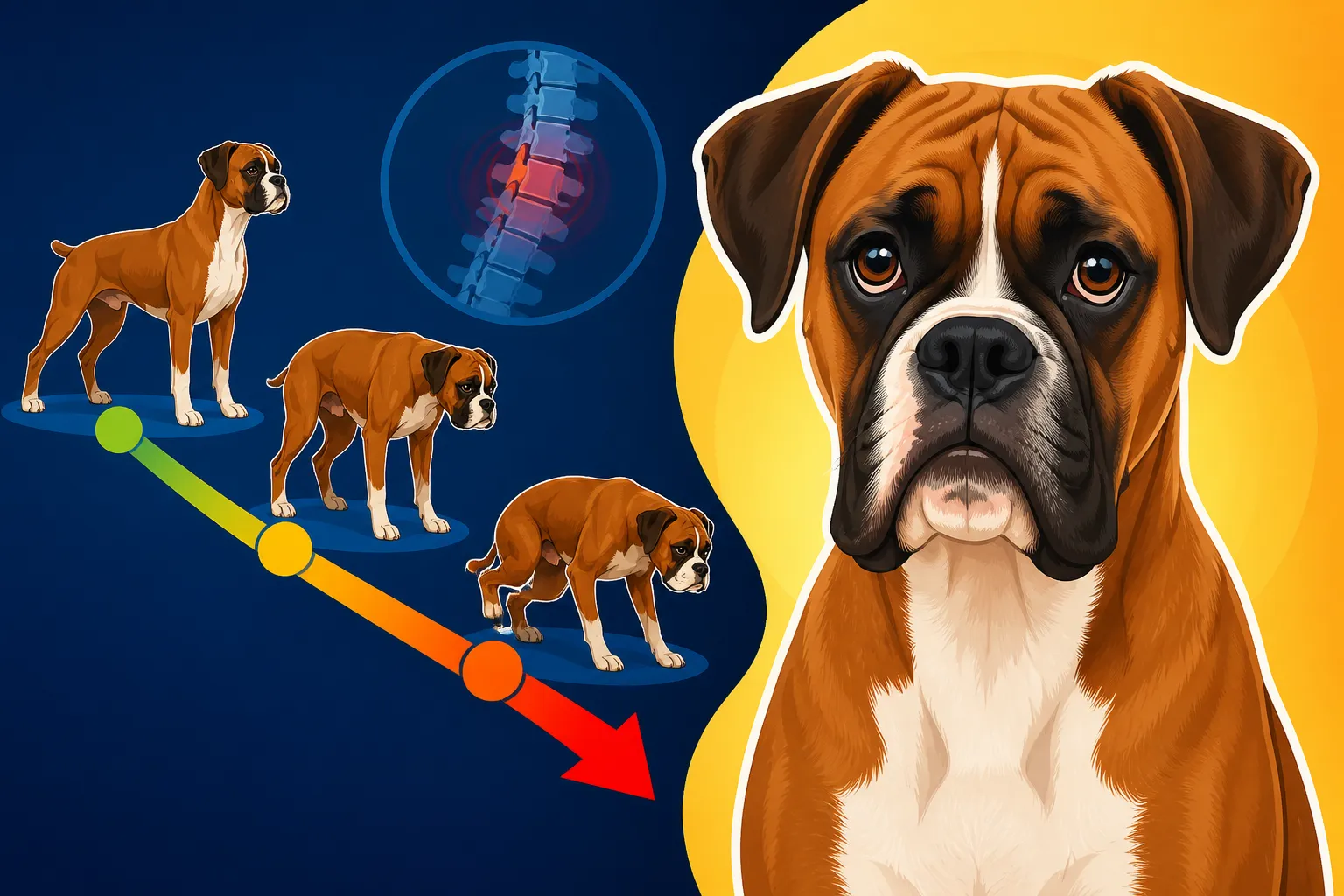
The progression of Degenerative Myelopathy in Boxers is a journey, not a sprint. While every dog is an individual and timelines can vary, there's a general pattern to how the disease unfolds. Understanding this typical progression can help you mentally prepare and adjust your care strategies as your Boxer's needs change. It’s a challenging road, but knowing what’s ahead can make it a little less disorienting.
Initial Onset to Significant Weakness (6-12 months)
The initial stage of DM is often the most perplexing because of its slow, almost imperceptible start. It usually begins with a loss of proprioception in the hind limbs. Proprioception is your dog's sense of where their body parts are in space without looking – for example, knowing where their foot is landing. When this sense diminishes, your Boxer might start placing their paws awkwardly, knuckling over (walking on the tops of their toes), or dragging their feet. This often affects one hind leg more noticeably at first, leading to an asymmetrical gait. They might appear slightly wobbly, especially when standing still or trying to navigate stairs. Climbing steps or jumping into the car, once effortless, becomes a hesitation, then a struggle.
During this phase, muscle atrophy in the hindquarters begins. You might notice their thighs looking a little thinner, even if they're still moving around. This early period can last anywhere from six months to a year, sometimes longer, during which the weakness slowly but surely increases. This is the stage where a definitive diagnosis becomes vital, often requiring a neurologist to rule out other spinal cord issues. Genetic testing for the SOD1 gene, like The SOD1 Test for Boxer Myelopathy, can confirm genetic predisposition, but a clinical diagnosis relies on ruling out other conditions with similar symptoms. It's a frustrating time of uncertainty, but having answers, even difficult ones, helps you plan.
Losing Mobility and Requiring Assistance (12-24 months)
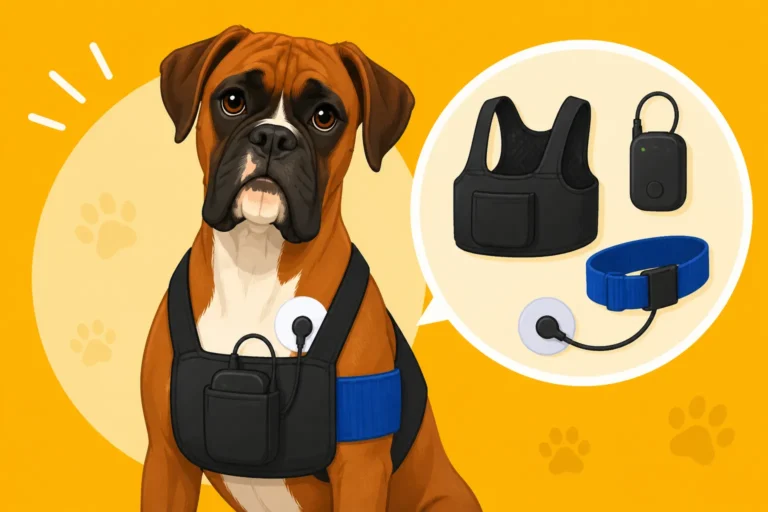
As DM progresses into its mid-to-late stages, typically within 12 to 24 months of initial symptoms, the hind limb weakness becomes profound and often affects both legs equally. Your Boxer will struggle significantly to stand, walk, and maintain balance. They'll start needing help to get up, often requiring a sling or a towel placed under their belly to provide support. Muscle mass in their hind legs will continue to diminish, making their once-powerful Boxer physique look gaunt in the back. Navigation around the house becomes a series of stumbles and falls. Steps become impassable obstacles, and even smooth floors can be treacherous. This is when many owners start looking into mobility aids such as dog wheelchairs or carts. Learning about Carts and Slings for a Boxer With Myelopathy can be incredibly helpful during this period.
In the later stages of this phase, Boxers often lose voluntary control over their bladder and bowels. This isn't due to a lack of effort on their part, but rather the nerve damage impacting the signals that control these functions. This adds another layer of intensive care for owners, requiring diligent hygiene and management to prevent skin infections. It's devastating to Watching a Boxer Lose Its Back Legs, and many owners describe this as the most emotionally challenging period, as their once agile companion struggles with basic functions. The daily physical toll on the dog and the emotional toll on the family are immense. During this time, constant veterinary support and a strong support network for the owners are crucial.
Here's a simplified overview of the typical progression:
| Stage | Approximate Timeframe (from onset) | Key Signs and Symptoms | Owner Care Considerations |
|---|---|---|---|
| Early Stage | 0-6 months | Subtle hind limb weakness, scuffing paws, mild wobbling | Observe closely, seek veterinary diagnosis, gentle exercise |
| Mid Stage | 6-12 months | More noticeable weakness, knuckling, difficulty with stairs | Mobility assistance (slings), physical therapy, home modifications |
| Advanced Stage | 12-24 months | Significant hind limb paralysis, loss of balance, muscle atrophy | Wheelchair/cart, incontinence management, dedicated care |
| End Stage | 24+ months (variable) | Complete hind limb paralysis, potential forelimb weakness | Focus on comfort, hygiene, quality of life assessment |
Factors Influencing DM Progression
While the general arc of Degenerative Myelopathy is predictable, the speed and severity of its progression can be influenced by several factors. It's not a one-size-fits-all scenario, and understanding these nuances can help you better anticipate your Boxer's needs and tailor your approach.
Age of Onset and Genetic Factors
DM typically rears its head in middle-aged to older Boxers, usually between the ages of 8 and 14 years. Generally speaking, a Boxer who develops symptoms at an older age might experience a somewhat slower progression, simply because their overall vitality might already be on a gradual decline due to age. However, this isn't a hard and fast rule. A younger Boxer (say, 6 or 7) diagnosed with DM might have a more rapid progression simply because their body is still otherwise robust, and the disease is moving quickly through their nervous system.
The genetic factor is, of course, paramount. Boxers are a breed with a known predisposition due to a mutation in the SOD1 gene. It's important to remember that testing positive for the SOD1 mutation means the Boxer is at risk for developing DM, but it doesn't guarantee they will. Some dogs carry two copies of the gene but never develop symptoms, while others with the same genetic profile do. What the genetic test can't tell you is when or how fast the disease will progress if it does appear. It simply identifies the potential. This can lead to a lot of anxiety for owners of genetically predisposed Boxers, living with that cloud of "what if" hanging over them. Reputable breeders should be transparent about genetic health screenings, including for conditions like DM, helping you make informed decisions when choosing a puppy.
Management and Support to Slow Down Decline
While there is currently no cure for Degenerative Myelopathy, proactive management and supportive care can absolutely influence the quality and potentially the pace of your Boxer's decline. This isn't about halting the disease, but about making life as good as possible for as long as possible. One of the most critical aspects is maintaining muscle mass and flexibility in the affected limbs. This is where physical therapy and rehabilitation come into play.
Regular, gentle exercise, such as short, controlled walks (with assistance if needed), can help keep existing muscles toned. Hydrotherapy, like swimming or underwater treadmill sessions, is particularly beneficial because it allows for movement without the full weight-bearing stress on weakening limbs. These sessions can be expensive, but they are often invaluable in helping a Boxer maintain some strength and enjoy movement longer. Nutritional support also plays a role. While no diet can cure DM, ensuring your Boxer is on a high-quality, balanced diet, potentially supplemented with Omega-3 fatty acids for their anti-inflammatory properties and antioxidants, can support overall neurological health. It won't stop the disease, but it can contribute to their general well-being.
The costs associated with these therapies, specialized equipment, and ongoing veterinary care can quickly add up. This is where a robust pet insurance policy, like those offered by Healthy Paws, can become a lifeline. Having coverage in place before a diagnosis allows you to pursue all available avenues of supportive care without the added stress of financial burden. Early enrollment in pet insurance is always a wise decision for a breed like the Boxer, known for several significant health challenges.
Living with a Boxer Through DM's Stages
Living with a Boxer that has Degenerative Myelopathy is a journey that changes both your dog's life and yours. It demands immense patience, dedication, and a willingness to adapt. While the physical challenges are undeniable, the emotional fortitude required from owners is equally significant.
Adapting Your Home Environment
As your Boxer’s mobility declines, their once familiar home can become a maze of obstacles and hazards. Adapting your living space is crucial for their safety, comfort, and dignity. Start by laying down non-slip mats or rugs on slick surfaces like hardwood or tile floors. This provides much-needed traction and reduces the risk of falls, which can lead to painful injuries. Ramps, both inside for small steps or thresholds, and outside for car access, become essential tools. These small changes can make a huge difference in your Boxer's ability to move independently, even if slowly.
Consider where your Boxer eats and drinks. As they struggle to stand, a raised bowl can be helpful, allowing them to eat without bending their neck excessively or losing balance. Their bed should be easily accessible, supportive, and comfortable. Orthopedic beds are a fantastic investment, providing cushioning for their joints and helping to prevent bedsores if they become less mobile. You might also need to restrict access to stairs with baby gates to prevent dangerous falls. Thinking ahead and making these adjustments proactively, before they become urgent needs, can significantly improve your Boxer’s quality of life. The financial implications of these adaptations can be considerable, but pet insurance providers like Healthy Paws often offer coverage for some rehabilitation expenses, though home modifications are typically out-of-pocket. However, knowing you have support for vet visits and therapies can free up funds for these crucial home changes.
Emotional Support and Quality of Life Decisions
Watching your energetic, clownish Boxer gradually lose the ability to run, jump, and even walk is emotionally devastating. The sheer injustice of a disease that doesn't cause pain but steals so much independence is hard to bear. It’s vital for you, as the owner, to acknowledge and process these feelings. You are grieving the loss of the Boxer you once knew, even while they are still physically present. Joining online support groups for owners of dogs with DM can provide a valuable outlet for sharing experiences and finding solidarity.
Throughout the progression, the focus must always remain on your Boxer's quality of life. Are they still able to enjoy their food? Do they wag their tail when you come home? Do they still seek out cuddles and connection? Even with significant mobility impairment, many Boxers can maintain a good quality of life for a considerable time, thanks to dedicated owners. However, there will come a point where you need to assess whether the effort required for care outweighs the joy and comfort your Boxer is experiencing. This is the hardest decision any pet owner faces.
Talk openly with your veterinarian about your Boxer’s symptoms, comfort levels, and prognosis. They can help you understand subtle signs of discomfort or distress that might indicate their quality of life is diminishing. Hospice care for a Boxer can offer strategies to maximize comfort in the final stages. Ultimately, the decision to say goodbye is an intensely personal one, driven by love and a desire to prevent suffering. It’s a decision no one ever wants to make, but one that comes from the deepest part of your heart.
Disclaimer
The information provided in this guide is for general informational purposes only and does not constitute veterinary advice. Always consult with a qualified veterinarian for any health concerns or before making any decisions about your Boxer's medical care.