How Fast a Flat-Faced Boxer Overheats
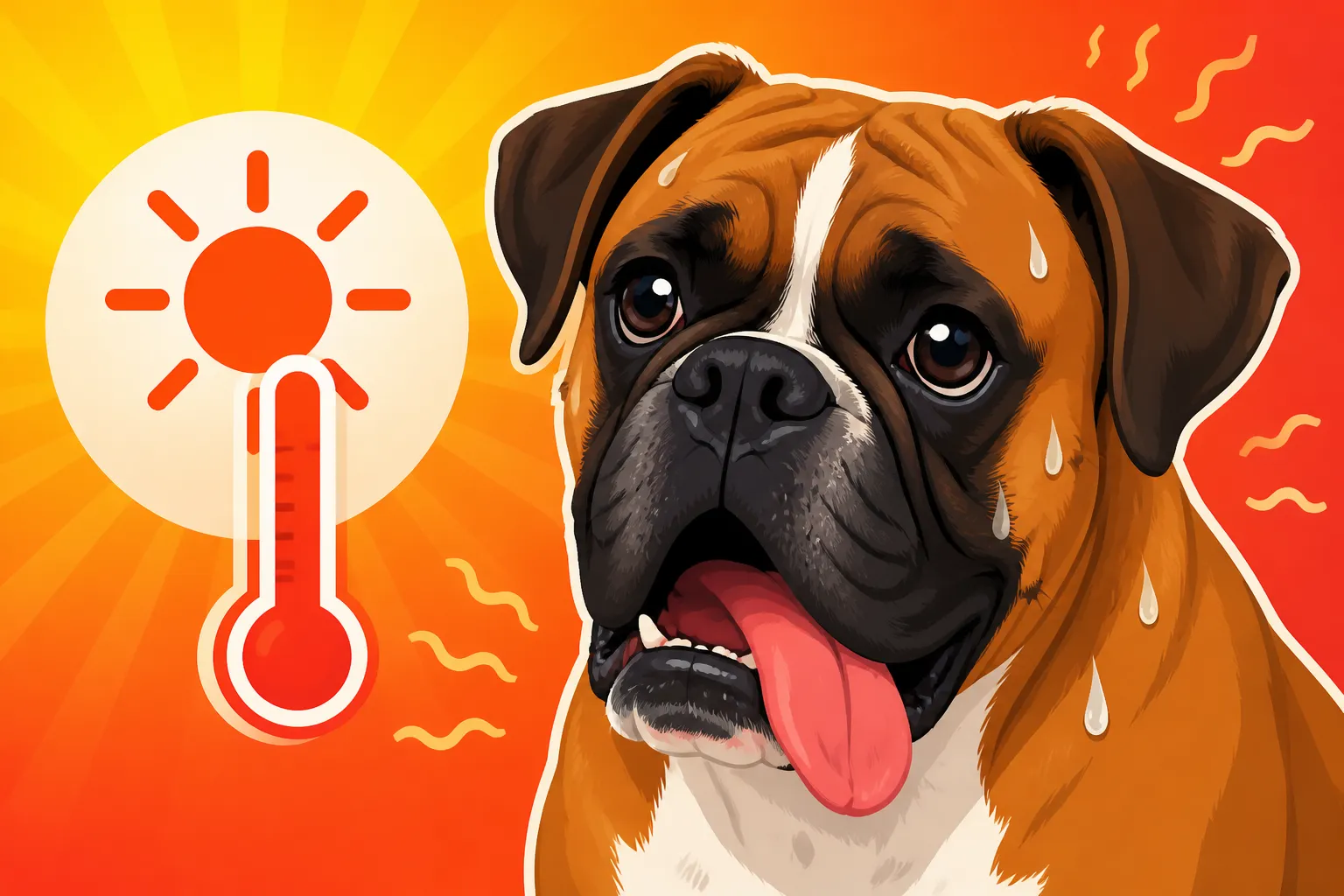
The boundless energy and goofy charm of a Boxer are absolutely captivating. You want to give them the world, let them run and play, explore every sniff, and chase every squirrel. But for us Boxer parents, there’s a lurking worry, especially as the temperatures climb: how quickly can our beloved blockheads go from happy romping to a dangerous, life-threatening situation due to overheating? This guide is here to unravel the stark reality of their unique physiology, help you recognize the subtle and not-so-subtle signs of heat distress, and equip you with practical strategies to keep your Boxer safe and cool, no matter the season.
The Anatomy of a Boxer's Heat Hazard
It’s easy to look at a Boxer and just see a powerful, athletic dog, full of life. But beneath that muscular exterior lies a respiratory system that, unfortunately, is a design flaw when it comes to heat regulation. They weren't built for prolonged heat, and understanding why is the first step in preventing a crisis.
Brachycephalic Challenges and Restricted Airflow
The most significant factor in a Boxer's predisposition to overheating is their brachycephalic (flat-faced) skull structure. This isn't just a cute aesthetic; it's a profound anatomical difference that severely compromises their ability to cool themselves effectively. Imagine trying to run a marathon while breathing through a pinched straw. That's a bit like what a Boxer experiences in the heat.
Their short muzzles mean they have less surface area inside their nasal passages to cool the air they breathe in. Beyond that, many Boxers have stenotic nares (narrow nostrils) that restrict airflow even further, forcing them to work harder just to pull air in. This constant effort generates more internal heat. It doesn't stop there. Inside their mouths, an elongated soft palate can partially obstruct their trachea, the windpipe, especially when they're excited or trying to pant heavily. This creates a sort of valve effect, making it even more difficult for heat to escape efficiently through the evaporation of moisture from their tongue and respiratory tract. Some Boxers also contend with tracheal hypoplasia, a narrower-than-normal windpipe, which is another inherited trait that restricts airflow. All these factors combined mean that when a Boxer pants—their primary method of cooling down—they are nowhere near as efficient as a long-nosed breed. They simply cannot move enough air across their moist membranes to evaporate heat quickly enough.
Thick Coats and High Metabolism
While a Boxer's sleek, short coat might look minimal, it can still trap more heat than you'd expect. Unlike many double-coated breeds who shed their undercoat seasonally, the Boxer's single, dense coat provides little insulation against the heat once their body temperature starts to rise. It's not like a thick wool sweater, but it’s also not the thin, airy barrier that some might assume offers significant cooling.
Couple this with their naturally high energy levels and robust metabolism. Boxers are powerful, active dogs. Whether they're zooming around the yard, wrestling with another dog, or just excitedly greeting you at the door, their muscles are constantly at work, generating internal body heat. A German Shepherd or a Labrador might be able to dissipate this heat more effectively through their longer snouts and more open airways. But for a Boxer, that excess heat gets trapped. Even simply walking on a warm day, or getting overly excited during a training session, can push their internal thermostat into dangerous territory faster than you might imagine. This is why even seemingly mild conditions can become critical for them, whereas another breed might be perfectly comfortable. Understanding this inherent metabolic engine driving up their temperature is crucial.
Decoding the Early Warnings of Overheating
The terrifying thing about heatstroke in Boxers is how quickly it can progress. One moment they seem fine, the next they're in distress. Learning to read the subtle cues is absolutely vital because catching these early signs can mean the difference between a quick cool-down and a trip to the emergency vet. Don't wait for obvious signs of collapse; by then, it might be too late.
Subtle Signs That Demand Attention
Your Boxer is a master of masking discomfort, especially when they're having fun. This makes early detection even harder. The first sign you'll likely notice is their panting becoming more pronounced. It won't just be regular panting; it will be faster, louder, and deeper, almost a gasp for air. Their chest will visibly heave with the effort. You might also notice their gums. Instead of a healthy pink, they might appear a darker, almost brick-red color. This indicates increased blood flow as their body tries to release heat.
Another common early warning is excessive drooling, even more than a typical Boxer's usual slobber. Their saliva might become thicker or foamy as their body struggles to cool. They might also seem restless, shifting positions frequently, pacing, or urgently seeking out shade or cooler surfaces like tile floors. They may repeatedly go to their water bowl and gulp water, which is a good instinct, but also a sign that they're already feeling the heat. If you’re outside, pay close attention to The Degrees at Which a Boxer Struggles. Even what feels like a comfortable 75-degree day with high humidity can be a serious risk for a Boxer. They might also become less responsive to commands or seem a little duller than usual. These are not just "tired dog" signs; these are critical alerts that their body is struggling to manage its temperature.
Escalating Symptoms and Danger Zones
If those early warnings are missed, your Boxer's condition can rapidly escalate. This is when the situation becomes critical and can quickly turn life-threatening. You might observe them staggering, stumbling, or exhibiting general weakness. Their legs might give out, or they might struggle to maintain balance. Vomiting and diarrhea, sometimes bloody, are common as their internal organs start to shut down due to the extreme heat. Their gums can change from brick-red to a purplish-blue, indicating a lack of oxygen, and they might feel extremely hot to the touch.
As their body temperature continues to rise, their mental state will deteriorate. They might become disoriented, unresponsive, or have a glassy-eyed stare. Collapse is a clear and terrifying sign that they are in severe heatstroke. At this stage, they might also experience tremors, muscle twitching, or even seizures. Their heart rate will be rapid, and their breathing extremely labored, possibly with gurgling sounds as their airways swell. These are the Signs a Boxer Is Overheating that demand immediate, aggressive intervention. Time is absolutely of the essence. Every minute counts when your Boxer reaches this stage, and permanent organ damage or fatality is a very real risk.
Swift Action to Reverse the Crisis
Finding your Boxer in distress from overheating is a terrifying experience. Your immediate, calm, and decisive actions can be the difference between recovery and a tragic outcome. You need to act fast, but also smartly, to bring their temperature down safely and effectively.
Immediate First Aid Steps at Home
The absolute first thing you must do is get your Boxer to the coolest possible environment immediately. This means moving them indoors to an air-conditioned space, or at the very least, into the deepest shade. Once they are out of the heat source, the priority is to start cooling them down.
Do NOT use ice-cold water, as this can cause blood vessels to constrict, which ironically traps heat in the body and can lead to shock. Instead, use cool (lukewarm to cool, not freezing) water. Focus on areas where blood vessels are close to the surface: their paws, belly, neck, armpits, and groin. You can use a hose on a gentle setting, wet towels, or even just pour water over them. Gently massage their body as you apply water to aid circulation and cooling. A fan directed at their wet body will also greatly increase the evaporative cooling effect. Keep checking their temperature with a rectal thermometer if you have one. Your goal is to bring their temperature down to around 103°F (39.4°C) before heading to the vet, as over-cooling can be just as dangerous. Offer small sips of cool water, but don't force it, especially if they are disoriented or vomiting, as they could aspirate it. Remember, Getting a Boxer's Temperature Down in Minutes is crucial, but doing it correctly is even more so.
When to Rush to the Vet (and What to Expect)
Let me be absolutely clear: any suspected case of heatstroke, even if your Boxer seems to recover quickly with home first aid, warrants an immediate emergency veterinary visit. Overheating can cause a cascade of internal problems, including organ damage (kidney failure, liver damage), blood clotting disorders (DIC), and brain swelling, which may not be immediately apparent. A Boxer that has overheated seriously needs professional assessment and care.
When you arrive at the emergency clinic, prepare for your vet to continue aggressive cooling measures, which may include intravenous fluids, cool water enemas, or even stomach lavage with cool water. They will likely run blood tests to check for organ damage, electrolyte imbalances, and clotting issues. Your Boxer will be monitored closely, potentially overnight, depending on the severity of their condition. This kind of emergency care can be incredibly expensive, often running into thousands of dollars. This is precisely where a good pet insurance plan, like Healthy Paws, becomes an absolute lifesaver. Having coverage can alleviate the financial stress and allow you to focus solely on getting your beloved Boxer the best possible treatment without hesitation. It can truly take the sting out of those unexpected, terrifying moments. Be aware that Anesthesia Risk in a Flat-Faced Boxer can also be higher if further interventions are needed, so discuss all concerns with your veterinary team.
Proactive Strategies for a Cool Boxer Life
Prevention is always, always better than cure, especially when it comes to heatstroke in Boxers. Integrating smart management strategies into your daily routine is the most effective way to ensure your flat-faced friend stays safe and comfortable, even as the mercury rises.
Adapting Daily Routines to the Climate
The most fundamental change you need to make for your Boxer is adapting their exercise schedule to the weather. During warmer months, walks and strenuous play should be reserved for the coolest parts of the day: very early mornings before the sun gains strength, or late evenings after it has set and the pavement has cooled down. In places like Arizona, where temperatures can soar, this might mean a sunrise stroll is the only safe outdoor time for months. Forget midday walks, even short ones. Pavement temperatures can be significantly hotter than the air temperature, easily burning paws and radiating heat back up into your Boxer's body. Whether a Boxer Should Be Outside at All in July in many southern states is a serious question, and often the answer is "no" during daylight hours.
Always provide access to plenty of fresh, cool water, both indoors and out. Consider having multiple water bowls around the house and yard. If you're out and about, carry a portable water bottle and collapsible bowl. Never, under any circumstances, leave your Boxer in a parked car, even for a few minutes with the windows cracked. The interior temperature of a car can rise to dangerous levels incredibly quickly, even on a mild day, and it can become a death trap. Monitor weather forecasts closely, paying attention not just to temperature but also to humidity, which makes it much harder for dogs to cool themselves.
Essential Gear and Environment Management
Creating a cool environment for your Boxer goes beyond just temperature; it’s about providing them with the right tools and comfort. Indoors, air conditioning is your Boxer's best friend. If you don't have AC, strategic use of fans can help move air and aid evaporative cooling, especially if you lightly mist your Boxer with water. Think about your Cooling Bills in a Household With a Boxer—it's an investment in their health.
There's a whole array of Cooling Gear for a Flat-Faced Boxer that can make a huge difference. Cooling vests, which you soak in water and then put on your dog, can provide continuous evaporative cooling. While Whether a Cooling Vest Helps a Flat-Faced Boxer might depend on the specific vest and conditions, many owners find them beneficial. Cooling mats, which contain a gel that activates with pressure, offer a cool spot for your Boxer to lie down on. Elevated dog beds, made of breathable mesh, allow air circulation underneath, preventing heat buildup. A simple kiddie pool filled with a few inches of water can be a fantastic way for your Boxer to safely cool off in the yard—just be mindful that while some Boxers love to splash, Whether a Flat-Faced Boxer Can Swim Safely can be a concern due to their head shape, so always supervise closely.
Understanding Limits and Advocating for Your Boxer
Part of being a responsible Boxer owner is understanding their limitations and being their advocate. Don't push your Boxer past what they can safely handle, even if they seem eager to keep playing. Their excitement can override their discomfort until it's too late. Educate family members, friends, and even dog walkers about the unique needs of a flat-faced breed and the dangers of overheating. Be firm about not letting your Boxer overexert themselves in warm weather.
Regular veterinary check-ups are also crucial, as underlying health conditions, particularly heart issues common in Boxers like Boxer Cardiomyopathy and the Holter Monitor, can further increase their risk of heatstroke. Discussing preventative care with your vet is vital, and this is another area where having comprehensive pet insurance from a provider like Healthy Paws can truly help. It allows you to confidently address any health concerns that might compound overheating risks without worrying about budget constraints. Remember that even managing stress can be important, as excitement raises body temperature – so think about How a Boxer Handles Sedation for things like vet visits, as even that process can be stressful and impact their breathing. Your Boxer depends on you to keep them safe, healthy, and cool.
| Symptom Severity | Early Warning Signs (Monitor Closely) | Moderate Distress Signs (Act Immediately & Call Vet) | Severe Emergency Signs (Emergency Vet NOW) |
|---|---|---|---|
| Panting | Faster, louder, deeper, noticeable effort | Labored, gasping, noisy breathing, prolonged | Shallow, ineffective, distressed, gurgling sounds |
| Gums/Tongue | Dark red, bright red, slightly sticky | Brick red, blue/purple, very sticky, dry | Pale, gray, or blue, possibly bleeding |
| Energy Level | Restless, seeking shade, slightly lethargic | Stumbling, disoriented, weak, muscle tremors | Collapse, unconsciousness, seizures, loss of bodily functions |
| Other Observable | Excessive drooling, increased thirst, pacing | Vomiting, diarrhea (possibly bloody), glassy eyes, rapid heart rate | Body temperature over 105°F, shock, unresponsive |
Disclaimer
The information provided in this guide is intended for general knowledge and informational purposes only, and does not constitute professional veterinary advice. Always consult with a qualified veterinarian for any health concerns or before making any decisions related to your Boxer's medical care.