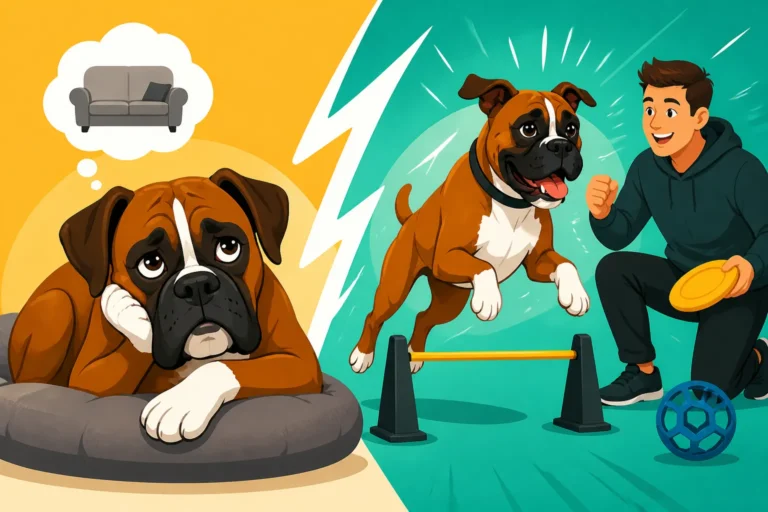
Whether a Walk Is Ever Enough for a Boxer
Boxer owners often wonder if daily walks are truly enough to tire out their energetic companions, and the truth is, for most Boxers, a simple stroll doesn't quite cut it. These spirited dogs are brimming with zest and an inherent need for action, meaning a quick loop around the block rarely satisfies their deep-seated urge for physical and mental engagement. This guide will delve into why these particular dogs need more than just leash time to be happy and well-behaved, and how to create a comprehensive exercise plan that truly meets their unique needs.
The Boxer's Deep-Seated Need for Activity
When you bring a Boxer into your life, you're not just getting a dog; you're adopting a vibrant, intelligent, and incredibly athletic animal. Their energy isn't just a quirky trait; it's a fundamental part of who they are, woven into their very DNA. Understanding this is the first step in providing them with the fulfilling life they deserve.
Tracing the Boxer's Working Dog Heritage
To truly grasp why a Boxer needs more than a leisurely walk, we have to look back at their history. Boxers weren't bred to be couch potatoes; they were developed in Germany from the Bullenbeisser, a powerful dog used for hunting large game like wild boar and deer. Their job involved holding down prey until hunters arrived. Later, they were adapted for roles such as guard dogs, cattle dogs, and even police and military dogs. This heritage speaks volumes about their stamina, strength, and the mental fortitude required for demanding tasks.
Their genetic blueprint screams "active" and "purposeful." This isn't a breed that evolved to spend hours napping on the sofa. While modern Boxers are cherished family companions, that underlying drive for physical exertion and mental engagement remains strong. If that energy isn't channeled appropriately, it doesn't just disappear; it finds less desirable outlets within the home, leading to frustration for both dog and owner. They don't just want to run and play; they need to.
The Extended Boxer Puppyhood
One of the most charming, yet challenging, aspects of owning a Boxer is their famously long puppyhood. While many breeds settle down by 18 months, Boxers often maintain their exuberant, playful, and sometimes chaotic "puppy brain" until they are two, or even three, years old. This means you're not just dealing with a large, strong dog; you're dealing with a large, strong dog that has the energy levels and attention span of a puppy. The Boxer Puppyhood That Lasts Three Years
This extended period of high energy means that what might be sufficient exercise for a mature dog of another breed is barely a warm-up for a young Boxer. Their boundless enthusiasm and seemingly endless reserves of energy can be incredibly endearing, but also incredibly demanding. If a Boxer isn't given appropriate ways to burn off this sustained high-octane energy, they will inevitably find their own "fun," often at the expense of your furniture, sanity, or garden. It's not a malicious act; it's simply a natural expression of an unmet need.
Why Walks Alone Are Often Insufficient for a Boxer
Many dog owners assume that a daily walk, or even two, will adequately tire out their canine companion. For some breeds, this might be true. However, with a Boxer, there's a significant difference between simply stretching their legs and truly expending their considerable energy reserves. A walk is a good start, but rarely the finish line for these active dogs.
Distinguishing Between a Casual Stroll and a True Workout
Think about your own exercise routine. Is a gentle stroll through the park the same as a vigorous run or a challenging gym session? Of course not, and the same principle applies to Boxers. A casual, on-leash walk, where your Boxer primarily sniffs interesting smells and ambles alongside you, offers minimal physical exertion. While the mental stimulation of new scents is certainly beneficial, it doesn't engage their powerful muscles or cardiovascular system in the way they require.
A Boxer needs opportunities for bursts of speed, sustained running, jumping, and vigorous play. These activities burn far more calories and energy than a simple walk. Imagine a seventy-pound Boxer with the strength and athleticism to pull sleds or compete in agility. Asking them to be content with just a walk is like asking a marathon runner to prepare for a race by only walking to the mailbox. They need to run, really run, to get their heart rate up and truly tire their bodies. Without this intensity, the energy remains, simmering under the surface, ready to explode the moment they're back inside.
The Balance of Physical and Mental Exercise
It's tempting to think that if your Boxer is physically tired, all their needs are met. But dogs, especially intelligent breeds like Boxers, also require significant mental stimulation. A walk provides some of this through scent exploration and observing their environment, which is excellent for their brains. However, if the walk is the only thing they get, and it's not physically taxing enough, you're still missing a critical component.
Conversely, a Boxer can be physically exhausted but still mentally under-stimulated, leading to boredom and destructive behaviors. The ideal scenario involves a blend where both their bodies and minds are challenged. A mentally engaging walk is great, but it needs to be paired with more intense physical activities that allow them to use their full athletic capabilities. When only one aspect of their energy is addressed, the other will inevitably cause problems. You might have a Boxer who is calm after a long sniffing walk but still prone to destructive chewing because they haven't had a chance to truly run and play hard.
| Exercise Type | Physical Exertion | Mental Stimulation | Intensity Level | Boxer Suitability |
|---|---|---|---|---|
| Casual Leash Walk | Low | Moderate | Low | Basic, not enough |
| Brisk Leash Walk | Moderate | Moderate | Medium | Fair, needs more |
| Off-Leash Running | High | Low/Moderate | High | Excellent |
| Fetch/Tug-of-War | High | Moderate | High | Excellent |
| Dog Park Play | Varies | Varies | Medium/High | Good (with caution) |
| Agility/Obedience | High | High | High | Excellent |
| Puzzle Toys/Scent Work | Low | High | Low/Medium | Supplemental |
The Repercussions of an Under-Exercised Boxer
Ignoring a Boxer's need for ample exercise isn't just about them being a bit restless. It can lead to a cascade of behavioral issues that make living with them challenging and stressful. Many of the common "bad habits" Boxer owners complain about are simply their dog's way of communicating that their fundamental needs aren't being met.
Manifestations of Boredom and Pent-Up Energy
An under-exercised Boxer is a prime candidate for destructive behaviors around the house. They have a massive amount of physical and mental energy with no constructive outlet, so they create their own. This often translates into chewing inappropriate items, digging in the yard, excessive barking at every sound, or even counter-surfing for forbidden snacks. Why a Boxer Wrecks Things When Under-Exercised
Imagine a scenario where you come home from a long day at work, only to find the leg of your favorite wooden chair gnawed, or your once-fluffy couch cushion systematically disemboweled. It's incredibly frustrating, but from your Boxer's perspective, they were simply alleviating boredom and burning off some steam. They don't understand the value of your possessions; they just know they have an overwhelming urge to do something. Without proper exertion, that "something" might be tearing apart the house. This isn't malice on their part, but a natural consequence of their inherent drive.
Behavioral Challenges Stemming from Lack of Outlets
Beyond property destruction, insufficient exercise can significantly impact a Boxer's overall demeanor and trainability. Their natural exuberance, which is so charming when channeled, can become overwhelming and difficult to manage. A Boxer with pent-up energy might constantly jump on visitors, demand bark incessantly, or struggle to focus during training sessions. Stopping a Seventy-Pound Boxer From Jumping
Their signature "Boxer wiggle" and enthusiastic greetings can knock over small children or elderly relatives if they haven't learned impulse control, which is incredibly difficult when their body is vibrating with unreleased energy. What appears to be stubbornness or disobedience during training might actually be a dog too wired and distracted to concentrate. They may shut down or become easily frustrated if pushed too hard without having had a chance to properly release their physical energy beforehand. Why a Boxer Shuts Down When You Get Loud This cycle can lead to a breakdown in communication and a less harmonious household, simply because the dog's basic exercise needs aren't being met.
Diversifying Exercise: Beyond the Leash
Since a simple walk isn't enough, what is enough for a Boxer? The key is variety and intensity. Think beyond the pavement and explore activities that engage both their formidable body and their intelligent mind.
Incorporating High-Impact Physical Activities
To truly tire a Boxer out, you need to let them move their bodies in ways that a leash walk simply doesn't allow. This means incorporating high-intensity activities into their routine. Off-leash running in a securely fenced area is paramount. Let them gallop, bound, and zoom to their heart's content. Activities like extended games of fetch with a durable ball or a vigorous session of tug-of-war are fantastic for expending physical energy in short bursts.
If your Boxer enjoys the company of other dogs, a supervised visit to a dog park can be a great way to let them wrestle and chase, provided the park environment is safe and positive. Swimming can also be an excellent low-impact, full-body workout for Boxers, but always supervise them closely due to their brachycephalic (flat-faced) nature, which can make swimming more challenging and increase the risk of overheating. Whether a Flat-Faced Boxer Can Swim Safely Hiking on trails, where they can navigate varied terrain and explore new scents, combines both physical and mental stimulation, but be mindful of their temperature regulation, especially in warmer weather. The goal is to get them panting and happily worn out, not just mildly exercised.
Engaging the Boxer Brain Through Dog Sports and Training
Boxers aren't just athletic; they're smart and thrive when they have a job to do. Dog sports offer a fantastic way to combine physical exertion with mental challenges, hitting that sweet spot for a well-rounded Boxer. Agility training, where they navigate obstacles like jumps, tunnels, and weave poles, demands both speed and problem-solving. Obedience and Rally courses require focus, precision, and teamwork, engaging their minds intensely. Agility and Dock Diving With a Boxer
Even without formal competition, structured play that involves learning new tricks or practicing a complex sequence of commands can be incredibly tiring. Think about it: a few minutes of intense mental work can sometimes be as exhausting as a long run. Boxers love to please and excel when they understand what's expected of them. For those looking for structured home training, online programs or local trainers that offer guidance for dog sports can be invaluable. Brands like BAXTER & Bella offer comprehensive online puppy and dog training programs that can help you introduce new skills and keep your Boxer's mind engaged. Giving them a purpose, even if it's just mastering a new trick for a tasty reward, is deeply satisfying for them.
Mental Stimulation: Puzzle Solving and Enrichment
Beyond physical exertion and formal training, dedicated mental stimulation is crucial for preventing boredom and keeping your Boxer's brain sharp. Puzzle toys, which require your dog to manipulate them to release treats, can keep them occupied for significant periods. There are many options available on Amazon, from simple treat-dispensing balls to more complex interactive feeders. Scent work, where you hide treats around the house or yard and encourage your Boxer to find them using their nose, is another excellent way to engage their primary sense and provide a mentally exhausting "job."
Even simple games like "hide and seek" with you or a favorite toy can be mentally stimulating. Rotate their toys regularly to keep things fresh and interesting. Incorporate short, frequent training sessions throughout the day, focusing on new commands or reinforcing old ones. Why Short Sessions Suit a Boxer's Attention Span Just 5-10 minutes of focused training can tire a Boxer out surprisingly effectively, as it requires concentration and impulse control. This kind of mental enrichment is not a substitute for physical exercise, but a vital complement that helps create a truly well-adjusted and contented Boxer.
Crafting a Holistic Exercise Plan for Your Boxer
Creating an effective exercise plan for your Boxer isn't about throwing everything at them at once. It's about finding a consistent, varied routine that respects their individual needs, age, and any health considerations, while also being manageable for you.
Designing an Effective Daily Exercise Routine
An ideal day for a healthy adult Boxer should include a mix of intense physical activity and mental stimulation. A good starting point is aiming for at least 60 to 90 minutes of dedicated, vigorous exercise daily, broken into multiple sessions. Sixty to Ninety Minutes a Day With a Boxer
Consider a schedule like this:
- Morning (30-45 minutes): A high-intensity session like off-leash running, brisk fetch, or a jog. This helps burn off that morning energy and sets a calm tone for the rest of the day.
- Midday (15-20 minutes): A shorter leash walk for potty breaks and a bit of mental stimulation through sniffing. If you work, this might be a task for a dog walker or a quick backyard play session.
- Late Afternoon/Evening (30-45 minutes): Another session combining physical play (tug, fetch) with structured training, puzzle toys, or a sniff-heavy walk. This helps wind them down before evening.
Consistency is key. Boxers thrive on routine, so try to stick to a similar schedule each day. However, also be flexible. Some days they might need more, others a little less. The "Goldilocks" principle applies: you want them happily tired, not completely exhausted or, worse, still bouncing off the walls. Pay attention to your individual Boxer's cues.
Navigating Environmental and Health Considerations
Boxers, with their short snouts (brachycephalic structure) and single coat, are particularly sensitive to extreme temperatures. They can overheat very quickly in hot, humid weather and get cold easily in winter. How Fast a Flat-Faced Boxer Overheats In summer, plan outdoor exercise for the cooler parts of the day, such as early mornings and late evenings. Use cooling vests, offer plenty of fresh water, and avoid asphalt which can burn their paw pads. In winter, a coat or sweater can help keep them warm during outdoor adventures. On days with extreme weather, shift to indoor activities like extended training sessions, interactive games, or hide-and-seek.
As Boxers age, or if they develop health conditions like Arthritis in an Older Boxer or cardiac issues such as ARVC, their exercise needs will naturally change. Exercise After a Boxer ARVC Diagnosis Arthritis in an Older Boxer High-impact activities might need to be replaced with gentler options like swimming or shorter, more frequent walks. Always consult your veterinarian for tailored advice on adjusting your Boxer's exercise routine if they have any health concerns. They can help you find a balance that keeps your Boxer active and happy without exacerbating any existing conditions.
Tools and Support for an Active Boxer Lifestyle
Successfully managing a Boxer's exercise needs often involves more than just your willingness to play. Having the right gear and knowing when to seek professional help can make all the difference in creating a happy, well-exercised Boxer.
Essential Gear for Boxer Exercise and Play
Having the right equipment can significantly enhance your Boxer's exercise routine and make your life easier. For high-energy play, investing in durable toys is non-negotiable. Boxers have powerful jaws and can quickly demolish flimsy toys. Look for toys specifically designed for strong chewers. You can find a wide array of robust options on Amazon that can withstand vigorous games of fetch and tug. Toys a Boxer Cannot Destroy in a Day
A comfortable, well-fitting harness is crucial for walks and runs, especially if your Boxer is prone to pulling. Harnesses that clip in the front can help discourage pulling and give you more control without putting pressure on their sensitive neck or restricting their natural movement. Harnesses That Hold a Pulling Boxer For practicing recall in open, safe spaces, a long line (a 15-30 foot lightweight leash) allows your Boxer to feel off-leash freedom while you maintain control and security. Don't forget high-quality treats for training and puzzle toys, as Boxers are highly food-motivated.
Leveraging Professional Help and Community Resources
Even the most dedicated Boxer owner might find themselves needing a little extra support. If your work schedule makes it difficult to provide multiple exercise sessions daily, consider hiring a reputable dog walker or enrolling your Boxer in a high-energy dog daycare a few times a week. These services can ensure your Boxer gets valuable physical and mental stimulation during the day, preventing those destructive behaviors that often stem from boredom.
For specific behavioral challenges or to delve deeper into dog sports, a professional dog trainer who has experience with Boxers can be an invaluable resource. They can help you refine training techniques, teach new skills, and address any problem behaviors. Puppy classes and advanced obedience courses also provide structured exercise, mental engagement, and crucial socialization opportunities for your Boxer. Furthermore, connecting with local Boxer clubs or online communities can offer a wealth of shared knowledge, advice, and opportunities for group activities, allowing your Boxer to socialize and play with other dogs who share their unique energy levels.
Disclaimer
This article is for general informational purposes only and does not constitute professional advice. Laws, prices and regulations vary by location and change over time. Consult a qualified professional for guidance on your specific situation.