Feeding an Old Boxer Less
It’s a common thought that as our beloved Boxers get older, they automatically need less food. We see them slowing down, perhaps sleeping more, and our first instinct might be to cut their meals back. However, this isn't always the right approach and can sometimes lead to unintended consequences, either leaving them under-nourished or still struggling with weight. This guide aims to help you navigate the nuanced world of feeding your senior Boxer, understanding their changing needs, and making informed decisions to keep them healthy, happy, and at their ideal weight through their golden years.
The Changing Metabolism of an Aging Boxer
Just like us, Boxers experience physiological shifts as they age. Their metabolism can slow down, their activity levels often decrease, and their body composition starts to change. It's not always a straightforward case of "less food equals better health" – sometimes, they actually need different types of nutrients or even the same amount of calories, just from sources that are easier to digest or better for maintaining muscle mass. It’s a balancing act that requires a keen eye and a compassionate understanding of your dog's individual journey.
Why "Less Food" Isn't Always the Answer
When a Boxer starts to show signs of aging, like moving a little slower or taking longer naps, it’s easy to assume they simply need fewer calories overall. However, while some senior Boxers might indeed require a reduction in their total caloric intake due to decreased activity, others might actually benefit from food that is more nutrient-dense or has a different macronutrient profile. Their ability to digest and absorb nutrients can become less efficient, meaning that simply cutting back on their regular food might deprive them of essential vitamins, minerals, or proteins needed to support their aging bodies.
Consider, for instance, a Boxer who is losing muscle mass, a condition known as sarcopenia. This isn't necessarily about being underweight, but rather a decline in crucial muscle tissue that can affect their mobility, strength, and overall quality of life. In such cases, reducing their protein intake by blindly feeding "less" could actually exacerbate the problem. Instead, they might need higher-quality protein sources that are easier for their aging digestive system to utilize, even if their overall caloric needs remain similar or only slightly reduced. This is why a one-size-fits-all approach to feeding "less" can sometimes do more harm than good for our dear old friends.
Recognizing True Calorie Needs
Determining your senior Boxer's actual calorie needs involves more than just guessing. It requires observing their current body condition, activity level, and any underlying health issues. A Boxer who has developed Arthritis in an Older Boxer will naturally move less and may burn fewer calories than a spry senior still enjoying daily walks and play. On the other hand, a senior Boxer with certain conditions might actually have increased metabolic needs. Illnesses can impact appetite, absorption, and energy expenditure, so it’s never just about age.
It's also crucial to distinguish between fat and muscle. An older Boxer might maintain their weight, but if they've lost muscle and gained fat, their body composition has changed, and their caloric needs should reflect the goal of maintaining lean muscle. Regularly assessing your Boxer's body condition score (BCS) by feeling their ribs, waist, and spine is far more informative than simply looking at the number on the scale. For a comprehensive look at how their entire body changes with age, you might want to check out What Changes in a Boxer After Seven. Ultimately, calorie needs are highly individual, and a blanket reduction often misses the mark.
Common Nutritional Pitfalls for Senior Boxers
Navigating the dietary needs of an older Boxer can feel like walking a tightrope. On one side, you don't want them to become overweight, which can compound age-related issues. On the other, you certainly don't want them to lose vital muscle mass and become frail. Understanding these common pitfalls can help you make better decisions for your beloved companion.
Overfeeding vs. Underfeeding the Aging Dog
One of the biggest struggles for Boxer owners is finding that sweet spot. Many Boxers, especially as their activity levels naturally decline, are prone to weight gain if their caloric intake isn't adjusted. Overfeeding can lead to obesity, which in turn exacerbates joint problems, strains the cardiovascular system, and increases the risk of certain cancers and metabolic diseases. It's a cruel irony that in trying to be generous with our older dogs, we can inadvertently shorten their healthy years. When your Boxer's A Boxer That Thickens and Slows Down, it's a clear signal to reassess their diet.
However, the pendulum can swing too far the other way. Owners, perhaps fearing obesity, might drastically cut back on food without considering the quality of the remaining nutrition. An older Boxer needs sufficient protein to combat muscle loss, adequate healthy fats for skin and coat health, and a balanced array of vitamins and minerals. If you're simply giving them less of their adult food, you might be reducing vital nutrients below the recommended daily intake. This could lead to a frail, under-muscled senior, which has its own set of significant health challenges. It’s a tricky balance that underscores the importance of a thoughtful, informed approach.
Impact of Weight on Senior Boxer Health
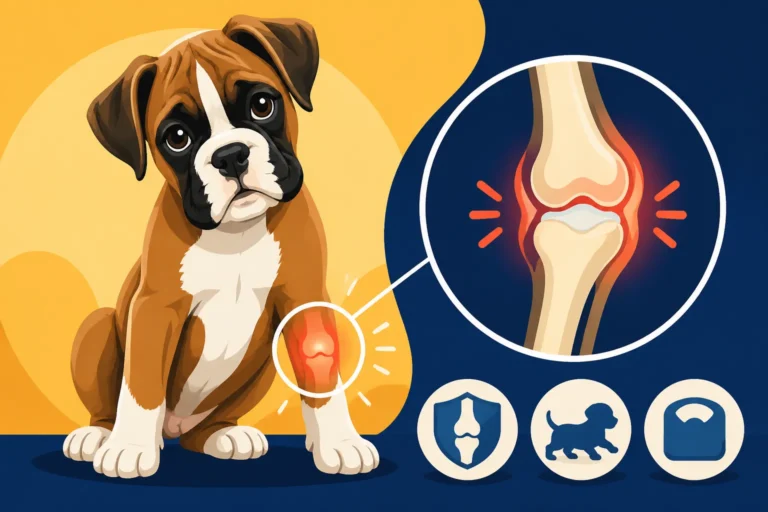
Whether your senior Boxer is overweight or underweight, their health is profoundly impacted. An overweight senior Boxer faces a higher risk of developing or worsening conditions like arthritis, diabetes, heart disease (which is already a concern for Boxers, like What Boxer ARVC Actually Does to the Heart), and even some types of cancer. Carrying extra pounds puts undue stress on their joints, making it harder for them to move comfortably, enjoy walks, or even get up from a nap. This reduced mobility then feeds back into a cycle of less activity and further weight gain. It's a vicious cycle that can severely diminish their quality of life.
Conversely, an underweight senior Boxer, or one with significant muscle loss, is also in a precarious position. Reduced muscle mass can make them weaker, more prone to falls, and less resilient to illness or injury. They might struggle to regulate their body temperature, and their immune system could be compromised. While the image of a robust, muscular Boxer is iconic, it's just as important to maintain healthy muscle into old age. Keeping a close eye on your Boxer's Reading a Boxer's Ribs and Waist can give you an early heads-up on whether their weight, and more importantly, their body composition, is where it should be. The goal is not just a number on the scale, but a healthy, functional body.
| Body Condition | Appearance | What to Check | Potential Dietary Adjustments |
|---|---|---|---|
| Too Thin | Ribs, spine, hip bones easily visible/felt; waist tucked sharply. | Muscle loss, poor appetite, underlying illness. | Increase nutrient-dense food, higher quality protein. Consult vet. |
| Ideal | Ribs easily felt but not seen; clear waist tuck; belly slightly lifted. | Healthy muscle mass, good energy. | Maintain current feeding, monitor activity and weight. |
| Overweight | Ribs hard to feel; no visible waist; fat deposits over hips/base of tail. | Reduced activity, too many calories/treats. | Reduce calories, increase exercise (if possible), consider senior-specific diet. |
Adjusting Your Senior Boxer's Diet Thoughtfully
Making dietary changes for an older Boxer isn't just about scooping less food into the bowl. It's a strategic process that involves careful assessment, selecting appropriate nutrition, and potentially incorporating supplements to support their unique needs as they age.
Assessing Body Condition and Muscle Mass
Before you make any drastic changes to your Boxer's diet, the first step is always to accurately assess their current body condition and muscle mass. As mentioned, the scale can be deceiving. A Boxer might weigh the same, but if they've lost lean muscle and gained fat, their needs have changed significantly. You want to be able to easily feel their ribs, but not see them protruding sharply. Their waist should be clearly visible when viewed from above, and there should be an abdominal tuck when viewed from the side.
To check for muscle loss, especially over the hips and along the spine, gently run your hands over these areas. If the bones feel prominent and there's a lack of muscle padding, your Boxer might be experiencing sarcopenia. This is particularly crucial for Boxers, known for their muscular build, and maintaining that Protein and Fat for a Muscular Boxer is vital. If you suspect muscle loss, simply feeding "less" could actually worsen the problem. Instead, focus on high-quality, easily digestible protein sources. Many senior dog foods, available through retailers like Chewy, are formulated with increased protein specifically to help mitigate muscle wasting. Don't hesitate to take photos monthly to track changes, as gradual shifts can be hard to notice day-to-day.
Tailoring the Diet to Individual Needs
Once you have a clear picture of your Boxer's body condition, you can begin to tailor their diet. If your Boxer is truly overweight with excess fat, a moderate reduction in caloric intake is appropriate. This doesn't mean starvation, but rather a slight decrease, perhaps 10-20% of their previous intake, coupled with careful monitoring. You might also consider switching to a senior-specific formula, which often has fewer calories per serving but remains nutritionally complete. Some brands, like Ollie, offer fresh food options that can be precisely portioned and formulated to senior needs, often with easier-to-digest ingredients.
If your Boxer is maintaining a healthy weight but showing signs of muscle loss, or even if they are underweight, the focus shifts from calorie reduction to nutrient optimization. They might benefit from a higher protein diet, ensuring that the protein is highly digestible. If your Boxer has dental issues, which are common in older dogs, Softer Meals for an Aging Boxer might be necessary. This could mean adding water to kibble, switching to wet food, or exploring fresh food diets. Remember that consistency is key, and any dietary change should be introduced gradually over several days to avoid digestive upset. It's also smart to monitor their stool quality throughout any transition.
The Role of Supplements and Hydration
As Boxers age, their bodies may struggle to produce or utilize certain compounds, making supplements a valuable addition to their diet. Joint supplements, often containing glucosamine and chondroitin, can be incredibly beneficial for older Boxers, many of whom develop Arthritis in an Older Boxer. Omega-3 fatty acids, found in fish oil, can support joint health, skin and coat quality, and even cognitive function. Probiotics can aid in digestion, which is often less efficient in older dogs, helping them absorb more nutrients from their food. Many of these supplements are readily available on platforms like Amazon, but always consult your vet before adding new supplements.
Hydration is another critical, yet often overlooked, aspect of senior Boxer care. Older dogs can be more prone to dehydration, sometimes due to reduced thirst drive or underlying health conditions affecting kidney function. Ensure your Boxer always has access to fresh, clean water, and consider incorporating wet food into their diet, as it provides a significant amount of moisture. You can also add a little extra water to their kibble if they primarily eat dry food. Adequate hydration supports kidney health, digestion, and overall cellular function, all of which become more important in their later years.
When to Seek Veterinary Guidance
Even with the best intentions and careful observations, there will be times when a professional opinion is indispensable. Your veterinarian is your most valuable partner in ensuring your senior Boxer’s nutritional needs are met, especially as their health status can change rapidly.
Signs Your Boxer's Diet Needs Professional Review
There are several clear indicators that it's time to bring your Boxer's diet to your vet's attention. If you notice any sudden or significant changes in their weight – either gain or loss – without an obvious explanation, that's a red flag. A Boxer rapidly losing weight, despite eating, could be indicative of an underlying issue that affects nutrient absorption or increases metabolic demands, warranting a check of their Kidney and Liver Values in an Aging Boxer. Similarly, unexpected weight gain could signal hormonal imbalances, like hypothyroidism, which might also manifest as Weight Gain and Coat Loss in a Boxer.
Other signs include persistent digestive upset (diarrhea, vomiting, excessive gas), changes in appetite (either refusing to eat or excessive hunger), or a noticeable decline in energy or mobility that doesn't seem to improve with simple adjustments. If your Boxer's coat becomes dull, their skin seems unhealthy, or they develop new lumps or bumps, these could also point to nutritional deficiencies or other health issues that require veterinary investigation. Never hesitate to involve your vet; they can help rule out medical causes for dietary changes and guide you toward the most appropriate nutritional plan.
Collaborating with Your Vet on a Senior Nutrition Plan
When you consult your vet, be prepared to discuss your Boxer's entire lifestyle, not just their food bowl. Provide details about their current diet (brand, amount, frequency, treats), exercise routine, any supplements they are taking, and any behavioral or physical changes you've observed. Your vet may recommend specific diagnostic tests, such as blood work, urinalysis, or even an ultrasound, to get a complete picture of your Boxer's internal health. This is particularly important for Boxers, who are prone to various age-related conditions.
Based on their findings, your vet can then help you formulate a truly individualized nutrition plan. This might involve switching to a prescription diet specifically designed for senior dogs or for dogs with particular health concerns (e.g., kidney disease, joint issues). They can also advise on the correct caloric intake, recommended protein levels, and appropriate supplements. Your vet can guide you through the pros and cons of different feeding styles, from dry kibble to wet food or even balanced fresh diets, ensuring that whatever choice you make, it supports your Boxer's health and well-being. Remember, managing a senior Boxer's health, including their diet, is a team effort between you and your vet, and these How Boxer Costs Climb After Seven can often include these regular check-ups.
Disclaimer
This article is for general informational purposes only and does not constitute professional advice. Laws, prices and regulations vary by location and change over time. Consult a qualified professional for guidance on your specific situation.