Softer Meals for an Aging Boxer
As our beloved Boxers enter their golden years, it's not uncommon for their once voracious appetite for crunchy kibble to wane, or for meal times to become a source of subtle discomfort. Many senior Boxers face a range of age-related changes, from aching teeth to sensitive stomachs, that make their former diet less than ideal. This guide will walk you through understanding why softer meals can be a game-changer for an aging Boxer and how to make that transition smooth and beneficial.
Recognizing the Need for Softer Meals in Senior Boxers
It’s heartbreaking to see your usually enthusiastic Boxer turn away from their food bowl, or to watch them struggle to chew. While we all wish our dogs could stay puppies forever, age brings its own set of challenges, and sometimes, those challenges directly impact their ability to enjoy their meals. Recognizing these signs early can make a huge difference in their comfort and quality of life.
The Silent Struggle of Dental Pain
One of the most common reasons an older Boxer might shy away from hard kibble is dental pain. Think about it – if you had a toothache, would you want to chomp down on something crunchy? Our Boxers are stoic creatures, often hiding their discomfort until it’s quite severe. They might not yelp, but subtle signs like eating slower, dropping food, chewing only on one side of their mouth, or simply showing less enthusiasm for mealtime can all point to a painful dental issue. Over time, plaque and tartar build up, leading to gingivitis, periodontal disease, and even loose or infected teeth. The distinctive undershot jaw of a Boxer can sometimes make them prone to food trapping and dental issues, which only compounds with age.
Even if you’ve been diligent with regular dental cleanings throughout their life, an older Boxer's teeth are just more prone to wear and tear. You might not see any obvious problems when you peek inside their mouth, but the pain can be very real, deep in the gums or roots. Imagine the discomfort of biting down on something hard when your gums are inflamed or a tooth is unstable. Softer meals simply bypass this potential pain point, allowing them to eat without dread. Getting your Boxer's teeth checked regularly by a vet is crucial, and discussing options like Dental Cleaning Prices for a Boxer is a good idea as they age.
Digestive Changes and Nutrient Absorption Issues
Just like us, a Boxer's digestive system can become less efficient with age. What they once ate with no problem might now cause an upset stomach, gas, or even constipation. The enzymes needed to break down complex carbohydrates and proteins might not be produced in the same quantities, and the gut microbiome can shift. Hard, dry kibble often takes more work for an aging digestive system to process. When food isn't properly broken down, your Boxer isn't absorbing all the vital nutrients they need, even if they're eating a "complete and balanced" senior formula.
Softer foods, especially those with higher moisture content, can be significantly easier on a sensitive digestive tract. They require less gastric effort to break down, allowing for better absorption of essential vitamins, minerals, and proteins crucial for maintaining muscle mass, supporting organ function, and bolstering their immune system in their later years. If your Boxer is frequently experiencing loose stools or constipation, or just seems uncomfortable after eating, it's a clear signal that their diet might need an adjustment.
Changes in Appetite and Palatability Preferences
Some older Boxers just aren't as food-motivated as they once were. This can be due to a general slowing down, a decreased sense of smell or taste, or even side effects from medications they might be on for conditions like Arthritis in an Older Boxer. A bowl of dry, unchanging kibble might simply not hold the same appeal when their senses are dulled. When their appetite decreases, ensuring every bite counts nutritionally becomes even more critical.
Softer foods often have a stronger aroma and a more appealing texture to an aging palate. The increased moisture content can make them more palatable and easier to swallow, especially if your Boxer is dealing with dry mouth or a less efficient swallowing reflex. Sometimes, simply changing the texture or offering a warmer, more fragrant meal can re-ignite their interest in food and make mealtime an enjoyable experience again, rather than a chore. It's about making food irresistible and effortless to consume.
Exploring Different Soft Food Formulations
The good news is that there are many excellent softer food options available today, so you don't have to resort to just mashing up kibble with water (though that's a good temporary fix!). Each type has its own benefits and considerations, depending on your Boxer's specific needs and your lifestyle.
The Convenience and Appeal of Canned Wet Foods
Canned wet food is perhaps the most straightforward transition for many owners. It’s readily available, comes in a huge variety of flavors and textures (pâté, chunky, shredded), and offers a high moisture content, which is great for hydration. For an older Boxer struggling with dental pain or a decreased sense of smell, the strong aroma and soft, easy-to-chew consistency of canned food can be incredibly appealing. Many brands formulate specific senior diets that are lower in calories (to prevent unwanted weight gain in less active dogs, a topic discussed in Feeding an Old Boxer Less) but still packed with essential nutrients and joint support.
When choosing canned food, always look for high-quality ingredients and a "complete and balanced" nutritional statement from a reputable brand. You can find a vast selection on platforms like Chewy, which makes it easy to compare ingredients, read reviews, and find senior-specific formulas. It's a convenient option that offers immediate relief for chewing difficulties and provides that extra hydration. Just remember to check the caloric density, as some wet foods can be higher in calories than kibble, requiring careful portion control.
Fresh and Gently Cooked Diets for Optimal Digestion
A growing trend in pet nutrition is the move towards fresh, gently cooked, human-grade diets. These often look and smell much more like human food, which can be a huge draw for picky eaters or Boxers with very sensitive stomachs. The ingredients are typically whole foods, lightly cooked to preserve nutrients while making them highly digestible. For a senior Boxer, this can mean less digestive upset and better nutrient absorption. Because you know exactly what’s in the food, it can also be a great option for Boxers with specific food sensitivities.
Companies like Ollie deliver customized, pre-portioned fresh meals directly to your door, taking the guesswork out of balanced nutrition. While often more expensive than kibble or canned food, many owners find the health benefits for their senior Boxers — improved coat, better digestion, renewed energy — to be well worth the investment. If you're considering cooking at home, it's absolutely vital to consult with a veterinary nutritionist to ensure the diet is completely balanced. Without expert guidance, home-cooked meals can easily lead to nutritional deficiencies or excesses, which can be detrimental to an aging Boxer's health. Think chicken, rice, and specific pureed vegetables, but always, always with a vet's blessing.
Rehydratable Freeze-Dried and Dehydrated Options
Freeze-dried and dehydrated foods offer a fantastic middle ground, combining the convenience of dry food with the palatability and digestibility of a softer, more natural meal. These foods have most of their moisture removed, making them lightweight and shelf-stable. When it's mealtime, you simply add warm water or broth, and they rehydrate into a soft, fragrant, and highly appealing stew-like consistency. This process releases aromas that can be very enticing for an older Boxer whose sense of smell might be diminishing.
The beauty of these options is that they often use high-quality, minimally processed ingredients. Many brands offer complete and balanced formulas, sometimes even using raw ingredients that are freeze-dried to retain maximum nutritional value. They can be particularly useful for travel or as a topper to boost the appeal of other foods. Browsing sites like Amazon reveals a wide array of freeze-dried and dehydrated raw or cooked options, allowing you to compare different protein sources and ingredient lists to find what best suits your Boxer. This approach adds moisture back into the diet, which is always a plus for senior dogs.
A Gentle Approach to Dietary Transition
Switching your Boxer’s food, especially an older one, isn’t something you want to do cold turkey. Their digestive system needs time to adjust to new ingredients and textures. A sudden change can lead to an upset stomach, diarrhea, or even refusal to eat, which is the last thing you want for a senior dog already facing challenges. Patience and observation are your best friends here.
Implementing a Gradual Food Switch Schedule
The key to a successful diet change is a slow, gradual introduction. Over the course of a week to ten days, you'll slowly replace a small portion of their old food with the new, softer food, gradually increasing the new food while decreasing the old. This allows their digestive system to adapt without being overwhelmed.
Here’s a general guideline you can follow:
| Day Range | Old Food Percentage | New Soft Food Percentage | Notes |
|---|---|---|---|
| Days 1-2 | 75% | 25% | Introduce a small amount, observe for any digestive upset. |
| Days 3-4 | 50% | 50% | Half and half, continue monitoring stool consistency. |
| Days 5-6 | 25% | 75% | Predominantly new food, check energy levels and appetite. |
| Days 7-10 | 0% | 100% | Full transition, ensure they are tolerating it well. |
During this transition, pay close attention to your Boxer’s stool. Any signs of diarrhea or severe constipation mean you should slow down the transition or even revert to a previous stage. Vomiting, lethargy, or a complete refusal to eat are definite red flags that warrant a call to your veterinarian. Remember, every Boxer is different, so adjust the timeline as needed. Some might transition quickly, others might need a full two weeks.
Boosting Hydration and Mealtime Enjoyment
Beyond just switching the food, you can do a lot to make meals more appealing and ensure your senior Boxer stays well-hydrated. Many older dogs don't drink as much water as they should, and softer foods, especially wet or rehydrated options, contribute significantly to their daily fluid intake.
- Warm it up: Slightly warming wet or rehydrated food can enhance its aroma and make it more enticing. Just be sure it’s not too hot!
- Add broth: A little low-sodium chicken or beef broth can make any meal more palatable and increase hydration.
- Water, water everywhere: Always have fresh, clean water available in multiple locations. Consider a pet fountain, which can encourage some dogs to drink more.
- Make it special: Sometimes, hand-feeding a few bites can spark their interest. Or try a puzzle feeder designed for wet food, which can make mealtime a fun activity instead of a routine obligation.
- Meal timing: Sticking to a consistent meal schedule can also help regulate their appetite and digestion. For some older Boxers, Feeding an Old Boxer Less but more frequently throughout the day might work better than two large meals.
Partnering with Your Veterinarian for Tailored Advice
No matter how confident you feel about choosing a new food, always, always discuss any significant dietary changes with your veterinarian. This is especially true for an aging Boxer, who may have underlying health conditions that influence their nutritional needs. Your vet can help you choose the best food type for your Boxer’s specific health profile, whether they have Kidney and Liver Values in an Aging Boxer that need monitoring, or if they're dealing with issues like Boxer Colitis and the Young Dogs It Hits which might require a specific type of diet.
They can also rule out any serious medical issues that might be causing a decrease in appetite or difficulty eating. Sometimes, what seems like just picky eating could be a symptom of a deeper problem. Your vet can provide guidance on appropriate portion sizes, supplements that might be beneficial (like joint support for older dogs), and how to monitor their weight and overall health on the new diet. This partnership is invaluable in ensuring your senior Boxer thrives on their new meal plan.
Navigating Common Challenges with Softer Diets
While transitioning to softer meals can bring significant benefits, it's not always a completely smooth sail. You might encounter a few hurdles, but with a little foresight and perseverance, most can be successfully navigated.
Monitoring Weight and Adjusting Caloric Intake
One of the biggest concerns when switching to softer foods is maintaining a healthy weight. Some wet foods can be more calorically dense than kibble, while others are less so. If your Boxer is less active in their senior years, an increase in calories could lead to unwanted weight gain, putting extra strain on their joints and heart. Conversely, if they've been losing weight, you might need a higher-calorie option to help them maintain condition.
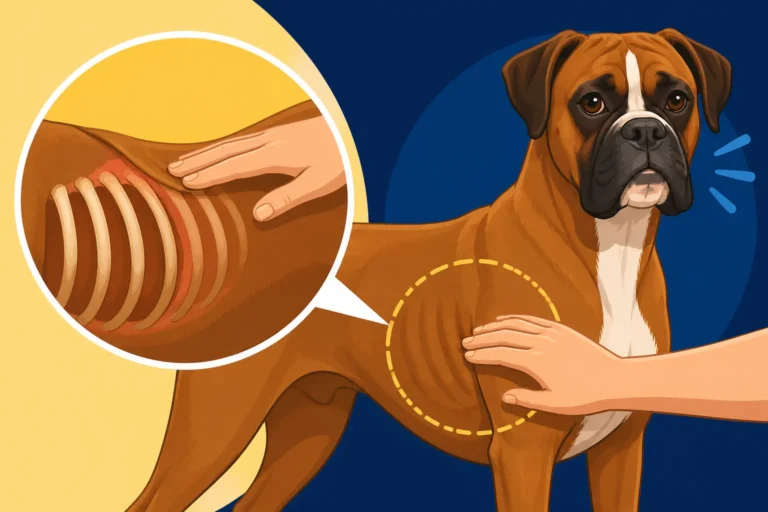
It’s crucial to know the caloric content of your new food and adjust portion sizes accordingly. Your veterinarian can help you calculate the ideal daily calorie intake for your Boxer based on their current weight, activity level, and health status. Weighing your Boxer regularly (perhaps once a month) at your vet’s office or with a home pet scale, and visually assessing their body condition (checking if you can feel their ribs easily but not see them prominently, and if they have a discernible waist), will help you fine-tune their portions. Remember, Weight Gain and Coat Loss in a Boxer can sometimes signal underlying health issues, so consistency in monitoring is key.
Maintaining Oral Hygiene Without Kibble Abrasion
While softer foods are a blessing for painful teeth, they don't offer the same mechanical cleaning action that kibble theoretically provides. This means you’ll need to be even more diligent about your Boxer's oral hygiene. Without the scraping action of crunchy food, plaque and tartar can accumulate more quickly, especially in an older dog.
This doesn't mean you should abandon softer foods; it just means you need to implement alternative dental care strategies. Daily tooth brushing with a vet-approved enzymatic toothpaste is the gold standard. If your Boxer isn't keen on brushing, dental wipes or oral rinses can help. Regular professional dental cleanings under anesthesia, as recommended by your vet, become even more important. Discussing options for Whether a Boxer Needs Yearly Dental Cleaning with your vet is vital, as ignoring dental health can lead to far more serious systemic health problems down the line. Even if they're on soft food, good dental habits are non-negotiable for their overall well-being.
Strategies for Encouraging a Reluctant Eater
Sometimes, even with the most appealing soft food, an older Boxer might still be a reluctant eater. This can be incredibly frustrating and worrisome for owners. First and foremost, if your Boxer consistently refuses food for more than 24 hours, or shows other signs of illness, it’s always time for a vet visit to rule out any serious health issues.
If medical problems have been excluded, then it’s about gentle encouragement and making mealtime as positive as possible:
- Rotate flavors: Just like us, dogs can get bored. Try rotating between a few different high-quality wet food flavors or proteins to keep things interesting.
- Toppers: A small sprinkle of low-sodium broth, plain cooked meat, or even a tiny dollop of plain yogurt can sometimes entice them to eat.
- Hand-feeding: For some Boxers, a few bites offered by hand can get them started, and then they'll finish the bowl on their own. It’s a way to reconnect and reassure them.
- Warm it up: As mentioned, warmth often boosts aroma, making food more appealing.
- Reduce distractions: Ensure their feeding area is quiet and free from stress. Sometimes a calm environment is all it takes.
Remember, patience and understanding are paramount. Your older Boxer relies on you to make their golden years as comfortable and joyful as possible, and that absolutely includes happy, pain-free mealtimes.
Disclaimer
This article is for general informational purposes only and does not constitute professional advice. Laws, prices and regulations vary by location and change over time. Consult a qualified professional for guidance on your specific situation.