Boxers With Children and Other Dogs
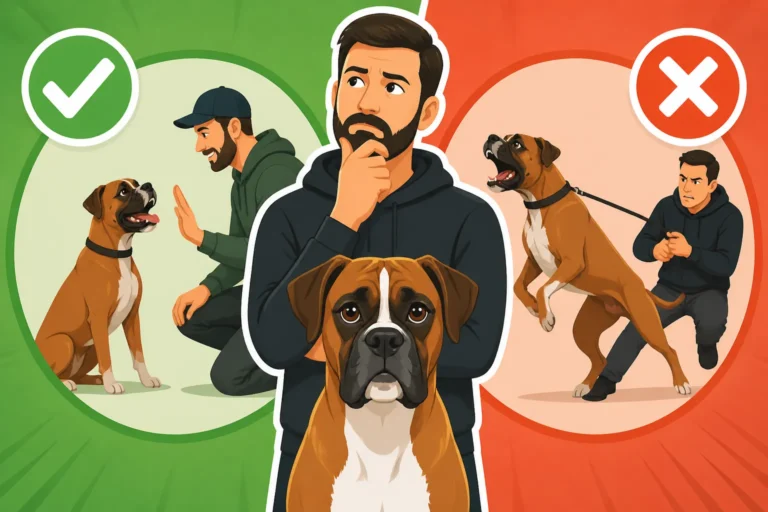
It's a common aspiration for many families to bring a loving Boxer into a home that already has children, or where the Boxer will eventually share life with other dogs, cats, or even smaller pets. However, the reality of integrating such an energetic, powerful, and sometimes goofy breed into a multi-species or child-filled household comes with its own set of unique considerations and challenges. This guide will walk you through what to expect, how to prepare, and the practical steps you can take to foster a harmonious and safe environment for everyone, ensuring your Boxer thrives as a beloved family member.
Understanding the Boxer's Natural Temperament with Families
Boxers are renowned for their incredible personalities, often described as "clowns" due to their playful antics and boundless energy. But beneath that humorous exterior lies a breed with strong instincts and needs that are vital to understand when they're living alongside children and other animals.
The "Forever Puppy" Mentality and What It Means for Kids
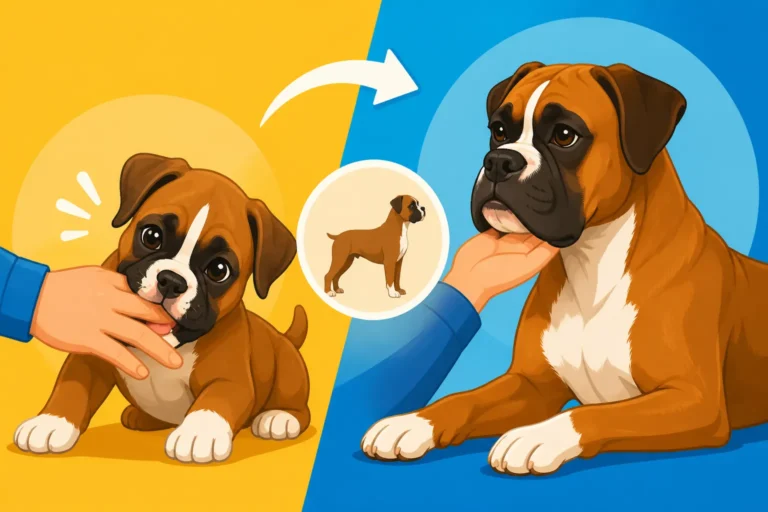
One of the most endearing, yet sometimes challenging, traits of the Boxer is their prolonged puppyhood. Many Boxer owners will tell you that their dogs don't truly "grow up" until they are two or even three years old. This isn't just a cute saying; it means you'll have a large, strong dog with the exuberance, lack of impulse control, and sometimes clumsy nature of a much younger animal for an extended period. Imagine a seventy-pound toddler with the best intentions, and you start to get the picture.
For children, especially young ones, this can be a double-edged sword. On the one hand, a Boxer's playful nature makes them fantastic companions for active kids who love to romp and play. They are generally tolerant and enjoy being involved in family activities. On the other hand, their sheer size and enthusiasm mean they can easily knock over a small child unintentionally during a zoomie session or an excited greeting. It’s crucial to understand that their playful nudges, jumps, and body slams are rarely aggressive, but they can still lead to bumps, bruises, or even a tumble. Understanding Why a Boxer Acts Like a Puppy Until Three is key to setting realistic expectations.
This extended adolescence requires consistent training and supervision, particularly when children are present. You're not just training a dog; you're teaching a large, enthusiastic creature how to exist respectfully and safely around smaller, more delicate humans. This means teaching both the Boxer and the children appropriate interaction rules from day one.
The Boxer's Innate Loyalty and Protectiveness
Boxers are deeply loyal dogs, forming strong bonds with their human families. This loyalty often translates into a natural protective instinct. They are alert and will often act as guardians of their home and loved ones, sometimes making them excellent watchdogs. They'll typically let you know when someone is approaching the door with a distinctive bark, or when something simply isn't right.
While this protectiveness can be a comforting quality for a family, it's essential to channel it properly to prevent over-protectiveness or reactivity towards strangers or other animals outside the immediate family circle. A well-socialized Boxer understands that not every new face is a threat, and that your friends and their children are welcome. Without proper socialization and training, this instinct can sometimes lead to guarding behavior or an overly wary attitude, which can be problematic in a bustling family environment or when meeting new people and dogs in public.
It’s a fine line to walk: you want a dog that loves and watches over your family, but not one that views every outsider as a potential danger. Early and consistent exposure to a wide variety of people, sights, and sounds, coupled with positive experiences, helps shape a Boxer into a confident, protective, but not aggressive, companion.
Their Play Style: Energetic, Enthusiastic, and Sometimes Clumsy
Boxers have a unique and often boisterous play style. They are known for their "boxing" with their front paws, a behavior that gives them their name. This involves rapid, light swatting motions with their paws, often directed at playmates or even their human family members. This is typically done in fun, but those paws can feel quite substantial, especially to a small child.
Beyond the pawing, Boxers love to zoom, wrestle, and engage in full-body play. They'll often invite play with a characteristic "Boxer wiggle" — a full-body tail wag that starts at the shoulders and extends all the way down. When playing with other dogs, they can be quite physical, using their whole bodies to bounce, push, and chase. While this can be incredibly entertaining to watch, it means that careful consideration is needed when introducing them to smaller, more delicate dogs, or even very young puppies who might be overwhelmed by a Boxer's enthusiastic approach. Understanding Boxer Play Style With Other Dogs can help you interpret their interactions.
Their enthusiasm, combined with their muscular build and sometimes less-than-graceful movements, means they can be a bit clumsy. They might accidentally bump into furniture, trip over their own feet, or misjudge a jump, especially when in the throes of excitement. Teaching a "four on the floor" rule and redirecting their energy appropriately are important aspects of living safely with a Boxer, particularly when children are around.
Introducing a Boxer Puppy to Children
Bringing a new Boxer puppy into a home with children is an exciting time, but it's also a period that sets the foundation for their relationship. Done right, it leads to a lifelong bond. Done poorly, it can create a host of behavioral issues.
Setting Ground Rules for Both Puppy and Kids
From the moment that adorable, wrinkly puppy walks through your door, it’s vital to establish clear rules for everyone in the family. Children, no matter how well-meaning, need explicit instructions on how to interact with a puppy. This isn't just about protecting the child; it's about teaching the puppy that children are a source of positive experiences, not fear or annoyance.
Rules for Children:
- Gentle Hands: Teach children to pet softly, avoiding pulling ears, tails, or poking eyes. Demonstrate how to pet appropriately on the back or chest.
- No Roughhousing: Explain that a puppy isn't a toy. Rough play, chasing, or yelling can scare or overstimulate the puppy, leading to nipping or fear.
- Respect Quiet Time: Puppies need a lot of sleep. Designate a quiet, safe space where the puppy can retreat and not be disturbed, like a crate. This teaches the puppy that they have a sanctuary and helps prevent stress-related behaviors.
- No Feeding from the Table: Establish early on that food is not to be shared from the table. This helps prevent begging and resource guarding issues later.
- Supervised Interactions Only: Never leave young children unsupervised with a puppy, no matter how gentle the puppy seems. Accidents can happen in an instant.
Rules for the Puppy (and you, the parent):
- Positive Reinforcement: Use treats, praise, and gentle play to reward calm interactions between the puppy and children. If the puppy approaches a child calmly, reward it!
- "Four on the Floor": Begin teaching your Boxer not to jump from a young age. This is crucial for when they are fully grown. Reward the puppy for keeping all four paws on the ground when greeting people. Stopping a Seventy-Pound Boxer From Jumping will be a critical lesson.
- No Mouth on Skin: Work on redirecting puppy nipping immediately. When a puppy mouths a child’s hand, redirect them to an appropriate chew toy. Consistency is key here.
Supervising Interactions and Teaching Gentle Handling
Active, hands-on supervision is the cornerstone of successful Boxer-child integration. This means more than just being in the same room; it means actively observing and guiding interactions. Think of yourself as a referee, ensuring fair play and positive experiences for both sides.
When your children interact with the puppy, sit with them. Narrate the interaction: "Gentle hands," "Good boy for sitting calmly," "Let's give puppy space now." Guide your child's hand to appropriate petting spots. Teach them to recognize when the puppy might be getting overstimulated or tired – yawning, looking away, or walking away are all signs the puppy needs a break. Explain to children that if the puppy walks away, they should let it go.
Use positive association. Have your children give the puppy small, soft treats (under your supervision) when the puppy is calm around them. This creates a positive connection: "children bring good things." Teach children to read basic dog body language – a relaxed tail wag versus a stiff, fast wag, or ears pinned back versus relaxed ears. The more your children understand, the safer and more respectful their interactions will be. This early learning prevents potential problems and builds confidence in both your Boxer and your children.
Managing Puppy Mouthing and Nipping Around Small Hands
Boxer puppies, like all puppies, explore the world with their mouths. This means a lot of mouthing, nipping, and chewing. While it's a normal part of puppy development, it can be painful and frightening for small children. Addressing Boxer Mouthing From Puppy to Adult is paramount for a peaceful home.
Here's how to manage it effectively:
- Redirection is Key: The moment your Boxer puppy mouths a child, immediately redirect their attention to an appropriate chew toy. Keep plenty of safe, appealing toys readily available. Soft rubber toys, braided ropes, or even a frozen Kong are great options. You can find a wide variety of suitable chew toys on Amazon.
- "Ouch!" and Disengage: If the puppy nips too hard, teach your child to say a firm "Ouch!" (or whatever word you choose) and immediately withdraw their attention. The moment the puppy releases, reward with an appropriate toy. This teaches bite inhibition – the puppy learns that painful biting makes the fun stop.
- Avoid Punishment: Never hit or yell at a puppy for mouthing. This can damage trust and potentially lead to fear-biting or aggression. Your goal is to teach, not to punish.
- Enrichment and Exercise: A tired puppy is a good puppy. Ensure your Boxer puppy is getting enough mental stimulation and appropriate exercise to burn off energy. A bored puppy is more likely to engage in unwanted behaviors. Puzzle feeders and short training sessions are excellent for mental enrichment.
- Crate Training: A crate can be an invaluable tool. It provides a safe retreat for your puppy when things get too overwhelming, and it can also be used for mandatory "quiet time" when the puppy is overstimulated and nipping. Why a Boxer Needs a Crate More Than Most goes into more detail on this essential training tool.
Bringing an Adult or Rescue Boxer into a Home with Kids
Adopting an adult Boxer, especially from a rescue, is a wonderful thing to do. These dogs often come with some manners, but they also come with a past you may not fully know. Integrating them into a home with children requires extra caution and a structured approach.
The Importance of a Thorough Background Check
When adopting an adult Boxer, especially one with an unknown history, gaining as much information as possible about their past is critical. Reputable rescues and shelters are usually very transparent about what they know.
Questions to ask:
- Has the Boxer lived with children before? If so, what ages were the children, and how were their interactions? Look for consistent positive reports, not just "tolerated them."
- What is the Boxer's energy level? A high-energy Boxer might be too much for very young children.
- How does the Boxer react to strangers? A Boxer that is overly fearful or aggressive towards new people will need careful management around visiting children.
- Does the Boxer have any known behavioral issues? This could include resource guarding, separation anxiety, or reactivity towards other dogs. These issues can be exacerbated by the chaos of a busy household with children.
- Has the Boxer been socialized? Ideally, you want a dog that has had positive experiences with various people and environments.
- Are there any bite histories or recorded incidents? This is non-negotiable information. Transparency here is crucial for safety.
Reputable rescue organizations like Boxer Rescue often do extensive temperament testing and will be honest about a dog's suitability for a family with children. They want a successful placement as much as you do.
Gradual Introductions and Safe Spaces
The first few weeks with an adult rescue Boxer are all about decompression and gradual introductions. This isn't a sprint; it's a marathon. The dog needs time to adjust to a new environment, new routines, and new people.
- Initial Confinement: When the Boxer first arrives, keep them in a designated "safe space" – perhaps a quiet room or a crate – for short periods. This allows them to acclimate without being overwhelmed.
- Controlled Introductions to Children: Keep initial interactions brief, supervised, and positive. Have children sit calmly while the Boxer is on a leash. Allow the Boxer to approach them on their own terms. Give treats and praise for calm behavior. Never force interactions.
- Leash Management: For the first few days or even weeks, consider having the Boxer on a leash in the house, especially when children are around. This gives you immediate control and allows you to intervene if needed.
- "No-Go" Zones: Teach children that certain areas, like the Boxer’s bed or crate, are "no-go" zones. This reinforces the idea of a safe space for the dog.
- Routines are Your Friend: Establish a predictable routine for feeding, walks, and potty breaks. Predictability reduces anxiety for a newly adopted dog and helps them feel secure.
Recognizing and Addressing Stress Signals in Your Boxer
An adult Boxer may communicate discomfort or stress through subtle body language before resorting to more overt signals. Learning to read these signs is vital for preventing problems, especially around children.
Common stress signals include:
- Yawning (when not tired): Can be a sign of stress or appeasement.
- Lip licking: Often a sign of anxiety or discomfort.
- Turning head or body away: The dog is trying to disengage or avoid a situation.
- "Whale eye": When the whites of the eyes are visible, indicating tension.
- Panting (when not hot or exercising): Can signify stress.
- Hiding or retreating: The dog is seeking an escape.
- Stiff body posture or tail carriage: Indicates tension.
If you observe any of these signs, immediately create distance between the Boxer and the child. Don't scold the Boxer; simply remove them from the stressful situation. Consult a professional dog trainer or behaviorist if stress signals are frequent or escalate. It’s better to be proactive than reactive when it comes to the safety of your children and the well-being of your dog.
Integrating Boxers with Other Dogs in the Household
Boxers are generally social dogs, often enjoying the company of other canines. However, successful multi-dog households require careful introductions, management, and an understanding of each dog's personality.
Understanding Boxer Play Styles and Socialization
As mentioned, Boxers play with enthusiasm and physicality. They love to body-slam, chase, and use their paws. This can be fantastic if your existing dog has a similar play style and energy level. However, if your resident dog is older, smaller, or prefers a more sedate play, a Boxer's exuberance can be overwhelming or even perceived as rude.
- Early Socialization for Puppies: If you're bringing a Boxer puppy into a home with another dog, exposing the puppy to a variety of well-socialized, calm adult dogs from a young age is crucial. Puppy classes (like those offered by BAXTER & Bella) are excellent for this, as they provide controlled environments for positive interactions. Good early socialization helps shape a puppy into a confident, polite adult dog who understands canine communication. Socializing a Boxer Puppy Before Sixteen Weeks is a valuable investment in their future.
- Assessing Adult Boxer Temperament: If you're adopting an adult Boxer, find out how they interact with other dogs. Some Boxers thrive with canine companions, while others may prefer to be the sole recipient of your attention or have a history of same-sex aggression. Observing them in a neutral environment with another dog (if possible) before adoption can provide valuable insight.
The Slow Introduction: A Key to Success
When introducing a new Boxer to a resident dog, a slow, controlled process minimizes stress and sets the stage for a positive relationship. Never just throw two dogs together and hope for the best.
- Neutral Territory: The very first meeting should ideally happen in a neutral location, like a park or a quiet street neither dog considers "theirs." Both dogs should be on leashes, and you should have another person to handle the other dog. Keep leashes loose – tension can escalate stress.
- Parallel Walk: Start with a parallel walk, allowing the dogs to sniff the same ground and get used to each other's presence without direct interaction. Keep a good distance between them.
- Brief, Supervised Greetings: If the parallel walk goes well, allow brief, supervised sniff-and-greet sessions. Watch body language closely for signs of tension (stiff body, hard stare, raised hackles). Keep it short and end on a positive note.
- Home Introduction (Separate Spaces): Back at home, initially keep the dogs separated by a barrier (like a baby gate or crate) for the first day or two. This allows them to get used to each other's scent and presence without direct interaction. Feed them on opposite sides of the barrier.
- Gradual Integration: Over several days, slowly increase supervised time together in the same room. Use positive reinforcement (treats, praise) for calm interactions. Always supervise initial play sessions, looking for reciprocal play that doesn't escalate into bullying or aggression. Take breaks if play becomes too intense.
- Patience is Paramount: Some dogs bond instantly, others take weeks or even months. Be patient and don't rush the process. Introducing a Boxer to a Resident Dog covers this topic in more depth.
Managing Resources and Preventing Conflict
Resource guarding, where a dog becomes possessive over food, toys, sleeping spots, or even human attention, is a common source of conflict in multi-dog households. Boxers can be prone to this if not managed properly.
- Separate Feeding: Always feed dogs in separate rooms or crates to prevent competition and anxiety around food. Remove bowls promptly after eating.
- High-Value Chews/Toys: Offer high-value chews (like bully sticks or bones) when dogs are separated or in their individual crates. This ensures no one feels threatened or needs to guard.
- Equal Attention: Try to give both dogs equal attention and affection. Avoid playing favorites, as this can create jealousy and resentment.
- Shared Toys: Have plenty of toys available so there's less competition. Rotate toys regularly to keep them interesting. If a specific toy becomes a source of tension, remove it.
- Supervised Play: Always supervise play with toys, especially if one dog has a history of guarding. Interrupt any stiff body language or attempts to monopolize a toy.
- "Place" Command: Teach both dogs a "place" command, so they can go to their designated spots when you need them to settle, especially when food is present or during exciting moments. This provides structure and prevents impulsive behavior.
Boxer Interactions with Cats and Smaller Pets
Integrating a Boxer with cats, guinea pigs, rabbits, or even birds, adds another layer of complexity due to the Boxer's potential prey drive. While many Boxers can live harmoniously with cats, it's never a guarantee and requires careful, proactive management.
The Boxer's Prey Drive: A Realistic Assessment
Boxers were originally bred to be powerful hunting dogs, holding down large game. While many generations have softened this instinct, a moderate prey drive can still be present in the breed. This means that a fast-moving, squeaky, or small animal can trigger their instinct to chase, grab, or "play" in a way that is dangerous for smaller pets.
- Individual Variation: Some Boxers have virtually no prey drive and will ignore or even befriend the family cat. Others will see a cat as something to chase for fun, while a small rodent might trigger a stronger, more dangerous instinct. It varies greatly from dog to dog.
- Early Exposure: A Boxer puppy raised from a young age with a confident, dog-savvy cat or other small pet has a much higher chance of coexisting peacefully. The key is that the puppy learns early on that these animals are part of the "pack" and not prey.
- The "Chase" Fun: For Boxers, chasing can be an immensely rewarding activity. A cat running away might simply reinforce the behavior, making it harder to stop. Understanding this motivation is crucial.
Safe Introductions and Coexistence Strategies
Safety is paramount when introducing a Boxer to smaller pets. A single mistake can have tragic consequences.
- Containment and Separation: Initially, the smaller pet should have its own secure, Boxer-proof space that the dog cannot access. This might be a room with a baby gate, a tall cat tree, or a secure cage for a rodent. The Boxer should always be on a leash or behind a barrier during initial meetings.
- Scent Swapping: Before direct visual introductions, let them get used to each other's scent. Swap blankets, beds, or toys between the Boxer and the smaller pet.
- Gradual Visual Introduction (Leashed Boxer): With the Boxer on a leash and under strict control, allow supervised visual introductions. Reward the Boxer for calm behavior (e.g., ignoring the cat, sitting quietly). If the Boxer lunges or fixates, immediately interrupt and redirect their attention. End the session before the Boxer becomes over-aroused. A Boxer That Fixates on the Cat can be a real challenge.
- Controlled Interactions: As the Boxer shows consistent calm behavior, you can gradually allow closer interactions, but always with the Boxer leashed and under supervision. Never trust a Boxer unsupervised with a smaller pet, even if they seem to get along.
- Cat-Friendly Spaces: Ensure your cat has multiple escape routes and high perches where they can get away from the Boxer. Cat trees, shelves, or even just leaving doors ajar so the cat can retreat are essential.
- Small Pets in Cages: For animals like guinea pigs or rabbits, their enclosures must be robust and secure. Ensure cages are strong enough that the Boxer cannot knock them over or break into them. Place cages out of the Boxer's reach, ideally on a high surface or in a separate room.
Creating Separate Spaces and Managing Supervision
Even in households where Boxers and smaller pets coexist peacefully, ongoing management and dedicated safe spaces are crucial for long-term success and peace of mind.
- Designated "Safe Zones": Each animal should have its own "safe zone" where it can retreat and be completely undisturbed by the other. For cats, this often means vertical space or rooms with high baby gates the cat can jump over. For Boxers, a crate can serve as this retreat.
- Scheduled "Alone Time": Consider giving your smaller pets "alone time" out of their enclosures when the Boxer is crated or otherwise secured. This allows them to roam freely without fear.
- Never Unsupervised: The golden rule: Never leave a Boxer and a smaller pet unsupervised, even for a moment. A moment of instinct, a quick movement, or an accidental bump can lead to tragedy. This applies even if they’ve lived together for years.
- Training for Impulse Control: Commands like "leave it" and "stay" are incredibly important. These commands help you interrupt a Boxer's prey drive before it escalates. Positive reinforcement training with high-value treats can make these commands highly reliable.
- High Energy Outlet: Ensure your Boxer is well-exercised, both physically and mentally. A bored, under-exercised Boxer is more likely to create its own "fun" by chasing. Provide ample opportunities for appropriate play and mental stimulation, perhaps with a flirt pole or puzzle toys.
Training and Management for Harmonious Multi-Species Households
Successful integration isn't just about managing interactions; it's about building a solid foundation of obedience, impulse control, and consistent routines for your Boxer. This proactive approach benefits every member of your family, furry or otherwise.
Foundation Obedience for All Boxers
Basic obedience is non-negotiable for a Boxer, especially in a home with children and other pets. Commands like sit, stay, come, and down provide you with essential tools to manage your Boxer's behavior and ensure safety.
- "Sit" and "Stay": These commands are invaluable for greetings. Instead of jumping on excited children or guests, your Boxer can sit calmly. This also helps with impulse control around other animals. Teach your Boxer to sit for everything: before getting a meal, before going outside, before getting attention.
- "Come" (Recall): A reliable recall is perhaps the most critical command, especially if you have a Boxer who might be tempted to chase a cat or another dog. Practice "come" in a variety of environments, starting in a quiet indoor space and gradually moving to more distracting areas. Make coming to you always a positive, rewarding experience.
- "Leave It": This command teaches your Boxer to disengage from something tempting – whether it's a child's dropped toy, a cat walking by, or a piece of food on the floor. It's a powerful tool for preventing unwanted behaviors and keeping everyone safe. Start practicing with low-value items and gradually increase the difficulty.
- Consistency is Key: Everyone in the family, including older children, must use the same commands and enforce the same rules consistently. Inconsistency confuses the Boxer and slows down learning. Consider enrolling in an online program like BAXTER & Bella which provides comprehensive, step-by-step guidance for dog training, often with lessons specifically for integrating dogs into family life.
Teaching Impulse Control and "Place" Commands
Boxers, with their inherent exuberance, often need extra help developing impulse control. This means teaching them to pause, think, and not react immediately to every exciting stimulus. The "place" command is a fantastic tool for this.
- "Place" Command: This teaches your Boxer to go to a designated spot (a bed, mat, or crate) and remain there until released. It's incredibly useful for managing high-energy situations:
- When guests arrive: Instead of letting your Boxer jump or body-slam, send them to their "place."
- During mealtimes: If children are eating, your Boxer can be on their "place" nearby, learning to relax and not beg.
- When other pets are out: The Boxer can be on "place" while the cat or other small pet roams freely, observing calmly.
- Teaching a Boxer Teaching a Boxer a Place to Go When Guests Arrive will make your life so much easier.
- Capturing Calm: Actively reward your Boxer when they are naturally calm, resting, or observing quietly. Scatter treats on their mat when they are lying down. This teaches them that calm behavior gets them good things.
- Delayed Gratification: Practice exercises where your Boxer has to wait for something they want. For example, make them sit and wait for their food bowl, or wait at the door before going outside. These small moments build their ability to control impulses.
Exercise and Enrichment: Crucial for a Calm Boxer
A tired Boxer is a well-behaved Boxer. Without adequate physical and mental stimulation, Boxers can become bored, destructive, and more prone to hyperactive or unwanted behaviors around children and other pets. This is especially true for Why a Boxer Wrecks Things When Under-Exercised.
- Physical Exercise: Boxers need significant daily exercise – typically 60-90 minutes, split into multiple sessions. This can include brisk walks, fetch in a secure yard, or running. However, be mindful of their brachycephalic (flat-faced) nature, which makes them prone to overheating. Avoid strenuous exercise during the hottest parts of the day. Boxer Exercise Needs and the Heat That Limits Them explains how to keep them safe.
- Mental Enrichment: Physical exercise alone isn't always enough. Boxers are intelligent dogs who need to use their brains.
- Puzzle Toys: Fill puzzle toys with kibble or treats, making your Boxer "work" for their food.
- Training Sessions: Short, fun training sessions throughout the day (5-10 minutes each) are excellent for mental stimulation.
- Scent Work: Hide treats around the house or yard and encourage your Boxer to sniff them out.
- Interactive Play: Engage in structured play sessions with toys like flirt poles, which tap into their prey drive in a safe, controlled way.
- Structured Day: A predictable schedule that includes exercise, training, play, and rest periods helps your Boxer feel secure and reduces anxiety. A well-managed Boxer is a calm Boxer, and a calm Boxer is a safer, happier companion for everyone in the family.
Common Challenges and How to Overcome Them
Even with the best intentions and training, living with Boxers, children, and other pets will present its unique set of challenges. Being prepared for these common issues and knowing how to address them proactively is essential.
Over-Excitement and Jumping in Play
Boxers are naturally exuberant. Their greetings can be enthusiastic, often involving jumping, pawing, and even body-slamming. While adorable as puppies, a 70-pound adult Boxer doing this can be dangerous for children, elderly relatives, or smaller dogs.
- Consistent "Four on the Floor" Training: This cannot be stressed enough. Every time your Boxer jumps, calmly turn your back, cross your arms, and ignore them. Only reward them with attention, praise, or a treat when all four paws are on the ground. Everyone in the family must do this consistently.
- Leash Management During Greetings: For a Boxer who struggles with jumping, keep them on a leash when guests (or children returning home) arrive. This allows you to physically manage their behavior. When they sit calmly, release the leash for a supervised, calm greeting.
- "Place" During High-Energy Moments: As discussed, training your Boxer to go to their "place" when people arrive or when play with other animals gets too wild can be a lifesaver. It teaches them to settle and prevents unwanted jumping.
- Redirecting Energy: If your Boxer is too excited, redirect their energy into an appropriate activity. A quick game of fetch in the yard, a short training session, or a puzzle toy can help them burn off that initial burst of enthusiasm.
- Stopping a Seventy-Pound Boxer From Jumping offers practical steps to address this specific problem.
Resource Guarding and How to Prevent It
Resource guarding can manifest over food, toys, sleeping spots, or even human attention. It’s a natural canine behavior, but it can become dangerous if left unaddressed, particularly in a multi-species household.
- Separate Resources: Always feed dogs separately in their crates or different rooms. Do the same with high-value chews like bones or long-lasting treats. This eliminates the need for them to guard.
- "Trade" Games: Teach your Boxer that giving up a toy means getting something even better. Offer a high-value treat in exchange for a toy, then return the toy. This builds a positive association with letting go of items.
- Proactive Management: Don't wait for guarding to occur. If you see signs of tension (stiff body, hard stare, growl) over a resource, immediately remove the resource and separate the dogs.
- Children and Resources: Teach children never to bother a Boxer while it's eating, chewing a special toy, or sleeping. Explain that these are the Boxer's private times. This is crucial for preventing bites.
- Professional Help: If you suspect your Boxer has a significant resource guarding issue, especially if it involves aggression, seek help from a certified professional dog trainer or veterinary behaviorist. This is not an issue to address lightly on your own.
Addressing Fear or Reactivity Towards Other Animals
While many Boxers are social, some can develop fear or reactivity towards unfamiliar dogs or even certain types of small animals. This can be due to poor socialization, a negative past experience, or genetics.
- Identify the Trigger: Understand what specifically triggers your Boxer's reactivity. Is it specific breeds of dogs? Dogs on leash? Dogs running toward them? Pinpointing the trigger helps you manage exposure.
- Controlled Exposure (Desensitization): Gradually expose your Boxer to the trigger from a distance where they can observe without reacting. Use positive reinforcement (treats, praise) for calm behavior. The goal is to change their emotional response from fear/reactivity to neutrality or positivity.
- Management Over Cure: In some cases, especially with high prey drive towards small animals or severe dog-dog reactivity, complete "cure" might not be possible. Focus on diligent management: always leash your Boxer around other dogs, use barriers with small pets, and never take unnecessary risks.
- Professional Guidance: Reactivity can be complex and emotionally charged. A certified professional dog trainer specializing in behavior modification can provide personalized strategies and support. They can help you identify triggers, implement desensitization protocols, and build your Boxer's confidence.
| Challenge | Boxer Behavior | Impact on Kids/Other Pets | Management Strategy |
|---|---|---|---|
| Over-Excitement/Jumping | Jumps, paws, body slams during greetings or play. | Can knock over children, injure smaller pets, cause fear or annoyance. | Consistent "four on the floor" training, ignore jumping, redirect to "place" or appropriate activity, leash control during greetings. |
| Mouthing/Nipping | Uses mouth to explore, play-bite, sometimes bites harder when overstimulated. | Can hurt children's hands, scare smaller pets, teach bad habits. | Immediate redirection to chew toys, "ouch" and disengage, ensure proper exercise and enrichment, avoid punishment. |
| Resource Guarding | Protects food, toys, bed, or owner from others (dogs, kids). | Can lead to aggression, bites, conflict between pets, fear in children. | Separate feeding, "trade" games for toys, teach kids to respect dog's space, proactive removal of high-value items if tension, professional help if severe. |
| Prey Drive | Chases, stalks, or fixates on small, fast-moving animals (cats, rodents). | Can injure or kill smaller pets, create constant stress for the small pet. | Strict supervision, leash control, secure separate spaces for small pets, "leave it" command, ample alternative outlets for energy, never leave unsupervised. |
| Leash Reactivity | Barks, lunges, growls at other dogs while on leash. | Creates stressful walks, can intimidate other dog owners. | Identify triggers, desensitize from a distance, positive reinforcement for calm, avoid nose-to-nose greetings on leash, seek professional trainer. |
Ensuring Long-Term Success and Safety
The journey of integrating Boxers with children and other pets is ongoing. It requires commitment, consistency, and a willingness to adapt as your Boxer matures and your family dynamics evolve.
Ongoing Socialization and Positive Reinforcement
Socialization isn't a one-and-done event for puppies; it's a lifelong process. Continued positive exposure and reinforcement are vital for maintaining a well-adjusted Boxer.
- Regular Outings: Continue to take your Boxer to safe, dog-friendly places where they can encounter a variety of people (including calm children, with permission) and well-behaved dogs. Dog parks, hiking trails, or even just walks around town are great. Always supervise interactions.
- Positive Association: Consistently associate good things with the presence of children and other pets. When your Boxer is calm around the cat, toss them a treat. When your child is playing quietly, give your Boxer a chew toy on their bed.
- New Experiences: Introduce your Boxer to new sights, sounds, and experiences throughout their life. This helps them remain confident and adaptable, less likely to be fearful or reactive to novel stimuli.
- Refresher Training: Even well-trained Boxers benefit from refresher training sessions. Practice basic commands regularly to keep them sharp and responsive. This can be as simple as a few minutes a day before mealtime.
Recognizing Changes in Behavior
Dogs, like people, can change over time. An aging Boxer might develop arthritis and become less tolerant of boisterous play, or a health issue might make them more irritable. Being attuned to subtle changes in their behavior is critical.
- Observe Closely: Pay attention to shifts in your Boxer’s demeanor. Are they suddenly more withdrawn? More clingy? More reactive? Any sustained change in behavior warrants investigation.
- Rule Out Medical Issues: A sudden change in behavior often has a medical cause. Pain, discomfort, hormonal imbalances (like Weight Gain and Coat Loss in a Boxer which can signal hypothyroidism), or even sensory loss (like deafness in an older Boxer) can lead to irritability or anxiety. Always consult your veterinarian first to rule out any underlying health problems.
- Life Changes: Major life changes (a new baby, a move, a death in the family) can also impact a Boxer's behavior. Be empathetic and provide extra reassurance and stability during these times. Adjust routines as needed.
- Aging Boxers: As Boxers get older, their tolerance for high-energy play from children or other dogs may diminish. They might become stiff, have less patience, or simply prefer quiet. Create more quiet spaces for them, ensure they have soft bedding, and teach children to give them extra space and gentle interactions. Caring for a Boxer Past Eight covers many of these considerations.
When to Seek Professional Help
There will be times when you encounter challenges that feel beyond your ability to manage. This is not a sign of failure; it’s a sign of responsible pet ownership. Knowing when to call in the experts is key.
- Aggression: Any instance of aggression – growling, snapping, lunging, or biting – towards a child, another pet, or a human, no matter how minor, requires immediate professional intervention. Do not try to "fix" aggression on your own.
- Persistent Behavioral Issues: If you're struggling with persistent issues like severe separation anxiety, destructive chewing, chronic fear, or unmanageable reactivity despite consistent training, a professional can offer tailored solutions.
- Specialized Training Needs: For specific goals like therapy dog work, or if you're dealing with a Boxer with a complex history, a certified trainer with experience in these areas can be invaluable.
- Who to Call: Look for certified professional dog trainers (CPDT-KA, KPA-CTP, or similar credentials) or veterinary behaviorists (DACVB). Avoid trainers who use harsh, punitive methods, as these can exacerbate fear and aggression, especially in sensitive Boxers.
This article is for general informational purposes only and does not constitute professional advice. Laws, prices and regulations vary by location and change over time. Consult a qualified professional for guidance on your specific situation.