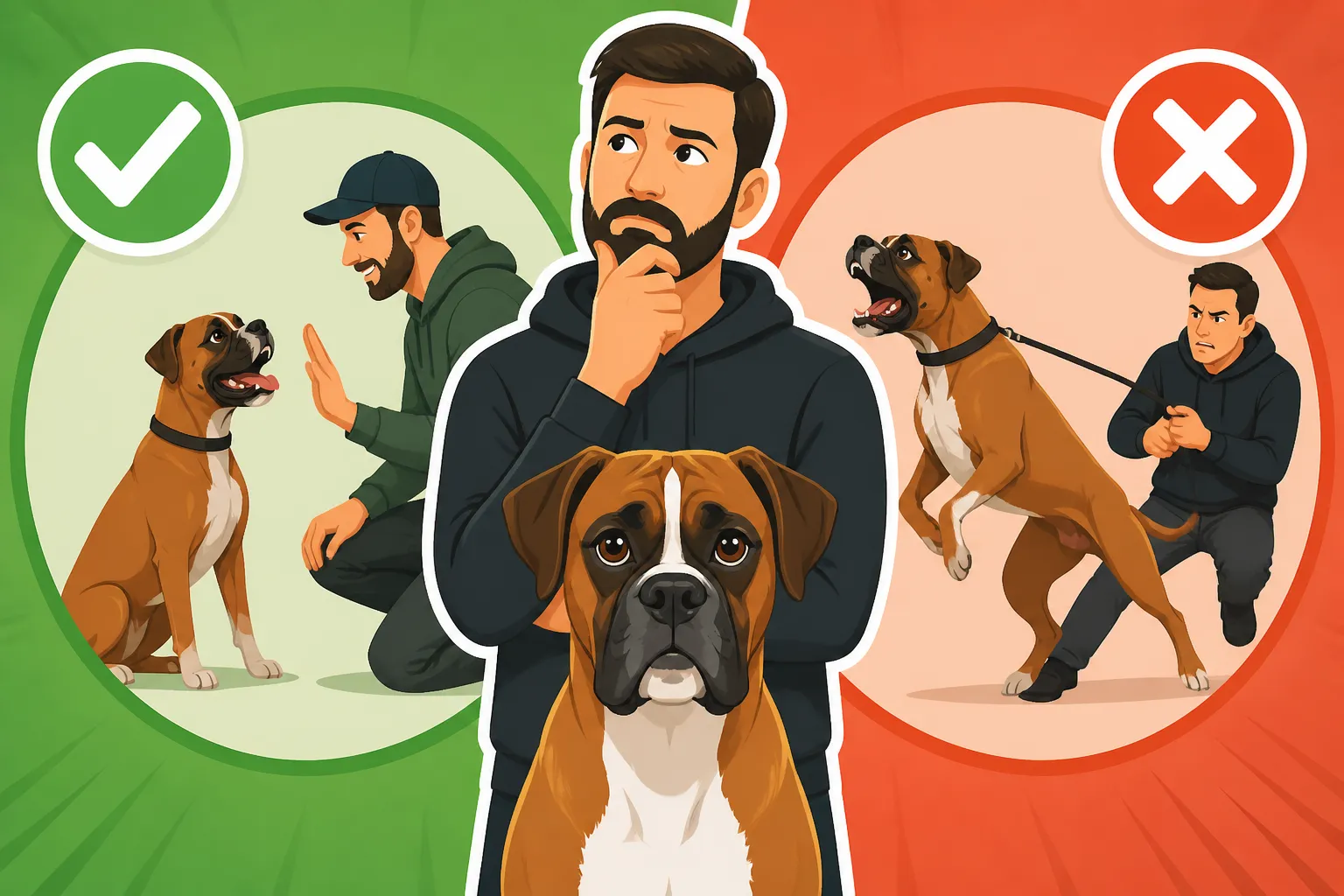
Whether a Trainer Has Worked With a Boxer Before
It's incredibly frustrating when you're trying to find the right guidance for your beloved Boxer, only to wonder if a trainer truly "gets" the unique quirks, energy, and undeniable charm that make this breed so special. You want someone who understands that your Boxer isn't just "any dog," but a goofy, intelligent, sometimes stubborn, and endlessly loving companion. This guide will help you navigate the process of finding a trainer who truly understands the Boxer breed, and what to ask to ensure they're the perfect fit for your family and your four-legged friend.
Why Specific Boxer Experience Matters in a Trainer
You might think "a dog is a dog," and any trainer can handle any breed. While foundational training principles apply across the board, Boxers bring a distinctive blend of traits to the table that can throw an inexperienced trainer for a loop. Their reputation as "clowns" isn't just for show; it's deeply ingrained in their personality and informs how they learn and interact with the world.
Understanding the Boxer Temperament and Learning Style
Boxers are famous for their endless puppyhood, often acting like overgrown adolescents well into their third year. Why a Boxer Acts Like a Puppy Until Three This isn't a flaw; it's a feature! It means they retain a playful, sometimes impulsive, energy that needs to be channeled, not squashed. They are incredibly smart, often picking up new commands quickly, but they also get bored with repetition faster than many other breeds. If a training session isn't fun, engaging, and dynamic, your Boxer might just decide there are more interesting things to do, like sniffing that fascinating patch of grass or "boxing" with their front paws.
What often goes overlooked is their sensitivity. Boxers are incredibly bonded to their people and are very attuned to their owner's emotions. Harsh corrections, loud voices, or fear-based training methods can cause a Boxer to shut down, become anxious, or even resistant. They thrive on positive reinforcement, praise, and playful rewards. They want to please you, but they also want to have a good time doing it! A trainer who understands this inherent sensitivity will focus on building confidence and making learning a rewarding experience, rather than trying to force compliance. They know that a happy Boxer learns best.
Common Boxer Training Challenges
Every Boxer owner knows the struggles. That enthusiastic greeting where all four paws leave the ground and suddenly you're eye-level with their chest? Yep, that's a classic. Stopping a Seventy-Pound Boxer From Jumping Or the playful (but painful!) nipping and grabbing with their mouths when they get overexcited, especially as puppies. Boxer Mouthing From Puppy to Adult Then there's the "Boxer pull" on the leash, where their seventy pounds of solid muscle can feel like a freight train if they catch a scent or spot a squirrel. A Boxer That Pulls Hard on Walks
These aren't just minor annoyances; they're significant challenges that require a trainer who understands the breed's physical prowess and mental wiring. A trainer unfamiliar with Boxers might misinterpret their "stubbornness" as defiance, when often it's just boredom or a strong prey drive kicking in. They might not appreciate the sheer strength behind a Boxer's lunge, or the dedication needed to teach consistent loose-leash walking. An experienced trainer will have strategies not just for managing these behaviors, but for proactively addressing the underlying Boxer instincts that drive them. They'll also know that what works for a Labrador or a Border Collie might not resonate with your bouncy, charismatic Boxer.
How to Vet a Trainer for Boxer Expertise
Finding the right trainer isn't about finding the cheapest or the closest. It's about finding someone who is genuinely equipped to work with your specific dog. This means doing your homework and not being afraid to ask pointed questions. Think of it like an interview for a very important job – because it is!
Asking the Right Questions During Consultations
When you're first speaking with a potential trainer, either on the phone or in person, don't hold back. You're trying to gauge their real-world experience, not just their theoretical knowledge. Here are some key questions to ask:
- "Have you worked with Boxers before? Can you describe some of your experiences?" This is your icebreaker. Listen for specific anecdotes, not just general statements. A trainer who has worked with Boxers will usually light up, often sharing a funny story or a particular training success. They might mention things like "their clownish nature," "their deep chest for bloat awareness," or "how quickly they pick up scent work but how easily they get distracted."
- "What training methods do you find most effective for Boxers, and why?" Pay close attention here. You want to hear about positive reinforcement, reward-based training, and methods that focus on engagement rather than punishment. If they start talking about "alpha rolls," "dominance," or heavy-handed corrections, that's a red flag. A Boxer's sensitive nature means these methods are counterproductive and can damage your bond. Look for someone who emphasizes building a positive relationship and making training fun. Why a Boxer Shuts Down When You Get Loud
- "How do you handle a Boxer's high energy and tendency to get bored?" An experienced Boxer trainer will have strategies for keeping sessions short, varied, and exciting. They might suggest incorporating play into training, using high-value rewards, or breaking down complex tasks into smaller, more manageable steps. They understand that Keeping Boxer Training Sessions Interesting is paramount for this breed. They might even recommend specific types of enrichment like puzzle toys (many excellent options are available on Amazon) to challenge their minds.
- "How do you address common Boxer issues like jumping or strong leash pulling?" They should have concrete, positive strategies. For jumping, they might talk about teaching an alternative behavior like "four on the floor" or going to a "place." For pulling, they might discuss management tools like front-clip harnesses and positive reinforcement for loose-leash walking, without relying on painful choke or prong collars.
- "Can you provide references from other Boxer owners?" This is crucial. Talking to previous clients, especially those with Boxers, can give you invaluable insight into the trainer's actual results and their approach. A good trainer will be happy to connect you with satisfied clients.
Observing Their Training Philosophy and Methods
Beyond their answers, pay attention to their demeanor and philosophy. Do they seem patient and empathetic? Do they communicate clearly, both with you and with your dog? A good trainer will read your Boxer's body language, adjusting their approach if the dog seems stressed, confused, or bored.
Beware of trainers who:
- Dismiss your concerns about Boxer-specific traits: If they say, "A dog is a dog, it doesn't matter what breed," they likely don't understand Boxers.
- Promote outdated or harsh methods: Anything that causes your Boxer fear or pain should be an immediate dealbreaker.
- Guarantee quick fixes: Training is a journey, especially with a Boxer. A realistic trainer will emphasize consistency and commitment from you.
- Don't involve you in the process: A good trainer is teaching you how to train your dog, not just training your dog for you. Your active participation is vital.
If possible, ask if you can observe a group class or a portion of a private session. This lets you see their methods in action and how they interact with different dogs and owners. You want to see a trainer who is engaging, encourages positive behavior, and can adapt their style to the individual needs of each dog. Sometimes, a trainer might offer a free initial consultation, which is a great opportunity to assess their fit. While not a replacement for a local trainer, resources like BAXTER & Bella offer online programs with virtual coaching that can help you understand positive, engagement-based principles from the comfort of your home, allowing you to go into consultations with a solid baseline of knowledge.
What to Expect from a Boxer-Experienced Trainer
Once you find a trainer who truly understands Boxers, your training journey will likely look a lot different, and frankly, more successful, than if you were working with someone who treats every dog the same. It's about a partnership where your dog's unique needs are at the forefront.
Tailored Training Plans and Realistic Expectations
A trainer with genuine Boxer experience won't just pull a generic obedience plan off the shelf. They'll recognize that your Boxer's individual personality, age, and energy level all need to be factored into a customized approach. They understand that the "eternal puppy" phase isn't just a cute saying; it means you might need to adjust expectations for impulse control and focus compared to, say, a more mature Golden Retriever. They'll emphasize that consistency from you, the owner, is paramount. They're not just training your dog; they're teaching you how to continue the training at home, long after the sessions are over.
This tailored approach means:
- Short, engaging sessions: Boxers thrive on short bursts of activity and mental stimulation. An experienced trainer will design sessions that keep your Boxer's attention, preventing boredom and frustration. They know that Why Short Sessions Suit a Boxer's Attention Span.
- Variety is key: Rote drills will quickly lose a Boxer. A good trainer will introduce new games, challenges, and environments to keep your Boxer mentally stimulated and eager to learn.
- Focus on motivation: They'll help you identify what truly motivates your Boxer – whether it's high-value treats, a favorite squeaky toy, or a game of fetch. Rewards a Boxer Will Work Hard For can vary greatly from dog to dog, and a trainer will help you tap into what drives your individual Boxer. Whether a Boxer Trains Better for Food or Play is a question they'll explore with you.
- Realistic timelines: They'll understand that perfecting a rock-solid recall in a highly distracting environment takes time and consistent effort, especially with a breed prone to chasing squirrels. They won't promise miracles but will provide a clear path forward with achievable milestones.
Focus on Engagement and Mental Stimulation
Boxers are not just physical powerhouses; they are intelligent dogs who need mental challenges as much as they need physical exercise. A trainer who understands the breed will heavily incorporate engagement and mental stimulation into their approach. They'll help you tap into your Boxer's natural drive and desire to work alongside you.
This might involve:
- Interactive play: Using play as a reward and a teaching tool. Tug, fetch, and even "hide and seek" can be powerful motivators and strengthen your bond.
- Puzzle solving: Introducing various puzzle toys and snuffle mats to make meal times a brain game. Many excellent, durable puzzle feeders can be found on Amazon that are perfect for a smart Boxer.
- "Brain games" beyond basic obedience: Teaching tricks, scent work, or even introducing elements of Dog Sports That Suit a Boxer like Rally Obedience or Agility can be incredibly rewarding and fulfilling for your Boxer, channeling their energy into productive outlets.
- Building focus in distracting environments: An experienced trainer knows that a Boxer might be brilliant indoors but suddenly develop "selective hearing" once outside. A Boxer That Only Listens Indoors They will have strategies to gradually build your Boxer's ability to focus on you amidst the exciting chaos of the real world.
Ultimately, a Boxer-experienced trainer empowers you to be the best handler for your dog, understanding that training is an ongoing conversation, not a one-time fix. They get that a Boxer is a commitment, and what a Boxer demands of a new owner includes a dedication to consistent, positive training.
Alternative and Supplementary Training Resources
Sometimes, despite your best efforts, finding a local trainer with extensive Boxer experience can be a challenge, depending on where you live. But don't despair! There are many other excellent resources available to help you and your Boxer thrive.
Online Courses and Community Support
The digital age has brought a wealth of high-quality training resources right to your fingertips. Online training programs can be incredibly beneficial, especially if you're struggling to find local expertise or if you prefer to learn at your own pace. For instance, platforms like BAXTER & Bella offer comprehensive, step-by-step online courses that cover everything from puppy basics to advanced obedience. What's often overlooked is the value of the community aspect that many of these programs provide. You can connect with other Boxer owners, share experiences, ask questions, and get support from people who truly understand the breed's unique quirks.
These online resources are fantastic for several reasons:
- Flexibility: You can train anytime, anywhere, fitting it into your schedule.
- Accessibility: They often bridge the gap when specialized local trainers are scarce.
- Consistent methodology: Many online courses, like BAXTER & Bella, are built on positive reinforcement principles, which are ideal for sensitive Boxers.
- Cost-effectiveness: While not free, they can sometimes be a more budget-friendly option than extensive private, in-person lessons, or a great way to supplement group classes.
Breed-Specific Clubs and Local Groups
Another invaluable resource is the Boxer community itself. Breed-specific clubs, both national and local chapters, are treasure troves of information and experience. Members often know the best local vets, groomers, and — yes — trainers who truly specialize in Boxers. Reaching out to your local Boxer club can lead to direct recommendations from people who have been exactly where you are. They've lived with Boxers, trained Boxers, and understand their nuances.
Beyond formal clubs, look for local Boxer meetups or breed-specific playgroups in your area. These informal gatherings can be a fantastic way to network with other Boxer owners. Not only can you get advice and recommendations, but it also provides an excellent opportunity for your Boxer to socialize with other Boxers, which can be beneficial for their social development. Often, these groups will share tips on everything from diet to Group Class Against Private Work for a Boxer recommendations, based on their collective experiences. Don't underestimate the power of shared wisdom from fellow Boxer enthusiasts!
| Feature | Trainer with Boxer Experience | Generic Trainer (No Specific Boxer Experience) |
|---|---|---|
| Understanding Temperament | Recognizes "eternal puppy," sensitivity, playfulness, intelligence, and need for fun. | May misinterpret Boxer energy/quirks as defiance or lack of focus. |
| Training Methods | Emphasizes positive reinforcement, engagement-based, varied sessions. | May use generalized methods, potentially too harsh or repetitive for Boxers. |
| Addressing Challenges | Specific strategies for jumping, mouthing, pulling, and focus issues unique to Boxers. | May offer generic solutions that don't account for Boxer strength or drive. |
| Expectations | Sets realistic goals, acknowledges Boxer development timeline, stresses owner consistency. | Might expect faster results, not understanding the Boxer's longer "puppy" phase. |
| Problem Solving | Proactively works with Boxer instincts, offering creative mental and physical outlets. | Might focus solely on suppressing behavior rather than channeling energy. |
| Communication | Attuned to Boxer body language, adjusts approach based on dog's response. | May apply a one-size-fits-all communication style, potentially frustrating the Boxer. |
Disclaimer
This article is for general informational purposes only and does not constitute professional advice. Laws, prices and regulations vary by location and change over time. Consult a qualified professional for guidance on your specific situation.