Whether a Boxer Is Safe With a Toddler
Bringing a new baby or a rambunctious toddler into a home with an energetic, playful Boxer can feel like you're setting the stage for chaos, or worse, worrying constantly about accidental bumps and pushes. Many Boxer owners grapple with how to ensure both their beloved dog and their precious child can coexist safely and happily, navigating the breed's boisterous nature with a little one underfoot. This guide is here to walk you through understanding your Boxer's natural tendencies, preparing them for a growing family, and establishing clear boundaries and safety protocols to foster a harmonious household for everyone.
Understanding the Boxer Temperament Around Small Children
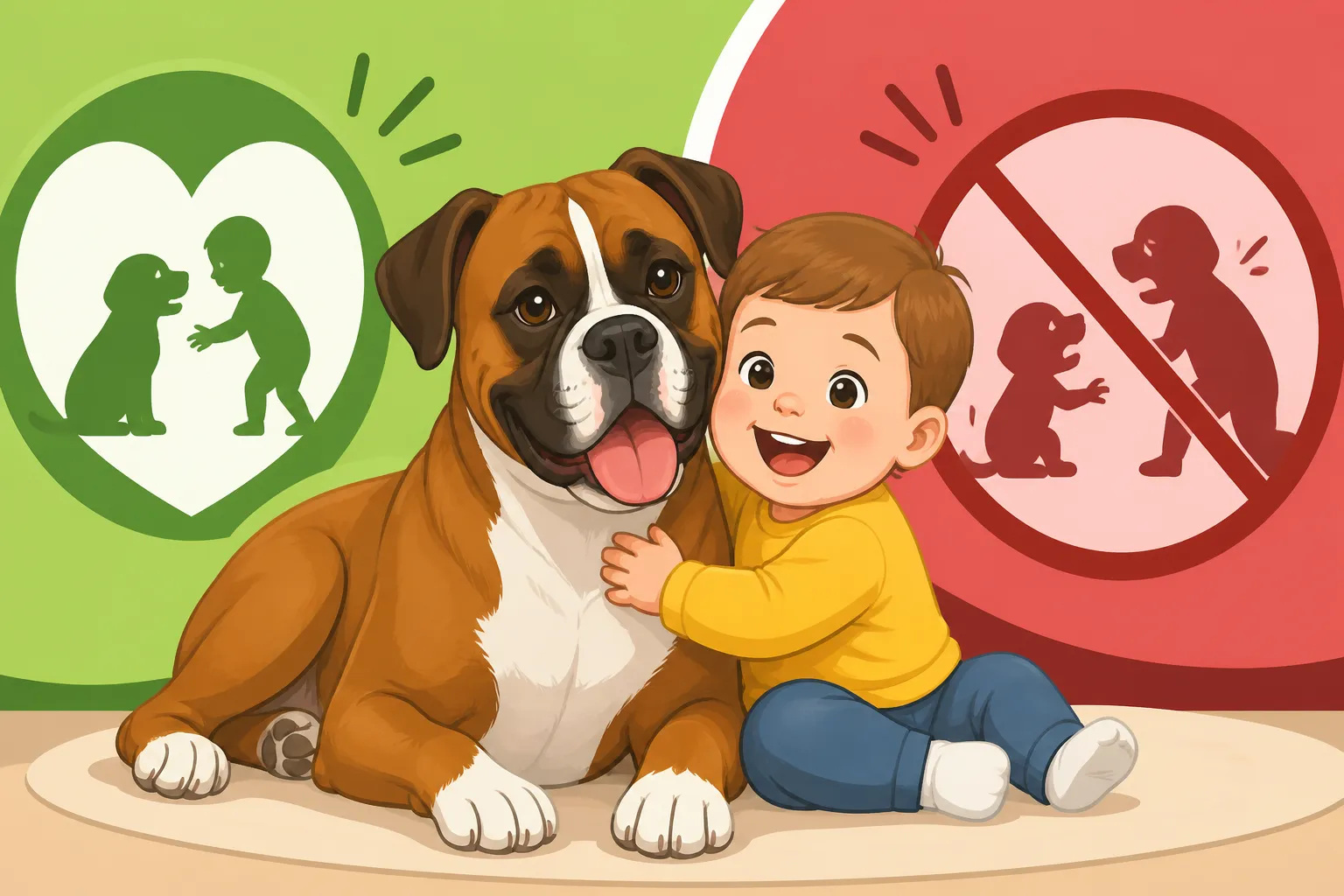
Boxers are famously known for their playful, clownish, and loyal personalities. They are often described as "nanny dogs" due to their deep affection for their human families, especially children. However, their sheer size, strength, and boundless energy mean that while their intentions are almost always good, accidental injury is a very real concern when toddlers are involved. It's crucial to understand these inherent traits to manage them effectively.
The Energetic, Playful Giant
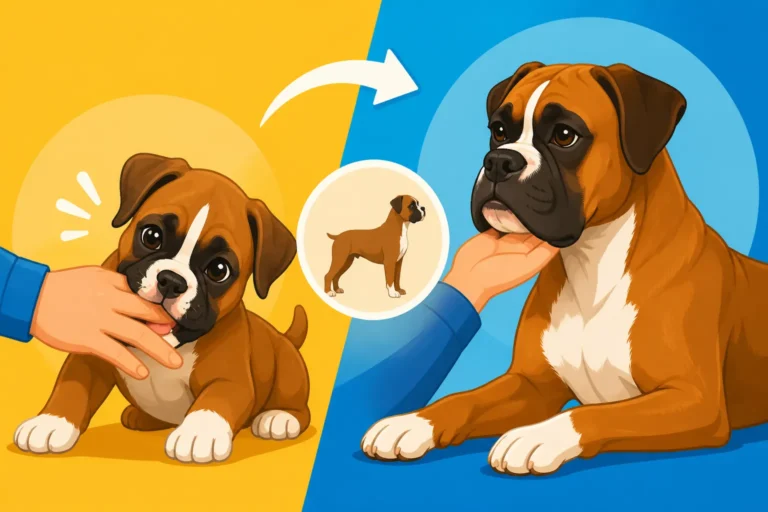
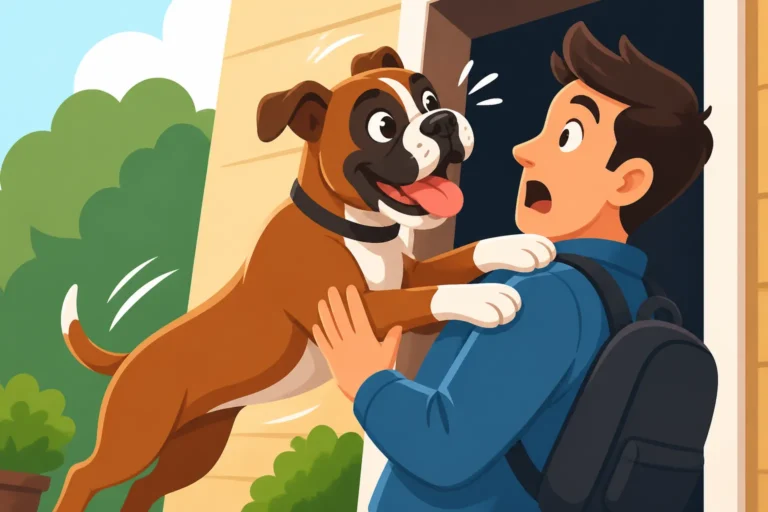
Let's be real: a Boxer is essentially a perpetually happy, seventy-pound puppy, often acting like one until they're three years old or even older. Why a Boxer Acts Like a Puppy Until Three Their enthusiasm for life is infectious, but it also means they tend to greet you with a full-body wiggle and a jump, or "box" with their front paws during play. What's a harmless game with an adult can quickly become a dangerous collision with a tiny human just learning to stand or walk. Their wagging tail, while a sign of joy, can sweep toys and even children off their feet. They don't mean any harm, but their physical presence is significant.
Imagine a typical afternoon: your toddler is toddling along, perhaps holding a beloved toy. Your Boxer, seeing the toy or simply excited to be near their little human, might bound over, nose-bumping, nudging, or even trying to "play bow," sending the toddler sprawling. It's not aggression; it's just pure, unadulterated Boxer exuberance that hasn't been properly channeled. This is where the biggest challenge lies: managing their high spirits without crushing their joyful nature. It requires consistent training and a deep understanding of their energy levels. Boxer Puppyhood That Lasts Three Years
Natural Protective Instincts
Boxers are guardians by nature, and they instinctively bond deeply with their family members. This protective instinct, while wonderful in many ways, can sometimes be misunderstood or misdirected, especially if a Boxer feels their small human is being threatened, even playfully, by an outsider. They might step in between a child and a perceived "threat" (like a boisterous friend of your child, or even a well-meaning relative who is being a bit too loud), leading to a tense situation.
This isn't to say your Boxer will become aggressive; rather, their strong loyalty means they will always want to be part of the family action and may intervene if they perceive roughhousing. It’s important to teach both your Boxer and your child appropriate boundaries and interactions, and to recognize the signs of stress or discomfort in your dog. A low growl or a stiff body might be your Boxer's way of saying they're uncomfortable with an interaction, and it's essential to respect those signals to prevent escalation.
Preparing Your Boxer for Life With a Toddler
Integrating a Boxer and a toddler successfully is less about luck and more about proactive preparation. It starts long before your toddler is mobile, or even before your baby arrives. The groundwork you lay will determine how smoothly this relationship blossoms.
Early Socialization and Training
The single most important thing you can do is expose your Boxer to a wide variety of people, sounds, and experiences from a young age. This includes children of all ages, if possible and done safely. A well-socialized Boxer is less likely to be fearful or overly excited by the unpredictable movements and high-pitched sounds that toddlers often make. Socializing a Boxer Puppy Before Sixteen Weeks Take your puppy to puppy classes, arrange supervised playdates with calm, child-friendly dogs, and ensure they meet respectful children.
Formal obedience training is non-negotiable. Your Boxer needs to know and consistently obey commands like "sit," "stay," "down," "off," and "leave it." These aren't just parlor tricks; they are crucial safety cues. "Off" is vital for stopping jumping, Stopping a Seventy-Pound Boxer From Jumping and "leave it" can prevent them from snatching a dropped toy or food from a child. A reliable recall is also paramount, especially if you ever need to quickly redirect your dog away from a situation. Consistent positive reinforcement training methods are best, as Boxers respond well to praise and rewards, often shutting down if you get too loud or harsh. Why a Boxer Shuts Down When You Get Loud Online training programs, like those offered by BAXTER & Bella, can provide structured lessons that you can follow at home, tailored to your schedule, which is incredibly helpful when managing a busy household.
Establishing Boundaries and "Safe Zones"
Before a toddler is in the picture, teach your Boxer clear boundaries. This includes not jumping on furniture, not rushing the door when guests arrive, and understanding that certain areas are "off-limits." Once a toddler is mobile, this becomes even more important. A baby gate can be your best friend, creating physical barriers that allow your Boxer to see and hear what's happening but prevent accidental interactions. You can find a wide range of durable gates on Amazon that can be strategically placed around the house.
Consider establishing a designated "safe zone" for your Boxer, such as their crate or a specific bed, where they can retreat for peace and quiet away from the hustle and bustle of a toddler. This is their sanctuary, and everyone in the family, especially older children, must respect it. Teach your Boxer to go to their mat or crate on command and reward them for staying there calmly, even when chaos ensues around them. This helps them learn self-control and provides a much-needed mental break.
Managing Interactions: Supervision and Training are Key
Even the best-behaved Boxer and the most well-meaning toddler need constant, active supervision. You can't just cross your fingers and hope for the best. Safety is an ongoing commitment.
Constant, Active Supervision
This cannot be stressed enough: never leave a Boxer and a toddler unsupervised, not even for a second. Even if your Boxer is gentle and your child is well-behaved, accidents happen. A sudden loud noise, a dropped toy, or a clumsy movement from either party can lead to an unintended consequence. Always have an adult present whose sole focus is on the interactions between the dog and the child.
Think of it like this: your Boxer sees the world differently than you do. A toddler's squeal might sound like an invitation to play, or a quick grab at their tail could feel like a threat. Without an adult there to interpret and redirect, either could react in an unexpected way. This active supervision means being ready to intervene, praise appropriate behavior, or separate them if necessary. For instance, if your Boxer starts to get too excited, a calm "place" command can move them to their safe zone.
Teaching Both Child and Dog Appropriate Behavior
This is a two-way street. Your Boxer needs to learn how to be gentle and respectful around a small child, and your child needs to learn how to treat the dog.
For your Boxer:
- "Gentle" cue: Practice this by offering treats softly from your hand. Gradually introduce it when interacting with your child, praising your Boxer for soft nudges or licks, never allowing roughhousing.
- No jumping: This is crucial. Every time your Boxer jumps, even in excitement, redirect them or turn your back. Reward them heavily for keeping all four paws on the floor. Teaching a Boxer to Keep Four Feet Down
- Personal space: Teach your Boxer to respect the child's personal space. This might mean having your Boxer on a leash when the toddler is active, allowing you to easily guide them away.
For your toddler:
- Gentle hands: Teach them early that pulling ears, tails, or hitting is not okay. Use the phrase "gentle hands" and guide them to softly pet the Boxer on the body, away from the face.
- Respecting boundaries: Show your child where the Boxer's "safe zone" is and explain that when the dog is there, they need space.
- No disturbing eating or sleeping: This is a golden rule for all dogs. Teach your child never to bother the Boxer when they are eating or sleeping. This is when dogs are most likely to snap if startled.
- No taking toys: Ensure your child understands they shouldn't try to take toys or food directly from the Boxer's mouth or bowl.
Here's a quick reference table for common Boxer-toddler interactions:
| Interaction Scenario | Boxer Behavior | Toddler Behavior | Management Strategy |
|---|---|---|---|
| Greeting Excitedly | Jumping, pawing, full-body wiggle | Squealing, running, unsteady balance | "Off" command, redirect to calm greeting, keep on leash if needed |
| Playing with Toys | Mouthiness, "boxing", chasing | Grabbing, high-pitched squeals, running | Use appropriate chew toys, supervised fetch, teach "drop it", separate play areas |
| Toddler Approaching Boxer | Licking, curiosity, potential for sudden movements | Reaching, clumsy, unaware of boundaries | Always supervise, teach "gentle hands", provide dog with a retreat option |
| Boxer Resting/Eating | Guarding space/resources | Curiosity, might try to touch/take | Absolutely no bothering, use baby gates or physical barriers, designated safe space |
| Loud Noises/Sudden Movements | Startled, excited | Crying, shrieking, fast movements | Calm Boxer with voice, redirect attention, remove either from situation |
Exercise and Mental Stimulation
A tired Boxer is a well-behaved Boxer. These dogs have significant exercise needs, and if they don't get enough physical and mental stimulation, that pent-up energy will manifest as hyperactive behavior, making them even more challenging around a toddler. Aim for at least 60-90 minutes of vigorous exercise daily, split into multiple sessions. Sixty to Ninety Minutes a Day With a Boxer
This could be brisk walks, fetch in a securely fenced yard, or even dog sports. Puzzle toys and training sessions are also excellent for mental stimulation. An under-exercised Boxer is far more likely to jump, mouth, and run through the house, increasing the risk of accidental injury. Remember, Boxers are prone to overheating, so adjust exercise intensity and timing based on weather. Exercising a Boxer Without Overheating It Taking your Boxer for a good run or a long walk before the toddler's active playtime can make a huge difference in their ability to settle down.
Creating a Safe and Harmonious Environment
Beyond training and supervision, setting up your home environment thoughtfully is key to preventing accidents and fostering positive interactions.
Physical Barriers and Secure Spaces
As mentioned, baby gates are invaluable. Use them to block off rooms, create a separate feeding area for your Boxer, or give your dog a quiet retreat. Consider a sturdy playpen for your toddler when you need a moment, ensuring they have a safe, enclosed space where the Boxer cannot accidentally bump them.
Ensure your yard is securely fenced. Boxers are athletic and curious, and you don't want them escaping or chasing after something with your child nearby. For walks, always use a strong leash and harness that gives you maximum control, especially with a seventy-pound dog who might suddenly decide to chase a squirrel. Harnesses That Hold a Pulling Boxer
Managing Resources and Jealousy
Dogs can sometimes become protective of their food, toys, or even their favorite human. With a new baby or a growing toddler, it's essential to manage these resources to prevent any possessive behavior.
- Feeding: Always feed your Boxer in a separate, quiet area where the toddler cannot access their bowl. This prevents any accidental grabbing of food by the child or guarding behavior by the dog.
- Toys: Provide separate toys for your Boxer and your toddler. Store the Boxer's toys when not in use, and teach your child that the dog's toys are not theirs. Likewise, teach your Boxer not to steal the child's toys.
- Attention: Make an effort to give your Boxer attention and affection, even when the toddler demands a lot of your time. Boxers thrive on human companionship, and feeling neglected can lead to behavioral issues. Involve your Boxer in family activities when appropriate and safe, giving them praise and positive reinforcement for calm behavior around the child.
Teaching "Leave It" and "Stay" Effectively
These two commands are your superpowers in a Boxer-toddler household. A strong "leave it" means your Boxer will ignore that dropped cracker, the toddler's special blanket, or even a sudden movement that might otherwise trigger them. Practice this extensively with high-value treats in various environments, gradually increasing distractions.
"Stay" allows you to create distance and momentary pauses, giving you crucial seconds to manage a situation. Whether it's keeping your Boxer on their bed while you change a diaper or having them wait at the door while your child enters first, these commands are foundational for safety. Consistency, patience, and positive reinforcement will make them rock-solid.
Ultimately, a Boxer can be a wonderful, loving companion for a toddler. Their inherent loyalty and playful spirit can make them incredible family dogs. However, their size and energy demand thoughtful, proactive management and unwavering supervision. By investing in early socialization, consistent training, clear boundaries, and constant vigilance, you can absolutely create a safe and joyful home where your Boxer and your toddler can grow up together. Boxers With Children and Other Dogs
Disclaimer
This article is for general informational purposes only and does not constitute professional advice. Laws, prices and regulations vary by location and change over time. Consult a qualified professional for guidance on your specific situation.