Hours a Boxer Can Manage Alone
Many Boxer owners struggle with the guilt and anxiety of leaving their beloved, high-energy companions home alone, often wondering if they're pushing their dog's limits. It's a common frustration, especially with a breed known for its "Velcro dog" tendencies and endless puppy energy. This guide dives deep into understanding a Boxer's capacity for solitude, offering realistic expectations and actionable strategies to ensure your furry friend is comfortable, safe, and happy while you're out.
The Reality of Boxer Companionship Needs
Boxers are famous for being "clowns" and "Velcro dogs" for a reason – they absolutely thrive on human companionship. This isn't just a cute quirk; it's deeply ingrained in their temperament and history. They were bred to work closely with people, to be attentive and engaged. This means that, unlike some more independent breeds, a Boxer often experiences being left alone as a profound absence of their primary social group. It’s not just boredom; it can be genuine stress, especially given The Energy New Boxer Owners Underestimate. Their playful nature and deep bond mean they genuinely miss you when you're gone, making extended periods of isolation particularly challenging for them.
Why Boxers Are So Prone to Separation Issues
Their intense bond with their families makes Boxers incredibly sensitive to being separated. They love deeply and intensely, and when you leave, even for a short while, they don't always understand that you'll be coming back. This isn't a sign of a poorly trained dog; it's a testament to their loyalty and the strength of their attachment. A Boxer who is suffering from separation anxiety isn't being "naughty"; they are genuinely distressed. Understanding this emotional component is the first step in addressing the issue effectively. It's why leaving them for extended periods without proper preparation or enrichment can lead to destructive behaviors, incessant barking, or even self-harm, all stemming from anxiety. This inherent need for closeness also impacts factors like whether a Boxer might be suitable for apartment living, especially if Whether a Boxer Suits a Quiet Household is a concern.
The Impact of Under-Stimulation
Beyond the emotional need for companionship, Boxers are also incredibly intelligent and physically energetic. They need a significant amount of mental and physical stimulation throughout the day. When left alone for too long without appropriate outlets for this energy, they don't just get bored; they get creative. And a creative Boxer can often mean a destructive Boxer. Chewing on furniture, digging at carpets, or counter-surfing aren't necessarily acts of defiance, but often desperate attempts to relieve pent-up energy, anxiety, or simply to occupy their active minds. This is where owners often find themselves replacing doorframes or furniture, not because their Boxer is bad, but because their needs aren't being fully met. Why a Boxer Wrecks Things When Under-Exercised delves deeper into this issue, highlighting the direct correlation between insufficient activity and behavioral problems.
Age-Appropriate Alone Time: Puppies vs. Adults
The amount of time a Boxer can comfortably and safely be left alone varies significantly based on their age, training, and individual temperament. What’s acceptable for a mature, well-adjusted adult Boxer is absolutely not okay for a young puppy. Realistic expectations are key here to prevent both behavioral problems and emotional distress for your dog, setting them up for success from day one.
Boxer Puppy Limits
Boxer puppies, especially those under six months old, have extremely limited bladders and even shorter attention spans. They are still learning about the world, developing house-training skills, and building confidence. Leaving a young Boxer puppy alone for more than a couple of hours at most is pushing it. For a tiny eight-week-old, even two hours can feel like an eternity, leading to accidents and potential distress. Their bladders are simply not developed enough to hold it longer, and their need for social interaction and reassurance is paramount during these formative months.
| Age of Boxer Puppy | Maximum Recommended Alone Time (approx.) |
|---|---|
| 8-10 Weeks | 1-2 hours |
| 10-12 Weeks | 2-3 hours |
| 3-4 Months | 3-4 hours |
| 4-6 Months | 4-5 hours |
| 6+ Months | 5-6 hours (with good training & relief) |
These are general guidelines, and your puppy might have different needs. It's always better to err on the side of caution. Frequent potty breaks are crucial. Neglecting these early needs can set back house-training efforts and foster anxiety. Remember, your Boxer is still very much in The Boxer Puppyhood That Lasts Three Years, even when they start to look like a grown-up, meaning their maturity takes longer than many other breeds.
Adult Boxer Capabilities
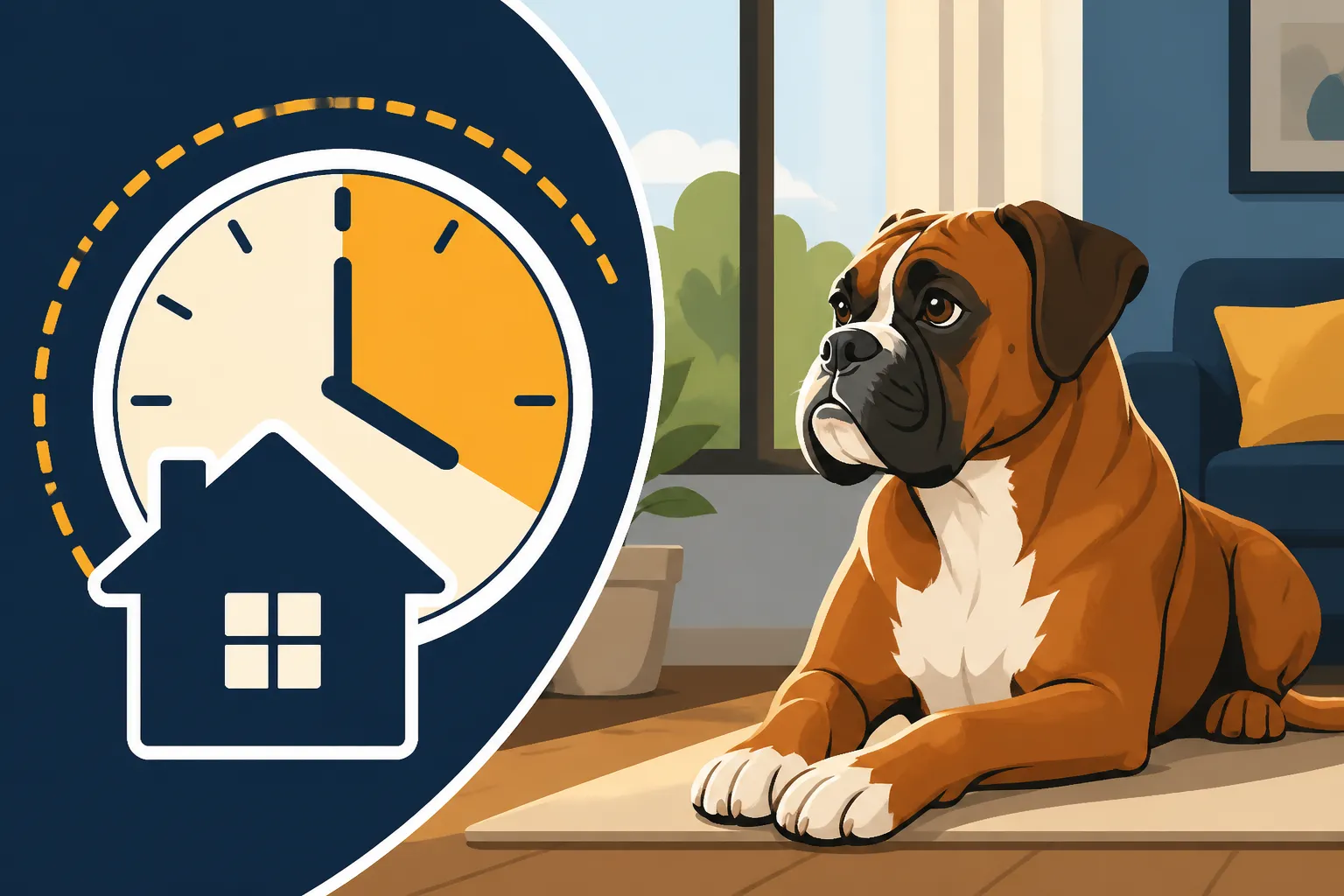
A fully grown, well-trained, and adequately exercised adult Boxer (typically over 18 months to 2 years old) can generally handle being left alone for 4-6 hours. Some highly independent Boxers, with ample preparation and enrichment, might stretch to 7-8 hours on rare occasions, but this should not be a daily occurrence. The key phrase here is "adequately exercised." A Boxer who has had a vigorous walk, a solid play session, or mental stimulation before you leave is far more likely to settle down and nap than one who is bursting with energy. Ignoring Boxer Exercise Needs and the Heat That Limits Them will inevitably lead to a restless dog when left alone, increasing the chances of problem behaviors.
Even for adults, long stretches alone without a break can be detrimental. It can lead to boredom, anxiety, and the development of undesirable behaviors. Think about it from their perspective: spending more than half your waking hours by yourself isn't ideal for a social creature. For owners who work full-time, a midday dog walker or a trusted friend/neighbor to provide a potty break and some interaction is often a necessity, not a luxury. This not only helps with bladder control but also breaks up the monotony of the day, ensuring their mental and physical needs are being met.
Strategies to Help Your Boxer Cope When You're Away
Leaving your Boxer alone doesn't have to be a source of constant worry or guilt. With thoughtful preparation, consistent training, and the right tools, you can help your Boxer develop the confidence and independence needed to handle your absence gracefully. It's about creating a predictable routine and a safe, enriching environment that minimizes stress and maximizes comfort during their alone time.
Crate Training and Safe Spaces
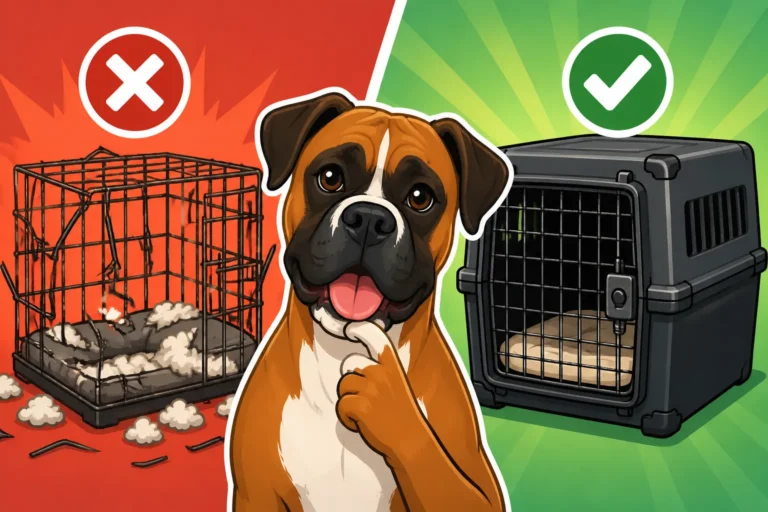
A well-introduced crate can be an invaluable tool for a Boxer who struggles with alone time. It provides a secure, den-like space where they can feel safe and contained, preventing destructive behaviors that stem from anxiety or boredom. The crate should never be used as punishment, but rather as a positive place they willingly go. Start with short periods and gradually increase the time, always associating it with treats and comfort. Think about Choosing a Crate a Boxer Cannot Wreck — Boxers are strong, so a sturdy, appropriate-sized crate is essential for both safety and effectiveness. Why a Boxer Needs a Crate More Than Most is often due to their powerful chewing and desire to be near their people, which a secure crate can manage. The goal is a controlled environment where they feel secure and can't get into trouble.
Beyond the physical space, consider how you leave. Creating a "leaving routine" can signal to your Boxer that you'll be back. This might involve giving them a special long-lasting treat (like a Kong stuffed with peanut butter or a chew toy they only get when you leave), playing calming music, or simply not making a big fuss when you depart or return. This predictability helps reduce their anxiety by setting clear expectations.
Enrichment and Mental Stimulation
Boxers need more than just physical exercise; their intelligent minds require challenges. Providing mental stimulation before you leave, and while you're gone, can make a huge difference in how well they cope with solitude. A tired mind is often a calm mind, making them more likely to rest rather than pace or get into mischief.
- Interactive Toys and Puzzles: These are fantastic for keeping a Boxer's mind engaged. Look for puzzle feeders that dispense kibble slowly or require manipulation to get treats. Brands like Kong and Nina Ottosson make great options. You can easily find these on Amazon. Stuff a Kong with their meal or a delicious paste and freeze it overnight for a long-lasting challenge. This directly relates to Puzzle Feeders That Hold a Boxer's Attention.
- Chew Toys: High-quality, durable chew toys are essential. Boxers are strong chewers, so choose toys appropriate for their size and chewing power, readily available on Amazon. This satisfies their natural urge to chew, redirects it from your furniture, and can relieve stress, giving them an appropriate outlet for their oral fixation.
- Background Noise: Leaving a TV or radio on can provide comforting background noise, masking outside sounds that might trigger barking or anxiety. Calming dog-specific music or talk radio can be particularly effective, creating a more home-like atmosphere.
- Scent Work: Hide treats around their safe space for them to "hunt" while you're gone. This taps into their natural foraging instincts and provides mental exercise, making their alone time a productive activity.
Remember, the goal is to tire them out both physically and mentally before you leave. A Boxer with a full belly, an empty bladder, and a tired mind is much more likely to settle down for a nap, rather than getting into trouble.
Professional Support and Alternative Care
Sometimes, despite our best efforts, a Boxer simply cannot manage long hours alone. This isn't a failure on your part, but a sign that your dog needs more support. Recognizing when your limits are met and seeking additional help is a responsible and caring choice for your Boxer's well-being.
- Dog Walkers/Pet Sitters: For those working long hours, a professional dog walker who can visit midday is often a lifesaver. They can provide a potty break, some exercise, and a much-needed dose of human interaction. A pet sitter can also come to your home, offering personalized care and ensuring your Boxer's routine isn't completely disrupted.
- Doggy Daycare: For Boxers with high energy and a social disposition, doggy daycare can be an excellent solution. It offers supervision, play with other dogs, and constant mental and physical stimulation, ensuring they come home tired and happy. Research facilities carefully, making sure they understand Boxer play styles and brachycephalic needs (like watching for overheating). Daycare Prices for a Boxer With Energy to Burn might seem steep, but the peace of mind and the benefit to your dog's well-being can be priceless. It also directly addresses Whether Daycare Helps a Bored Boxer by providing structured engagement.
- Professional Trainers/Behaviorists: If your Boxer exhibits severe separation anxiety (excessive barking, destructive behavior, self-harm, or frantic attempts to escape), it's crucial to seek professional help. A certified professional dog trainer or veterinary behaviorist can help diagnose the root cause and develop a tailored modification plan. Online programs like BAXTER & Bella offer structured training modules that can be a great starting point for establishing good habits and addressing behavioral challenges, including those related to alone time, with guided support. They often cover everything from basic obedience to more complex behavioral issues, providing a step-by-step approach that can be invaluable. Considering Boxer Training Class and Trainer Costs or whether Group Class Against Private Work for a Boxer is a better fit for your specific situation can make all the difference.
Recognizing and Addressing Separation Distress
It's easy to dismiss a Boxer's destructive behavior as "acting out," but more often than not, it's a cry for help. Understanding the subtle and overt signs of separation distress is crucial for any Boxer owner. Ignoring these signals can lead to escalating problems and a deeply unhappy dog, making their alone time an incredibly stressful experience.
Signs Your Boxer Is Struggling Alone
The indications that your Boxer is not coping well with alone time can range from mild annoyance to severe panic. It's important to differentiate between mild boredom and genuine anxiety, as the approach to addressing each will be different. Catching these signs early can prevent more serious behavioral issues from developing.
- Excessive Barking or Howling: If neighbors complain, or you notice excessive noise on a pet camera, this is a clear sign. It’s often an attempt to call for companionship. This can be a real problem, especially if Whether a Boxer Is Too Loud for a Shared Wall is a concern for your living situation.
- Destructive Chewing: While some chewing is normal for Boxers, especially puppies, destroying door frames, furniture, or tearing up bedding when left alone is often a symptom of anxiety, not just boredom. This is different from a Boxer simply enjoying a chew toy. A Boxer That Chews Doorframes When Left is likely trying to cope with intense stress.
- Inappropriate Urination or Defecation: If your house-trained Boxer has accidents only when left alone, it's often a sign of stress, not a lack of training or a full bladder (assuming they've had recent outdoor access). This is a physiological response to high anxiety.
- Pacing or Panting: Visible signs of restlessness, even when observed through a pet camera, indicate agitation. Excessive panting, even when the temperature is normal, can be a physiological response to stress, similar to how humans might hyperventilate during a panic attack.
- Escape Attempts: Damage to crates, windows, or doors from frantic attempts to get out are very serious signs of panic. This can result in injury to your dog and significant damage to your home, signaling extreme distress.
- Self-Mutilation: Licking or chewing at paws or other body parts to the point of irritation or injury is a serious indicator of extreme anxiety. This self-soothing behavior can lead to hot spots or infections, requiring veterinary attention.
If you suspect your Boxer is exhibiting these behaviors, it's time to re-evaluate their alone time routine and seek guidance to help them feel more secure.
Building Positive Associations and Gradual Independence
The goal is to teach your Boxer that alone time is safe and even rewarding, rather than something to fear. This takes time, patience, and consistency. BAXTER & Bella's online puppy prep school is an excellent resource for new owners looking to build a foundation of independence from day one, offering guidance on crate training and creating positive associations with alone time, teaching them that your departures aren't a big deal.
- Gradual Departures: Start by leaving for very short periods – literally seconds – and returning before your Boxer shows any signs of distress. Gradually increase the duration. This might mean starting with simply stepping out of sight in another room, then out the front door for a minute, then two, and so on. Never make a big deal about leaving or returning, as this can inadvertently heighten their anxiety.
- Desensitization to Cues: Boxers are smart and pick up on pre-departure cues (grabbing keys, putting on shoes, picking up your bag). Practice these actions without actually leaving. This helps desensitize them, so these actions don't automatically trigger anxiety, allowing them to relax even when they see you getting ready to go.
- Reward Calmness: When you return, don't rush to greet an excited Boxer. Wait until they are calm, then offer a quiet greeting. This reinforces that calm behavior is what gets your attention, teaching them that a relaxed demeanor is more rewarding than a frantic one.
- Consider Tools: Pet cameras can be invaluable for monitoring your Boxer's behavior while you're gone, allowing you to identify triggers and assess their stress levels without being present. Some even allow for two-way audio interaction, though this should be used cautiously to avoid accidentally reinforcing anxious behaviors. Managing A Boxer Left Alone All Day effectively often requires these kinds of monitoring tools and a structured approach.
Remember, consistency is vital. Every time you leave your Boxer for too long and they experience significant stress, it can undo all your hard work. It's better to arrange for a dog walker or use daycare on days you know you'll be gone for too long, rather than push your Boxer past their comfort zone. It's an investment in their mental well-being and a calmer, happier household for everyone.
Disclaimer
This article is for general informational purposes only and does not constitute professional advice. Laws, prices and regulations vary by location and change over time. Consult a qualified professional for guidance on your specific situation.