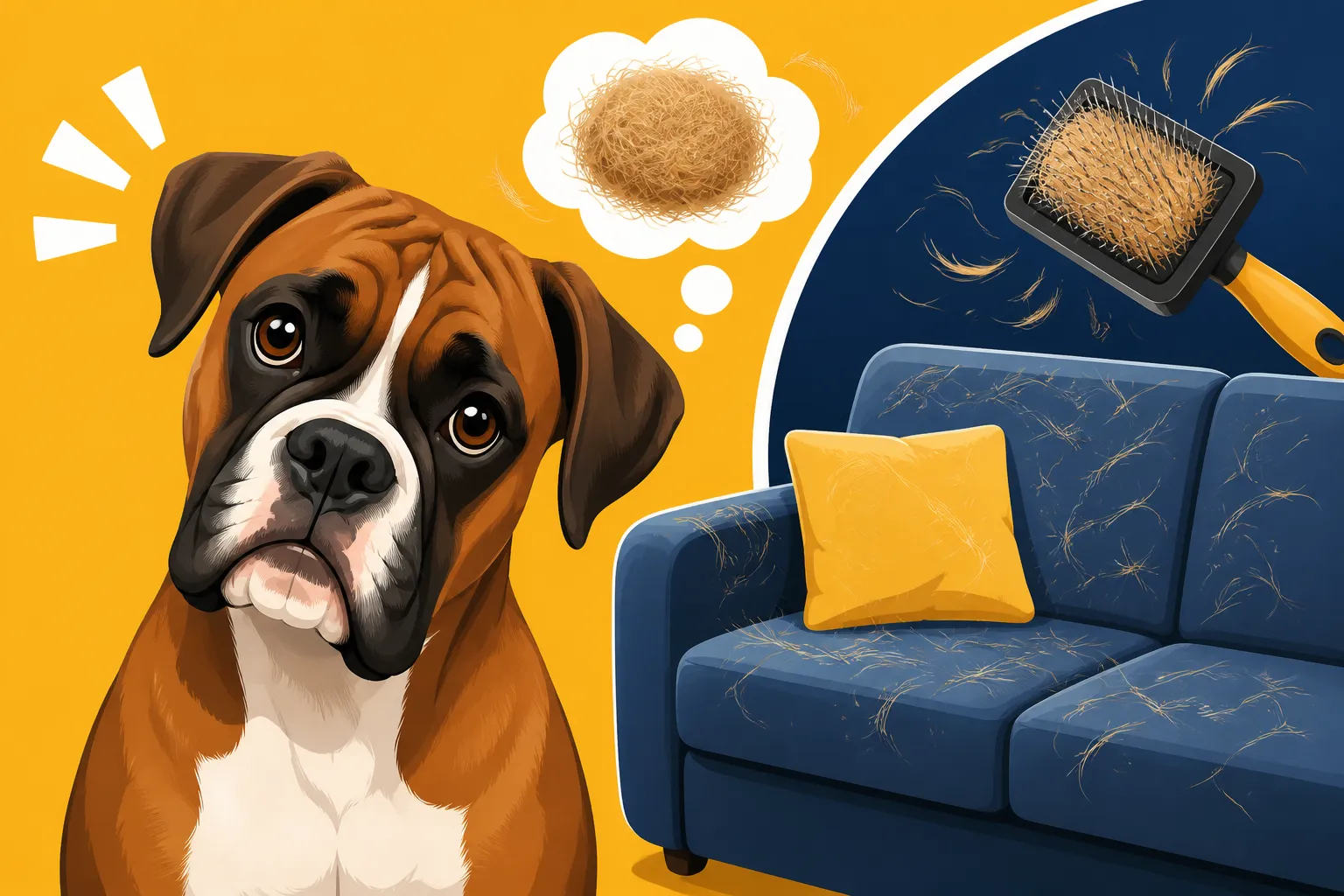
Why a Boxer Sheds More Than It Looks Like It Should
If you're a Boxer owner, you've probably heard it a million times: "Oh, Boxers have such short hair, they must not shed much!" You smile, nod politely, and then go home to lint roll your couch for the third time that day. It's a common misconception that shorter hair equals less shedding, and for Boxer parents, it's a frustration that hits home every single day. This guide is here to shed some light (pun intended!) on why your beloved Boxer seems to leave a trail of hair everywhere, and what you can actually do about it, beyond just investing in more sticky rollers.
The Paradox of the Short Coat: Why Boxers Shed So Much
It's truly a head-scratcher for many. How can a dog with such sleek, seemingly low-maintenance fur produce so much shedding? You might envision massive clumps coming off a fluffy Husky, but your Boxer's short, stiff hairs seem to get everywhere – embedded in fabric, floating in the air, and magically clinging to your black pants moments before you walk out the door. This isn't just in your head; there's a real reason behind this short-haired shedding phenomenon.
Dispelling the Myth: Short Hair Doesn't Mean No Shedding
The biggest myth we need to bust right away is that short-haired dogs don't shed. Oh, if only that were true! While Boxers don't have long, flowing coats that collect into giant tumbleweeds quite as dramatically as some double-coated breeds, they absolutely shed. The difference is often in the type of hair and where it ends up. Those short, individual hairs are incredibly adept at weaving themselves into upholstery, carpet fibers, and clothing. They're like tiny, persistent needles, and because they're less noticeable individually than a long hair, you might not spot them until your entire living room has a fine coating. It’s not about the length; it’s about the constant cycle of hair growth and replacement.
Think about it this way: every single hair on your Boxer's body has a lifespan. When that lifespan ends, the hair falls out to make way for a new one. This is a continuous process. A Boxer's coat is dense, meaning there are a lot of hairs packed into a small area. So, even if each hair is short, the sheer volume of hairs going through this cycle simultaneously can lead to a significant amount of shedding. It's like having a dense forest of tiny trees; when many tiny trees lose their leaves, it still adds up to a big pile, even if each leaf is small.
The Double-Edged Sword of Density: How Boxer Coats Are Built
A Boxer's coat is a thing of beauty: short, smooth, close-lying, and often quite shiny when healthy. This dense, single coat is designed for protection without being cumbersome. It helps protect them from minor scrapes and provides some insulation, though they are certainly not built for extreme cold. However, this density is also a major contributor to their shedding. Each hair follicle is doing its job, producing a hair that grows to a certain length and then eventually falls out.
Because the hairs are so short and stiff, they don't always get trapped by other hairs in the coat as easily as longer, softer hairs might. Instead, they dislodge and become airborne or fall directly onto surfaces. This is why you might see a fine "dust" of Boxer hair on your floor or furniture, rather than large clumps. It's also why these hairs are so difficult to remove from certain fabrics, digging in deep and defying a quick brush-off. The structure of their coat, while practical for a high-energy dog, is unfortunately also perfectly designed to distribute their shedding throughout your home.
Seasonal Shedding: A Natural Cycle Many Owners Overlook
While Boxers are often considered year-round shedder, many owners don't realize they still go through more pronounced seasonal shedding periods, much like their longer-haired cousins. It might not be as dramatic as a winter coat "blowing out," but it's there. You'll often notice an increase in shedding during spring as they prepare for warmer weather, and again in the fall as their coat adjusts for the colder months.
During these transition times, your Boxer's body is naturally replacing its coat to better suit the ambient temperature. In spring, they're shedding the slightly thicker undercoat (even if it's very subtle in Boxers) they might have developed for winter. In fall, they're making way for new hairs that will offer better protection against the cold. While it may not result in huge piles of fur, the constant daily shedding will likely intensify during these periods, making those regular vacuuming and grooming routines even more critical. The Share of Boxer Deaths That Are Cancer is often a concern, but healthy shedding is a normal part of your dog's biology.
Factors That Influence Your Boxer's Shedding
It's not just genetics at play; a whole host of environmental and internal factors can either exacerbate or mitigate your Boxer's shedding. Understanding these can help you pinpoint if there's something specific making your dog's hair loss worse than "normal," or if you're just dealing with a perfectly healthy, albeit prolific, shedder.
Diet and Nutrition: Fueling a Healthy Coat (or a Shedding Frenzy)
What you feed your Boxer plays a monumental role in the health of their skin and coat. A diet lacking in essential nutrients, particularly quality protein and healthy fats, can directly lead to a dull, dry coat and excessive shedding. Think of it like this: hair is primarily made of protein. If your dog isn't getting enough high-quality protein, their body struggles to produce strong, healthy hair, leading to weaker strands that break and fall out more easily.
Similarly, essential fatty acids, especially Omega-3 and Omega-6, are crucial for skin health and a shiny coat. These fats help keep the skin moisturized and reduce inflammation, which in turn supports healthy hair follicles. If your Boxer's diet is deficient in these, you might notice their coat looking lackluster, feeling dry, and shedding more than usual. Poor quality ingredients, fillers, and common allergens in some commercial dog foods can also irritate the skin, causing itching and further hair loss. Many Boxer owners are opting for more fresh, human-grade food options from brands like Ollie, or seeking out higher quality kibble from reputable pet suppliers like Chewy, to ensure their dogs are getting the best nutritional foundation. Protein and Fat for a Muscular Boxer are key for overall health, not just coat quality.
Health Conditions: When Shedding Signals Something More
While some shedding is completely normal, a sudden, excessive, or patchy hair loss can be a red flag for underlying health issues. It's easy to dismiss increased shedding as "just a Boxer thing," but paying attention to changes in pattern or accompanying symptoms is crucial.
Conditions that can cause increased shedding or hair loss include:
- Allergies: Environmental, food, or flea allergies can cause intense itching, leading your Boxer to scratch, lick, and chew their fur, resulting in hair loss and skin irritation. You might notice redness, scabs, or hot spots.
- Parasites: Fleas, mites (like those causing mange), and even some internal parasites can lead to skin irritation and subsequent hair loss. Regular flea and tick prevention is vital.
- Hormonal Imbalances: Conditions like hypothyroidism (underactive thyroid) or Cushing's disease can manifest as dull coats, thinning hair, or symmetrical hair loss. You might also notice other symptoms like weight changes, lethargy, or increased thirst. Weight Gain and Coat Loss in a Boxer is a classic sign of thyroid issues.
- Skin Infections: Bacterial or fungal infections can cause itchy, inflamed skin and hair loss in affected areas.
- Stress or Anxiety: Just like humans, dogs can shed more when stressed or anxious. A change in routine, a new pet, or even loud noises can trigger stress shedding.
- Nutritional Deficiencies: As mentioned earlier, a lack of certain vitamins or minerals can directly impact coat health.
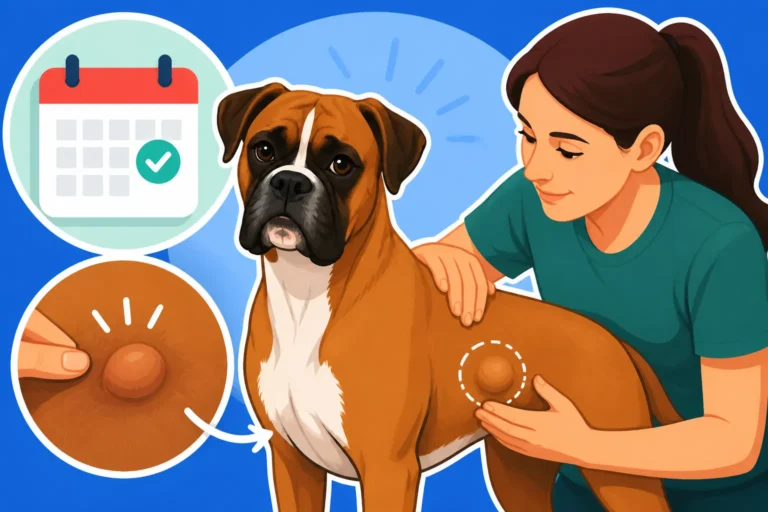
If you observe any changes in your Boxer's shedding that seem out of the ordinary, or if it's accompanied by itching, redness, lethargy, or other symptoms, it's always best to consult your veterinarian. The Weekly Skin Check Every Boxer Needs can help you spot these issues early.
Stress and Environment: Unseen Contributors to Hair Loss
Beyond diet and direct health conditions, your Boxer's everyday environment and stress levels can significantly impact how much they shed. These factors are often overlooked but can be major players in the amount of hair you find around your home.
Firstly, stress and anxiety are huge shedding triggers. A Boxer experiencing chronic stress, perhaps due to separation anxiety, a new baby, moving to a new home, or even just general overstimulation, might shed more profusely. When a dog is stressed, their body releases hormones that can accelerate the hair follicle's cycle, pushing more hairs into the shedding phase. This isn't just a physical response; it's an emotional one, too. If your Boxer is constantly panting, pacing, or exhibiting destructive behaviors when left alone, their increased shedding could be a symptom of underlying anxiety. A Boxer That Chews Doorframes When Left or A Boxer That Screams in the Crate might be experiencing stress-related shedding.
Secondly, environmental factors like humidity, temperature fluctuations, and even exposure to sunlight can play a role. While Boxers are generally house dogs, if they spend time outdoors, their coat might respond to changes in light and temperature, which can trigger seasonal shedding. A dry indoor environment, especially during winter with heating systems running, can also dry out your Boxer's skin and coat, making hair more brittle and prone to breakage and shedding. Ensuring a comfortable, stable environment and addressing any sources of stress can sometimes make a noticeable difference in the amount of hair your Boxer leaves behind.
Managing the Boxer Hair Tumbleweeds: Practical Strategies
Okay, so we know Boxers shed, and why. The next natural question is: what can we do about it? While you'll never completely stop a Boxer from shedding – it's a natural process, after all – there are certainly steps you can take to minimize the impact on your home and keep your dog's coat as healthy as possible.
Grooming Essentials: Brushes That Actually Work
Regular grooming is your absolute best defense against Boxer hair taking over your life. The goal is to remove loose hair before it has a chance to fall onto your furniture and floors. Because their hair is short and stiff, not all brushes are created equal for a Boxer's coat.
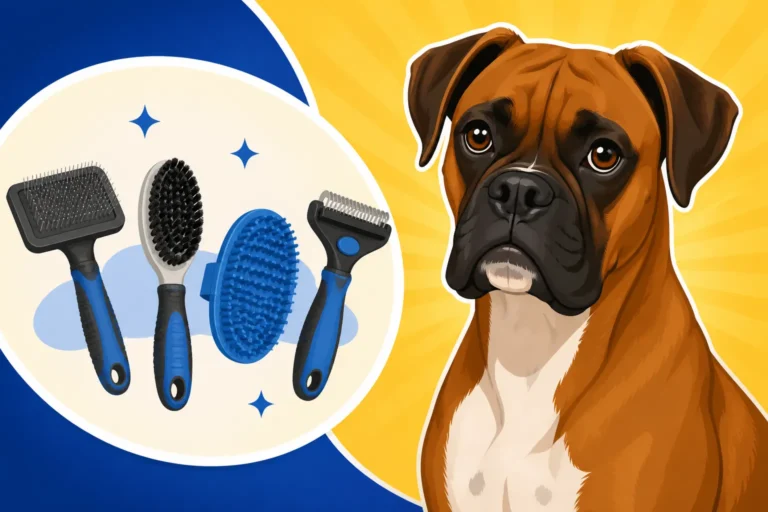
Here are a few types of brushes that typically work well:
- Rubber Curry Brush/Glove: These are fantastic for Boxers. The rubber nubs gently massage the skin, stimulating circulation, and effectively grab loose hair from the short, dense coat. They're also great for bath time, helping to work shampoo through the fur and remove dead hair. Many brands offer these, and they're readily available on platforms like Amazon.
- Shedding Blade/Desehedding Tool: While sometimes associated with longer-haired breeds, a shedding blade with a fine-toothed side can be surprisingly effective on a Boxer. Use it gently, following the direction of hair growth. Brands like Furminator make specific tools for short-haired dogs that can remove a shocking amount of loose undercoat you didn't even know was there.
- Bristle Brush: A firm bristle brush can help distribute natural skin oils, promoting a shiny coat, and can catch some loose hairs, though it might not be as effective for deep shedding as a rubber brush or shedding tool.
Aim for a quick brush session daily, or at least 3-4 times a week. During peak shedding seasons, daily brushing becomes even more critical. It takes just a few minutes, but those few minutes can prevent a significant amount of hair from ending up on your clothes and furniture. The One Brush a Boxer Coat Actually Needs often refers to a rubber curry!
Bathing for Shedding Control: Finding the Right Balance
Bathing can be a powerful tool in your shedding management arsenal, but it needs to be done correctly and not overdone. The right bath can help loosen and remove dead hair, while the wrong approach can strip natural oils, leading to dry skin and more shedding.
Here's how to approach bathing for shedding control:
- Choose the Right Shampoo: Opt for a good quality dog shampoo specifically formulated for shedding control or sensitive skin. Look for ingredients that nourish the skin and coat, like oatmeal, aloe vera, or natural oils. Avoid harsh detergents that can dry out the skin.
- Lather and Massage Thoroughly: Really work the shampoo down to the skin, massaging gently to help loosen dead hairs. A rubber curry brush (like the one you use for dry brushing) can be excellent for this during the bath.
- Rinse, Rinse, Rinse! Ensure you rinse all the shampoo out. Residue can irritate the skin and lead to dryness, itching, and more shedding.
- Condition if Necessary: A good dog conditioner can help moisturize the skin and coat, making it healthier and reducing breakage.
- Dry Thoroughly: Towel dry your Boxer as much as possible, then use a low-heat hairdryer if your dog tolerates it, or allow them to air dry in a warm, draft-free area. Ensure their skin and folds are completely dry to prevent skin issues. Drying a Boxer's Folds After a Bath is important for overall skin health.
Don't over-bathe. Generally, a Boxer needs a bath every 4-6 weeks, or as needed if they get particularly dirty. More frequent bathing can strip natural oils, leading to dry skin and potentially more shedding. During peak shedding times, a slightly more frequent bath might be beneficial, but always watch your dog's skin for any signs of dryness or irritation.
Environmental Management: Keeping Your Home Hair-Free
Even with diligent grooming and bathing, some Boxer hair will inevitably make its way into your home. This is where environmental management comes in. It's about proactive cleaning and creating barriers to hair distribution.
Consider these tips:
- Vacuum Regularly: Invest in a good quality vacuum cleaner designed for pet hair. Look for models with strong suction and specialized attachments for upholstery. Regular vacuuming (daily or every other day) of floors, rugs, and furniture is non-negotiable for a Boxer owner.
- Wash Bedding Frequently: Your Boxer's bed, blankets, and any areas where they sleep collect a significant amount of hair. Washing these items weekly can make a huge difference. Pet beds with removable, washable covers are a lifesaver.
- Protective Covers: Use washable slipcovers on couches and chairs where your Boxer loves to lounge. Dedicated pet blankets can also be thrown over furniture and easily removed for washing.
- Air Purifiers: While they won't stop the hair from falling, air purifiers with HEPA filters can help trap airborne pet dander and hair, improving air quality, especially for allergy sufferers in the household.
- Door Mats: Place absorbent door mats at entryways to help trap some hair and dirt before it spreads throughout the house.
- Lint Rollers and Rubber Gloves: Keep lint rollers handy for quick touch-ups on clothes before heading out. A damp rubber glove or window squeegee can also be surprisingly effective at gathering hair from upholstery and carpets. Just wipe it across the fabric, and the hair will ball up.
Consistency is key here. Integrating these practices into your regular cleaning routine will make the task less daunting and your home much more comfortable.
Dietary Support for a Healthier Coat
We talked about how diet can cause shedding issues, so it stands to reason that diet can also be a powerful tool in reducing excessive shedding and promoting a healthier, shinier coat. Feeding your Boxer the right nutrients is like giving their hair follicles the best possible building blocks.
Essential Fatty Acids: The Omega Powerhouses
Omega-3 and Omega-6 fatty acids are superstars when it comes to skin and coat health. They are anti-inflammatory, help maintain skin barrier function, and contribute to the luster and strength of the hair shaft.
- Omega-3s: Found abundantly in fish oil (like salmon oil or sardine oil) and some plant-based oils (though often less bioavailable for dogs), Omega-3s are crucial. They help reduce inflammation in the skin, which can prevent itching and dryness that lead to shedding. Look for high-quality fish oil supplements specifically formulated for dogs. You can find these at pet stores or online retailers like Chewy or Amazon.
- Omega-6s: While also important, most commercial dog foods already contain sufficient Omega-6s (found in poultry fat, vegetable oils). The key is often balancing the ratio with Omega-3s. Too many Omega-6s without enough Omega-3s can sometimes increase inflammation.
Incorporating a good quality fish oil supplement into your Boxer's daily diet can often result in a noticeable improvement in coat health and a reduction in shedding over several weeks. Always start with a small dose and gradually increase to the recommended amount, as some dogs can have a sensitive stomach when first introducing new supplements. Fish Oil for a Boxer's Skin and Heart offers further insight into these benefits.
Protein Quality: Building Blocks for Strong Hair
Hair is primarily protein, so it makes perfect sense that the quality and quantity of protein in your Boxer's diet directly impacts their coat. If your dog isn't getting enough easily digestible, high-quality protein, their body will prioritize essential functions over luxurious fur, leading to weaker, more brittle hair that sheds easily.
Look for dog foods where the first few ingredients are named meat sources (e.g., "chicken meal," "lamb," "beef"). Avoid foods that rely heavily on plant-based proteins or generic "meat meal" as the primary protein source. Different protein sources can also make a difference. Some Boxers might thrive on a novel protein diet if they have sensitivities to common proteins like chicken or beef, which can manifest as itchy skin and excessive shedding. Brands like Ollie often emphasize high-quality, human-grade protein in their fresh food meals.
If you suspect your Boxer might benefit from a diet change, always transition gradually over 7-10 days to avoid digestive upset. Observe their coat condition, energy levels, and stool quality closely.
Hydration and Water Quality: A Simple But Overlooked Factor
This might seem basic, but adequate hydration is fundamental to overall health, including skin and coat health. A dehydrated dog can have dry, flaky skin and a dull coat that sheds more.
- Fresh Water Daily: Always ensure your Boxer has access to fresh, clean water. Change their water bowl daily and clean it regularly to prevent bacterial growth.
- Multiple Water Sources: If you have a large home or yard, consider having multiple water bowls in different locations to encourage more drinking.
- Hydrating Food: Wet food or fresh food diets often have a higher moisture content than dry kibble, which can contribute to better overall hydration. If your Boxer is on a purely kibble diet, you can try adding a little warm water or low-sodium bone broth to their meals to increase moisture intake.
It's such a simple thing, but ensuring your Boxer is well-hydrated can have a subtle yet significant positive impact on their coat health and reduce excessive dryness-related shedding.
When to Consult the Vet About Shedding
While shedding is a normal part of being a Boxer parent, there are definitely times when excessive hair loss or changes in your dog's coat warrant a trip to the vet. It’s important to distinguish between normal shedding and something potentially more serious.
Beyond Normal: Identifying Problematic Hair Loss
How do you know if your Boxer's shedding is "too much"? Here are some signs that indicate it might be more than just normal coat turnover:
- Patchy Hair Loss or Bald Spots: This is one of the clearest indicators that something is wrong. Normal shedding shouldn't leave bald patches.
- Symmetrical Hair Loss: If you notice hair loss occurring symmetrically on both sides of the body, particularly on the flanks or torso, this can often point to hormonal imbalances like hypothyroidism.
- Skin Changes: Redness, inflammation, rashes, scabs, pimples, or excessive flakiness of the skin accompanying hair loss are definite reasons to see the vet.
- Dull, Brittle Coat: A coat that suddenly becomes dull, dry, and brittle, breaking easily, suggests an underlying issue.
- Constant Itching, Licking, or Chewing: If your Boxer is excessively scratching, licking, or chewing at their coat and skin, it's a sign of discomfort that could be leading to self-induced hair loss or indicating allergies or parasites.
- Odor: An unusual or strong odor emanating from the skin can indicate an infection.
- Changes in Behavior or Appetite: If the increased shedding is accompanied by lethargy, changes in appetite or thirst, weight loss or gain, or other behavioral shifts, it's time for a professional check-up. A Boxer That Thickens and Slows Down with hair loss could be a clue.
Don't ignore these signs, thinking it's just "more Boxer shedding." Your vet is the best person to diagnose and treat any underlying conditions.
Skin Issues and Itching: Red Flags to Watch For
The skin is the largest organ, and its health is intrinsically linked to the coat. Many issues that cause excessive shedding actually start with skin irritation or disease. As a Boxer owner, you already know they can be prone to sensitive skin and allergies.
Keep an eye out for these red flags:
- Persistent Scratching: Occasional scratching is normal, but if your Boxer is constantly scratching, rubbing against furniture, or using their paws to itch their face or body, they're uncomfortable.
- Redness or Inflammation: Part the fur and look at the skin underneath. Any widespread redness, swelling, or warm spots could indicate an allergic reaction, infection, or irritation.
- Hot Spots: These are moist, red, inflamed lesions that appear suddenly and often grow rapidly. They are usually caused by a dog excessively licking or chewing at a particular spot due to pain, itching, or irritation.
- Flakiness or Dandruff: While a little dandruff can be normal, excessive flakiness suggests dry skin, possibly due to diet, environmental factors, or even a skin condition.
- Rashes or Bumps: Any unusual rashes, bumps, or pustules on the skin should be examined by a vet.
Early detection of these issues can prevent them from escalating and causing more severe hair loss or discomfort for your Boxer. Remember, a healthy coat starts with healthy skin.
Diagnostic Steps: What Your Vet Might Investigate
When you bring your Boxer to the vet with concerns about excessive shedding or skin issues, they'll typically start with a thorough physical examination and ask you a series of questions about your dog's history, diet, and symptoms.
Depending on what they find, they might recommend some diagnostic tests:
- Skin Scrapes: To check for mites (like demodex or sarcoptic mange), which are microscopic parasites that burrow into the skin.
- Fungal Cultures: To test for ringworm, a common fungal infection that causes circular patches of hair loss.
- Blood Tests: A complete blood count and chemistry panel can check for systemic illnesses, while specific thyroid panels can diagnose hypothyroidism.
- Allergy Testing: If allergies are suspected, your vet might discuss food elimination trials or environmental allergy testing.
- Biopsy: In some cases, a small sample of skin might be taken for histopathology if other tests are inconclusive or if tumors are suspected. Skin Biopsy Costs on a Boxer can vary.
- Dietary Review: Your vet will almost certainly go over your Boxer's diet in detail to identify any potential nutritional deficiencies or common allergens.
Don't be afraid to voice your concerns and work with your vet to get to the bottom of your Boxer's shedding woes. Sometimes it's a simple fix, but other times, it could be a clue to a more significant health challenge. Caring for a Boxer means being vigilant about these things, ensuring their health and comfort for many happy years.
Disclaimer
This article is for general informational purposes only and does not constitute professional advice. Laws, prices and regulations vary by location and change over time. Consult a qualified professional for guidance on your specific situation.