Caring for a Boxer Past Eight
It's a bittersweet milestone when your Boxer, once a whirlwind of boundless energy and goofy puppy antics, starts to slow down, their muzzle perhaps a little grayer, their stride a touch less bouncy. Seeing our beloved companions enter their senior years can bring a mix of emotions – immense gratitude for the years we’ve shared, coupled with a growing sense of anxiety about their changing needs and potential health challenges. This comprehensive guide is here to walk you through everything you need to know about caring for your Boxer once they hit the age of eight and beyond, ensuring their golden years are as comfortable, happy, and healthy as possible.
Understanding the Aging Boxer
For many Boxer owners, the age of eight feels like a significant turning point. Your dog isn't suddenly "old" overnight, but you'll likely start noticing subtle shifts in their behavior, energy levels, and overall physical condition. These changes are natural, but understanding them is the first step in providing the best possible care during their golden years.
When "Senior" Really Begins for a Boxer
While the general rule of thumb for large breeds is that they enter their senior years around seven, for Boxers, eight years old is often the widely accepted marker. This is a breed known for its youthful exuberance, and many Boxers will retain a puppy-like spirit well into their middle age. However, around eight, their bodies typically start to show the effects of time more markedly. You might observe them sleeping more deeply and for longer durations, no longer greeting you at the door with the same explosive enthusiasm, or perhaps opting for a cozy nap instead of a vigorous game of fetch. It’s not that they’ve lost their joy for life, but their stamina, resilience, and recovery times begin to diminish. This transition isn't just about physical appearance; it involves fundamental changes in their metabolism, immune system function, and joint health. If you've ever wondered What Changes in a Boxer After Seven, you're seeing the very beginning of this new chapter.
Common Health Challenges in Older Boxers
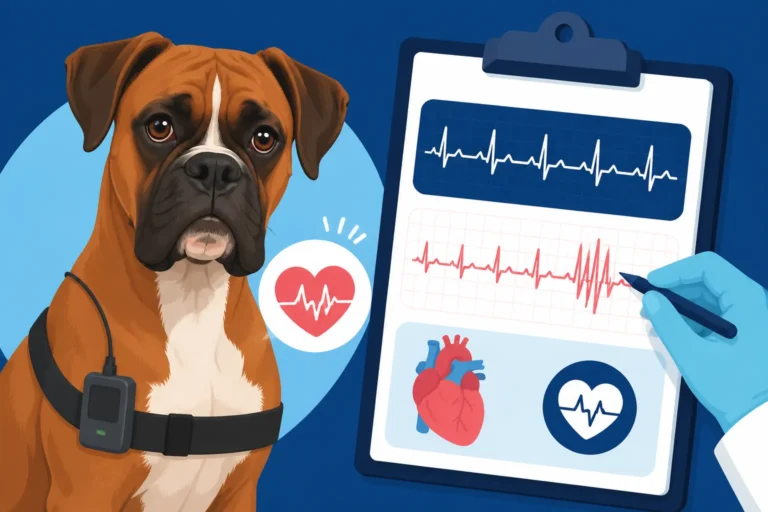
Boxers, unfortunately, are predisposed to a range of health issues, and many of these become more prevalent or severe as they age. Cancer remains a significant concern, making The Age Boxer Cancer Usually Appears a crucial piece of knowledge for every owner. You might find yourself checking The Lumps a Boxer Owner Has to Check For more frequently. Beyond cancer, cardiovascular issues like Boxer cardiomyopathy, also known as ARVC, can progress. Many owners will already be familiar with Boxer Cardiomyopathy and the Holter Monitor from earlier screening, but the disease's management can become more complex in older dogs. Arthritis is almost a given, manifesting as stiffness, reluctance to jump, or limping after activity. Keep an eye out for signs of Arthritis in an Older Boxer. Degenerative myelopathy, a progressive neurological condition, can also become apparent, leading to weakness and incoordination in the hind limbs, which is an incredibly difficult challenge for both dog and owner, something covered in detail in Degenerative Myelopathy in an Older Boxer. Other common conditions include kidney and liver disease, dental problems, and sensory decline.
Mental and Behavioral Shifts
Just like people, older Boxers can experience cognitive changes. What was once a vibrant, intelligent, and sometimes mischievous personality might mellow or even become a bit confused. You might notice them staring blankly at walls, getting "stuck" in corners, or showing altered sleep-wake cycles, sleeping all day and pacing at night. House-training might regress, and they could become more vocal, or conversely, quieter and less interactive. Separation anxiety, which they may have outgrown in their younger years, could resurface as they seek more comfort and reassurance. They might also become less tolerant of change, new people, or other pets, preferring the predictability and comfort of their established routine. It’s important to remember these aren't necessarily signs of naughtiness but rather manifestations of cognitive dysfunction syndrome (CDS), a form of canine dementia. Their emotional needs also change, often requiring more gentle reassurance and a stable, predictable environment.
Proactive Veterinary Care and Health Screenings
One of the most impactful things you can do for your aging Boxer is to establish a strong, proactive partnership with your veterinarian. Regular check-ups and targeted screenings are no longer just good practice; they're absolutely essential for catching age-related issues early, when they are most manageable.
The Importance of Bi-Annual Check-ups
When your Boxer was a pup or a young adult, an annual vet visit might have sufficed. But once they cross that eight-year threshold, a lot can happen in a single year. That's why bi-annual (every six months) check-ups become incredibly important. These more frequent visits allow your vet to closely monitor any subtle changes that might indicate an emerging health problem. For instance, a slight weight loss over six months might not seem like much to you, but to a vet, it could be an early indicator of kidney disease or even a developing cancer. They'll also be meticulously checking for Weekly Lump Checks on a Boxer during these visits, feeling for any new growths or changes to existing ones. The vet will assess their mobility, listen carefully to their heart and lungs, check their teeth for dental disease, and gauge their overall demeanor. Early detection of conditions like Kidney and Liver Values in an Aging Boxer can lead to dietary changes or medications that significantly slow disease progression and improve quality of life.
Essential Diagnostic Screenings for Senior Boxers
Beyond the physical exam, your senior Boxer will benefit from a suite of diagnostic screenings. Comprehensive blood work, including a complete blood count (CBC) and a chemistry panel, provides invaluable insights into organ function, checking those crucial kidney and liver values, and looking for signs of infection or anemia. A urinalysis is equally important, offering clues about kidney function, urinary tract infections, and diabetes. Depending on your Boxer's history and symptoms, your vet might also recommend regular blood pressure checks, thyroid hormone testing, and imaging like X-rays to assess joint health for Boxer Hip Dysplasia and Spondylosis or look for internal masses. For Boxers with a history of ARVC or those developing heart murmurs, regular echocardiograms might be advised in addition to Holter monitoring. These tests aren't cheap, but they are an investment in your Boxer's extended well-being, providing a baseline and helping pinpoint problems before they become crises.
Managing Chronic Conditions
Unfortunately, chronic conditions are often a part of aging. For many Boxers, this means managing arthritis with anti-inflammatory medications, joint supplements, and possibly even therapeutic laser treatments or acupuncture. For those with heart conditions, a regimen of cardiac medications like pimobendan or sotalol might become a daily necessity. Boxers with kidney disease will often require special prescription diets and fluid therapy, while those with cognitive dysfunction might benefit from medications that improve brain function and antioxidants. The key here is consistent management and open communication with your vet. Don't hesitate to ask questions about potential side effects, how to administer medication, or what to expect in terms of progression. Sometimes, small adjustments to medication dosages or routines can make a significant difference in your Boxer's comfort and happiness.
Nutritional Adjustments for the Golden Years
Just as our own dietary needs change as we age, so too do those of our Boxers. What fueled their youthful energy might not be ideal for their senior metabolism. Getting their nutrition right can have a profound impact on their energy levels, weight, and overall health.
Tailoring Diet to Changing Metabolism
As Boxers age, their metabolism typically slows down, and their activity levels naturally decrease. This means they generally require fewer calories to maintain a healthy weight. Continuing to feed them the same amount of food they ate as a five-year-old can quickly lead to unwanted weight gain, which places extra stress on their joints and heart, a concern if you're managing Why Extra Weight Hurts a Boxer's Heart. Obesity can also exacerbate conditions like diabetes and arthritis. Many commercial senior dog foods are formulated with fewer calories, lower fat, and sometimes higher fiber to help manage weight. It's crucial to regularly assess your Boxer's body condition score – you should be able to easily feel their ribs without seeing them protruding, and they should have a discernible waist when viewed from above. Don't be afraid to adjust portion sizes or switch to a senior-specific formula designed to support their aging bodies, or even consider Feeding an Old Boxer Less.
Addressing Digestive Sensitivities
An older Boxer's digestive system can become more sensitive. They might develop new intolerances to ingredients they once ate without issue, or existing sensitivities could worsen. This can manifest as increased gas, loose stools, or vomiting. Look for senior diets that contain easily digestible proteins and carbohydrates, and consider formulations with added prebiotics and probiotics to support gut health. If your Boxer experiences frequent digestive upset, a novel protein diet might be worth discussing with your vet to rule out food allergies. Sometimes, simply splitting their daily food intake into smaller, more frequent meals can ease the burden on their digestive system and help prevent bloat, which Boxers are prone to due to their deep chests, a concern often brought up when considering Whether Preventive Bloat Surgery Suits a Boxer. Always transition to a new food gradually over 7-10 days to avoid further upsetting their stomach.
Hydration and Supplementation
Water intake is critically important for senior Boxers, especially as kidney function can decline. Ensure they always have access to fresh, clean water, and consider adding a little low-sodium chicken broth to their meals or using a water fountain to encourage drinking. For joint health, supplements like glucosamine, chondroitin, and omega-3 fatty acids (fish oil) can be incredibly beneficial. These help maintain cartilage, reduce inflammation, and support overall joint function, which is particularly relevant if your Boxer is dealing with Arthritis in an Older Boxer. Antioxidants like Vitamins C and E, and certain botanicals, can also support cognitive function and general cellular health. However, always consult your veterinarian before adding any new supplements to your Boxer's regimen, as some can interact with medications or be inappropriate for certain health conditions. They can help you determine the right dosage and ensure the supplements are of good quality.
Maintaining Comfort and Mobility
Watching your once athletic Boxer struggle to get up, or hesitate before jumping onto the couch, can be heartbreaking. Maintaining their comfort and mobility is paramount to their quality of life as they age. Small adjustments around the home can make a world of difference.
Supporting Aching Joints and Muscles
Arthritis and other orthopedic issues are almost inevitable for many older Boxers. Providing them with a supportive, orthopedic bed is a non-negotiable. These beds distribute weight evenly, reducing pressure on joints and making it easier for them to get comfortable and stand up. Look for beds with memory foam or thick, dense filling. Ramps or pet stairs can prevent painful jumps, protecting their joints and spine when accessing elevated surfaces like the sofa, bed, or car. For very stiff Boxers, a warm compress on sore joints or a gentle massage can offer relief. Traction can also be an issue on slippery floors, so consider runners, carpets, or even paw grips to help them navigate safely. The goal is to minimize strain and make their environment as easy to traverse as possible. Consider the advice in Bedding for an Old Boxer's Joints for specific recommendations.
Adapting Exercise Routines
While your senior Boxer might not be able to join you for a vigorous run or a long hike anymore, exercise remains vital for maintaining muscle mass, joint flexibility, and mental well-being. The key is adaptation. Replace intense, high-impact activities with shorter, gentler walks. Two or three shorter strolls a day might be better than one long one, allowing for rest in between. Leash walks at a comfortable pace, allowing them to sniff and explore, are perfect for both physical and mental stimulation. If they enjoy swimming, it can be an excellent low-impact exercise, but always supervise closely, especially if they have any heart conditions or breathing difficulties. Avoid extreme temperatures; older Boxers are more susceptible to overheating in summer and chilling in winter due to less efficient thermoregulation. Always let your Boxer set the pace, and be mindful of their energy levels.
Grooming for Senior Boxers
Grooming might seem like a simple task, but it takes on added importance for older Boxers. Their skin can become thinner and more fragile, and they might have difficulty reaching certain areas to groom themselves. Regular brushing helps distribute natural oils, keeps their coat healthy, and provides an opportunity for you to perform Weekly Lump Checks on a Boxer and inspect their skin for any irritations, sores, or new growths. Pay close attention to their paw pads, ensuring they are not dry or cracked. Nail trimming can become more challenging if they are sensitive or have trouble balancing, but overgrown nails can lead to discomfort and affect their gait. If your Boxer has deep facial wrinkles, these will need regular cleaning to prevent infection, though Boxers typically have fewer wrinkles than other brachycephalic breeds. Dental care is also critical; older dogs are prone to severe dental disease, which can lead to pain, infection, and even impact systemic health. If home brushing is too difficult, discuss professional dental cleanings with your vet.
Mental Engagement and Emotional Well-being
An aging body doesn't mean an aging mind has to sit idle. Keeping your Boxer mentally stimulated is just as important as physical exercise for a fulfilling senior life. Mental engagement can help stave off cognitive decline and keep them happier.
Keeping Minds Active with Low-Impact Play
While their zoomies might be a thing of the past, your senior Boxer still craves interaction and mental challenges. Puzzle toys, where they have to figure out how to get a treat, are fantastic for keeping their minds sharp. Scent games, where you hide treats around the house and encourage them to find them, are low-impact and tap into their natural instincts. Even simple training refreshers, like practicing basic commands they already know, can be a great way to engage them mentally without taxing their bodies. Keep sessions short, positive, and full of praise. Avoid anything that causes frustration or excessive physical exertion. The goal is enjoyment and mental exercise, not high-level obedience.
Managing Cognitive Decline
If you start noticing signs of cognitive dysfunction syndrome (CDS), like disorientation, changes in interaction, altered sleep-wake cycles, or house-soiling, talk to your vet immediately. There are medications available that can help improve brain function and reduce symptoms for some dogs. Creating a predictable daily routine can also provide immense comfort and reduce anxiety for a Boxer experiencing CDS. Stick to consistent feeding times, walk schedules, and bedtime rituals. Keep furniture in the same place to help them navigate their environment. Gentle reassurance and patience are crucial; remember that their confusion is a symptom of their condition, not a behavioral issue. It can be incredibly difficult to witness, but your calm presence can be their anchor.
The Importance of Routine and Companionship
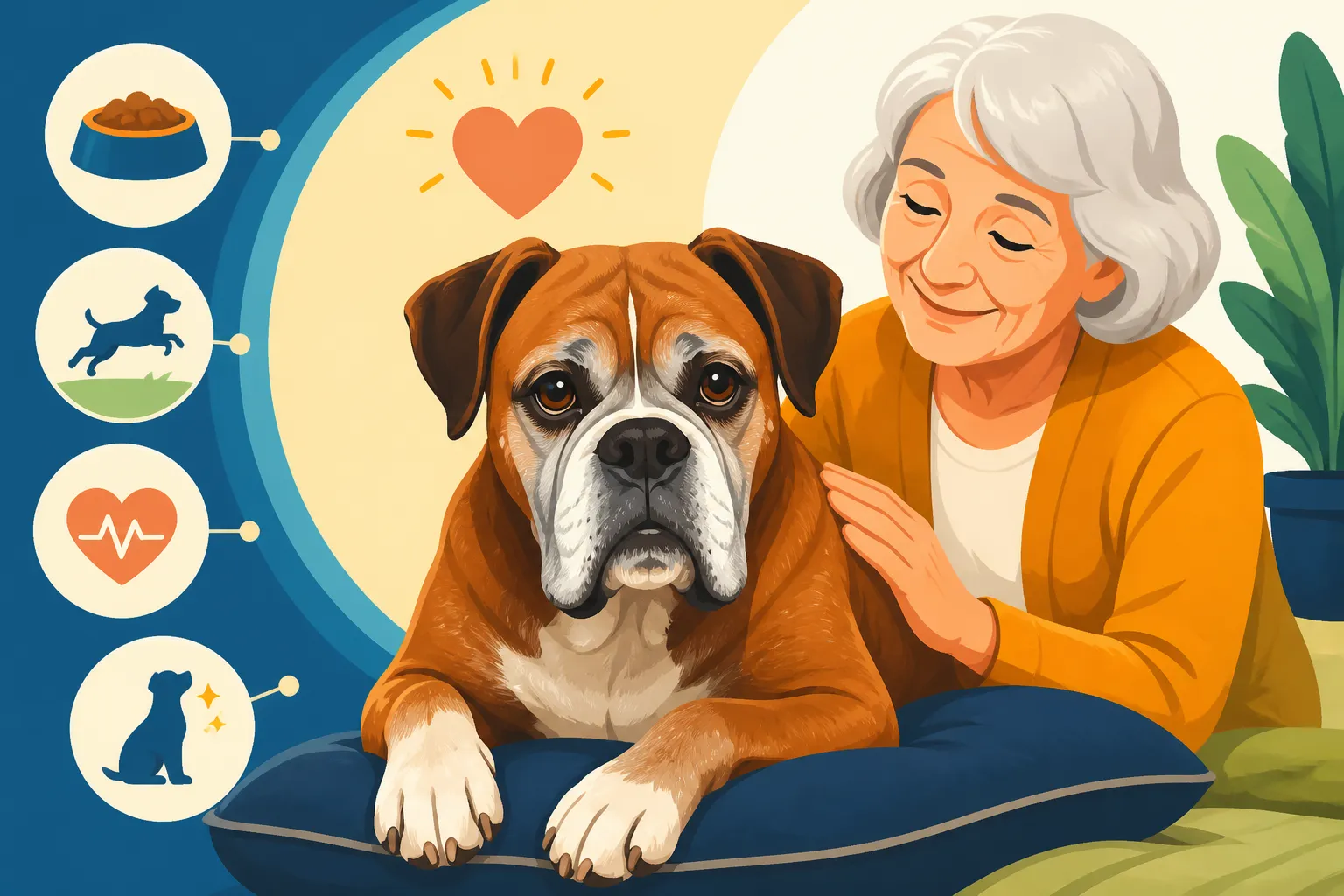
More than ever, your aging Boxer thrives on routine and your companionship. They often become more dependent on their human family for comfort and security. Spending quality time with them, whether it's gentle petting, quiet cuddles, or just having them by your side while you read or watch TV, reinforces their sense of belonging and love. A predictable schedule helps reduce anxiety and confusion, especially for those experiencing cognitive decline. Knowing when meals, walks, and potty breaks will occur provides a sense of stability. As they sleep more, ensure they have a quiet, comfortable space that they can retreat to, away from the hustle and bustle of a busy household, where they won't be disturbed.
Preparing for End-of-Life Decisions
This is arguably the hardest part of caring for an aging Boxer, but it's a conversation every responsible owner must eventually have. Thinking about end-of-life care is not giving up; it's about honoring the incredible bond you share and ensuring their final days are filled with peace and dignity.
Recognizing Signs of Decreased Quality of Life
One of the biggest struggles for owners is knowing when. When is it time to consider palliative care or, ultimately, euthanasia? It's a deeply personal decision, but there are objective signs that can help guide you. Look for a significant and sustained decline in their overall quality of life. Are they experiencing chronic pain that can no longer be effectively managed? Have they lost their appetite and interest in food? Are they unable to stand or walk without significant difficulty? Have they stopped engaging with things they once loved, like walks, toys, or your presence? Are they struggling with incontinence, or showing signs of constant anxiety or distress? While isolated bad days happen, a consistent pattern of more bad days than good, where their suffering outweighs their joy, is a crucial indicator. Resources for assessing quality of life, often using a scoring system, can be helpful to provide a more objective perspective. Sometimes, understanding Knowing When a Boxer With Cancer Has Had Enough becomes a painful but necessary step.
Discussing Options with Your Veterinarian
Your veterinarian is your most important ally in this difficult journey. They can help you objectively assess your Boxer's condition, discuss all available options, and provide a compassionate perspective. Don't be afraid to ask hard questions: "What is their prognosis?" "Are they in pain?" "What else can we do to make them comfortable?" "What would you do if this were your dog?" Your vet can explain the nuances of palliative care, which focuses on pain management and comfort without aiming for a cure. They can also discuss the process of euthanasia, answering any questions you have about what to expect, and offering options for at-home euthanasia if available, which can provide a more peaceful experience in a familiar environment. Having these conversations before you reach a crisis point can make the final decisions slightly less overwhelming. This is part of providing Hospice Care for a Boxer.
Grieving and Remembering Your Beloved Boxer
The loss of a Boxer is a profound heartache, leaving a gaping hole in your family and your heart. It’s important to allow yourself to grieve and to acknowledge the depth of your sorrow. There's no right or wrong way to mourn, and the grieving process looks different for everyone. Seek support from friends, family, or online communities who understand the unique bond with a pet. Consider memorializing your Boxer through a paw print, a special photograph, a custom piece of jewelry, or planting a tree in their honor. Some people find comfort in adopting another dog after a period of grief, while others need more time. Remember the joy, the laughter, and the unconditional love your Boxer brought into your life. They may be gone, but their paw prints on your heart will last forever.
Financial Planning for Senior Boxer Care
While the emotional toll of an aging Boxer is immense, the financial aspect can also be significant. Proactive planning can help alleviate some of the stress when unexpected health issues arise, allowing you to focus on your Boxer's well-being.
Understanding Increased Veterinary Expenses
As Boxers age, their need for veterinary care typically increases significantly. Those bi-annual check-ups, comprehensive blood work, urinalysis, potential X-rays or ultrasounds, and specialist consultations (e.g., with a cardiologist or oncologist) all add up. If a chronic condition like arthritis, heart disease, or kidney disease develops, there will be ongoing costs for medications, prescription diets, and possibly physical therapy or other supportive treatments. Cancer treatments, should they become necessary, can be particularly expensive, with diagnostics, surgery, chemotherapy, and radiation often costing thousands. It’s a harsh reality that What Boxer Cancer Treatment Actually Costs can be a major factor in decision-making. These costs can put a strain on even well-prepared budgets, and it's something every owner of a senior Boxer needs to be aware of.
The Role of Pet Insurance in Senior Care
Pet insurance can be a financial lifeline for Boxer owners, especially as their dogs enter their senior years. While it's ideal to enroll a Boxer when they are young and healthy, before any conditions are considered "pre-existing," having a policy in place can greatly mitigate the costs associated with age-related illnesses. For example, a robust policy from a provider like Healthy Paws can cover a significant portion of unexpected vet bills for new conditions, from diagnostics to emergency surgeries, and even some ongoing treatments for chronic diseases. It's wise to carefully review policy details, annual limits, deductibles, and reimbursement percentages. While a policy might not cover everything, it can provide immense peace of mind, allowing you to make medical decisions based on what's best for your Boxer, rather than solely on your wallet. Investing in coverage before your Boxer reaches their senior years, as explored in Insuring a Boxer Before the First Lump, is generally the most financially astute move.
Budgeting for Comfort and Quality of Life
Beyond direct vet bills, there are other costs associated with caring for an aging Boxer that should be factored into your budget. This includes higher-quality orthopedic beds, ramps, or pet stairs to aid mobility. Special diets for sensitive stomachs or kidney disease can be more expensive than regular adult kibble. Supplements for joint health, cognitive support, or skin conditions also add up. You might need to invest in more frequent grooming if they can't care for themselves as well, or special cleaning supplies for accidents. Consider if professional services like dog walkers (for shorter, more frequent outings) or pet sitters (who are experienced with senior dogs and their medications) might be needed. While these expenses might seem small individually, they contribute to the overall The Yearly Bill for a Seventy-Pound Boxer and the quality of life you can provide your beloved senior companion. Planning ahead, perhaps by setting aside a "senior Boxer fund," can make a world of difference.
| Health Challenge | Common Signs in Senior Boxers | Typical Interventions | Estimated Cost Range (Annual) |
|---|---|---|---|
| Arthritis | Stiffness, limping, reluctance to jump, difficulty rising | NSAIDs, joint supplements (glucosamine/chondroitin, fish oil), physical therapy, therapeutic laser, orthopedic bed | $300 – $1,500+ |
| Cardiac Issues (ARVC) | Coughing, fatigue, fainting, irregular heartbeat | Medications (Sotalol, Pimobendan), regular cardiology exams, Holter monitoring, prescription diet | $500 – $3,000+ |
| Cancer | Lumps, weight loss, lethargy, loss of appetite, vomiting/diarrhea | Surgery, chemotherapy, radiation, palliative care, specialized diagnostics (biopsy, imaging) | $1,000 – $10,000+ |
| Kidney Disease | Increased thirst/urination, weight loss, poor appetite, vomiting, lethargy | Prescription diet, fluid therapy (subcutaneous fluids), medications | $400 – $2,000+ |
| Cognitive Dysfunction Syndrome (CDS) | Disorientation, altered sleep cycles, house soiling, changes in interaction, anxiety | Medications (Selegiline), supplements (antioxidants, omega-3s), routine, environmental enrichment | $300 – $800+ |
| Dental Disease | Bad breath, painful eating, visible tartar, red/bleeding gums | Dental cleanings (anesthetized), extractions, antibiotics | $500 – $1,500+ |
Note: Costs are estimates and can vary widely based on location, severity of condition, and veterinary practice.
Disclaimer
The information provided in this article is for general informational purposes only and is not a substitute for professional veterinary advice. Always consult with a qualified veterinarian regarding your Boxer's health and specific medical conditions.