Whether a Boxer Should Live Outdoors
It’s a common thought for many dog owners, especially those with larger, more robust-looking breeds: "Wouldn't my Boxer be happier living outdoors, with a big yard to run around in all day?" It feels natural to imagine our dogs thriving in the fresh air, soaking up the sun, and being dogs in the truest sense. However, when it comes to Boxers, this seemingly idyllic picture is far from the reality of what this sensitive, brachycephalic breed actually needs. The truth is, a Boxer should absolutely not live outdoors, and understanding why is crucial for their health, happiness, and your peace of mind. This guide will meticulously break down the many reasons why keeping a Boxer dog as an outdoor-only pet is detrimental and how to create the best environment for your beloved companion.
Why a Boxer's Body Isn't Built for Outdoor Extremes
Boxers are not like some other breeds, bred over centuries to withstand harsh outdoor elements. Their unique physical characteristics, which we love so much, actually make them incredibly vulnerable to both heat and cold. It’s a sad reality that sometimes their very design works against them in extreme weather.
The Brachycephalic Burden: Breathing in Heat
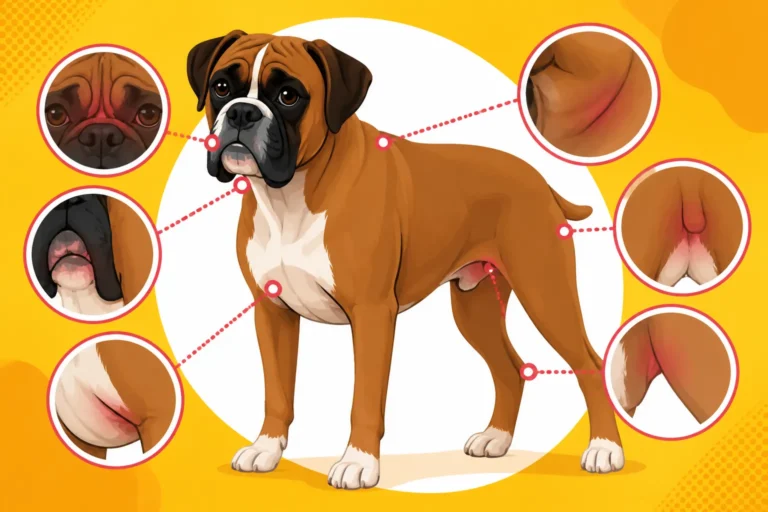
One of the most defining features of a Boxer is their charming, flat-faced muzzle. While undeniably endearing, this brachycephalic (short-nosed) structure comes with a significant health caveat: it severely impacts their ability to regulate body temperature, especially in the heat. Unlike dogs with longer snouts who can pant more efficiently to cool down, a Boxer's compacted airways make this process much less effective. They simply can't move enough air across their respiratory membranes to dissipate heat quickly enough.
Imagine trying to cool down after a strenuous workout by breathing through a straw. That's a bit like what a Boxer experiences on a warm day. Their bodies work harder to breathe, which in turn generates more body heat, creating a dangerous feedback loop. Even moderate temperatures that feel pleasant to us can be life-threatening for a Boxer left outside. They can overheat startlingly fast, leading to heatstroke, which is a medical emergency that can be fatal if not addressed immediately. We often talk about How Fast a Flat-Faced Boxer Overheats because it's a critical point for owners to understand. It's not just direct sun; humidity combined with warm temperatures creates a dangerous environment for them, even in the shade.
Short Coat, No Protection: Vulnerability to Cold
Just as their brachycephalic features make them prone to overheating, a Boxer's sleek, short coat offers virtually no insulation against the cold. Unlike breeds with thick double coats designed for harsh winters, a Boxer’s single layer of fine hair provides minimal protection. They simply don't have the natural defenses to stay warm when temperatures drop.
When a Boxer is exposed to cold temperatures for extended periods, they are at a very high risk of hypothermia. This isn't just about shivering; hypothermia can lead to organ damage, cardiac issues, and even death. Their short coat also means their skin is more exposed to windburn, frostbite on their ears or paw pads, and general discomfort. While a sweater or coat might offer some temporary relief on a short walk, it's not enough to protect them from living outdoors in freezing conditions. They simply cannot generate and retain enough body heat to be comfortable or safe, making the idea of them braving a winter night outdoors unimaginable. We often discuss Coats and Sweaters for a Boxer for walks, but never for permanent outdoor living.
The Emotional and Behavioral Impact of Outdoor Living on a Boxer
Beyond the physical vulnerabilities, keeping a Boxer outside denies them something equally vital: companionship and mental well-being. Boxers are renowned for their loyalty, affectionate nature, and deep bond with their human families. They are, at their core, people dogs.
The Deep Need for Companionship
Boxers thrive on interaction. They are not independent, aloof dogs content to patrol a yard alone. They are playful, often goofy, and they crave being part of the family action. For a Boxer, the "pack" is everything, and that pack is you. Being relegated to the outdoors means being separated from their pack, leading to profound feelings of loneliness, isolation, and anxiety. This isn't just about missing cuddles; it impacts their mental and emotional development and overall happiness.
Think about the Boxer's famous "wiggle butt" greeting or their habit of "boxing" with their paws for attention. These are all expressions of their social nature and desire for connection. When these natural instincts are unmet, a Boxer can suffer immensely. A dog left alone outside might bark incessantly, dig compulsively, or try to escape, not out of naughtiness, but out of a desperate attempt to rejoin their family or alleviate intense boredom and stress. This is often the case when A Boxer Left Alone All Day struggles.
Behavioral Problems Stemming from Isolation
An isolated Boxer is often a troubled Boxer. The lack of mental stimulation and social interaction can lead to a host of behavioral issues that are difficult to correct once established. These behaviors are not inherent flaws in the dog but direct consequences of an unsuitable living situation.
- Excessive Barking: A lonely Boxer will often bark for attention, out of boredom, or due to anxiety. This can become a nuisance for neighbors and a deeply ingrained habit.
- Destructive Chewing and Digging: Without appropriate outlets for their energy and intelligence, Boxers can turn to destructive behaviors. They might chew on fences, outdoor furniture, or dig craters in the yard, not because they are "bad" dogs, but because they are bored, anxious, or trying to entertain themselves. While you can find Chew-Proof Bedding for a Boxer That Digs, this is a band-aid solution to a deeper problem if they are left outside.
- Escape Attempts: A Boxer who feels isolated or neglected will often try to escape their confines. This can lead to them getting lost, injured by cars, or ending up in shelters.
- Fear and Reactivity: A Boxer denied consistent positive socialization and exposure to the world can become fearful or reactive. When they are primarily confined to a yard, they miss out on crucial experiences that build confidence and good manners, making them prone to reacting poorly to strangers, other dogs, or unexpected noises.
These behaviors are distressing for both the dog and the owner and are often a cry for the attention and companionship that the Boxer desperately needs and deserves.
Practical Considerations for Boxers Outdoors
Even if you were to consider the emotional and physical aspects, there are numerous practical challenges and risks associated with keeping a Boxer outdoors that make it an impractical and unsafe choice.
Shelter and Safety
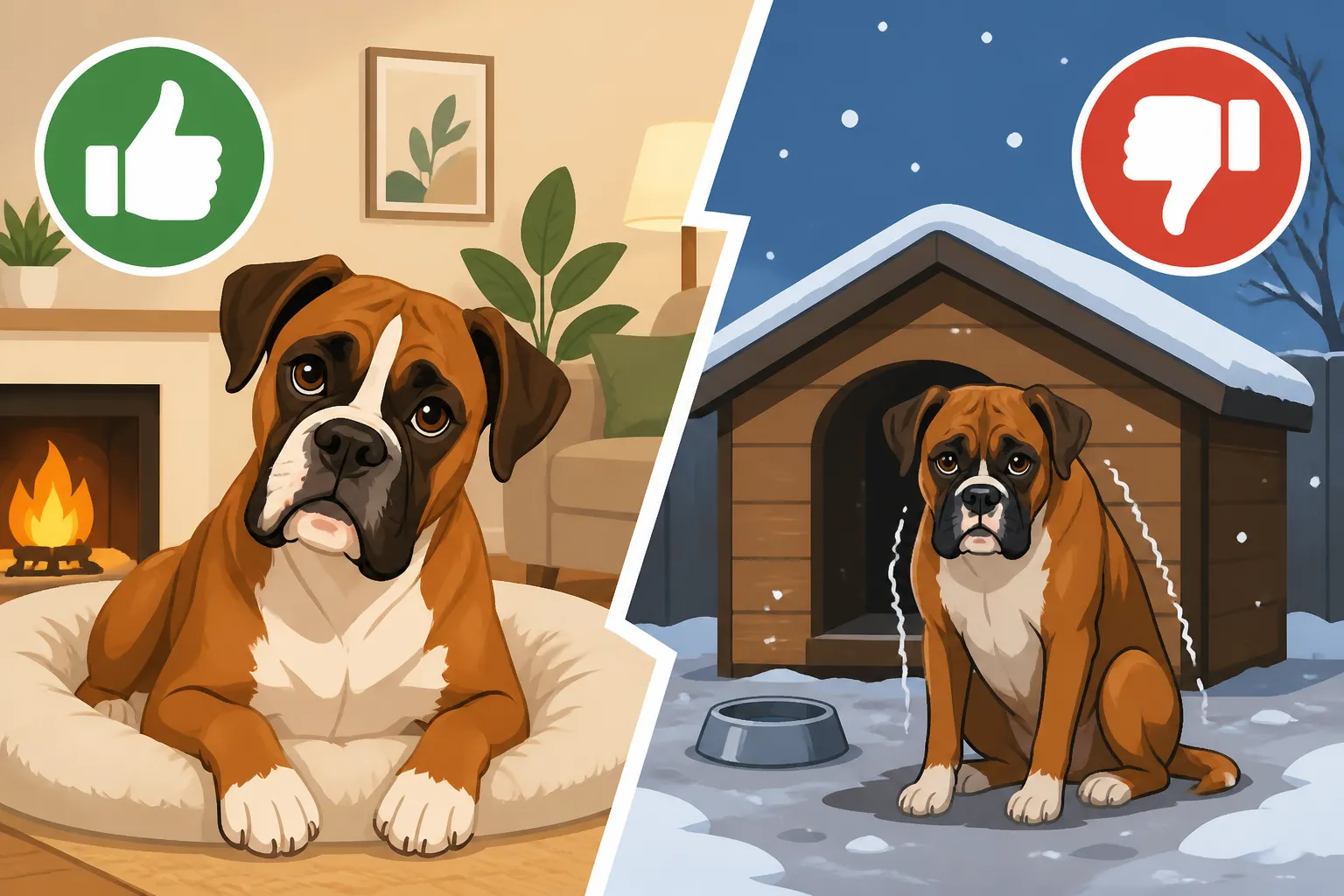
Providing adequate outdoor shelter for a Boxer is almost impossible. A dog house, no matter how insulated, cannot replicate the climate control of an indoor home. In summer, dog houses can become ovens, trapping heat. In winter, they are rarely sufficient to keep a short-coated Boxer warm, especially in regions with freezing temperatures. Furthermore, a dog house does not protect against extreme weather events like thunderstorms, hail, or tornados, which can be terrifying and dangerous for a dog.
Safety is another huge concern. An outdoor Boxer is vulnerable to theft, intentional harm from malicious individuals, or accidental poisoning from lawn chemicals or antifreeze. They can also be attacked by wildlife or stray animals. Even a securely fenced yard isn't foolproof against determined thieves or wild animals. These are not just theoretical risks; they are real dangers that outdoor pets face.
| Factor | Boxer's Vulnerability Outdoors | Impact |
|---|---|---|
| Temperature | Brachycephalic (heat), Short Coat (cold) | High risk of heatstroke, hypothermia, frostbite. Cannot self-regulate effectively. |
| Companionship | Highly social, "velcro dog" nature | Severe loneliness, anxiety, depression, destructive behaviors, escape attempts. |
| Shelter | Requires stable, climate-controlled environment | Dog house inadequate for extremes, no protection from severe weather (storms). |
| Safety | Vulnerable to theft, harm, wildlife, poisons | Increased risk of injury, illness, or loss. |
| Hygiene | Prone to skin issues, collects dirt/debris | Skin infections, parasites, constant cleaning required for indoor access, difficulty maintaining coat health. Why a Boxer's Short Coat Shows Every Rash is important to consider here. |
| Training | Highly trainable with consistent, positive methods | Lack of consistent interaction and training leads to behavioral issues, difficulty with house-training, basic manners. |
| Supervision | Needs monitoring for health and behavior | Difficult to notice subtle health changes or behavioral shifts, potentially delaying necessary vet care. |
Hygiene and Health Concerns
Leaving a Boxer outdoors can also lead to significant hygiene and health issues. Their short coats, while low-maintenance in terms of shedding, are still susceptible to collecting dirt, burrs, and parasites like fleas and ticks. Regular grooming and inspections become more challenging when the dog isn't readily accessible indoors. Boxers are also prone to certain skin sensitivities, and constant exposure to dampness, allergens, or harsh weather can exacerbate these conditions.
Consider the Boxer's tendency to drool, especially after drinking or during excitement. While we often laugh about Cleaning Boxer Slobber Off Walls inside, outdoors, this can lead to dampness around their jowls, creating a breeding ground for bacteria and skin infections in their facial folds. They also need consistent access to clean water, which can be challenging to maintain outdoors, particularly in freezing or excessively hot weather where water can freeze or become dangerously warm. A pet fountain from a brand like Chewy might help with fresh water, but it's still no substitute for being indoors.
Creating an Ideal Indoor Environment for Your Boxer
The good news is that creating a wonderful, enriching life for your Boxer indoors is not only feasible but incredibly rewarding. Boxers are adaptable and happy to be wherever their people are, as long as their core needs are met.
A Cozy Corner and Family Integration
Every Boxer needs a designated, comfortable spot indoors. This could be a soft dog bed in the living room, a cozy crate in your bedroom, or even a special blanket next to your favorite armchair. The key is that it's inside with the family. They thrive on proximity, on being able to watch you, listen to your conversations, and receive spontaneous pets and attention. This sense of belonging is paramount for their emotional security.
Integrate your Boxer into your daily routines. Let them follow you from room to room. Include them in family activities, whether it's movie night on the couch, helping with dinner (from a safe distance, of course!), or simply lounging together. Boxers are incredibly expressive and will communicate their joy and contentment through their famous wiggles and happy sighs. For high-quality, comfortable beds and enrichment toys, reputable online retailers like Amazon offer a vast selection.
Meeting Exercise and Mental Stimulation Needs
While Boxers need to live indoors, they absolutely still require significant daily exercise and mental stimulation. This is where the balance comes in. They might not live outside, but they certainly need to be outside for structured activity.
- Daily Walks: At least two substantial walks a day, lasting 30-60 minutes each, are usually necessary. These aren't just potty breaks; they're opportunities for sniffing, exploring, and burning off physical energy.
- Playtime: Fetch, tug-of-war, or even a good old-fashioned romp in a securely fenced yard (with supervision!) are great ways to engage their minds and bodies. Remember their sensitivity to heat, so plan outdoor play for cooler parts of the day or use cooling vests to prevent The Degrees at Which a Boxer Struggles.
- Training and Puzzle Toys: Boxers are smart, and they bore easily. Consistent, positive reinforcement training keeps their minds sharp. Puzzle feeders, snuffle mats, and interactive toys from brands like Ollie (who also provide excellent nutrition) can provide hours of mental engagement, especially on days when weather limits outdoor activity. Training a Boxer That Gets Bored Fast is a common challenge that these tools can help address.
- Socialization: Continue to expose your Boxer to new sights, sounds, people, and other well-mannered dogs in a controlled, positive way. This helps them remain confident and well-adjusted.
By providing plenty of structured exercise and mental enrichment, you can ensure your indoor Boxer is a happy, well-behaved companion, rather than a restless, destructive one.
Ultimately, the question of "Whether a Boxer Should Live Outdoors" has a resounding and unequivocal answer: no. Their physical vulnerabilities and profound need for companionship make them unsuitable for an outdoor-only existence. A Boxer thrives as an integral, cherished member of your family, living inside your home, where they can be safe, warm, loved, and truly happy.
Disclaimer
This article is for general informational purposes only and does not constitute professional advice. Laws, prices and regulations vary by location and change over time. Consult a qualified professional for guidance on your specific situation.