A Boxer That Knocks Children Over
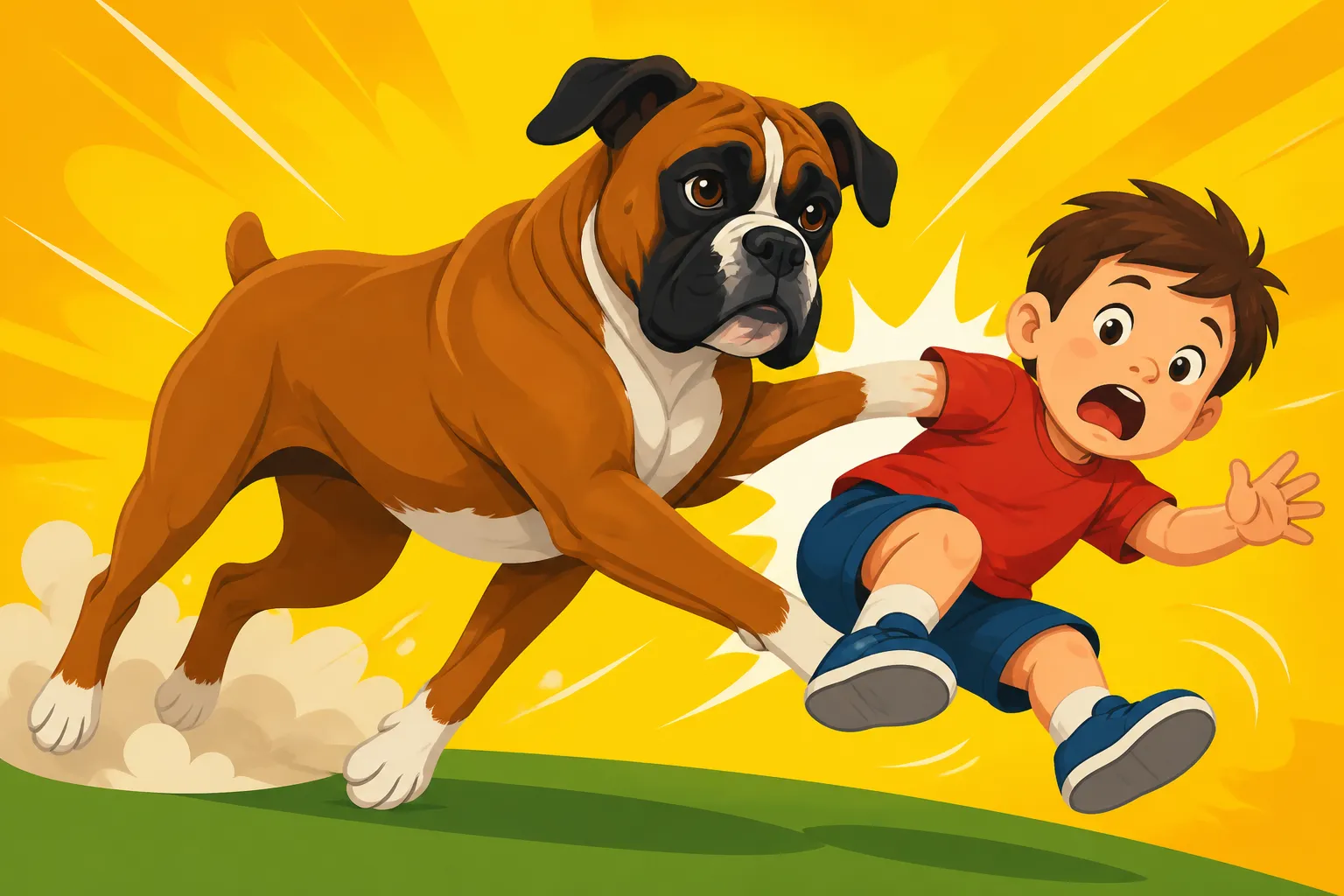
That moment when your big, goofy Boxer greets a child — whether it's your own little one, a visiting niece, or a neighborhood friend — with a full-body slam and a flurry of excited paws can be downright terrifying. It’s not aggression, of course, but it certainly doesn't feel safe, and it leaves parents feeling helpless and worried. This guide is all about understanding why your beloved Boxer acts this way and, more importantly, providing you with actionable, empathetic strategies to help them learn calmer, more appropriate ways to interact, especially with the smaller humans in their lives.
The Root of the "Boxer Bounce"
It’s easy to feel frustrated when your Boxer, who you know means no harm, bowls over a child. But understanding why they do it is the first step toward compassion and effective training. This isn't usually about malice; it's about instinct, excitement, and a developmental timeline that's a bit different from many other breeds.
Innate Breed Tendencies and Play Style
Boxers are, by nature, exuberant, playful, and incredibly affectionate dogs. Their very name is often attributed to their tendency to stand on their hind legs and "box" with their front paws when playing or excited. This is hardwired into their DNA; it's how they interact with each other in a litter and as adults. When your Boxer launches into a bouncy, paw-flailing greeting, they're essentially trying to engage in their natural play style, unaware of the size difference or the fragility of a human child.
Think about it from their perspective: a small, fast-moving human might look like a peer they can wrestle and tumble with, just like another dog. They don't have the same understanding of body language or consequence that an adult human does. This instinctual drive, combined with their incredible athleticism and power, means that even a friendly gesture can become an overwhelming (and potentially dangerous) encounter for a child. It's not a fault in their character, but a characteristic of the breed that requires careful management and training from us, their human companions. When you consider Why a Boxer Boxes With Its Front Paws, it sheds a lot of light on why they use their front limbs so enthusiastically.
Excitement, Attention, and Lack of Impulse Control
Another major factor contributing to the "Boxer bounce" is sheer, unadulterated excitement, often coupled with a strong desire for attention. Boxers are incredibly social creatures who thrive on interaction. When a child, or any visitor, arrives, it's a huge event in their world. This surge of emotion often overrides any polite manners they might have learned. If jumping gets any form of attention — a gasp, a push, even a stern "no!" — it can inadvertently reinforce the behavior, telling the Boxer, "Aha! That's how I get noticed!"
What complicates matters further is that Boxers tend to mature much slower than many other breeds. While a Labrador might settle down mentally by two years old, many Boxer owners joke that their dogs remain puppies until age three, and sometimes even beyond. This extended "puppyhood" means they retain that boundless, sometimes clumsy, energy and a tendency for impulsive behavior for longer. They need extra time and consistent guidance to develop the self-control necessary to greet calmly. It's why owners often say The Boxer Puppyhood That Lasts Three Years really tests your patience!
Building a Foundation of Calmness and Control
Addressing the jumping behavior effectively requires more than just stopping the jump in the moment. It means building a strong foundation of obedience, impulse control, and appropriate energy outlets. This isn't a quick fix; it's a commitment to consistent training that will benefit your Boxer and your family for years to come.
The "Four on the Floor" Rule: Training Consistency
The "four on the floor" rule is exactly what it sounds like: all four of your Boxer’s paws must remain on the ground during greetings or any interaction. This seems simple, but it requires unwavering consistency from every member of the household. The moment your Boxer jumps up, all attention, positive or negative, must cease. This means no pushing them down, no shouting, no eye contact, and no talking. Simply turn your back and walk away, or calmly step out of reach. Only when all four paws are on the floor, and preferably when they are sitting, do they get attention.
Start practicing this rule in calm, low-distraction environments with only adults. Have an adult approach the Boxer, and if the dog jumps, the person immediately turns their back. When the Boxer settles, the person turns back. Repeat this hundreds of times. Once your Boxer understands, introduce children into the equation, but always under direct adult supervision. The goal is to make standing on all fours the only behavior that earns them the reward of interaction and affection. This systematic approach is key to Teaching a Boxer to Keep Four Feet Down.
Harnessing Impulse Control Through Structured Routines
Beyond simply teaching "four on the floor," fostering general impulse control is vital for a Boxer. This means teaching and regularly practicing basic obedience commands like "sit," "stay," and "wait." These aren't just parlor tricks; they are crucial mental exercises that teach your Boxer to control their body and defer gratification. For example, make your Boxer "sit" and "wait" before being released to eat their meal, before going out the door for a walk, or before getting a toy. Every single one of these small moments builds their capacity for self-control.
There are excellent resources available to help you implement these structured routines. Online training platforms, like those offered by BAXTER & Bella, can provide a wealth of video tutorials and structured lesson plans that you can follow from the comfort of your home. These programs often break down complex behaviors into simple, manageable steps, making it easier for everyone in the family to stay consistent. By engaging in regular, positive reinforcement training, you are teaching your Boxer that calmness and patience lead to good things, which is essential for Keeping Boxer Training Sessions Interesting.
Managing Energy Effectively to Reduce Jumping
A tired Boxer is a well-behaved Boxer. These dogs are working breed descendants with significant energy reserves. If their physical and mental stimulation needs aren't met, that pent-up energy will find an outlet, often in undesirable ways, including excessive jumping. Simply letting your Boxer into the backyard isn't usually enough; they need structured exercise that engages both their body and their mind.
Aim for at least 60 to 90 minutes of vigorous exercise daily, broken into multiple sessions. This could include fast-paced walks, games of fetch, or even training sessions that involve movement. Remember that Boxers are brachycephalic (flat-faced), which means they can overheat easily. Always exercise during cooler parts of the day, provide plenty of water, and watch for signs of overheating. Incorporating mental exercise, like puzzle toys or scent work, can also be incredibly effective at tiring them out without excessive physical exertion. A dog whose needs are met is much more likely to be calm and less prone to hyperactive greetings. This kind of thoughtful planning is crucial for managing Boxer Exercise Needs and the Heat That Limits Them.
Creating Harmony Between Boxers and Children
Once you've started building a solid foundation of training, the next step is to specifically address how your Boxer interacts with children. This requires vigilance, proactive management, and teaching both your dog and your kids how to behave around each other safely and respectfully.
Supervised Interactions and Active Management
The golden rule for Boxers and children, especially young ones, is never leave them unsupervised. This isn't just about preventing accidents; it's about actively shaping positive interactions. Supervision isn't passive watching; it's active management. This means you are constantly scanning the environment, anticipating your Boxer's next move, and intervening before a jump occurs. For instance, if you see your Boxer tensing up, starting to wiggle, or fixating on a child, that's your cue to calmly redirect them.
Use a leash even indoors during initial interactions, or have your Boxer on a "place" command with a high-value chew. Guide your Boxer to lie down or sit calmly whenever a child enters the room, rewarding them for maintaining a relaxed posture. It’s about teaching your Boxer that a child's presence doesn't automatically mean playtime or an opportunity to jump, but rather a time to be calm and respectful to earn attention. Over time, as your Boxer consistently demonstrates calm behavior, you can gradually loosen the reins, but always remain present and ready to intervene. This proactive approach helps create successful Boxers With Children and Other Dogs relationships.
Implementing Safe Zones and Boundary Training
Creating physical and behavioral boundaries is an indispensable strategy for managing interactions between an enthusiastic Boxer and children. A "safe zone" for your Boxer might be their crate, a designated dog bed, or even a specific room behind a baby gate. This is a place where they can go to relax, chew a toy, or simply be away from the hustle and bustle of children without being disturbed. Teach your Boxer a "place" command, rewarding them heavily for going to and staying on their mat or bed. This not only gives them a retreat but also provides you with a reliable tool for managing excited greetings.
Similarly, consider safe zones for children. Baby gates can be invaluable for separating spaces, allowing children to play freely without constant dog interference. This is particularly useful when children are very young, or when your Boxer is still learning polite manners. Think of it as creating physical "time-outs" that prevent unwanted jumping before it even happens. By consistently directing your Boxer to their "place" when children are active or visitors arrive, you're reinforcing the idea that calm behavior in their designated spot earns rewards. This strategy directly addresses Teaching a Boxer a Place to Go When Guests Arrive effectively.
Teaching Children How to Interact with an Excited Boxer
While a lot of the training focus is on the Boxer, it's equally important to teach children how to interact safely with a large, enthusiastic dog. Small children, especially, might inadvertently encourage jumping by squealing, running, or flailing their arms – behaviors that often trigger a Boxer's prey drive or play instincts. Explain to children, in an age-appropriate way, that the Boxer jumps because they are excited, not because they are being mean.
Teach children to become "trees" – stand still, fold their arms like branches, and look at the ceiling – if the Boxer jumps on them. This removes the "reward" of interaction. Show them how to gently pet the Boxer only when the dog is calm and sitting, always on the chest or shoulder, not over the head. Teach them to offer a toy for play instead of using their hands. For older children, involve them in the training process, allowing them to give commands like "sit" and reward the Boxer for calm behavior. Empowering children with these skills helps foster mutual respect and safety, truly working towards Teaching a Boxer to Be Gentle With Children.
Essential Tools and Techniques for Management
Beyond foundational obedience, certain tools and techniques can make a tangible difference in preventing your Boxer from knocking children over. These aids are not substitutes for training, but they can be invaluable management tools as you work through the learning process.
Choosing the Right Gear to Prevent Pulling and Jumping
When your Boxer is on a leash, whether greeting someone on a walk or managing excitement indoors, the right equipment can make all the difference. A standard neck collar isn't always effective for a strong, determined Boxer who wants to jump or pull, as it can put pressure on their throat and still allow them to lunge with their powerful chests.
Consider a front-clip harness, such as those readily available on Amazon. These harnesses attach the leash at the front of the dog's chest, redirecting their forward momentum when they pull. This gentle correction makes it much harder for your Boxer to lunge or jump effectively, giving you more control without causing discomfort. Another option, often recommended by trainers, is a head halter (like a Gentle Leader). While some dogs take time to get used to them, head halters give you exceptional control over your Boxer's head and, consequently, their body. By controlling where their head goes, you can prevent them from looking up and jumping. Using such tools can be a game-changer when working on Harnesses that Hold a Pulling Boxer and managing enthusiastic greetings.
Redirecting Undesirable Behavior with Appropriate Toys
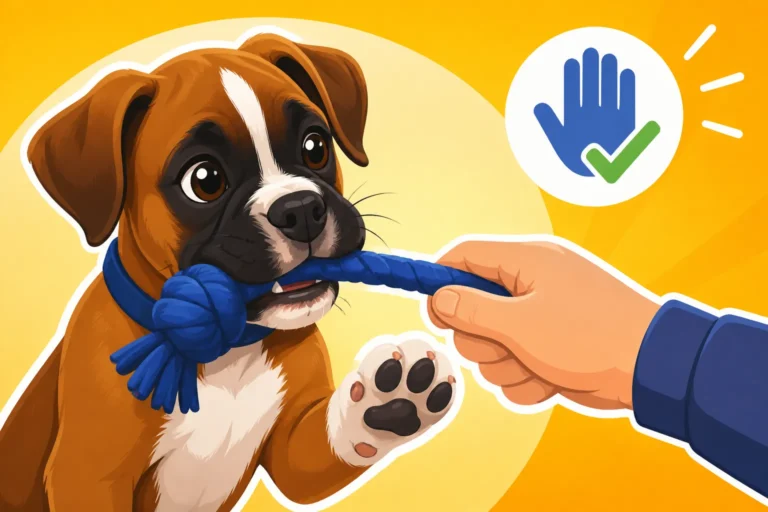
Boxers love to play, and sometimes their jumping is simply an attempt to initiate a game. Learning to redirect this energy onto appropriate toys can be incredibly effective. Keep high-value toys easily accessible when children are around or when guests are expected. When you see your Boxer getting excited and revving up for a jump, immediately offer a sturdy chew toy, a puzzle toy filled with treats, or a squeaky ball for a game of fetch (in an appropriate space, away from the children).
The key is to interrupt the jumping behavior before it starts and offer an alternative that is equally, if not more, rewarding. This teaches your Boxer that there are other, more acceptable ways to engage and expend energy. Durable chew toys, especially, can provide a great mental and physical outlet, satisfying their oral fixation and helping them calm down. Always choose toys that are appropriate for a powerful chewer like a Boxer, ensuring they are safe and cannot be easily ingested. This is a great way to use positive reinforcement to achieve a desired outcome.
Addressing Specific Scenarios and Troubleshooting
Even with consistent training and the right tools, there will be moments when your Boxer's excitement gets the better of them. Knowing how to react in these specific scenarios and understanding when to seek additional help is crucial for continued progress.
Greeting Guests Safely
Greeting visitors is often the most challenging scenario for a Boxer prone to jumping. The arrival of new people, smells, and sounds creates a peak of excitement. To manage this, prepare in advance. Before a guest even knocks, have your Boxer on a leash or in their designated "place" with a high-value chew. Inform your guests before they arrive about your training plan and ask for their cooperation. Explain that for your Boxer to learn, they must ignore the dog if it jumps and only give attention when all four paws are on the floor.
When guests arrive, ensure your Boxer is safely secured, perhaps in their crate or behind a gate, until the initial excitement subsides. Once things are calmer, slowly introduce them, maintaining leash control. Practice having your Boxer sit or lie down as guests enter, rewarding them for staying calm. If a jump occurs, have the guest immediately turn their back or step away, completely withdrawing attention. Consistency from everyone is vital. This controlled environment is far more effective than letting them free-range during greetings, which often leads to a chaotic experience for everyone. A structured approach is critical for teaching Greeting Manners for an Excited Boxer.
What to Do When a Boxer Still Jumps
Despite your best efforts, your Boxer might occasionally still manage to knock over a child, especially if they are particularly excitable or the child moves unexpectedly. In these moments, it's important to react calmly and purposefully, without inadvertently reinforcing the behavior. First, ensure the child is safe and unhurt. Then, without scolding or yelling, immediately redirect your Boxer away from the child and either put them in their safe zone (crate) or on a leash for a calm "timeout."
Avoid lengthy lectures or dramatic reactions. Your Boxer likely won't understand the emotional context, and your heightened energy might even be interpreted as exciting attention. Instead, simply remove them from the stimulating situation. Reflect on what went wrong: Was the environment too stimulating? Was supervision inadequate? Did the Boxer have enough exercise? Use these incidents as learning opportunities to adjust your strategy. Remember that progress isn't always linear, and setbacks are a normal part of training a high-energy, intelligent breed like a Boxer. This perseverance is essential for Stopping a Seventy-Pound Boxer From Jumping.
Seeking Guidance from a Qualified Dog Trainer
Sometimes, despite consistent effort, the jumping behavior can be deeply ingrained or simply too challenging for owners to manage alone. This is not a sign of failure but an indication that professional guidance could be incredibly beneficial. A qualified dog trainer, especially one with experience working with Boxers and their unique temperament, can offer fresh perspectives, identify subtle triggers you might be missing, and teach you advanced techniques.
Look for a trainer who uses positive reinforcement methods and has a thorough understanding of canine behavior. Avoid trainers who advocate for harsh corrections or punitive measures, as these can damage your relationship with your Boxer and potentially create fear or aggression. A good trainer can observe your Boxer's interactions in real-time, provide hands-on coaching, and help you tailor a training plan specific to your family's needs. This investment can be invaluable for the long-term safety and harmony of your household, helping you understand Trainer Rates for a Boxer That Jumps and the value they bring.
The Long Game: Consistency, Patience, and Realistic Expectations
Training a Boxer, especially when it comes to managing their boundless enthusiasm around children, is a marathon, not a sprint. Boxers are incredibly loving and eager to please, but their zest for life means they need consistent guidance for many years. There will be days when you feel like you've made huge progress, and others when it seems you're back to square one.
The key is unwavering consistency from every adult in the household and endless patience. Celebrate small victories – a calm greeting that lasts even a few seconds, a moment of impulse control, or a successful redirection to a toy. Understand that your Boxer may never be a completely sedate, non-jumping dog, but with dedication, you can teach them when and how to express their excitement in a safe and appropriate manner. Embrace the journey and remember that the strong bond you build through this training is one of the most rewarding aspects of Boxer ownership. It’s important to have realistic expectations about Whether a Boxer Ever Settles Down, appreciating their spirited nature while guiding them gently.
| Training Approach | Description | Pros | Cons |
|---|---|---|---|
| "Four on the Floor" | Withdrawing attention when paws lift, rewarding calm, grounded behavior. | Teaches self-control; clear for the dog; builds positive associations. | Requires extreme consistency from everyone; can be slow if not fully adhered to. |
| Impulse Control Drills | Using commands like "sit," "stay," "wait" before desirable events. | Strengthens mental discipline; generalizes to other situations; reduces overall excitability. | Needs daily practice; can be frustrating for highly energetic Boxers initially. |
| Safe Zones/Boundaries | Using crates, gates, or "place" commands to separate dog and child. | Prevents incidents; gives dog a calm retreat; provides peace of mind. | Not a direct training solution for jumping; requires physical barriers or strong "place" command. |
| Front-Clip Harness | Leash attaches to the chest, turning the dog when they pull. | Provides physical control without harshness; immediately reduces pulling/jumping force. | Some dogs may still lunge if not coupled with training; can rub in sensitive areas if not fitted well. |
| Redirect with Toys | Offering a high-value toy as an alternative to jumping for attention. | Positive and engaging; channels energy appropriately; good for early intervention. | Requires quick timing; Boxer must value the toy more than jumping for attention. |
Disclaimer
This article is for general informational purposes only and does not constitute professional advice. Laws, prices and regulations vary by location and change over time. Consult a qualified professional for guidance on your specific situation.