Cooling Gear for a Flat-Faced Boxer
One of the most heart-wrenching struggles as a Boxer owner is watching your beloved companion suffer in the heat, knowing their unique flat-faced anatomy makes them particularly vulnerable. It's a constant worry, especially during warmer months or even a vigorous play session, because we know how quickly they can go from happy and energetic to dangerously overheated. This guide is all about equipping you with the knowledge and practical solutions, specifically the best cooling gear and strategies, to keep your Boxer safe and comfortable, no matter the temperature.
Understanding Why Boxers Overheat So Easily
It's not just that Boxers are active dogs; it's their very design that puts them at a disadvantage when it comes to regulating their body temperature. This can be frustrating for owners who want their Boxers to enjoy life to the fullest, but also recognize the very real risks involved. Understanding the "why" behind their heat sensitivity is the first step to effective management.
The Brachycephalic Challenge
The term "brachycephalic" is a bit of a mouthful, but it simply refers to dogs with short, broad heads and flattened faces, like our Boxers. While their squishy faces are incredibly endearing, this unique skull structure comes with significant anatomical challenges for breathing and, consequently, cooling.
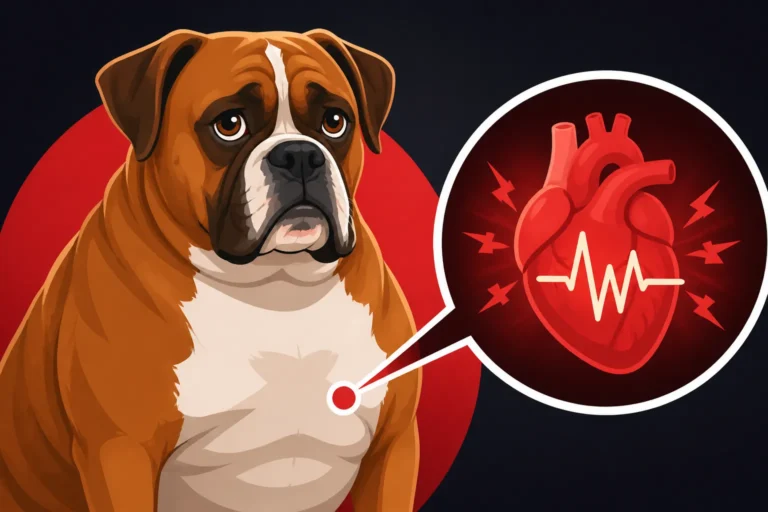
Think about it: a Boxer's air passages are simply not designed for efficient airflow. They often have narrowed nostrils (stenotic nares), an elongated soft palate that can obstruct their windpipe, and sometimes a smaller trachea. All these factors restrict the amount of air they can take in and expel, making every breath more labored, even at rest. When a dog gets hot, their primary method of cooling down is panting. Panting works by evaporating moisture from their tongue and the lining of their respiratory tract, which helps dissipate heat. For a Boxer, this evaporative cooling system is significantly less efficient because of the constricted airways. They have to work much harder to pant, which ironically generates more body heat, creating a dangerous cycle. This inefficiency means that even moderate temperatures can pose a serious risk, especially if there's any humidity in the air, which further hinders evaporative cooling. This is why we, as Boxer owners, must be hyper-vigilant. You can learn more about this by reading How Fast a Flat-Faced Boxer Overheats.
Identifying the Signs of Overheating
Recognizing the early warning signs of overheating is absolutely critical for a Boxer. They can go from happy-go-lucky to critically ill in a surprisingly short amount of time, and sometimes their playful, resilient nature means they push themselves past their limits without showing immediate distress.
The very first things you might notice are excessive panting that seems more labored than usual, perhaps even a harsh, noisy sound with each breath. Your Boxer might also start drooling more profusely than normal, with thick, stringy saliva. They'll actively seek out shade or cool spots on the floor and might appear restless or anxious. As overheating progresses, things become much more serious. Their gums might turn a bright, cherry red, and their heart rate will likely be elevated. They may become lethargic, weak, and uncoordinated, stumbling as they walk. In severe cases, you might see vomiting, diarrhea, or even collapse and seizures. If you ever notice these advanced symptoms, consider it an emergency and seek immediate veterinary attention. Don't wait to see if they "get better" on their own; every minute counts. Understanding these signs deeply is so important, and you can delve further into them with Signs a Boxer Is Overheating.
Essential Indoor Cooling Solutions
While we love to get our Boxers out and about, the reality is that sometimes the safest place for them during warm weather is indoors. Even inside, without proper measures, a Boxer can still struggle. The good news is there are plenty of strategies and tools to transform your home into a cool oasis for your furry friend.
Strategic Fan Placement and Airflow
Fans are probably one of the simplest yet most effective tools for keeping a Boxer cool indoors. Unlike humans who primarily cool through sweating, dogs rely on evaporative cooling from their mouths and respiratory tracts. Fans assist this process by moving air across their body, helping to evaporate moisture more effectively.
The key to maximizing their benefit is strategic placement. Don't just point a ceiling fan vaguely in their direction; consider placing floor fans or box fans at your Boxer's level, where they typically rest. This creates a direct airflow that helps them pant more efficiently and feel cooler. If possible, create cross-ventilation by placing fans in windows or doorways to draw cooler air in and push warmer air out. This continuous movement of air can make a significant difference, preventing stagnant, warm pockets from forming where your Boxer likes to nap. Remember, while fans are helpful, they are not a substitute for air conditioning in extreme heat, but they are a fantastic first line of defense and complement to other cooling methods.
Cooling Beds and Mats
Cooling beds and mats are fantastic passive cooling solutions that offer your Boxer a dedicated spot to chill out. They work without electricity or refrigeration, making them convenient for various spots around the house.
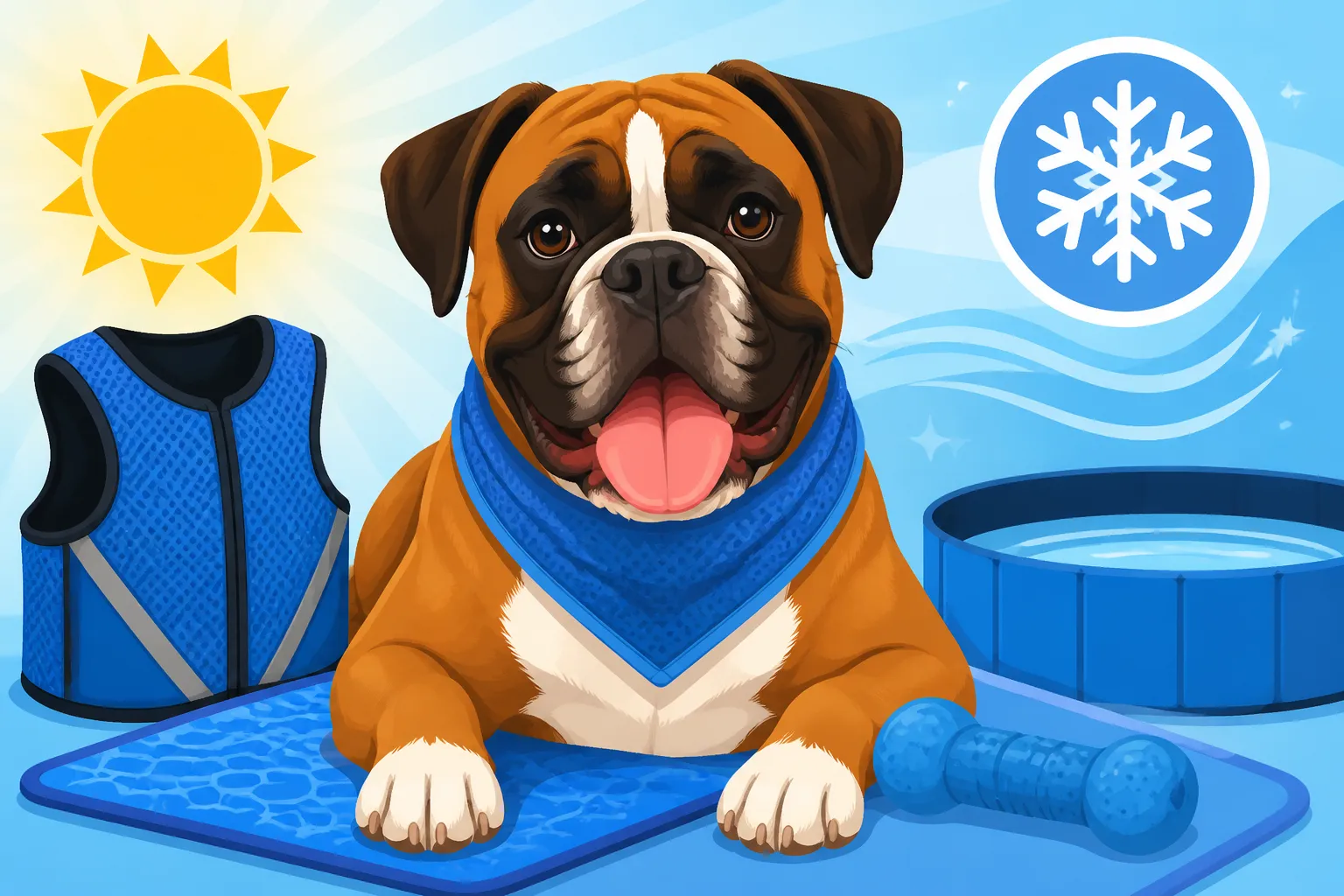
There are a few main types. Gel-filled mats contain a non-toxic gel that, when pressure is applied (i.e., your Boxer lies down), absorbs body heat and disperses it, providing a cool surface. These typically "recharge" themselves when not in use. Water-filled mats operate similarly, using cool water to draw heat away from your dog's body. Then there are elevated mesh beds, which don't actively cool but lift your Boxer off the warm floor, allowing air to circulate all around them, including underneath. Each has its pros and cons: gel mats are often portable and require no setup, but can sometimes be punctured by determined chewers. Elevated beds are durable but might not offer the same direct "cold" sensation. Whichever type you choose, they provide a much-needed retreat from warm floors and can be a huge comfort for a Boxer who struggles in the heat. Many options are readily available on platforms like Chewy or Amazon, allowing you to compare features and read reviews from other Boxer owners.
Creating a "Cool Zone"
Sometimes, all your Boxer needs is a designated sanctuary where they know they can escape the heat. Creating a "cool zone" is about more than just a cooling mat; it's about optimizing a specific area of your home for maximum comfort.
Look for areas with naturally cooler surfaces, like tiled or hardwood floors in a bathroom or kitchen. These materials retain less heat than carpet and can feel wonderfully cool to a Boxer's belly. Ensure this area is well-shaded from direct sunlight throughout the day. You can combine this with a strategically placed fan, a cooling bed, and always, always a fresh bowl of cool water. If you have air conditioning, make sure this cool zone benefits directly from its airflow. For those living in hotter climates or during peak summer, a cool zone might be the only comfortable spot for your Boxer for hours. Don't underestimate the power of simply closing blinds or curtains on sun-facing windows to keep a room significantly cooler. Thinking about your home's energy use and how to keep it cool can tie into Cooling Bills in a Household With a Boxer, and knowing the intricacies of your AC can be explored further in Air Conditioning in a Boxer Household.
Gear for Outdoor Adventures and Travel
Even with their heat sensitivity, Boxers are active dogs that love to be outdoors with their families. The trick is to be prepared with the right gear to mitigate the risks when you venture outside, even for short periods. This allows for enjoyable, safe outings rather than stress-inducing ones.
Cooling Vests and Bandanas
Cooling vests and bandanas are truly ingenious inventions for our heat-sensitive companions. They work on the principle of evaporative cooling, much like how sweating helps us cool down.
Typically, these garments are made from special absorbent fabrics that you soak in cool water before putting them on your Boxer. As the water evaporates from the fabric, it draws heat away from your dog's body, providing a noticeable cooling effect. Vests cover a larger surface area, often focusing on the chest and back, while bandanas target the neck, where major blood vessels are close to the surface. When selecting one, consider the fit: it should be snug enough to make good contact with their fur but not so tight that it restricts movement or breathing. The effectiveness can vary with humidity; in very humid conditions, evaporation is slower, so they won't work as efficiently. However, in drier heat, they can be a lifesaver for a quick walk or a visit to the park. Remember to re-soak them as they dry out to maintain the cooling effect. For a deeper dive into their efficacy, consider reading Whether a Cooling Vest Helps a Flat-Faced Boxer. You can find a wide range of styles and sizes on platforms like Amazon and Chewy.
Portable Water and Shade Solutions
When you're out and about with your Boxer, consistent access to cool, fresh water and reliable shade is non-negotiable. Dehydration and direct sun exposure are two of the fastest ways for a Boxer to overheat.
Invest in a good quality, insulated water bottle for yourself and a collapsible dog bowl for your Boxer. These bowls are lightweight, easy to carry, and crucial for offering water frequently. Don't assume there will always be a water source or that public fountains are clean enough for your dog. For longer outings, consider bringing a small cooler with ice packs and extra water. Shade is equally vital. If you're planning a picnic, a trip to the beach, or any outdoor event, a portable pop-up shade tent or even a large umbrella can create a crucial respite from the sun. Remember that the sun's intensity changes throughout the day, so what was shady an hour ago might now be bathed in direct sunlight. Always be scanning for natural shade from trees or buildings. Providing these simple solutions can drastically reduce the risk of heat-related issues, allowing you both to enjoy your time together. And speaking of water, don't forget the fun of Paddling Pools and a Boxer That Cannot Cool Itself for home use!
Paw Protection and Cooling Boots
It's easy to forget that a Boxer's paw pads are incredibly sensitive and a significant point of contact with hot surfaces. Walking on hot pavement, asphalt, or sand can cause painful burns and also contribute to overall body temperature.
Think about walking barefoot on a hot summer day – that's what your Boxer experiences. The ground temperature can be significantly hotter than the air temperature. Specialized dog boots can provide a protective barrier against these hot surfaces. While their primary function is protection, some boots are designed with breathable materials that can allow for some airflow, and some owners even briefly chill them before use for added cooling. Training your Boxer to wear boots takes patience and positive reinforcement, as it can feel awkward for them at first. Always test the pavement yourself with the back of your hand for at least five to seven seconds. If it's too hot for your hand, it's too hot for their paws. This simple check, along with paw protection, can prevent painful injuries and help keep their core temperature down.
Integrating Hydration and Nutrition for Heat Management
Cooling gear is invaluable, but the internal workings of your Boxer's body — specifically their hydration and diet — play an equally critical role in their ability to cope with heat. It's about a holistic approach to their well-being.
Encouraging Consistent Water Intake
Staying adequately hydrated is fundamental to a Boxer's ability to regulate their body temperature. They can't tell us they're thirsty in words, so it's our job to make water as appealing and accessible as possible.
Don't just fill a bowl once a day and forget about it. Ensure there are multiple bowls of fresh, cool water available around the house, especially in their favorite resting spots and cool zones. Adding a few ice cubes to their water bowl can make it more enticing and keep it cooler for longer. Some Boxers are even fascinated by a continuous flow of water, so a pet water fountain can encourage more drinking. Monitor their water intake, especially after exercise or on warm days. If you notice their gums are tacky or dry, and their skin doesn't snap back quickly when gently pinched, they might be dehydrated. Regular access to cool water is not just a comfort; it's a critical health necessity. For more on this, check out Water Intake for a Boxer After Exercise.
Hydrating Snacks and Food Choices
Beyond their water bowl, what your Boxer eats can also contribute to their hydration and overall heat resilience. Incorporating moisture-rich foods can be a sneaky but effective way to boost their fluid intake.
Frozen treats are a fantastic option. You can freeze low-sodium chicken broth, mashed pumpkin, or even a blend of safe fruits like watermelon (seedless!), cucumber, or blueberries. These not only provide a refreshing cool snack but also deliver essential fluids. Be sure to check what fruits and vegetables are safe for dogs before offering them. Some owners also consider the moisture content of their regular diet. While kibble is convenient, it's very dry. Adding a bit of warm water or unsalted broth to their kibble, or incorporating some high-moisture canned food, can increase their daily fluid intake. Companies like Ollie offer fresh food options that naturally have a higher moisture content, which can be a great way to ensure your Boxer is getting plenty of hydration through their meals. Understanding how these types of food fit into a Boxer's diet can be found in Fresh Food Portions Stretch to a Boxer.
Strategic Planning for Heat-Prone Situations
Knowing the "how" of cooling gear is one thing, but understanding the "when" and "where" is equally vital. Strategic planning around heat-prone situations is about proactive prevention, minimizing risk before it becomes a problem.
Exercising Smart: Timing and Intensity
Boxers are energetic dogs that thrive on activity, but their enthusiasm can often override their good judgment when it comes to heat. It's up to us to make smart choices about their exercise routine.
During warm weather, shift your Boxer's outdoor exercise to the cooler parts of the day. This typically means early mornings, just after sunrise, or late evenings, well after the sun has begun to set and the ground has cooled. Avoid the midday heat entirely, especially between 10 AM and 4 PM. Instead of long, strenuous walks or intense play sessions, opt for shorter, more frequent bursts of activity. A ten-minute walk three times a day might be far safer and more beneficial than a single thirty-minute trek in questionable temperatures. Always be attuned to your Boxer's breathing and energy levels. If their panting becomes too heavy or they seem to lag, it's time to stop, seek shade, and offer water immediately. Knowing how to adapt their routine is key, and Splitting a Boxer's Exercise Around the Heat offers even more guidance on this.
Car Travel and Heat Safety
Traveling in a car, even for short distances, can quickly become dangerous for a Boxer if precautions aren't taken. A car can heat up at an astonishing rate, far faster than you might realize, even on a seemingly mild day.
The absolute golden rule is: NEVER leave your Boxer unattended in a car, not even for "just a minute." Temperatures inside a parked car can soar, creating a life-threatening situation within minutes. When traveling with your Boxer, always ensure the car's air conditioning is running, especially if they are in a crate or the back of a vehicle. Use sun shades on windows to block direct sunlight. Bring a portable fan that can clip onto their crate or seat, and have plenty of cool water readily available. If you're planning a longer road trip, map out rest stops where you can let your Boxer stretch their legs in a shady area and offer water. Consider Road Trips With a Boxer in Summer for more detailed advice on making car travel safe and comfortable.
Grooming for Airflow and Comfort
While Boxers have relatively short coats that seem low-maintenance, proper grooming, even if minimal, still plays a role in their comfort and ability to cool themselves. It's not about making them colder, but ensuring their natural systems work best.
Regular brushing, even for a short-coated breed like a Boxer, helps remove loose hair. While a Boxer's single coat isn't designed for insulation in the same way a double-coated breed's is, excess dead hair can still trap some heat and reduce airflow to the skin. Beyond that, pay close attention to their facial folds and jowls. These areas can trap moisture, dirt, and even develop skin irritation, which can be exacerbated by heat and humidity. Gently wiping these folds daily with a soft, damp cloth and ensuring they are dry can prevent problems. This small act won't directly cool their body but contributes to their overall comfort and health, preventing secondary issues that could stress their system in warmer weather. Proper care of facial folds is often overlooked but important, and Cleaning a Boxer's Eyes Daily covers an aspect of this.
Myths and Misconceptions About Boxer Cooling
In an effort to keep our beloved Boxers safe, owners sometimes resort to methods that are either ineffective or, worse, counterproductive. Dispelling these myths is crucial for providing genuinely helpful care.
Shaving a Boxer's Coat
It's a common misconception that shaving a short-coated dog like a Boxer will help them stay cooler in the summer. The logic seems sound on the surface – less hair means less insulation, right? However, for Boxers, this can actually do more harm than good.
A Boxer's single layer of coat, while short, actually provides a degree of natural protection. It helps to regulate their body temperature, acting as a barrier against direct sun exposure. When you shave their coat, you remove this natural protection, exposing their sensitive skin to harmful UV rays. This can lead to severe sunburn, which is not only painful but also increases their risk of skin cancer. Furthermore, the coat provides a layer of air that can actually help with insulation against heat, much like how a wetsuit works by trapping a thin layer of water. Removing this can sometimes make it harder for them to regulate their temperature effectively, and it doesn't significantly improve their primary cooling mechanism, which is panting. Focus on other cooling methods that support their natural physiology, rather than stripping away their built-in defenses.
The "Tough Dog" Mentality
Boxers are known for their athleticism, their boundless energy, and their seemingly tough, stoic demeanor. This "tough dog" mentality can sometimes lead owners to underestimate just how vulnerable they are to heat.
While a Boxer might seem like they can go all day, their brachycephalic nature means they have a physiological limit that other breeds might not. Their playful spirit and desire to please can often lead them to push past the point of safety without showing obvious signs of distress until it's too late. They are not built for endurance in heat. It's our responsibility as their guardians to override this "tough dog" perception and enforce strict limits, even if they still seem eager to play. Don't be fooled by their muscular build or their seemingly robust energy; internal overheating can happen rapidly and silently. Always prioritize their safety over their desire for one more fetch. Be realistic about The Degrees at Which a Boxer Struggles and act accordingly.
Boxer Cooling Gear Comparison
| Gear Type | How it Works | Pros | Cons | Best Use Case |
|---|---|---|---|---|
| Cooling Vest | Evaporative cooling from soaked fabric | Active cooling, covers large surface area | Requires re-soaking, less effective in high humidity | Walks, outdoor events, moderate activity |
| Cooling Mat | Gel or water absorbs body heat | Passive, no electricity, provides cool spot | Can be punctured, may not be "cold" enough for emergencies | Indoor resting, crates, car travel (non-active) |
| Elevated Bed | Lifts dog off hot surface, allows airflow | Durable, prevents contact with hot floor | No active cooling, relies on ambient air temperature | Indoor resting, shaded patios |
| Floor Fan | Moves air for evaporative cooling | Inexpensive, improves air circulation | Relies on panting, not AC, needs power outlet | Indoor use, complement to AC or cooling mats |
| Portable Water | Provides hydration for internal cooling | Essential, prevents dehydration | Needs regular refilling, can be heavy if large quantity | All outdoor activities, car travel |
| Paw Boots | Protects paws from hot surfaces | Prevents burns, reduces heat absorption | Requires training, can be uncomfortable for some Boxers | Pavement walks, hot sand, long outdoor excursions |
Disclaimer
This article is for general informational purposes only and does not constitute professional advice. Laws, prices and regulations vary by location and change over time. Consult a qualified professional for guidance on your specific situation.