Managing a Boxer Between Six and Eighteen Months
If you're currently living with a Boxer between six and eighteen months old, you've probably noticed a distinct shift from that adorable, albeit energetic, puppy you brought home. This stage can feel like you've suddenly got a fully-grown, muscular toddler on your hands, full of boundless energy and a newfound defiance that can test even the most patient owner. This guide is here to walk you through the unique challenges and joys of managing your Boxer during this often-turbulent "teenage" phase, offering practical strategies to keep both you and your dog happy and sane.
Understanding the "Teenage" Boxer Phase
Ah, the Boxer adolescence! It’s a period that many owners describe with a mixture of fondness and sheer exasperation. Just when you thought you had a handle on puppyhood, your Boxer morphs into a creature that seems to defy all previous training, brimming with energy and an independent streak a mile wide. This isn't just a phase; it's a significant developmental stage that shapes the adult dog they will become. Understanding what's happening physiologically and mentally can make all the difference in how you approach it.
Why Six to Eighteen Months is a Critical Window
This timeframe, roughly from six months to a year and a half, is often called the "teenage" period for Boxers, and for good reason. Physiologically, your Boxer is rapidly growing into their adult size and strength. Those long, gangly legs are filling out, and they're gaining muscle mass. Mentally, they're pushing boundaries, testing their independence, and trying to figure out their place in the world and, more specifically, in your household. It's similar to human teenagers finding their voice and challenging authority, but with four paws and a powerful set of jaws.
This critical window is where all that early socialization and puppy training either pays off beautifully or feels like it's completely unraveling. It’s not uncommon for owners to feel like their Boxer has suddenly forgotten every cue they ever learned. This isn't because they're dumb or spiteful; it's often a combination of surging hormones, increased curiosity, and a natural drive to explore their environment and capabilities. What might have been a minor distraction for a young puppy becomes an irresistible temptation for an adolescent Boxer. Think about how a young child might ignore you when a shiny toy appears – now multiply that by a thousand with the added power of a seventy-pound dog. This is the stage where consistency in training becomes absolutely paramount, setting the stage for a well-behaved adult or a lifetime of behavioral struggles.
The Mental and Physical Changes You'll See
Physically, your Boxer is going to feel like a powerhouse. They're reaching their adult height and weight, and their playful "boxing" instincts become even more pronounced. Why a Boxer Boxes With Its Front Paws They might seem clumsier than before, not quite in control of their growing bodies, leading to more accidental bumps and jumps. This physical maturation also means their exercise needs skyrocket. A short walk that satisfied them as a puppy now barely makes a dent in their energy reserves. They need rigorous, consistent physical activity to burn off steam and stay healthy.
Mentally, you'll observe a dog that is far more aware of its surroundings, often for better and worse. They're more confident, which can manifest as bravery or, unfortunately, as reactivity. They might start barking at things they previously ignored, or become more wary of strangers or other dogs. Their problem-solving skills are developing, too, which means they can get into mischief more creatively. Think of them as budding scientists, constantly experimenting with what they can get away with, what makes you react, and what provides the most fun (usually at your expense!). This stage also brings a strong drive for social interaction, not just with you, but with other dogs, often expressed in very enthusiastic, sometimes overwhelming, ways. Understanding these profound shifts helps you respond with patience and appropriate training, rather than frustration. The Boxer Puppyhood That Lasts Three Years
Navigating the Surge in Energy and Enthusiasm
One of the defining characteristics of a Boxer in its adolescent phase is an almost unbelievable surge in energy. It's like they've suddenly been given an unlimited power supply, and it needs to be discharged. This isn't just about walks; it's about channeling that intense enthusiasm into productive, positive outlets, otherwise, it will find its own ways to be expressed, and those ways are usually not ideal for your furniture or peace of mind.
Channels for Relentless Boxer Energy
A Boxer isn't truly "tired" after a casual stroll around the block. They need dedicated, vigorous exercise that engages both their body and their mind. For many Boxers, this means at least 60-90 minutes of high-intensity activity daily, often split into two sessions. This isn't just about physical exertion, though; it's about mental engagement too. Simply letting them run around the yard might burn some calories, but it doesn't always satisfy their intelligent minds.
Consider activities like fetch with a durable ball launcher, or flirt pole play, which mimics prey drive and provides intense bursts of exercise. Long, brisk hikes on varied terrain can be excellent, as long as you're mindful of the weather, especially with a flat-faced breed like a Boxer. Exercising a Boxer Without Overheating It Dog sports are another fantastic option for this breed, whether it's agility, flyball, or even rally obedience. These activities don't just tire them out; they build focus, strengthen your bond, and give your Boxer a "job" to do, which many working breeds thrive on. If you live somewhere hot, think about swimming, if your Boxer enjoys it and is supervised, or indoor alternatives like puzzle toys and structured games of hide-and-seek. The key is variety and intensity to truly tap into that boundless Boxer energy.
Preventing Destructive Habits Born from Boredom
An under-exercised or under-stimulated Boxer is a ticking time bomb for destructive behavior. If they don't have appropriate outlets for their energy and intelligence, they will invent their own. This often translates to chewing on furniture, digging up the yard, raiding trash cans, or generally redecorating your home in ways you didn't approve of. They're not being "bad" intentionally; they're simply bored, stressed, or trying to relieve excess energy.
Prevention is always easier than cure when it comes to destructive habits. Start by ensuring their exercise needs are consistently met. Then, look at mental enrichment. Puzzle toys that dispense kibble or treats can keep them occupied for a surprising amount of time. Chewing is a natural and necessary behavior for dogs, especially during adolescence when they might still be teething or just exploring their world with their mouths. Provide a wide variety of appropriate chew toys – tough rubber toys, dental chews, or even certain frozen stuffed toys can be lifesavers. Rotate these toys to keep things interesting. Crating can also be invaluable during this phase, providing a safe, designated space where they can't get into trouble when unsupervised. Why a Boxer Needs a Crate More Than Most Just make sure the crate itself is durable and safe. A bored Boxer with too much unsupervised freedom is an accident waiting to happen.
Reinforcing Training and Boundary Setting
This is where many Boxer owners hit a wall. Your once-attentive puppy might now seem to have developed a severe case of "selective hearing." Commands that were once solid now feel like suggestions. It’s frustrating, disheartening, and can make you question everything you thought you knew about dog training. But rest assured, this is a normal part of Boxer adolescence, and it’s a crucial time to double down on your efforts.
Why Your Boxer Seems to Forget Everything
It’s not that your Boxer literally forgot all their training. Rather, their developing brains are now flooded with new sensory information and hormonal changes that make focusing on your commands a much bigger challenge. The world outside is suddenly far more interesting than listening to you. Their impulse control is still developing, and their adolescent confidence makes them more likely to explore boundaries and test limits. The Month a Boxer Starts Testing Rules
Think about it: a tasty crumb on the floor, a squirrel darting across the yard, or the exciting smell of another dog can instantly override a "sit" or "stay" command for an adolescent Boxer. They are easily distracted, and their attention span for repetitive tasks can be notoriously short. Why Short Sessions Suit a Boxer's Attention Span This is also the period where their confidence grows, leading to a natural tendency to push back against rules. What worked perfectly for your eight-month-old puppy might not be effective for your year-old powerhouse. They’re not being stubborn to spite you; they're simply navigating a complex developmental stage with a brain that’s still very much under construction.
Consistency is Key: Strategies for Success
The antidote to an adolescent Boxer's "forgetfulness" is unwavering consistency and patience. Every interaction is a training opportunity. If you let them get away with something once, they’ll remember, and it will be harder to correct later.
Short, Frequent Training Sessions: Instead of long, drawn-out sessions, opt for short, engaging bursts of training throughout the day. Five minutes, several times a day, is often more effective than one long, tedious session. Keep it fun and rewarding.
High-Value Rewards: What motivates your Boxer the most? During adolescence, you'll likely need to step up your reward game. Standard kibble might not cut it anymore. Think small pieces of cooked chicken, cheese, or specialized high-value treats. Play with a favorite toy can also be a powerful reward. Rewards a Boxer Will Work Hard For
Proofing in Different Environments: Start training in low-distraction environments and gradually introduce more challenges. Practice "sit" and "stay" in your living room, then in the backyard, then on a quiet street, and eventually at a park. Each new environment requires practice and reinforcement.
Leash Manners: This is a huge one for Boxers, who can be powerful pullers. Invest in appropriate walking equipment, like a front-clip harness or a head halter, if needed. Consistency on walks, with immediate rewards for loose-leash walking, is essential. Brands like the Gentle Leader head halter or Ruffwear harnesses are popular among Boxer owners, often found easily on Amazon. Harnesses That Hold a Pulling Boxer
Enroll in Advanced Training Classes: A good intermediate or advanced obedience class can be invaluable. It provides structured distractions and guidance from a professional trainer. Platforms like BAXTER & Bella also offer comprehensive online programs that can help you with ongoing training from the comfort of your home, focusing on advanced cues and problem behaviors. It's a great way to solidify commands and get expert advice tailored to your Boxer's progress.
Setting Clear Boundaries: Every member of the household needs to be on the same page regarding rules. If jumping on guests is sometimes allowed but sometimes not, your Boxer will be confused. Decide on your house rules and stick to them, every single time.
By maintaining consistency, using compelling rewards, and slowly increasing challenges, you'll help your Boxer navigate this tricky period and emerge as a well-mannered adult.
Managing Social Interactions and Reactivity
Socialization isn't a one-and-done deal with a puppy; it's an ongoing process, especially critical during adolescence. Your Boxer's developing confidence and increasing physical strength can dramatically alter how they interact with other dogs and people. What was once playful curiosity might now verge on over-exuberance or even reactivity if not managed carefully.
Adolescent Boxers and Other Dogs
The way an adolescent Boxer interacts with other dogs can be intense. They often have a very physical, "full-contact" play style, using their whole body to bump and wrestle. This can be great with another robust, tolerant dog, but overwhelming or even frightening for smaller, older, or shyer canines. Boxers tend to be very "in-your-face" in their greetings, often pawing at other dogs or performing the characteristic Boxer wiggle. Boxer Play Style With Other Dogs
It's crucial to continue supervised socialization, but with a more discerning eye. Dog parks can be a mixed bag; some are fantastic, others are chaotic and risky. Look for structured playdates with known, stable dogs of similar size and play style. Pay close attention to your Boxer's body language and the body language of the other dog. Intervene before play escalates into anything uncomfortable or aggressive. Watch for signs of over-arousal, like stiff bodies, sustained stares, or relentless chasing. This is also the age when some Boxers may develop same-sex aggression, a common issue in many powerful breeds. If you notice your Boxer becoming reactive or showing signs of fear or aggression towards other dogs, consult with a professional dog trainer or veterinary behaviorist immediately. Early intervention is key to preventing these issues from becoming entrenched.
Handling Jumpy, Mouthy Greetings
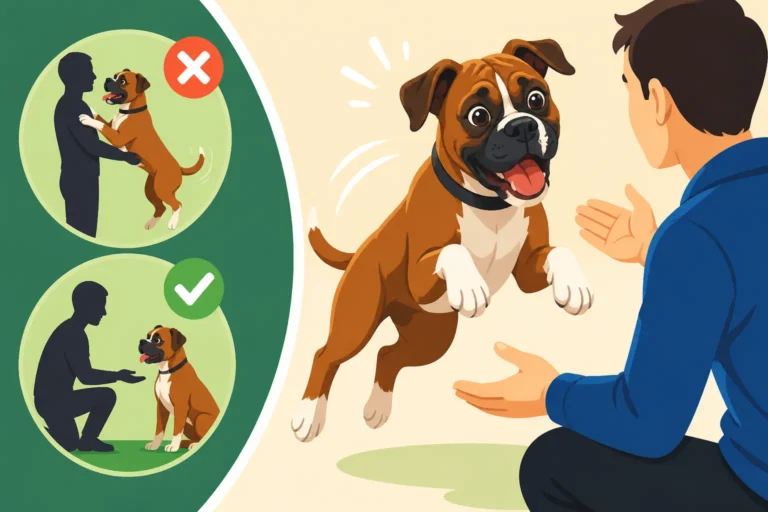
Let's be real: an excited adolescent Boxer is a seventy-pound bundle of joy and destruction. Their natural exuberance often translates into jumping on people and enthusiastic, but often painful, mouthing. While adorable in a puppy, this becomes unacceptable and potentially dangerous when they're large and strong. Nobody wants to be knocked over or greeted with teeth marks, however gentle the intention. Stopping a Seventy-Pound Boxer From Jumping
The key to managing jumpy, mouthy greetings is proactive management and consistent training.
"Four on the Floor" Rule: This is paramount. Your Boxer only gets attention when all four paws are on the ground. If they jump, immediately turn your back, cross your arms, and ignore them. As soon as they settle, even for a second, turn back and reward them calmly. Everyone who interacts with your Boxer, from family members to guests, needs to adhere to this rule. It takes incredible patience, but it works.
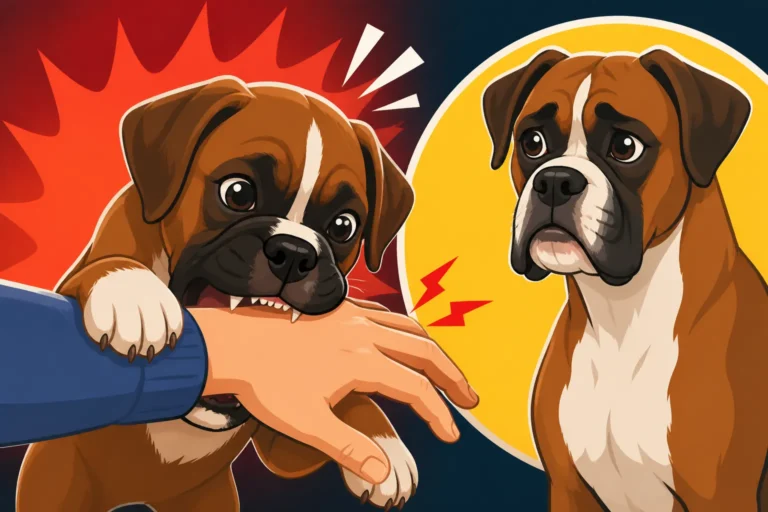
Redirect Mouthing: Boxers are naturally mouthy. They use their mouths to explore and play. Instead of punishing mouthing, redirect it to an appropriate chew toy. Keep a toy handy near the door when guests arrive, or during playful interactions. If they start to mouth your hand, offer the toy instead. Chews That Redirect a Mouthy Boxer
Teaching an Alternative Behavior: Teach your Boxer a solid "sit" or "place" command. When a guest arrives, ask your Boxer to sit or go to their designated place before the door even opens. Reward heavily for holding that position. This gives them a clear alternative behavior to jumping.
Managing Excitement: Keep greetings low-key. Avoid overly exciting your Boxer when you come home or when guests arrive. A calm demeanor from you will help foster a calmer response from them. Consider having guests greet your Boxer outside first, where there's more space and less perceived pressure. This might involve using a long line or a secure leash during initial greetings to maintain control.
By consistently applying these strategies, you can transform your Boxer's over-the-top greetings into more polite and manageable interactions.
| Challenge Area | Adolescent Boxer Behavior | Effective Management Strategy |
|---|---|---|
| Energy Levels | Relentless, often destructive if not channeled | 60-90 mins daily intense exercise, varied activities, dog sports |
| Training "Forgetfulness" | Ignores commands, easily distracted, tests boundaries | Short, frequent sessions; high-value rewards; proofing; consistency |
| Destructive Chewing | Chewing furniture, digging, getting into trash | Provide appropriate chew toys (rotate); mental enrichment; crate training |
| Jumping on People | Enthusiastic leaps for attention or greeting | "Four on the floor" rule; turn back & ignore; reward calm; teach "sit" |
| Mouthing/Nipping | Playful but sometimes painful use of mouth on hands/clothes | Redirect to appropriate chew toy; avoid exciting play with hands |
| Reactivity to Dogs | Over-the-top play, barking, lunging | Supervised play with stable dogs; avoid dog parks initially; professional help for reactivity |
| Attention Span | Easily bored, stops working mid-session | Keep sessions short and fun; varied rewards; positive reinforcement |
Common Challenges and Troubleshooting
The adolescent Boxer phase is truly a time of challenge and growth for both dog and owner. It often feels like a constant game of whack-a-mole, where you solve one problem only for another to pop up. But understanding these common pitfalls and having a troubleshooting toolkit can make a significant difference in keeping your sanity and building a stronger bond with your dog.
Dealing with Selective Hearing and Stubbornness
"Selective hearing" is the bane of many Boxer owners during this phase. You might call your dog’s name, give a command, and they’ll look right through you as if you’re speaking another language. It can feel like pure stubbornness, and while there's certainly an element of that Boxer "strong will" at play, it's also tied into their developing brain and increasing environmental awareness. A Teenage Boxer That Ignores Cues
To combat this:
- Re-establish Yourself as the Most Exciting Thing: This sounds silly, but if you’re always boring and everything else is exciting, they’ll choose everything else. Play games, offer unexpected treats, and make yourself unpredictable and fun.
- Proof Your Recall: A reliable recall is essential. Start in a quiet area with a long line (a lightweight leash, 15-30 feet long, available on Amazon, giving them freedom but allowing you to intervene if they ignore you). Call them, make it a party when they come, and reward generously. Gradually increase distractions. Never call them to scold them, or they'll learn coming to you is bad.
- "Engage/Disengage" Game: This helps your Boxer learn to acknowledge and then disengage from distractions. When your Boxer spots something interesting (another dog, a person), mark and reward them for looking at it, then mark and reward them for looking back at you. This teaches them that looking at you in the presence of distractions earns rewards.
- Manage the Environment: Don't set your Boxer up for failure. If they reliably ignore you when off-leash in a busy park, keep them on a long line until their recall is solid in that environment. Their safety is paramount.
- Understanding Their Limits: While they are smart, Boxers can also be sensitive. Yelling or becoming frustrated often makes them shut down or act out more. Why Shouting Sets a Boxer Back Stay calm, be firm, and stick to your training plan. Sometimes a short break from training is more effective than pushing through frustration.
Overcoming Separation Anxiety and Crating Issues
Many Boxers, being incredibly people-oriented dogs, can struggle with being left alone. This can manifest as full-blown separation anxiety, or simply as boredom leading to destructive behaviors when you're not around. Adolescent Boxers might chew furiously, bark excessively, or have accidents when left alone, even if they were perfectly fine as younger puppies. This is often because their confidence has grown, and they're more capable of wreaking havoc, combined with their strong desire for companionship.
Crate Training Reinforcement: If you've crate trained your Boxer as a puppy, reinforce it. The crate should be a safe, den-like space, not a punishment. Ensure it's large enough for them to stand, turn around, and lie down comfortably. Crates Big Enough for a Grown Boxer Give them a durable chew toy or a puzzle feeder when they go in.
Gradual Departures: Don't just leave for hours at a time. Start with very short departures. Leave for one minute, come back. Gradually increase the time. Don't make a big fuss when you leave or when you return. Keep it calm and routine.
Exercise Before You Leave: A tired Boxer is a good Boxer. A vigorous exercise session before you leave them alone can dramatically reduce destructive behavior or anxiety.
Mental Stimulation: Leave them with plenty of appropriate mental enrichment. Puzzle toys, KONGs stuffed with frozen treats, or long-lasting chews can keep their minds occupied while you're gone.
Background Noise: Some Boxers find comfort in background noise, like a radio or TV, making them feel less alone.
Consider a Dog Walker or Daycare: If your schedule requires long periods away, consider hiring a dog walker to break up their day or enrolling them in a reputable doggy daycare program a few days a week. This ensures they get exercise, socialization, and mental stimulation. Many services are listed online, and you can often find local options through recommendations.
Professional Help: If your Boxer's anxiety is severe (excessive barking, self-harm attempts, severe destruction), don't hesitate to consult a veterinarian or a certified professional dog trainer specializing in separation anxiety. This can be a complex issue that benefits greatly from expert guidance, often involving behavioral modification plans and, in some cases, medication.
By understanding the underlying reasons for these behaviors and consistently applying thoughtful strategies, you can help your adolescent Boxer mature into a well-adjusted, well-behaved companion. This "teenage" stage requires patience, humor, and a deep commitment to your Boxer, but the rewards of a strong, loving bond are immeasurable.
Disclaimer
This article is for general informational purposes only and does not constitute professional advice. Laws, prices and regulations vary by location and change over time. Consult a qualified professional for guidance on your specific situation.