Walking a Boxer Before Sunrise in Summer
Oh, summer. We all love those long, bright days, but for us Boxer owners, it brings a very specific kind of dread: how on earth do you get your energetic, heat-sensitive companion enough exercise when the sun turns the sidewalk into a griddle by 9 AM? It's a frustrating dance, trying to balance their need to burn off steam with the very real danger of overheating. This guide will walk you through making the most of those cool, quiet pre-dawn hours, transforming your summer exercise routine into a refreshing and safe adventure for you and your beloved Boxer.
Why Summer Mornings Are Crucial for Boxer Exercise
When the temperatures climb, the entire rhythm of life for a Boxer owner shifts. You can’t just head out whenever the mood strikes, not with these flat-faced, short-nosed, power-packed dogs. Understanding why early mornings are non-negotiable is the first step in ensuring your Boxer's health and happiness during the warmer months.
The Boxer's Unique Vulnerability to Heat
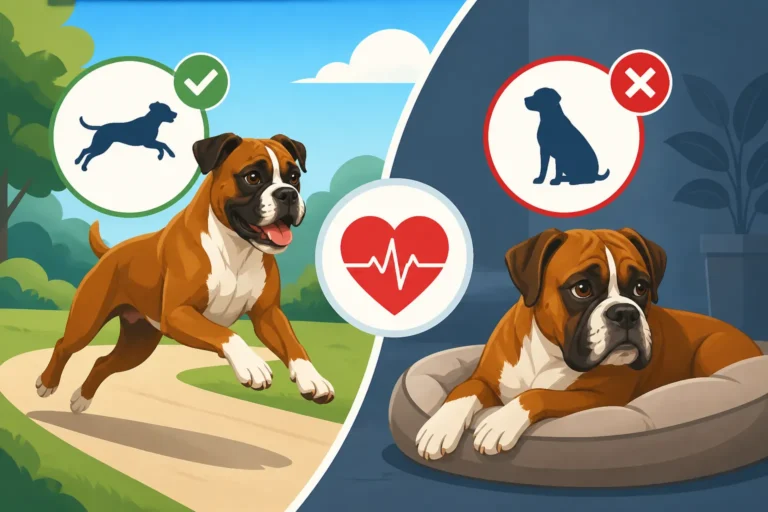
Boxers are magnificent, muscular dogs, full of life and boundless energy. But their distinctive brachycephalic (short-nosed) anatomy, combined with a relatively short coat that offers little insulation against heat, means they struggle immensely to regulate their body temperature. Unlike other breeds that can pant more efficiently to cool down, a Boxer's flattened snout makes this crucial cooling mechanism less effective. They simply cannot take in and expel air as rapidly or deeply as a long-nosed dog. This isn't just about comfort; it's a serious health concern. How Fast a Flat-Faced Boxer Overheats is a real danger. A quick dash around the block at noon could be harmless for a Labrador, but for a Boxer, it could lead to severe heatstroke in minutes. Their deep chests also make them prone to Why a Boxer's Chest Shape Invites Bloat which can be exacerbated by exercise too close to eating or drinking large amounts of water, especially when overheated.
Think about it from your Boxer's perspective. Imagine trying to run a marathon with a clothespin on your nose. That's a bit of an exaggeration, but it paints a picture of the respiratory effort they experience in heat. They don't have the same internal cooling systems as us, and their body temperature rises much faster and falls much slower. This makes the time of day you choose for exercise paramount. The middle of the day, even if it feels "mild" to you, can still be far too warm for them to safely exert themselves.
Furthermore, Boxers are prone to certain cardiac conditions like Arrhythmogenic Right Ventricular Cardiomyopathy (ARVC), which can be exacerbated by strenuous activity in heat. While not every Boxer has ARVC, it’s a wise precaution to always assume a heightened risk when exercising in warm conditions. Prioritizing cooler times isn't just a recommendation; it's a vital part of responsible Boxer ownership, safeguarding against both immediate heat-related emergencies and long-term health complications.
Maximizing Exercise Before the Heat Hits
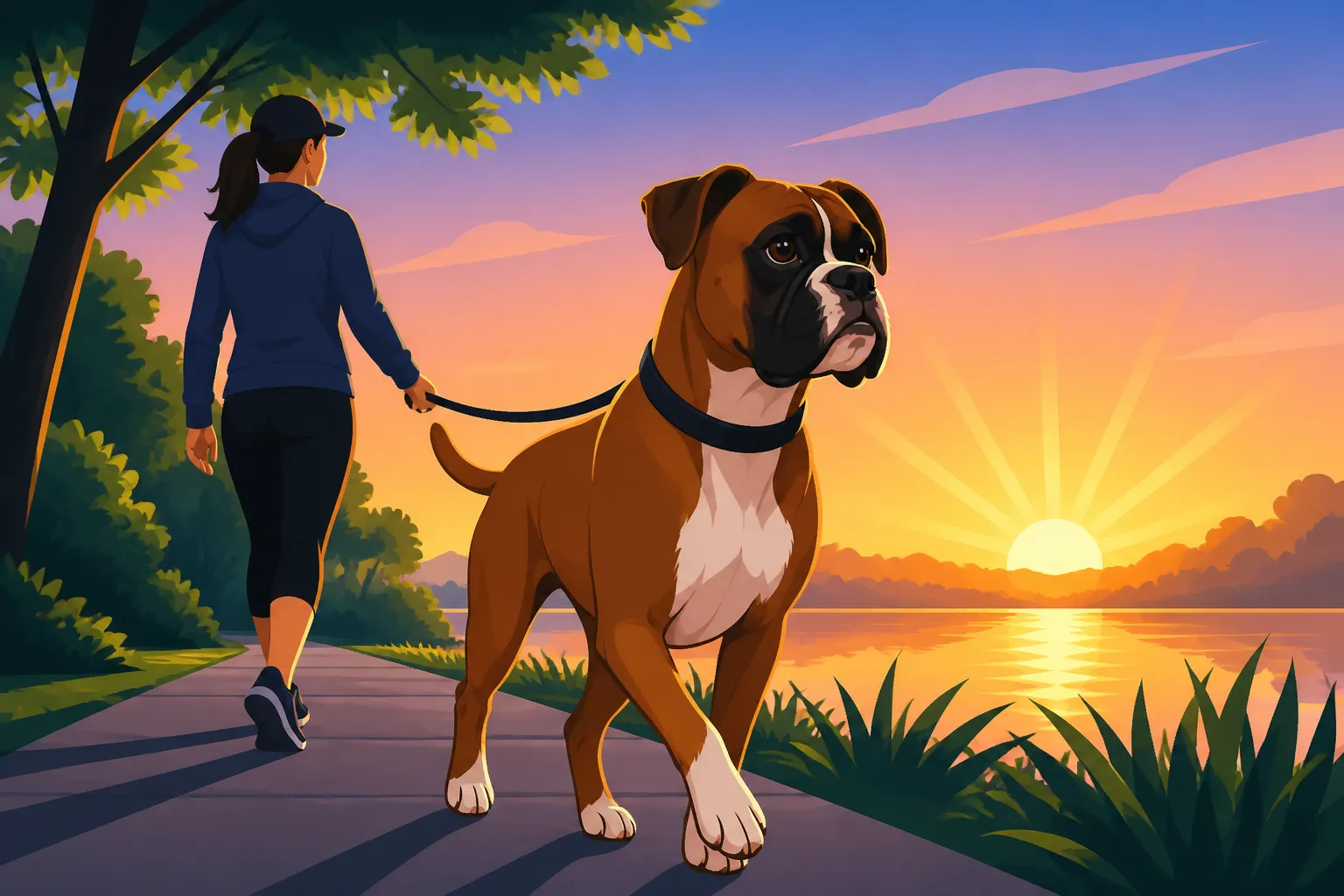
The quiet hours before the sun fully rises offer a golden window. This is when the pavement is still cool from the night air, the humidity hasn't fully set in, and the ambient temperature is at its lowest. These conditions are ideal for your Boxer to get the vigorous exercise they need without risking their health. Boxers have immense energy; they weren't called "the dancing dog" for nothing. They need a good outlet for that drive. Boxer Exercise Needs and the Heat That Limits Them are substantial, demanding dedicated effort from their owners.
A substantial walk, a brisk run, or an extended session of fetch in the cool morning air allows your Boxer to truly stretch their legs and work their muscles. This kind of exertion is vital not only for their physical condition, keeping them lean and strong, but also for their mental well-being. A Boxer who hasn't had adequate exercise is a bored Boxer, and a bored Boxer is often a destructive Boxer. Chewing, digging, and excessive barking can all stem from pent-up energy that wasn't properly released.
By front-loading their main exercise for the day into the pre-sunrise hours, you can then manage the rest of the day with shorter, less intense potty breaks, or move to indoor activities. It sets the tone for a calmer, happier Boxer for the remaining hours, allowing them to relax and nap when the sun is at its peak. This strategic approach prevents them from becoming overheated and frustrated, ensuring they get their essential workout in the safest possible environment.
The Mental Benefits of Early Morning Walks
It's not just about physical exertion; early morning walks offer significant mental stimulation for your Boxer that is different from a midday stroll. The world before dawn is a different place. The smells are often richer and more distinct without the interference of car fumes and human activity. Wildlife is more active, offering fascinating scents and sights that engage a Boxer's keen senses. This unique environment provides a rich tapestry of experiences that can be incredibly enriching.
The calm and quiet of the early morning can also be a wonderful training opportunity. With fewer distractions from other dogs, people, or traffic, your Boxer is often more focused and receptive to your cues. This can be a great time to practice loose-leash walking, recall, or simply reinforcing good manners. It fosters a stronger bond between you and your dog, as you navigate this peaceful time together. Getting a Boxer's Attention Outdoors can be tough with distractions, but the early morning minimises these.
For you, the owner, these quiet walks can be a meditative experience. It’s a chance to start your day with fresh air, gentle exercise, and quality time with your furry best friend, free from the hustle and bustle that will soon descend. It’s a moment of peace before the demands of the day kick in, allowing both you and your Boxer to feel centered and ready for whatever comes next.
Practical Steps for a Successful Sunrise Boxer Walk
Deciding to walk before sunrise is one thing; making it a successful, consistent, and safe habit is another. It requires a bit of planning and the right gear, but once you get into the rhythm, you'll wonder how you ever managed summer without it.
Gearing Up for Low-Light Conditions
Safety is paramount when you're out and about before the sun fully illuminates your path. Visibility is key, not just for you to see, but for others (like early morning drivers or cyclists) to see you and your Boxer. Start with reflective gear for both of you. A reflective vest or harness for your Boxer, easily found on platforms like Amazon, is a smart investment. Look for one that's comfortable and doesn't rub. You should also wear a reflective vest or clothing with reflective strips.
Illumination is equally important. A good headlamp is indispensable for you, freeing up your hands while providing ample light to see where you're going and to pick up after your dog. For your Boxer, consider a clip-on light for their collar or harness. Some brands offer LED collars that glow, making your dog visible from a distance. Remember, even if your route is well-known, stray branches, unseen puddles, or even wildlife can appear unexpectedly in low light. Being well-lit makes you a predictable presence for others and allows you to react safely to your surroundings.
Don't forget the essentials: a sturdy leash and a comfortable harness. For Boxers, who can be strong pullers, a front-clip harness can provide better control than a standard back-clip one. You'll also want to carry poop bags, water for both of you (even if it's cool, exertion requires hydration), and your phone for emergencies. Thinking through these details beforehand means you won't be scrambling in the dark, making the routine smoother and safer for everyone involved. Harnesses and Leads for a Pulling Boxer can make a huge difference to your comfort and control.
Establishing a Consistent Early Routine
Boxers thrive on routine, and establishing a consistent early morning schedule will make these walks much easier to implement. Dogs are creatures of habit, and if they know that 5 AM means a walk, their internal clocks will adjust. Start gradually if you need to. If you usually walk at 7 AM, try 6:30 AM for a few days, then 6 AM, and so on, until you reach your desired pre-sunrise time.
The key to consistency is commitment. Even on weekends, try to stick close to the schedule. This prevents your Boxer from getting confused and helps maintain their house-training schedule. Before you go to bed, lay out your clothes, leash, and any gear you need. Pre-fill your water bottles. This minimizes friction in the morning when you're likely still half-asleep and helps you get out the door faster.
It’s also helpful to have a distinct "walk signal" or routine that tells your Boxer it’s time to go. This could be a specific word, the jingle of the leash, or putting on your walking shoes. This helps build excitement and makes them eager to start their day. BAXTER & Bella, for instance, often highlights the importance of consistent cues and positive reinforcement in building good habits from puppyhood, and this applies just as much to your adult Boxer's daily routine. Over time, your Boxer will anticipate these walks, making your early start much more pleasant for everyone involved.
Hydration and Safety Checks
Even in cooler morning temperatures, your Boxer is working hard, and proper hydration is critical. Always bring water and a collapsible bowl for your dog. Offer water before, during, and after your walk, especially if it's a longer or more strenuous outing. Watch for signs of dehydration, such as excessive panting, dry gums, or a loss of energy. Water Intake for a Boxer After Exercise is vital.
Before you head out, do a quick check of your Boxer's paw pads. Summer pavements, even in the morning, can retain heat, or they might encounter unexpected debris in the dark. Look for any cuts, cracks, or tenderness. In areas with tick activity, a quick check before and after your walk is also wise, as ticks can be active in morning dew.
Keep an eye on your Boxer during the walk for any signs of discomfort or overheating, even in cooler temperatures. While the risk is significantly lower than midday, it's never zero. Watch for excessive panting, drooling, a staggering gait, or a sudden loss of energy. If you notice any of Signs a Boxer Is Overheating, stop immediately, find shade, offer water, and consider turning back. It's always better to cut a walk short than to push your dog into dangerous territory.
Overcoming Challenges of Early Morning Walks
Embracing the pre-sunrise walk isn't without its unique hurdles. From dragging yourself out of bed to navigating the unexpected, there are a few things to consider to make this routine work seamlessly for you and your Boxer.
Motivating Yourself and Your Boxer
Let's be real: getting out of bed when it's still dark is tough, especially when your warm bed is calling your name. Self-motivation is key here. Remind yourself why you're doing this – for the health and happiness of your Boxer, and for your own peace of mind knowing they're getting proper exercise. Setting an alarm across the room, so you physically have to get up to turn it off, can be a simple but effective trick.
For your Boxer, their motivation usually comes naturally. The prospect of a walk is exciting! However, if your Boxer is a late riser or seems reluctant, try to build excitement. A happy, enthusiastic "Walkies!" or picking up the leash with a big smile can be infectious. Make the start of the walk a positive experience. Treats or a favorite toy can also be used as a pre-walk incentive, especially if they're particularly sleepy.
Another tip is to make the walk itself enjoyable for both of you. Vary your routes when possible to keep things interesting. Incorporate some training exercises, like "sit" or "stay" at street corners, or play a quick game of "find it" with treats in the grass. This keeps your Boxer mentally engaged, making the walk more than just a physical outing. Remember, a happy Boxer makes for a motivated owner.
Dealing with Unexpected Early Morning Encounters
The early morning hours might be quieter, but you're still likely to encounter other early birds: other dog walkers, joggers, cyclists, or even nocturnal wildlife. It's crucial to be prepared for these interactions, especially with a strong and excitable Boxer. Always keep your Boxer on a leash, regardless of how well-trained you think they are. The low light can obscure an approaching runner or a curious squirrel, leading to sudden reactions that could pull you off balance or put your dog in harm's way.
If you know your Boxer tends to be reactive to other dogs or strangers, this is a prime opportunity for desensitization in a less chaotic environment. Maintain distance, use high-value treats to redirect their attention to you, and calmly walk past. If you're using a training program like BAXTER & Bella, their guidance on positive reinforcement and leash manners can be particularly useful here. Practicing "look at me" or "heel" commands when you spot another presence can reinforce good habits. Teaching a Boxer to Walk Past Other Dogs is a skill that takes practice.
Wildlife encounters are also more common before dawn. Seeing a deer, rabbit, or even a raccoon can trigger a strong prey drive in some Boxers. Again, a secure leash and quick redirection are your best tools. Teach a solid "leave it" command. It's about being vigilant and proactive, anticipating what might appear and having a plan to manage your Boxer's reaction calmly and safely.
Post-Walk Cool Down and Routine
After a good, brisk early morning walk, it's just as important to have a solid post-walk routine to ensure your Boxer cools down safely and comfortably. Even though the air might be cool, their internal temperature can still be elevated from exertion. Head straight for a shaded or cool area, and offer fresh, cool water immediately. Getting a Boxer's Temperature Down in Minutes can be crucial if they're still panting heavily.
A quick wipe-down with a damp, cool cloth, especially on their chest, belly, and inner thighs, can help bring their body temperature down. If you live in a hot climate, a cooling vest from Amazon can be pre-soaked and put on for a few minutes. Avoid dunking them in cold water or letting them drink too much too quickly, as this can lead to other issues.
Allow them to relax in a cool spot. This might be their crate in an air-conditioned room (check out Crates Big Enough for a Grown Boxer if you need an upgrade), a tile floor, or near a fan. Resist the urge for vigorous play immediately after the walk. Give their body time to regulate naturally. This post-walk routine isn't just about preventing overheating; it's also a good time to quickly check for any burrs, minor scrapes, or ticks they might have picked up along the way in the low light, ensuring they stay healthy and comfortable until their next adventure.
Beyond the Sunrise Walk: Complementary Cooling Strategies
While early morning walks are a fantastic solution for summer exercise, they might not always be enough, or feasible every single day. It's wise to have a repertoire of other cooling strategies and activities to keep your Boxer happy, healthy, and stimulated throughout the warmer months.
Indoor Activities for Mid-Day Heat
When the sun is blazing and it's too hot to be outside, the indoors become your Boxer's playground. Mental stimulation is just as important as physical, and Boxers are intelligent dogs who love to "work" for their rewards. This is where puzzle feeders and interactive toys really shine. Fill a KONG with peanut butter or treats and freeze it for a long-lasting challenge. Snuffle mats, treat-dispensing balls, or more complex puzzle toys available on Amazon can keep your Boxer engaged for significant periods. Puzzle Feeders That Hold a Boxer's Attention are invaluable tools.
Training sessions indoors are also a fantastic way to burn energy without breaking a sweat. Work on new tricks, polish up existing commands, or practice some advanced obedience. Even short, frequent bursts of training can be incredibly tiring for your Boxer's brain. Hide-and-seek with toys or treats, or simply having them follow you from room to room with different commands, can make for fun, low-impact exercise.
Remember, Boxers thrive on interaction. Simply being in the same room, offering a chew toy, or engaging in a gentle game of tug (avoiding over-excitement) can go a long way in preventing boredom and frustration when outdoor exercise is limited. These indoor activities ensure that even when it's too hot for a long walk, your Boxer still gets the engagement and stimulation they need. Indoor Exercise for a Boxer in a Heatwave is something every Boxer owner needs in their toolkit.
Water-Based Fun for Boxers
Many Boxers absolutely adore water, and it's an excellent way for them to cool down and get exercise without overheating. A shallow kiddie pool in your shaded backyard can provide hours of fun. Fill it with a few inches of water and toss in some floating toys for them to "fish" out. Supervision is always key, of course, but it’s a wonderful way for them to splash and play.
Some Boxers enjoy playing with a gentle hose spray or sprinkler, chasing the water droplets and cooling themselves in the process. Just be mindful not to spray directly into their face or force water on them if they’re not enjoying it. If you have access to a dog-friendly lake or beach with calm, shallow water, this can be an incredible outing. However, be aware of a Boxer's unique swimming challenges. Whether a Flat-Faced Boxer Can Swim Safely is a valid concern, as their heavy heads and powerful chests can make swimming difficult, so a life vest is always recommended, and never let them swim unsupervised.
For those who aren't keen on full-body dips, simply soaking their paws and belly in cool water can help reduce their body temperature. Always remember to towel-dry their folds and ears afterward to prevent skin irritations or ear infections. Water play offers a refreshing alternative to dry-land exercise and can be a fantastic way to beat the heat.
Monitoring Your Boxer for Heat Stress
Even with the best precautions, it's critical to be constantly vigilant for signs of heat stress in your Boxer. They can overheat surprisingly quickly, and early detection is crucial for a positive outcome. Beyond the usual signs of excessive panting and drooling, watch for a bright red tongue, glazed eyes, a rapid heart rate, weakness, dizziness, or even vomiting. If your Boxer is struggling to catch their breath or appears disoriented, these are serious red flags.
Know The Temperature a Boxer Should Stop Walking At and stick to it, even for short potty breaks. Pavement can be much hotter than the air temperature, so always test it with your hand – if it's too hot for your bare hand, it's too hot for their paws. During extreme heat waves, it may be best to limit outdoor time to quick potty trips and focus entirely on indoor activities. Whether a Boxer Should Run in Eighty Degrees is a resounding no for most, and even walking can be risky.
Always have a plan for what to do if you suspect heatstroke. Have your vet's emergency number handy, know the nearest emergency animal clinic, and understand basic first aid for overheating. This includes getting them to a cool place immediately, applying cool (not icy) water to their body, especially their belly and inner thighs, and offering small amounts of water to drink. Vigilance and quick action can literally save your Boxer’s life during the summer months.
Disclaimer
This article is for general informational purposes only and does not constitute professional advice. Laws, prices and regulations vary by location and change over time. Consult a qualified professional for guidance on your specific situation.